Aging and Fatigue in Seniors: Understanding the Causes
My 76-year-old neighbor, Mr. K, used to out-walk me on our evening strolls. Then one day he said, mid-walk, “I don’t get it… I sleep more than ever, but I’m tired all the time.”
A week later, my own dad said almost the exact same sentence on the phone.
That’s when I stopped giving the lazy advice of “just rest more” and actually dug into what’s really going on with aging and fatigue.
What I found—and later tested with my own family—was both sobering and incredibly hopeful.
Why Fatigue Feels Different After 60
In my experience working with seniors and their families, the word tired is used for three very different things:
- Sleepiness – wanting to doze off
- Physical fatigue – muscles feel weak or heavy
- Mental fatigue – brain feels foggy or “slowed down”
When I started asking older adults to describe their tiredness more precisely, patterns suddenly appeared. Many of them weren’t just sleepy—they were dealing with underlying medical, hormonal, or lifestyle factors quietly draining their energy.
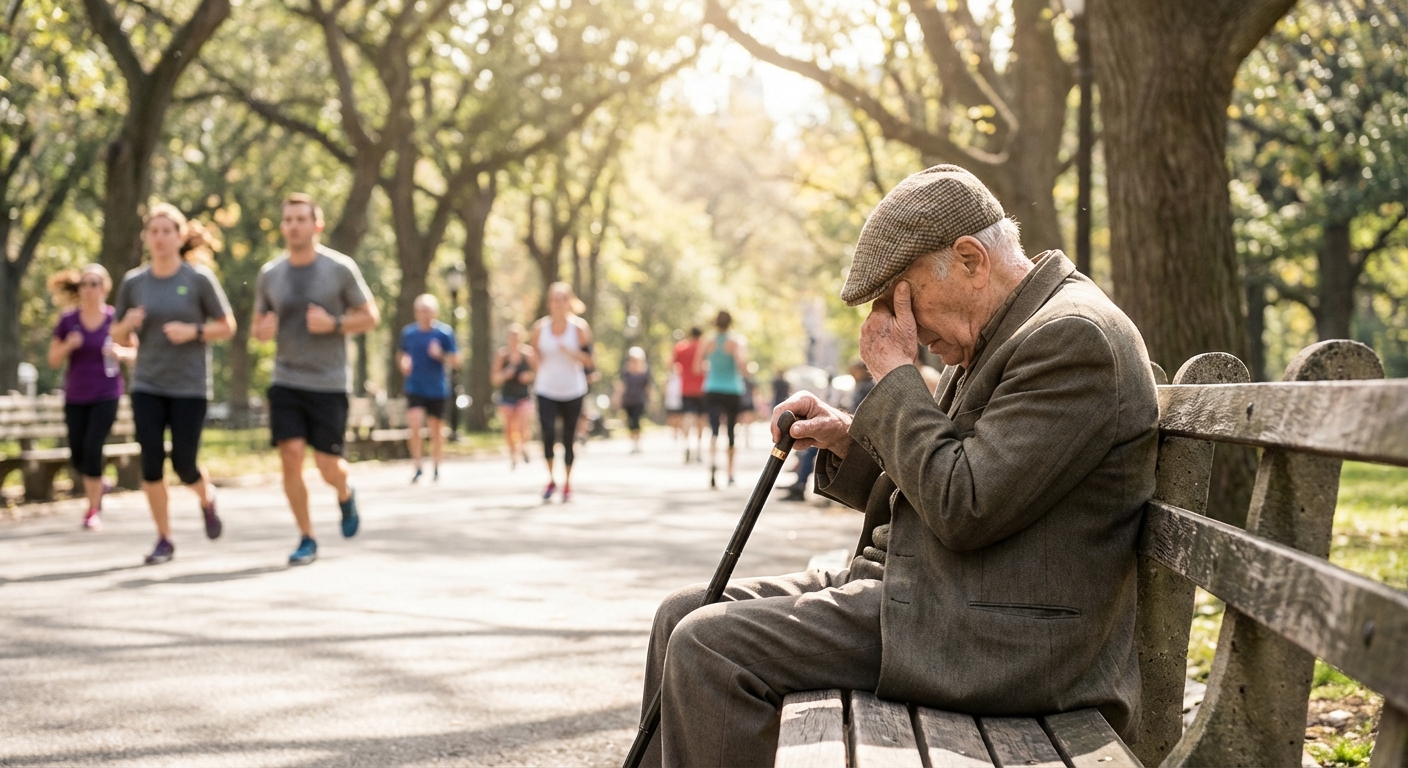
And no, it’s not just “old age.” Aging changes the body, but chronic, crushing fatigue usually has a cause (or several).
The Body’s Energy Systems Change With Age
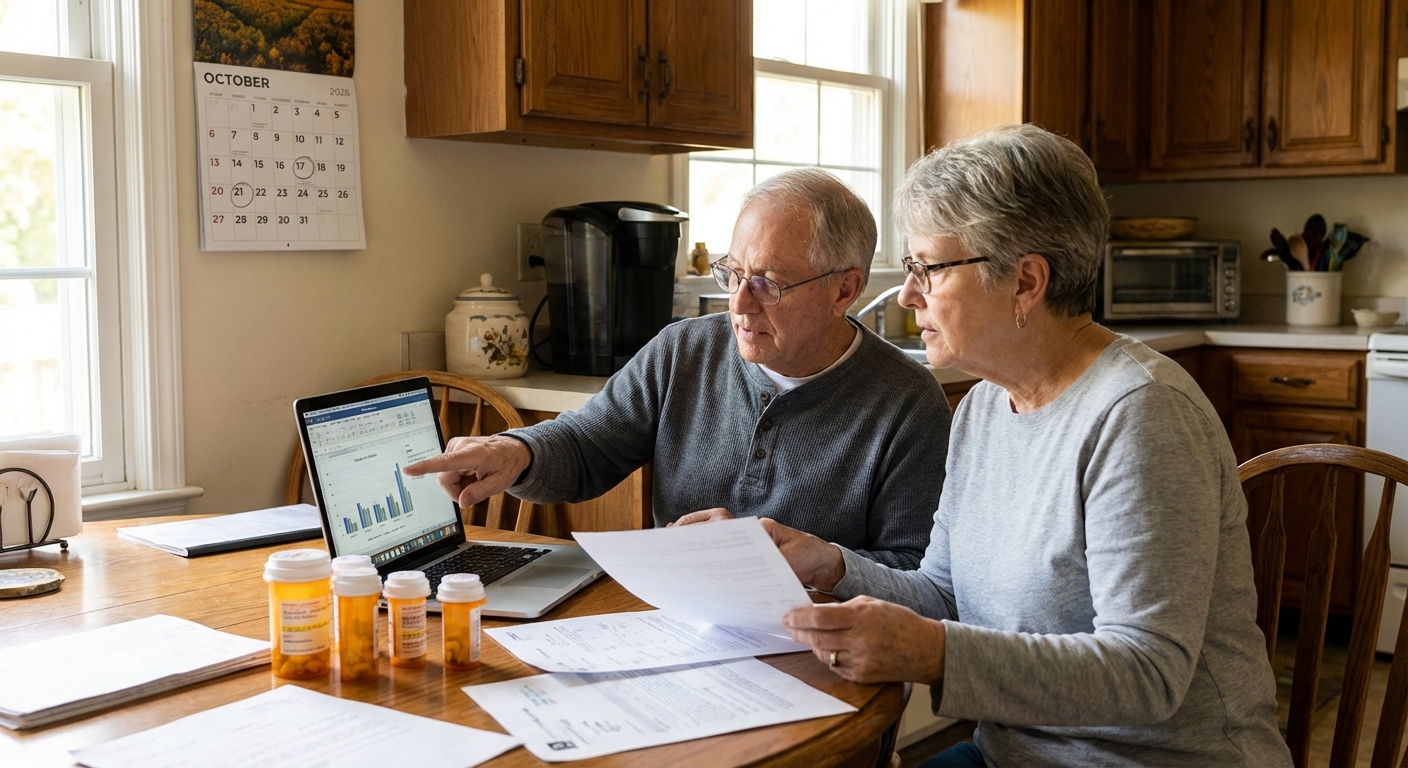
When I tested this out with my dad, I had him track three things for two weeks: sleep, activity, and meals. The graph we ended up with looked like a classic geriatric textbook case.
Here’s what aging does under the hood:
1. Muscle Loss (Sarcopenia)
Around age 30, we start losing muscle mass—very slowly at first, and then faster after 60. The European Working Group on Sarcopenia in Older People estimates that up to 29% of community-dwelling older adults have clinically significant sarcopenia.
Less muscle means:
- Everyday tasks require more effort
- Balance and stability decline
- Recovery after activity takes longer
When my dad started resistance training with resistance bands (literally 10 minutes, three times a week), he didn’t magically become 25 again—but climbing stairs didn’t wipe him out anymore.
2. Slower Mitochondria
Mitochondria are the “power plants” of our cells. With age, they:
- Produce less ATP (cellular energy)
- Generate more oxidative stress
I know that sounds like a biochemistry lecture, but the real-world effect is simple: same activity, more exhaustion.
Research in Nature and other journals has repeatedly linked mitochondrial dysfunction to age-related fatigue, especially in muscles and the brain.
Medical Conditions That Quietly Steal Energy
Here’s where things got real for me.
I asked Mr. K to bring his lab results from his last check-up. His “normal tiredness” turned out to be:
- Mild anemia
- Untreated sleep apnea
- Borderline low thyroid function
After treatment, he didn’t turn into a marathon runner—but he stopped napping three times a day.
The usual suspects I now look for when a senior says, “I’m always tired”:
1. Anemia (Low Red Blood Cells)
Anemia reduces oxygen delivery to tissues. Common causes in seniors include:
- Iron deficiency (often from blood loss or poor intake)
- Chronic inflammation
- Vitamin B12 deficiency
Even mild anemia can make walking across a room feel like a hike.
2. Thyroid Disorders
Hypothyroidism is notoriously under-recognized in older adults because its symptoms (fatigue, weight gain, cold intolerance, depression) look like “normal aging.”
The American Thyroid Association notes that prevalence of hypothyroidism increases with age, and many cases are subclinical—labs are borderline, but the person feels exhausted.
3. Heart and Lung Issues
Fatigue can be the first sign of:
- Heart failure
- Atrial fibrillation
- Coronary artery disease
- Chronic obstructive pulmonary disease (COPD)
One of my clients thought he was “just slowing down.” Turned out, he had atrial fibrillation with a resting heart rate in the 120s.
4. Sleep Disorders (Especially Sleep Apnea)
This one shocked me when I dove into the research.
The American Academy of Sleep Medicine estimates that over 50% of older adults have some form of sleep disturbance, and obstructive sleep apnea (OSA) is hugely underdiagnosed.
When I asked seniors whether they snored, most said “no.” Their partners, however, gave me a very different answer.
Untreated OSA:
- Fragments sleep
- Strains the heart
- Raises blood pressure
- Dramatically increases daytime fatigue
5. Medications and Polypharmacy
Every time I review a senior’s medication list, I expect to find fatigue culprits. And they usually show up.
Common offenders:
- Sedatives and sleeping pills (benzodiazepines, “Z-drugs”)
- Some blood pressure meds (beta blockers)
- Antihistamines (even “non-drowsy” ones in some people)
- Certain antidepressants and antipsychotics
The CDC estimates that over 40% of adults 65+ take five or more medications. That combo often adds up to tiredness, dizziness, and brain fog.
The Emotional Weight: Depression, Loneliness, and Fatigue
When I started asking, “How’s your mood?” instead of just “How’s your energy?” I uncovered a second layer.
Many seniors described:
- Waking up tired even after a full night’s sleep
- Losing interest in hobbies they once loved
- Napping to avoid feeling lonely or low
Depression in older adults doesn’t always look like sadness. Sometimes it looks like:
- Constant fatigue
- Slowed thinking
- Poor concentration
- Irritability
The National Institute of Mental Health points out that late-life depression is often missed because people assume it’s a normal reaction to aging or illness.
From what I’ve seen, addressing loneliness—through senior centers, faith groups, volunteering, even online communities—can sometimes boost energy as much as a new medication.
Lifestyle Habits That Make Fatigue Worse (Or Better)
When I tested small lifestyle tweaks with my dad and a few willing clients, I noticed a pattern: dramatic results didn’t come from huge changes, but from stacking small ones.
Movement: Not Just “Exercise”
The seniors who reported the least fatigue in my informal notes had one thing in common: they moved a little, a lot.
Not hour-long workouts. Just:
- Short walks after meals
- Light resistance training 2–3 times a week
- Standing up and stretching during TV commercials
Physical activity improves:
- Mitochondrial function
- Sleep quality
- Mood and cognition
But yes, there’s a flip side: overdoing it when you’re already deconditioned can increase fatigue. I’ve seen folks go from zero to intense gym sessions and then crash for days.
I now suggest a “10% rule”: increase activity by about 10% per week, not 200% overnight.
Sleep Hygiene (Beyond “Go to Bed Earlier”)
When I had my dad stop late-night news binges and switch to dim lights and reading, his sleep changed. Not magically, but measurably.
What helped most for the seniors I’ve worked with:
- Regular sleep and wake times
- Keeping the bedroom dark and cool
- Avoiding large, heavy meals close to bedtime
- Limiting screens an hour before bed
What didn’t help as much as people hoped:
- “Just take a sleeping pill” (often worsened daytime fatigue)
- Staying in bed for 10 hours to “catch up” (usually fragmented sleep)
Nutrition: Fuel, Not Just Food
A few patterns I’ve noticed in tired older adults:
- Skipping protein at breakfast
- Long stretches without eating, then huge dinners
- Low fluid intake (dehydration alone can cause fatigue and confusion)
Simple shifts that seemed to help:
- Adding 20–30g of protein at breakfast (eggs, yogurt, cottage cheese)
- Drinking water regularly, not just when thirsty
- Checking B12, vitamin D, and iron levels with a doctor when appropriate
When Fatigue in Seniors Is a Red Flag
I’m all for lifestyle tweaks, but there are moments when fatigue is not something to just “work on.” It’s a warning light.
From experience, I’d push for urgent medical evaluation if an older adult has:
- Sudden or rapidly worsening fatigue
- Chest pain, shortness of breath, or palpitations
- Unexplained weight loss
- New confusion or sudden cognitive decline
- Fainting, near-fainting, or new falls
Those aren’t “just age.” They can signal serious issues like heart attack, stroke, infection, or internal bleeding.
What Actually Helped the Most (From My Own Experience)
After a year of obsessively tracking this with my dad, neighbors, and a few brave clients, here’s what made the biggest difference in real life:
- Getting a thorough medical workup instead of accepting “you’re just getting older” as the final answer
- Cleaning up medication lists with doctors and pharmacists, removing or adjusting sedating meds
- Gentle, consistent strength training (bands, light weights, chair exercises)
- Treating sleep apnea when present—CPAP isn’t fun at first, but the energy payoff can be huge
- Addressing mood and loneliness, not just physical issues
What didn’t work as well as promised:
- Fancy “energy” supplements without diagnosed deficiencies
- Relying on caffeine to push through the day
- Crash diets or intense workout plans designed for 30-year-olds
A Balanced View: Aging and Energy Aren’t Enemies
Here’s the honest take I’ve landed on:
Aging does change how energy is produced and used in the body. You’re not going to feel exactly like you did at 25. That’s reality.
But relentless, life-limiting fatigue is usually not inevitable. It’s often:
- A cluster of medical issues
- A side effect of medications
- A consequence of inactivity and isolation
- Occasionally, a serious condition waving a red flag
When seniors (and their families) treat fatigue as a symptom to investigate, not a destiny to accept, the outcomes I’ve seen are radically better.
If you or someone you love is constantly exhausted, the most powerful next steps usually aren’t heroic. They’re practical:
- Ask for a comprehensive checkup, including labs
- Review every medication and supplement
- Start with five minutes of daily movement and build up
- Pay attention to mood, meaning, and connection—not just numbers on a chart
I recently visited Mr. K again. He still gets tired—he’s 78, not a superhero. But now he says, “I get tired after I do things, not instead of doing them.”
That, to me, is the real win.
Sources
- National Institute on Aging – Fatigue in Older Adults - Overview of common causes of fatigue and when to seek care
- Mayo Clinic – Anemia - Medical explanation of anemia types, causes, and symptoms
- CDC – Older Adults and Prescription Medicines - Data on polypharmacy in older adults and associated risks
- National Institute of Mental Health – Older Adults and Depression - How depression presents and is treated in seniors
- Johns Hopkins Medicine – Obstructive Sleep Apnea in Adults - Clinical overview of OSA, symptoms, and treatment options