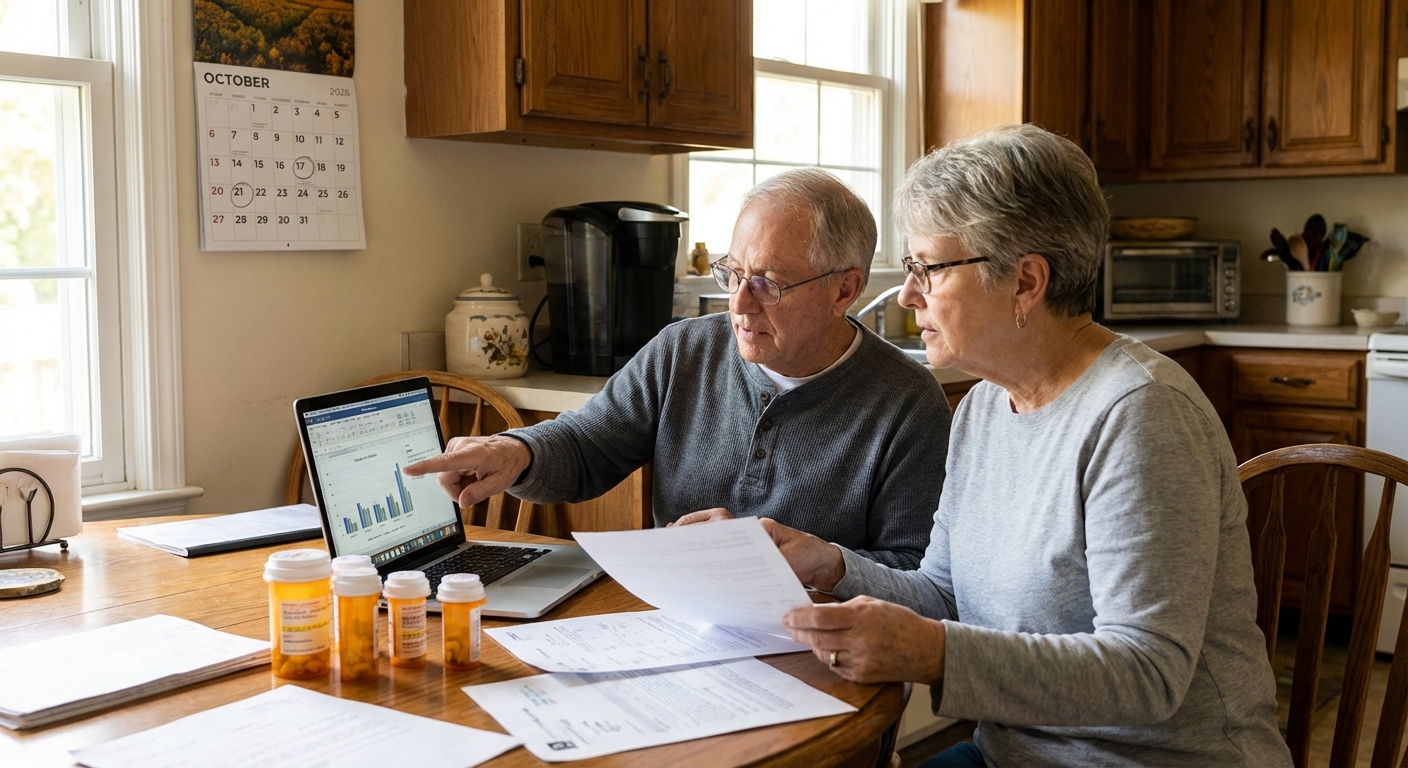
Breast Cancer in Women Over 70: What to Know
x of confusion and quiet panic. She whispered, “I thought breast cancer was a younger woman’s problem. Why is this happening now?”
That day pushed me down a rabbit hole. I started reading clinical guidelines, calling oncologist friends, and even sitting in on a local breast cancer support group that had several women in their 70s and 80s. What I discovered changed how I think about both aging and cancer.
If you’re over 70 (or love someone who is) and cancer talk makes your brain want to shut the tab and run, stay with me. I’ll keep this human, practical, and very real.
Why Breast Cancer After 70 Is More Common Than You Think
Here’s the part that surprised me first: risk doesn’t magically drop off after 65. It actually stays high.
In my research, I came across data from the American Cancer Society and SEER (the big U.S. cancer registry) showing:
- Around 1 in 8 women will develop invasive breast cancer over their lifetime.
- A large chunk of new diagnoses happen after age 65, and a significant portion are in women over 70.
One study I read from the Journal of Clinical Oncology noted that women over 70 have some of the highest incidence rates, but they’re also less likely to be screened regularly. That mismatch is part of the problem.
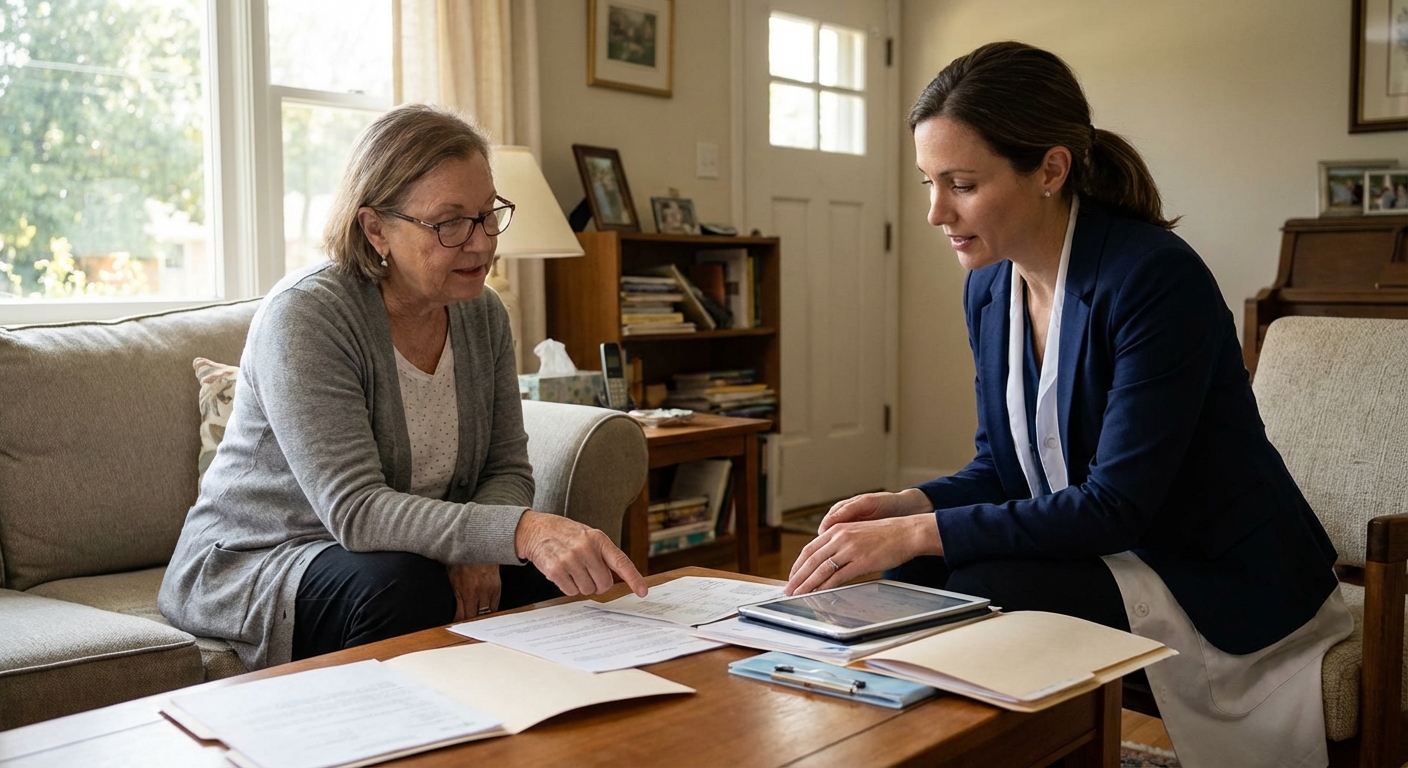
When I compared stories from two women I met — one 72, one 79 — a pattern jumped out:
- Both assumed breast cancer was a “younger woman’s disease”.
- Both delayed getting a suspicious change checked out.
- Both later said, “I wish I hadn’t waited.”
Age doesn’t protect you from breast cancer. It just changes the way we think about diagnosis and treatment.
How Breast Cancer Looks Different in Older Women
In my experience talking with oncologists, the phrase I kept hearing was: “Older doesn’t always mean worse.”
Here’s what that means in plain language:
- Tumors in women over 70 are more likely to be hormone receptor–positive (ER+ and/or PR+). That usually means they grow more slowly and respond well to hormone therapy.
- They’re less likely to be triple‑negative or HER2‑positive (the more aggressive subtypes), though those still do occur.
The flip side?
- Because screening sometimes drops off after 70, cancers are often found later or when the tumor is larger.
I watched an oncologist explain this gently to an 81‑year‑old patient: “Your cancer type is very treatable, but we do wish we’d seen it 6–12 months earlier.” That timeline reality comes up a lot.
Symptoms You Should Never Ignore (At Any Age)
When I sat with a breast surgeon reviewing actual case photos (not for the faint of heart), her message was blunt: “The breast doesn’t suddenly start doing weird things for no reason. If it changes, we check it.”
Things that deserve a call to your doctor:
- A new lump or thickened area in the breast or underarm
- Change in breast size or shape (especially if only one side changes)
- Nipple changes – turning inward, new crusting, scaling, or discharge (especially bloody)
- Skin changes – dimpling, puckering, redness, or an “orange peel” texture
- A new area of pain that doesn’t go away for weeks
One 74‑year‑old woman I spoke with thought her small, hard lump was “just age.” She waited eight months. Her words to me: “If I’d treated it like chest pain, I’d have gone in that day.” That line stuck.
Mammograms After 70: Should You Still Get Them?
This was the messiest topic I dug into, because the guidelines don’t all match — and that can be maddening if you just want a clear yes or no.
Here’s the boiled‑down version from major groups:
- U.S. Preventive Services Task Force (USPSTF): focuses on screening through age 74; says evidence is limited beyond that.
- American Cancer Society: says you can continue mammograms as long as your overall health is good and you’re expected to live 10+ more years.
When I asked a breast radiologist what she actually recommends to her 70‑ and 80‑something patients, she said:
> “I don’t care about the number on your birthday cake. I care if you’re living independently, walking your dog, and telling me your plans five years from now.”
Pros of continuing mammograms after 70
- Catches cancers earlier, when treatment can often be less intense.
- Especially valuable if you’re healthy, active, and would choose treatment if cancer was found.
Cons and caveats
- More false positives, leading to extra imaging and biopsies.
- Overdiagnosis: finding very slow‑growing cancers that might never have caused trouble in your lifetime.
- If you have serious health issues or limited life expectancy, screening may add stress without meaningful benefit.
When my friend’s 78‑year‑old aunt asked me, “Should I keep doing mammograms?” we literally wrote two things on a piece of paper:
- How long do I realistically expect to live, given my health now?
- If they find a cancer, would I want treatment?
Her answer to both was yes, so she kept screening.
Treatment in Your 70s and 80s: It’s Not Automatically Extreme
I used to assume treatment would be brutal for older adults. Then I watched a 79‑year‑old woman breeze into a chemo suite with a crossword book and snacks, chat through her entire infusion, and then head home to make soup “for the neighbors who had Covid.”
Modern treatment for older women is much more tailored than people realize.
The main tools (often mixed and matched)
- Surgery – lumpectomy (removing the tumor) or mastectomy (removing the breast). Some women over 70 opt for less aggressive surgery combined with hormone therapy.
- Radiation – often shorter courses now (hypofractionated radiation) which can be easier to tolerate.
- Hormone therapy – pills like aromatase inhibitors or tamoxifen for hormone‑positive cancers. These can be powerful and sometimes used instead of chemo.
- Chemotherapy – still used, but much more selectively.
What impressed me most was seeing geriatric assessments in action. Many oncology centers now evaluate:
- Mobility and fall risk
- Memory and cognition
- Other medical conditions (heart, kidneys, diabetes, etc.)
- Support system at home
I watched a team scale back an 82‑year‑old’s treatment plan after realizing she was at serious risk for falls and medication errors. Instead of a long chemo plan, they emphasized surgery plus hormone therapy. She told me later, “They treated me like a person, not a diagnosis. I could still enjoy my garden.”
Pros and cons of aggressive treatment at older ages
Pros:- Can significantly extend life and reduce recurrence for healthy older women.
- Modern protocols are much better at managing side effects.
- Side effects hit harder when there are other health issues.
- Logistics (transport, caregiver needs, follow‑ups) can be overwhelming.
- Sometimes the treatment burden outweighs the likely benefit, especially with advanced age and frailty.
The best conversations I observed always started with: “What matters most to you — more time, more comfort, or a balance of both?”
The Mental Game: Fear, Ageism, and Advocating for Yourself
I didn’t expect ageism to show up so clearly until I heard the same sentence from three different women over 70:
> “My first doctor kind of brushed it off and said, ‘You’re old, it’s probably nothing serious.’”
Two of them turned out to have cancer.
Here’s what I’ve seen actually help in real life:
- Bring someone with you to appointments – not just for emotional support, but as a second set of ears.
- Write questions down ahead of time. I’ve watched anxiety erase people’s memory the second the white coat walks in.
- Ask bluntly: “If I were 55 and otherwise healthy, would your recommendation be different?”
- If something feels off, get a second opinion. The best doctors I spoke with welcome this.
One 73‑year‑old woman told me she felt “silly” asking for a second opinion. Her first surgeon suggested a full mastectomy; the second offered a lumpectomy plus radiation with similar outcomes. She chose the second and said, “I felt like I got my body back.”
What I’d Tell My Own 75‑Year‑Old Aunt
After months of reading studies, talking with clinicians, and listening to women who’ve been through it, here’s what I’d say if we were at her kitchen table:
- Don’t assume you’re “too old” to get breast cancer — you’re actually in a higher‑risk age group.
- Any new change in your breast deserves attention, not a shrug.
- Screening after 70 should be personalized. If you’re reasonably healthy and would choose treatment, mammograms still make sense to discuss.
- If you’re diagnosed, ask your team:
- What are all my options?
- What happens if we treat aggressively vs. more gently vs. not at all?
- How will this affect my day‑to‑day life?
- You’re allowed to prioritize quality of life just as much as length of life.
The women over 70 who seemed most at peace with their decisions weren’t the ones who chose the “most” or the “least” treatment. They were the ones who fully understood their options and picked what matched their values.
If that’s you, or someone you love, you’re not behind, you’re not being dramatic, and you’re definitely not “too old to bother.” You’re just making informed choices with the body and the life you’ve got now.
And that, honestly, is about as strong as health gets.
Sources
- American Cancer Society – Breast Cancer Facts & Figures – Data on incidence and age-related risk
- National Cancer Institute (SEER) – Cancer Stat Facts: Female Breast Cancer – Statistics on breast cancer by age group
- U.S. Preventive Services Task Force – Breast Cancer Screening Recommendations – Guidance on mammography and age limits
- American Cancer Society – Breast Cancer Screening for Women at Average Risk – Detailed screening guidelines by age
- National Cancer Institute – Treatment of Breast Cancer – Overview of treatment options, including considerations for older adults