Breathing Exercises for Pulmonary Hypertension
my finger and thinking, Wait, my lungs and my heart are both in trouble?
Later, during cardiac rehab, a respiratory therapist casually said, “We’re going to work on some breathing exercises today. They can really help your symptoms.”
Honestly, I was skeptical. Breathing? I’d been doing that my whole life. But when I actually tested these exercises during short walks, stairs, and even just getting dressed (which used to wipe me out), I was surprised by how much more in control I felt.
No, breathing exercises didn’t cure my pulmonary hypertension. They did give me a tool to loosen that terrifying feeling of not getting enough air.
Let me walk you through what I learned, what worked, and where the line is between helpful and hype.
Quick reminder: what pulmonary hypertension actually does to your body
Pulmonary hypertension (PH) isn’t just “high blood pressure in the lungs.” It’s high pressure specifically in the pulmonary arteries — the vessels carrying blood from your heart to your lungs. Over time, that elevated pressure makes the right side of your heart work overtime and can eventually lead to right-sided heart failure.
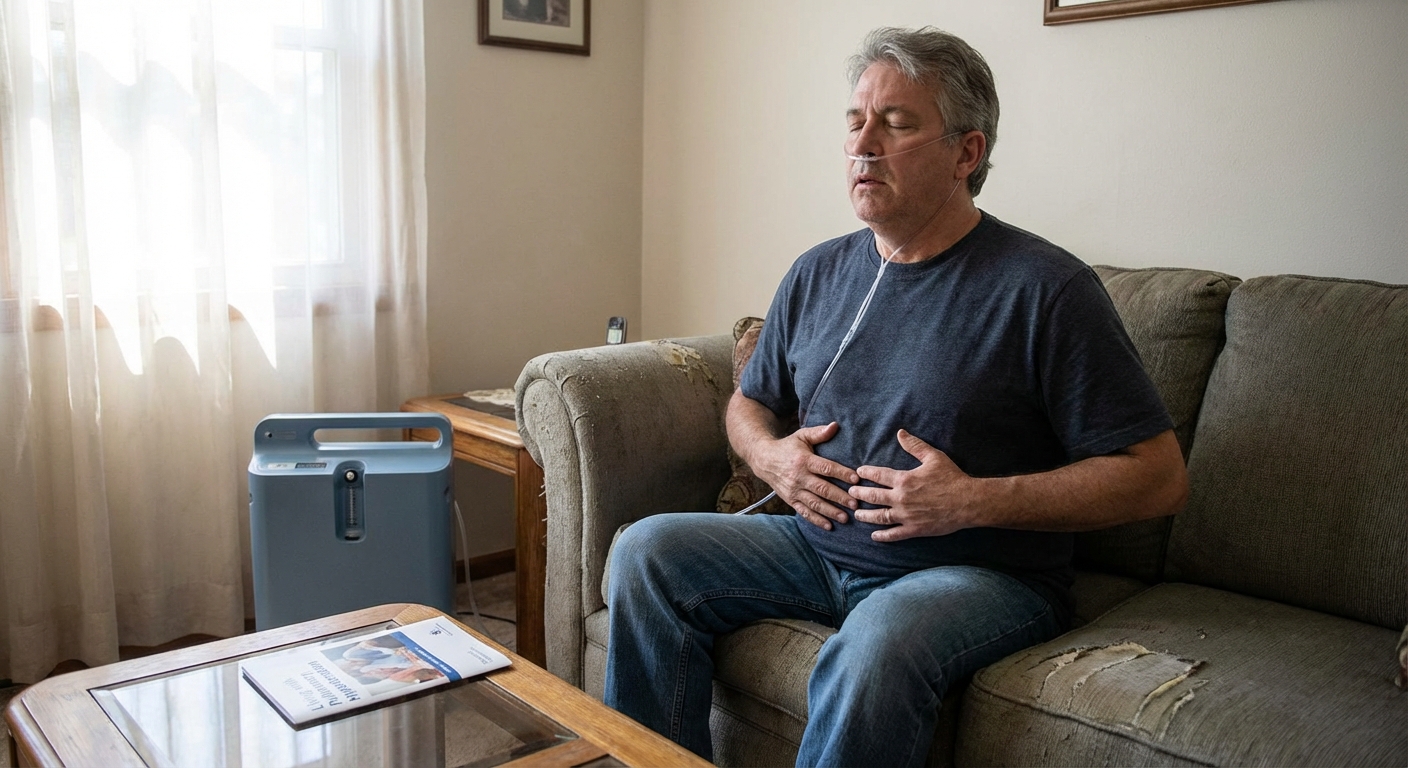
A few things PH typically brings to the party:
- Shortness of breath, especially on exertion
- Fatigue that feels way beyond “I didn’t sleep well”
- Chest discomfort or tightness
- Dizziness or near-fainting, especially when you push too hard
When my pulmonologist showed me my echocardiogram report, he pointed at the estimated pulmonary artery systolic pressure and said, “Your right ventricle is under a lot of stress. We’re going to use medications, but you can help by controlling how hard you force your lungs and heart to work.”
That’s where breathing exercises fit in: they’re not a cure, not a replacement for meds or oxygen, but a way to reduce the strain when your body is already fighting uphill.
What breathing exercises can (and can’t) do for pulmonary hypertension
Here’s what I’ve noticed personally, and what the research backs up:
What they can help with
- Reduce breathlessness during activity
When I used the right techniques climbing stairs, my recovery time shortened. I still got winded, but it wasn’t that panicky, air-hungry feeling.
- Improve gas exchange efficiency
Techniques like diaphragmatic breathing help you use the lower parts of your lungs where more blood flow happens. That can improve oxygen uptake slightly — not miracle-level, but noticeable.
- Lower anxiety and the “air hunger” loop
The more out of breath I felt, the more anxious I got, and the more shallow my breathing became. Slowing my breath interrupted that feedback loop.
- Train your breathing muscles
Your diaphragm and accessory breathing muscles can be strengthened, just like any muscle group. Some PH patients use inspiratory muscle training (IMT) devices under supervision.
What they cannot do
- Reverse pulmonary vascular remodeling
- Replace pulmonary vasodilator medications or oxygen therapy
- “Fix” advanced right heart failure
I wish they could. But even in high-quality studies, breathing training is described as adjunctive therapy — something you add on top of stable medical management.
A 2019 review in Respiration and several pulmonary rehab trials showed that targeted breathing work improved exercise capacity and quality of life in people with chronic lung and heart-lung disease, but didn’t magically normalize pulmonary pressures.
So think of breathing exercises as a lever, not a cure.
The 5 breathing techniques that actually helped me
I tried a bunch — some were great, some were useless, and one actually made me lightheaded enough that my rehab nurse gave me The Look.
Here are the five that consistently helped, and how I use them.
1. Pursed-lip breathing (my emergency brake)
This one was a game changer the first time I tried it on a hill.
How I do it:- Inhale gently through the nose for about 2–3 seconds.
- Purse the lips like you’re slowly blowing out a candle.
- Exhale through pursed lips for about 4–6 seconds — longer than the inhale.
- Creates a bit of back pressure in the airways, which helps keep them from collapsing too early during exhalation.
- Slows your breathing rate and gives your heart a chance to catch up.
In my experience, this is the technique that most reliably turns full-on “I can’t breathe” panic into “Okay, I’m uncomfortable but I’m in control.” I use it:
- At the top of stairs
- After walking quickly
- When I feel chest tightness starting
2. Diaphragmatic (belly) breathing
The first time a therapist put her hand on my stomach and said, “Breathe into my hand,” my chest tried to do all the work. My diaphragm was basically on vacation.
How I practice it lying down:- Lie on your back with knees bent and one hand on your chest, one on your belly.
- Inhale slowly through your nose so your belly hand rises more than your chest hand.
- Exhale slowly through pursed lips and feel your belly fall.
- Aim for 5–10 minutes, 1–2 times per day.
- Encourages deeper, more efficient breaths
- Reduces use of neck and shoulder muscles, which tire quickly and can add to the sensation of breathlessness
Once I got the hang of it lying down, I started using a gentler version while sitting and even walking. It made my breathing feel less “high and tight” in my chest.
3. The “3-2-4” paced breathing rhythm
When I get anxious, my breathing turns rapid and shallow. Paced breathing gives my nervous system a script.
My go-to rhythm (adjust as needed):- Inhale through the nose for 3 seconds
- Hold gently for 2 seconds (no straining)
- Exhale through pursed lips for 4 seconds
I tested a few patterns, and this one felt the least forced. I use it:
- Before climbing stairs
- Sitting in waiting rooms (especially before tests)
- When I feel my heart racing
Paced breathing activates the parasympathetic nervous system — the “rest and digest” side — which can help lower heart rate and blood pressure modestly. A 2017 review in Frontiers in Physiology described how slow, controlled breathing can stabilize autonomic function and improve exercise tolerance in people with cardiovascular disease.
4. “Step breathing” for walking
This one I stole from pulmonary rehab and then customized.
How I use it:- Inhale for 2 steps
- Exhale for 3–4 steps (through pursed lips)
When I tested this on my usual hallway walk, I noticed my oxygen saturation stayed more stable and I didn’t get that sudden “falling off a cliff” breathlessness. The key is not to push the exhale so long that you feel like you’re suffocating — it should feel controlled, not competitive.
5. Gentle breath holds (with a huge asterisk)
One physio had me try very mild breath holds — not big lungfuls, not straining, just a 1–2 second pause after a normal inhale.
Important: I never do long breath holds or “CO₂ tolerance” drills that are popular in athletic training. Those can be risky with pulmonary hypertension and may worsen right heart strain.Used carefully:
- Inhale gently for 3 seconds
- Hold for 1–2 seconds (no bearing down)
- Exhale for 4–5 seconds
When I tested this, it smoothed out my breathing pattern, but if I felt even slightly lightheaded, I went back to regular paced breathing.
How often is “enough” without overdoing it?
My cardiologist’s rule of thumb was: “Low intensity, high consistency.”
What worked for me:
- Daily practice: 5–10 minutes, once or twice a day, of diaphragmatic + paced breathing while sitting or lying down.
- “In the wild” use: Pursed-lip and step breathing during actual activities — walking, stairs, showering, making the bed.
I noticed real changes after about 3–4 weeks: less panic when breathless, smoother transitions between rest and exertion, and slightly better stamina in rehab sessions.
When breathing exercises might be a bad idea
This is where the trust part comes in: breathing exercises are not “the more, the better.” I’ve had a session cut short because my oxygen dipped and my heart rate spiked.
Red flags I watch for and you should absolutely flag for a doctor:
- Chest pain or pressure that’s new or worsening
- Dizziness, faintness, or seeing spots
- Blue or gray lips or fingertips
- Severe shortness of breath at rest
- Heart racing irregularly or feeling like it’s “fluttering hard”
I also avoid:
- Any exercise that involves forceful exhalation against a closed airway (like heavy straining or Valsalva maneuvers)
- “Breathwork” styles that push long breath holds or very fast hyperventilation
A 2022 European Respiratory Journal statement on pulmonary hypertension and exercise clearly recommends supervised pulmonary rehab and cautions against unsupervised, intense training, especially in advanced disease.
If you’re on medications like sildenafil, bosentan, or prostacyclin infusions, or if you use supplemental oxygen, your care team can help tailor breathing exercises so they support — not sabotage — your treatment.
How to start safely (based on what I wish I’d done earlier)
Here’s the approach that finally felt sane and sustainable for me:
- Ask your specialist first
I brought it up with both my pulmonologist and cardiologist. They were actually enthusiastic — as long as it was low-intensity and ideally part of pulmonary rehab.
- Start lying down or sitting
My early mistake was trying new techniques while walking. Start where your heart and lungs are as relaxed as they’re going to get.
- Add just one exercise at a time
I started with diaphragmatic breathing only, then layered in pursed-lip breathing. It’s easier to notice what actually helps if you don’t change everything at once.
- Use a simple rating scale
My rehab team used the Borg dyspnea scale (0–10 for breathlessness). If an exercise pushed me over a “3–4” at rest, it was too much.
- Keep it boringly consistent
The magic wasn’t in a single session. The magic was in doing 5–10 minutes, nearly every day, until my body started doing it more automatically.
My honest take after living with this for a while
If someone told me I had to give up either my inhalers or my breathing exercises, I’d keep the inhalers and not think twice. Medications and proper medical care are non-negotiable.
But if you told me I had to give up either breathing exercises or scrolling on my phone whenever I feel anxious and short of breath? I’d ditch the scrolling.
Breathing exercises for pulmonary hypertension are:
- Not a fix
- Not a fad (when done correctly)
- A quiet, unglamorous, but surprisingly powerful tool to help you feel more in control
When I tested them in my own life, the biggest change wasn’t my numbers on paper. It was the shift from, “My lungs are failing me,” to, “My body and I are at least on the same team now.”
If you’re dealing with pulmonary hypertension, that feeling alone is worth a few minutes of intentional breathing a day.
Sources
- Pulmonary Hypertension - National Heart, Lung, and Blood Institute (NHLBI) - Overview, causes, symptoms, and treatment from a U.S. government health agency.
- Pulmonary Hypertension - Mayo Clinic - Detailed clinical explanation, symptoms, and management strategies.
- Pulmonary Rehabilitation and Breathing Exercises - Cleveland Clinic - How pulmonary rehab and breathing techniques support lung and heart conditions.
- Effects of Respiratory Muscle Training in Patients with Pulmonary Hypertension - PubMed - Research on inspiratory muscle training and functional capacity in PH.
- Slow Breathing and Cardiovascular Disease - Frontiers in Physiology - Review on how paced breathing affects autonomic function and exercise tolerance.