Delivery Rooms: How Technology Is Changing Birth Care
Soft LED lighting instead of harsh fluorescents. Giant wall screens with baby heartbeats dancing across in real time. Wireless sensors that looked more like fitness trackers than medical equipment. A midwife joked, “We just need a coffee bar and kombucha on tap.”
That was the moment I realized: birth care isn’t just evolving—it’s being rewired by technology.
I’ve spent the last several years interviewing obstetricians, midwives, health-tech founders, and new parents about their delivery-room experiences. I’ve watched chunky fetal monitors shrink to wearable patches, seen AI quietly flag concerning patterns in a baby’s heartbeat, and even tested a VR program that helps women breathe through contractions (yes, it’s as wild as it sounds).
Here’s what’s actually changing, what’s hype, and what you’ll want to know if a delivery room might be in your future.
From Tangles of Cables to Wireless Birth
When my cousin gave birth a decade ago, she described feeling “tethered like a Christmas tree” — wires everywhere, monitors beeping, IV poles blocking her partner’s view.
Fast-forward to a birth I attended as a doula last year: the mom labored standing up, bouncing on a birth ball, walking to the bathroom without dragging half the room with her. The secret? Wireless monitoring.
Wireless fetal monitoring & wearables
Traditional cardiotocography (CTG) uses elastic belts around the belly to track fetal heart rate and uterine contractions. They slip, they dig into the skin, and they limit movement.
Newer systems like wireless fetal monitoring belts and patch-based sensors (think of a big, smart sticker) send data via Bluetooth or Wi-Fi to a central monitor. In some hospitals, that data even shows up on a clinician’s smartphone.
In my experience sitting in on high-risk labors, this mobility makes a huge difference. A woman who can stand, sway, or get into the shower usually copes better with contractions and needs fewer pain meds.
Upsides:- More freedom to move, change positions, and use birthing tools (balls, stools, showers)
- Continuous monitoring for high-risk pregnancies without freezing the mother in bed
- Better comfort and fewer “can we just fix this belt again?” interruptions
- Signal dropout still happens—tech is better, not perfect
- Not every hospital can afford the newer systems, so access is patchy
- Staff need training; I’ve watched more than one nurse mutter at a shiny new monitor they never got proper orientation on
AI in the Delivery Room: Helpful Assistant or Extra Noise?
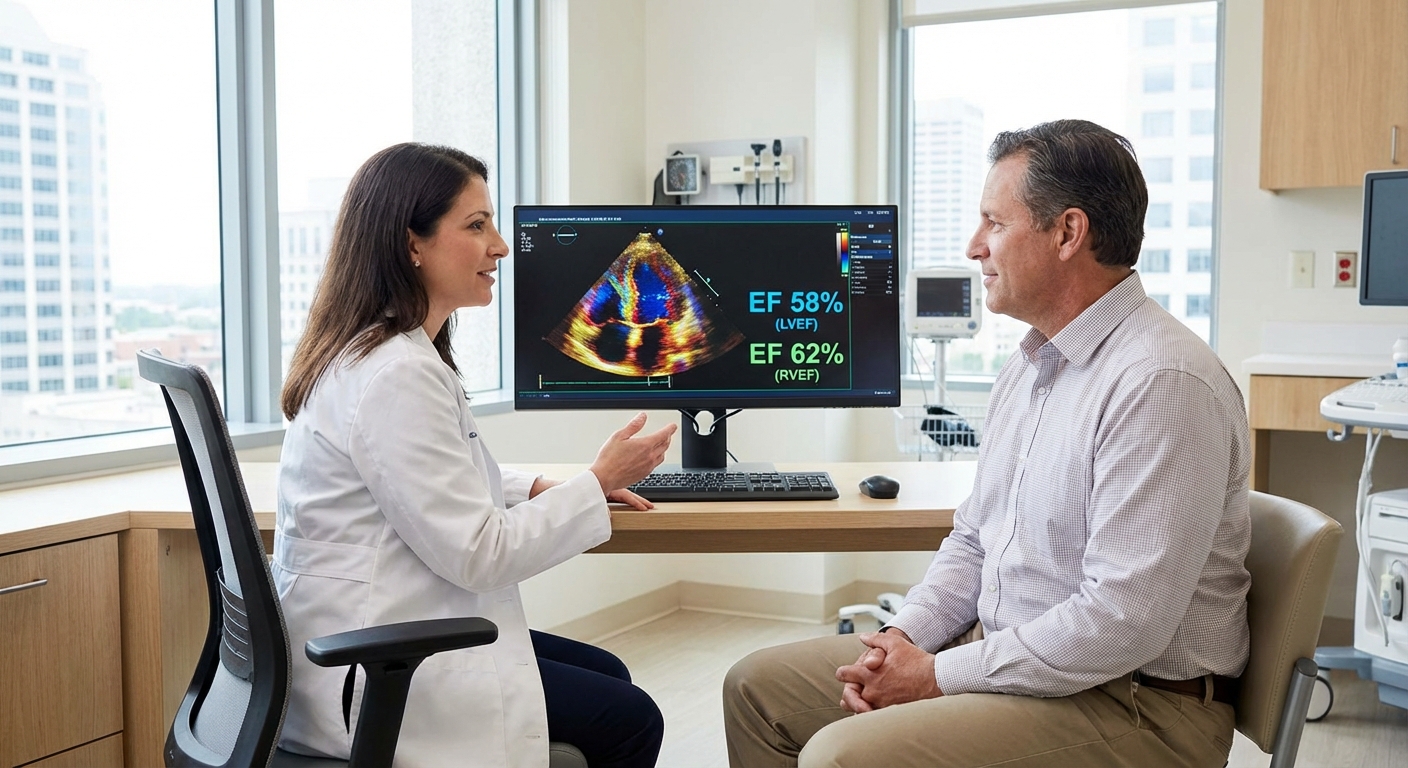
I recently sat with an obstetrician who pulled up years of fetal heart rate tracings on his computer. He pointed to one and said, “Five years ago, we missed this pattern. Now, software would flag it in minutes.”
How AI is being used in labor
Some hospitals are piloting AI-driven decision support tools that analyze fetal heart rate (FHR) patterns and contractions. These systems can:
- Highlight suspicious decelerations
- Track how long a baby has been under possible stress
- Suggest when to escalate to senior staff or consider interventions
A 2020 review in BJOG and several pilot programs have explored whether these tools reduce rates of hypoxic injury (when the baby doesn’t get enough oxygen). The evidence is still mixed, but the direction is clear: algorithms are joining the care team.
When I tested a simulation platform built for teaching OB residents, the software graded how quickly I responded to a concerning tracing. As a non-physician, I was gloriously terrible at it—but it was obvious how much faster real clinicians could learn pattern recognition with that kind of feedback.
Pros:- Extra “set of eyes” on continuous data, especially during busy shifts
- Potential to standardize interpretation of FHR, which humans notoriously disagree on
- Can prompt earlier senior review in borderline cases
- False alarms can drive more C‑sections and interventions if clinicians over-trust the tool
- Algorithms are trained on past data, which can bake in old biases (for example, under-recognition of pain or complications in Black women)
- Tech fatigue: when the screen screams at you all shift, staff start tuning it out
Most experts I’ve interviewed say it this way: AI should augment clinical judgment, not replace it. The best-performing labor wards use these tools as a nudge, not a command.
Epidurals, Nitrous, and… VR?
I remember the first time a labor nurse offered a patient a VR headset. The mom looked at her like, “You want me to play video games while I’m in labor?” Ten minutes later she was breathing through contractions on a virtual beach, and the room went noticeably quieter.
Pain management is getting more layered
Technically, the “core” pain options haven’t changed that much:
- Epidural anesthesia is still the gold standard in many hospitals. Modern pumps and low-dose protocols (often called “walking epidurals”) allow more control and sometimes partial mobility.
- Nitrous oxide (laughing gas) has made a comeback in some US hospitals, after decades of popularity in the UK and other countries.
- IV opioids are used more cautiously now, with tighter protocols and monitoring.
Where tech gets interesting is the add-ons:
- VR programs for labor use guided breathing, hypnotic scripts, and immersive visuals. Randomized controlled trials (like some published in Anesthesia & Analgesia) suggest modest but real reductions in perceived pain and anxiety.
- App-based coaching integrated with hospital systems lets doulas and childbirth educators give tailored guidance even if they’re not physically present.
- Smart pumps and better monitoring have slightly reduced some medication errors, although they’re not foolproof.
From what I’ve seen, VR doesn’t replace epidurals—but it can delay them or lower the dose, and it gives some parents a sense of doing something between contractions instead of just bracing.
Real talk though: not every laboring person wants a headset on their face. One mom I spoke with ripped it off and said, “I don’t want a fake forest, I want this baby out.” Fair.
Telehealth, Remote Monitoring, and the “Extended” Delivery Room
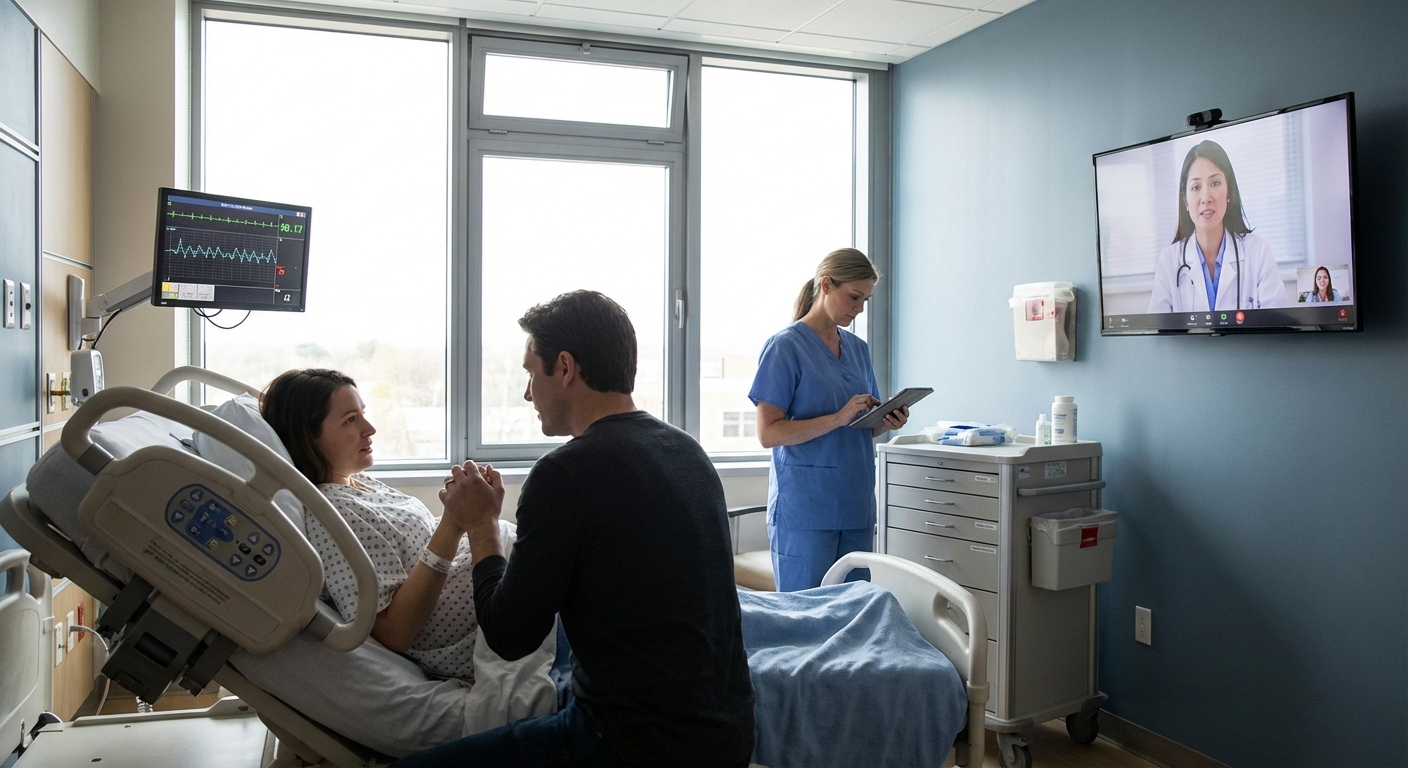
When I shadowed a high-risk OB clinic during the COVID-19 pandemic, I watched a big chunk of prenatal care jump online almost overnight.
And something surprising happened: a lot of patients liked it.
From home to hospital, your data comes with you
Many hospitals now use remote patient monitoring during late pregnancy for those with conditions like gestational hypertension or diabetes:
- Bluetooth blood pressure cuffs
- Connected glucometers
- Symptom check-ins via apps
These feed into dashboards that flag worrisome trends. I saw one case where a subtle upward creep in home blood pressures triggered an early triage visit—and likely prevented a severe preeclampsia crisis.
When labor starts, all that data gives the team context: what your pregnancy has looked like day-to-day, not just the last 15 minutes.
Telehealth also plays a role right after birth. Some systems offer:
- Virtual lactation consults
- Video check-ins for C‑section wound healing
- Mental health screening for postpartum depression or anxiety
Is it as good as an in-person exam? Not always. There are limits—you can’t palpate a tender abdomen over Zoom. But for exhausted new parents who’d rather not wrestle a car seat into the car for a 10-minute BP check, it’s a game changer.
Smarter Rooms, Bigger Screens, and Smaller Surprises
You’ve probably seen photos of “hotel-style” maternity suites. Under the nice bedding and dimmable lights, there’s serious tech hiding.
Integrated electronic health records (EHR)
I’ve watched the shift from paper charts clipped to the bed to fully integrated EHR systems. The better ones allow:
- Real-time vitals and fetal monitoring right in the chart
- Standardized order sets for hemorrhage, sepsis, and other emergencies
- Instant consults with anesthesia, pediatrics, or NICU with shared data
In major centers, early warning systems now watch maternal vital signs and labs. Several studies and CDC reports have pushed for these because the U.S. maternal mortality rate remains stubbornly high (and shamefully worse for Black and Native women). When configured well, these tools can flag:
- Early hemorrhage
- Sepsis
- Severe hypertension
I sat with a nurse manager who pulled up a case where the system alerted to a subtle trend in falling hemoglobin and rising heart rate. “Honestly,” she said, “on a busy shift, we might have caught it, but not this early.”
Family-facing tech
Some of the changes are simple but meaningful:
- Large wall displays showing fetal heart rate and contraction patterns that parents can actually see
- Digital birth plans stored in the chart so new staff don’t have to ask the same questions at 3 a.m.
- Secure photo and video policies (plus better privacy controls) so the room doesn’t turn into a social media set by accident
When parents understand the monitors and see their preferences acknowledged on-screen, I notice trust goes up and tension goes down.
The Shadow Side: When Tech Crowds Out Touch
For all the benefits, I’ve also seen the downsides up close.
- A midwife spending more time troubleshooting a wireless monitor than holding a laboring woman’s hand.
- An algorithm that flagged “risk” so aggressively that the team pushed for a C‑section the parents weren’t emotionally prepared for—despite baby and mom ultimately being fine.
- Parents feeling like they were giving birth in a server room, surrounded by screens and alarms.
Technology can subtly medicalize even low-risk births. Continuous monitoring for everyone, just because the equipment is there, tends to increase intervention rates without always improving outcomes. Multiple Cochrane reviews have shown that continuous electronic fetal monitoring in low-risk labors is associated with higher C‑section and instrumental delivery rates, with no clear reduction in cerebral palsy.
The sweet spot I see in the best delivery units looks like this:
- Clear protocols on who truly needs high-tech monitoring vs. intermittent auscultation with a Doppler
- Staff trained to talk through what the machines are showing, not just silently stare at screens
- Parents encouraged to ask, “What would you do if this technology weren’t available?” to understand whether a recommendation is essential or just preferred
If You’re Expecting: Questions to Ask About Birth Tech
When I help friends plan their births, we now include a “tech tour” on their question list. Some genuinely revealing questions:
- Monitoring: Do you offer wireless fetal monitoring? In what situations would I need continuous monitoring vs intermittent checks?
- Pain options: Do you have nitrous? VR? Are there limits on movement after an epidural here?
- Data & privacy: Who can see my monitoring data? Is anything stored in external cloud systems or only in the hospital’s records?
- Emergency protocols: Do you use any early warning systems for hemorrhage or hypertension? How do they change care?
- Support tools: Are tele-lactation or virtual postpartum visits available after discharge?
When I tested these questions with an OB at a large teaching hospital, she laughed and said, “If every patient asked that, our care would absolutely get better.”
Where This Is All Headed
The delivery room of the near future probably won’t look like a sci‑fi movie with robot midwives.
It’s more likely to be a room where:
- Sensors are smaller and less noticeable
- AI quietly screens data in the background
- Staff stare at screens a bit less because information is better organized
- Parents have more visibility into what’s happening and why
The danger is that shiny tech gets installed without enough training, equity planning, or honest evaluation. The opportunity is that, used wisely, these tools can catch complications earlier, make labor more humane, and help overworked staff do the job they actually came for: caring, not just charting.
From what I’ve seen on the ground, the best births still come down to the same old basics—support, respect, and skilled hands—just now backed up by smarter machines.
The tech is changing birth care. The real question is whether we shape it around families’ needs, or let the gadgets quietly shape us.
Sources
- Cochrane Review: Continuous cardiotocography (CTG) as a form of electronic fetal monitoring (EFM) - Evidence on continuous monitoring and birth outcomes
- CDC – Maternal Mortality and Pregnancy-Related Deaths - U.S. statistics and disparities in maternal outcomes
- ACOG – Use and Interpretation of Obstetric Ultrasound and Fetal Monitoring - Professional guidance on fetal monitoring and obstetric technology
- Mayo Clinic – Epidural Block: Definition and Risks - Overview of epidural anesthesia in labor
- NYTimes – How Virtual Reality Is Helping Women Manage Labor Pain - Reporting on VR tools being piloted in delivery rooms