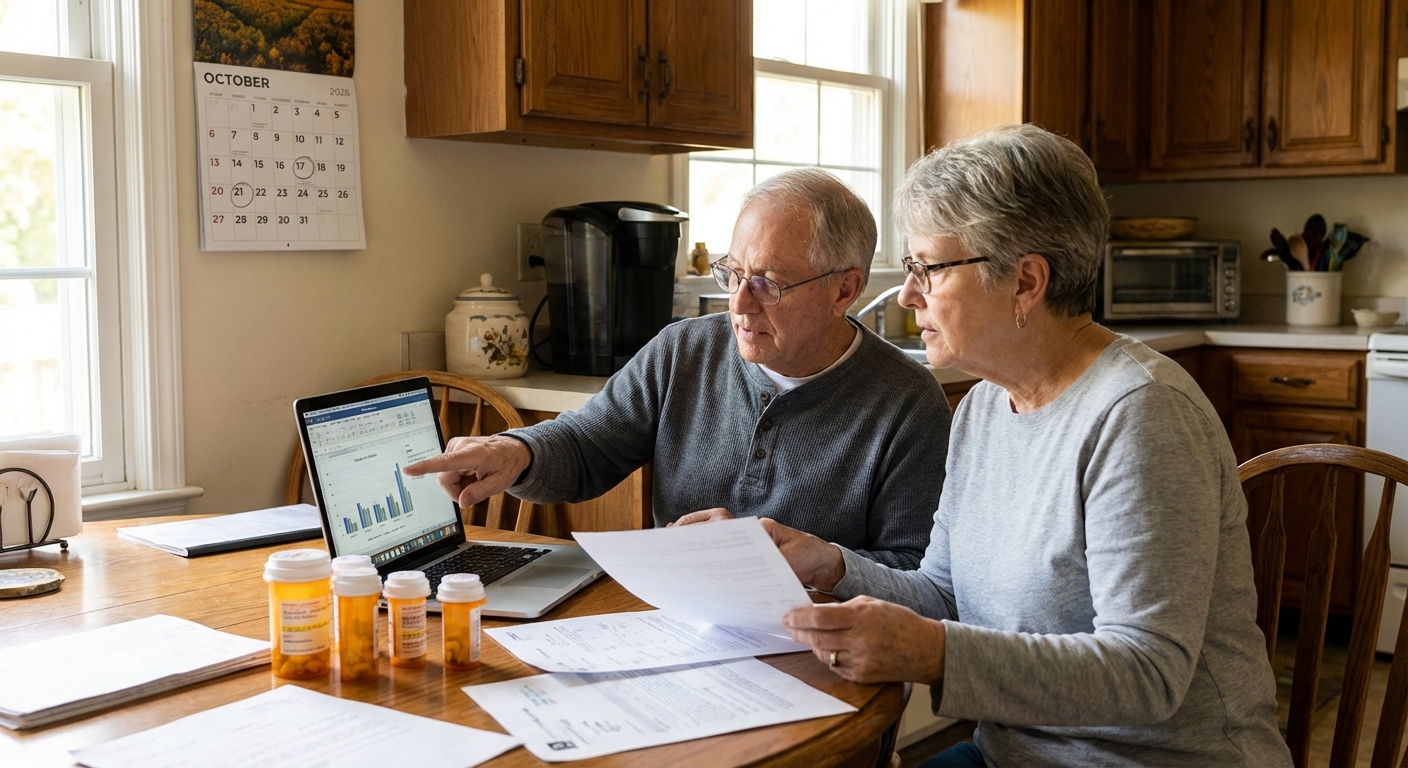
Explore Medication Impacts on Skin Health
w medications recently?” That one question completely changed how I look at my skin.
A few years ago, I switched to a new blood pressure medication. Within three weeks, my cheeks looked like I’d lost a fight with a cactus: dry, flaky, and randomly burning. I kept changing moisturizers, cutting out skincare products, even swapped laundry detergent. The real culprit? A tiny white tablet I took every morning.
Once I dug into the research (and honestly, pestered several dermatologists and pharmacists), I realized: your medicine cabinet might be shaping your skin more than your skincare routine.
Let me walk you through what I’ve learned – and what I’ve personally tested – about how meds mess with (and sometimes improve) our skin.
How Medications Actually Change Your Skin
When I first connected meds and skin, I assumed it was all about allergies. You take a pill, you get hives, you stop the pill. Simple. That’s only one tiny piece.
In my experience, medications can affect skin in a few main ways:
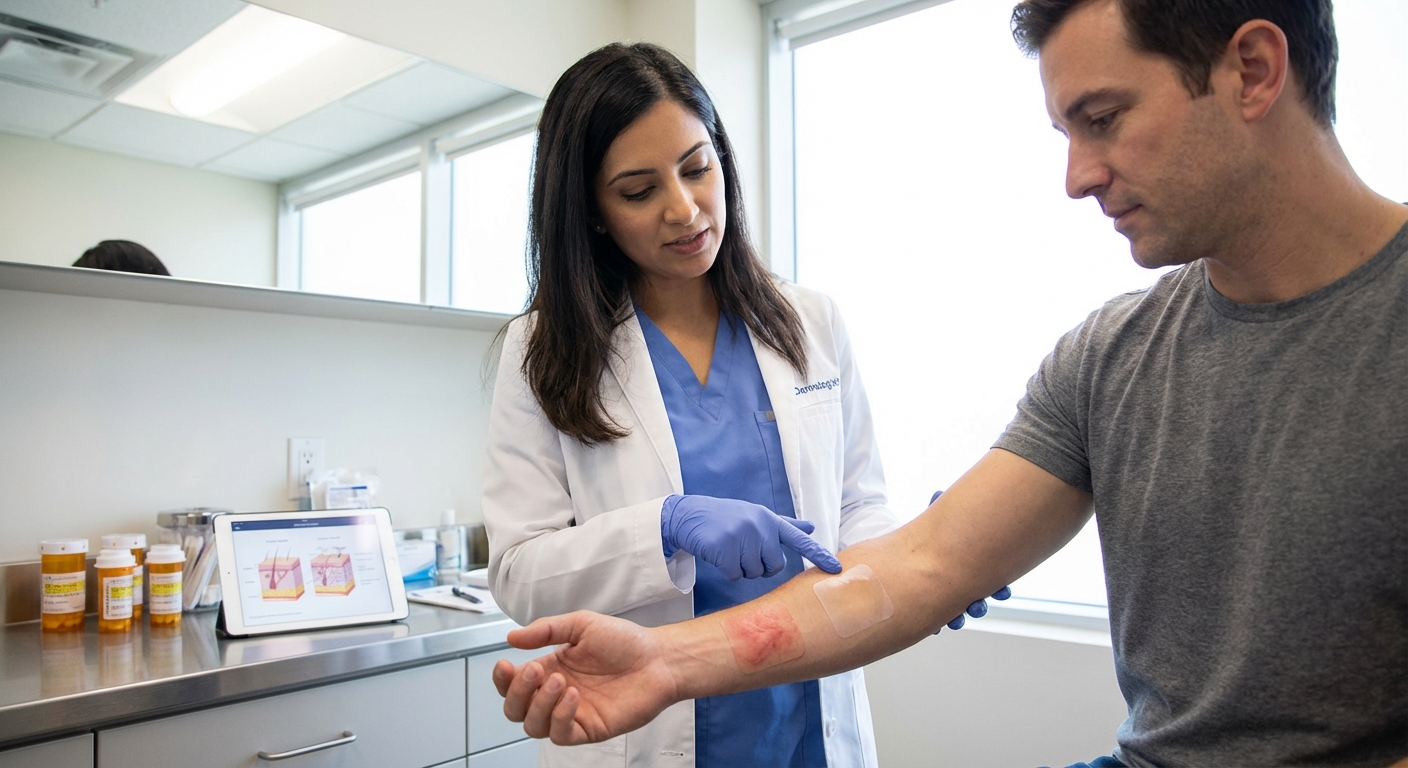
- Direct irritation or allergy (drug eruptions) – your immune system reacts to the drug and shows it on your skin.
- Hormone disruption – meds that alter hormones can trigger acne, hair growth, or pigmentation.
- Immune system tweaking – drugs that suppress or stimulate the immune system can cause rashes, infections, or autoimmune-like reactions.
- Barrier and moisture changes – some meds literally dry you out from the inside, damaging the skin barrier.
- Photosensitivity – your skin becomes way more sensitive to sunlight and burns or discolors easily.
When I tested tracking my skin in a simple notes app next to my medication changes, patterns started popping up faster than any fancy serum results ever did.
The Big Offenders: Common Medications That Hit Skin Hard
I’m not anti-medication. Some of these drugs save lives. But they also have personalities, and some are just… not very kind to our skin.
1. Acne From “Non-Skincare” Drugs
This one shocked me. I thought acne was all hormones and dirty pillowcases.
Real-world acne triggers from meds include:- Corticosteroids (like prednisone) – often cause steroid acne: small, uniform bumps on chest, back, or face. I saw this firsthand when I took a short prednisone course for breathing issues; my forehead went from clear to “why is this happening?” in about 10 days.
- Testosterone and some progestin-only birth control – can ramp up oil production.
- Lithium (for bipolar disorder) – linked to stubborn, inflammatory acne that doesn’t always respond to typical acne meds.
A 2020 review in the Journal of the American Academy of Dermatology highlighted steroid-induced acne patterns that look different from classic teenage acne – often sudden, widespread, and more uniform.
The good news: in many cases, acne improves when the dose is lowered or the medication is switched. But never, ever stop something like steroids or lithium on your own. I worked with my doctor to taper off prednisone, and my skin calmed down within a few weeks.
2. Dryness So Extreme Your Moisturizer Quits
When I first saw a patient on isotretinoin (Accutane) during a dermatology writing project, I understood what dermatologists mean by “xerosis” – medical speak for very dry skin.
Medications notorious for dryness:- Isotretinoin – dramatically reduces sebum. Amazing for severe acne, but lips, eyes, and skin often become desert-level dry.
- Diuretics (for blood pressure/heart failure) – can dehydrate your whole system, including skin.
- Antihistamines – reduce mucus and moisture, sometimes drying out skin and lips.
When I tested a low-dose diuretic, my facial skin didn’t freak out, but my legs turned dull, scaly, and itchy. Upping my water intake helped a bit, but what really worked was switching to a thicker, ceramide-heavy moisturizer and using it immediately after showering.
Dermatologists often recommend gentle, fragrance-free cleansers and creams with:
- Ceramides – help rebuild the skin barrier.
- Glycerin and hyaluronic acid – pull water into the skin.
But if the dryness feels extreme or you’re getting cracks or bleeding, that’s a “call your prescriber” situation, not just “buy a fancier cream.”
3. Sun Sensitivity: When a Short Walk Becomes a Sunburn
I learned this the unpleasant way. I started a common antibiotic (doxycycline) and went for a short walk at lunchtime without sunscreen. The burn I got was wildly out of proportion to the 20 minutes I spent in weak fall sunlight.
Common photosensitizing medications include:- Antibiotics: doxycycline, tetracycline, ciprofloxacin
- NSAIDs: naproxen, piroxicam
- Diuretics: hydrochlorothiazide
- Some antidepressants and antipsychotics
There are two types of reactions:
- Phototoxic: looks like an exaggerated sunburn, appears within hours.
- Photoallergic: more like eczema or a rash, can show up days later.
A 2019 JAMA Dermatology article noted that hydrochlorothiazide, a super common blood pressure drug, is linked not only to sunburn-like reactions but a slightly higher risk of certain skin cancers with long-term, high-dose use. That doesn’t mean “throw your meds out,” but it does mean your sunscreen game needs to be Olympic level.
What helped me:
- SPF 30+ broad-spectrum sunscreen every single day
- Wide-brim hat, long sleeves for mid-day walks
- Avoiding tanning beds completely
4. Weird Rashes, Hives, and Full-On Allergic Drama
Drug rashes were honestly the most confusing to me at first because they can mimic almost anything.
I once developed a scattered, red, flat rash on my trunk after starting a new antibiotic. It didn’t itch much, I felt a bit off, and I almost ignored it. My doctor took one look and said, “Stop the medication now.” It resolved in a few days, but it could’ve escalated.
Types of drug-related skin reactions:- Morbilliform (measles-like) rash – small red spots, often starting on trunk.
- Urticaria (hives) – raised, very itchy welts.
- Angioedema – deeper swelling, especially lips, eyes; can affect airway.
- Severe reactions like Stevens–Johnson syndrome (SJS) or toxic epidermal necrolysis (TEN) – rare but life-threatening.
Common culprits: antibiotics (like penicillins, sulfa drugs), anti-seizure meds, allopurinol, some NSAIDs.
Red flags I never ignore now:
- Rash plus fever, mouth sores, or eye redness
- Blistering or peeling skin
- Swelling of lips, tongue, or trouble breathing
Those are emergency-room, not “wait and see” situations.
5. Pigmentation Changes and “Why Is My Skin This Color Now?”
One of the strangest medication effects I saw while talking to patients for an article was grayish-brown patches on the face and hands after long-term amiodarone (a heart rhythm drug). It looked like a tan that never faded.
Some medications can cause:
- Hyperpigmentation (darker patches): from antimalarials, minocycline, some chemotherapy, and amiodarone.
- Hypopigmentation (lighter patches): from certain biologics and targeted therapies.
Minocycline, for example, can cause blue-gray discoloration on shins, gums, or acne scars after long-term use. I’ve seen this in person, and it’s surprisingly hard to treat.
These changes are often cosmetic rather than dangerous, but they can seriously affect self-esteem. Dermatologists may suggest laser treatment, sun protection, or switching meds when possible.
When Medications Actually Help Your Skin
It’s not all doom and gloom. Some of the best skin transformations I’ve ever witnessed came from oral medications, not creams.
- Isotretinoin can permanently quiet severe cystic acne when monitored correctly.
- Spironolactone (a blood pressure pill used off-label) has been a game-changer for many women with hormonal acne.
- Biologic drugs for psoriasis (like adalimumab or secukinumab) can clear skin that’s been inflamed and painful for years.
When I interviewed a psoriasis patient on biologic therapy, she told me, “I finally wore shorts in public for the first time in 10 years.” That’s the kind of skin impact we don’t talk about enough.
Balanced view though: these powerful meds come with risks – infections, liver issues, lab monitoring – so the decision is always a careful, shared one with a dermatologist or specialist.
How I Now “Audit” My Meds for Skin Side Effects
Whenever my skin does something unexpected now, I don’t just reach for a new serum. I run through this little checklist I’ve built from experience:
- What changed in the last 4–8 weeks? New meds, doses, or even over-the-counter supplements.
- Check side effects from reliable sources. I look up the specific drug on sites like Mayo Clinic or MedlinePlus, not random forums.
- Take photos. Day 1, Day 3, Day 7 – helps massively when you see a doctor.
- Don’t self-stop critical meds. Blood pressure pills, seizure meds, antidepressants, steroids – I always call the prescriber first.
- Bring everything to the appointment. I’ve literally taken a bag of pill bottles to a dermatologist visit – no one laughed.
When I tested this approach during my own weird doxycycline sun reaction, I caught the connection within days instead of weeks. My prescriber switched the antibiotic, my skin healed, and I didn’t end up afraid of the sun for life.
When to Call Your Doctor ASAP vs. When to Chill
In my experience, not every rash is an emergency, but some absolutely are.
Call emergency services or go to ER if:- You have trouble breathing or feel your throat closing.
- Your lips, tongue, or face swell rapidly.
- You get blisters, peeling skin, or painful sores in your mouth/eyes/genitals.
- Rash plus high fever or feeling extremely unwell.
- New rash or hives appear after starting a drug.
- Acne, dryness, or sun sensitivity become severe.
- You notice weird color changes in your skin.
- Mild dryness, a few extra pimples, or subtle itchiness show up after a new med, but you feel otherwise fine.
Always, always bring your full medication list – prescriptions, OTC meds, vitamins, and herbal supplements. Yes, even “natural” things can mess with your skin.
The Bottom Line From My Own Trial-and-Error
If there’s one thing I’ve taken from my own skin adventures, it’s this: your dermatologist and your prescribing doctor need to be on the same team.
Skincare isn’t just what’s in the bottle on your bathroom counter. It’s also in your pill organizer.
When I started treating my medications as part of my skincare story – tracking them, asking better questions, reading the actual data – I stopped feeling like my skin was randomly betraying me.
If your skin has changed and you can’t figure out why, don’t just blame your face wash. Explore what’s in your medicine cabinet too. Sometimes the real “skin routine” starts with a conversation about your prescriptions.
Sources
- Drug-induced photosensitivity – MedlinePlus (NIH) - Overview of how certain medications increase sun sensitivity and cause skin reactions.
- Hydrochlorothiazide use and risk of skin cancer – U.S. FDA Drug Safety Communication - FDA summary of data linking a common diuretic to increased skin cancer risk.
- Isotretinoin (Accutane) – American Academy of Dermatology - Detailed explanation of how isotretinoin works and its skin-related side effects.
- Adverse drug reactions: skin manifestations – Cleveland Clinic - Overview of common drug-induced skin eruptions and warning signs.
- Photosensitivity reactions to drugs – DermNet NZ - In-depth discussion of phototoxic and photoallergic drug reactions.