Guide to Clitoral Hood Reduction: Procedure Overview, Risks, and Recovery
assed to ask her regular doctor and had gone straight to Dr. Google instead. What she’d stumbled into was a rabbit hole of before-and-after photos, mixed messaging, and zero context.
That’s when I really dug into clitoral hood reduction—what it is, who it’s actually for, and where the risks hide behind the glossy marketing.
I’m not a surgeon, but as a health writer who spends a lot of time reading clinical papers and interviewing gynecologists and plastic surgeons, I’ve learned that this procedure is much more complex and sensitive than the quick-fix vibe it sometimes gets online.
What Is Clitoral Hood Reduction, Really?
Clitoral hood reduction (also called hoodectomy or clitoral hoodoplasty) is a form of vulvar cosmetic or functional surgery. The goal: reduce excess skin (the prepuce) that covers the clitoris.
Surgeons typically focus on:
- Removing or reshaping redundant clitoral hood tissue
- Aiming to expose more of the clitoral glans (without touching the clitoris itself)
- Sometimes combining it with labiaplasty (inner labia reduction)
In my experience talking to patients and surgeons, the motivations fall into three broad buckets:
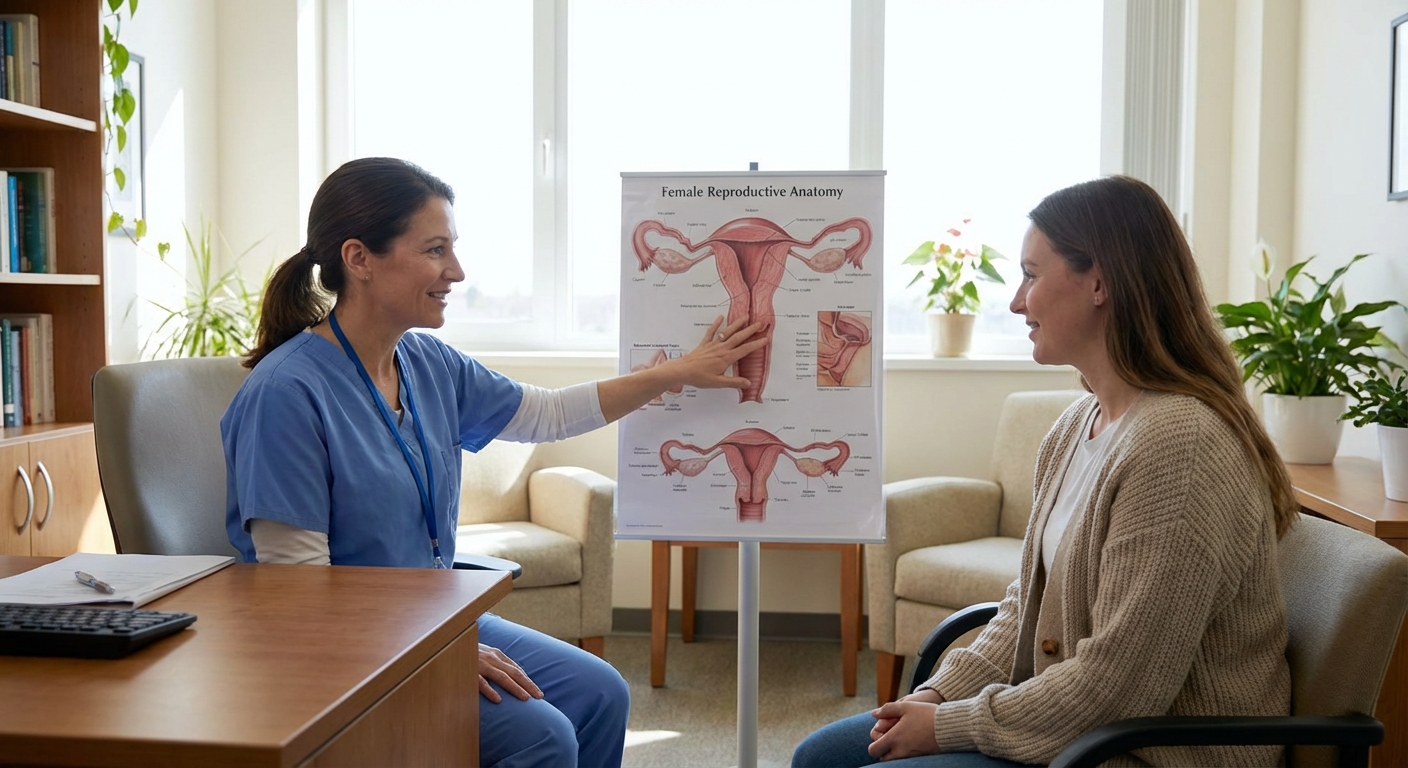
- Physical discomfort – rubbing or pulling with tight clothes, exercise, or sex.
- Functional concerns – some people feel their clitoris is “too covered” and hard to stimulate.
- Aesthetic/psychological reasons – wanting a certain look or feeling self-conscious.
What it’s not: it’s not a magic “better orgasms” button, and it’s definitely not a procedure to take lightly.
Who Might Consider It (And Who Probably Shouldn’t)
When I tested my assumptions with a board-certified urogynecologist, she said something that stuck with me: “Most vulvas are normal. Many are just unfamiliar to their owners.” That reframed a lot.
Some people who might be appropriate candidates:- Those with documented hypertrophy (enlargement) of the clitoral hood causing irritation or hygiene issues
- People whose hood tissue traps moisture, leading to recurrent infections or chafing
- Patients with post-surgical or congenital asymmetry who experience real distress or functional problems
- Pressure from a partner to “look a certain way”
- Doing it purely because of porn or social media comparisons
- Underlying body dysmorphic disorder (BDD) or untreated anxiety/depression
- Expecting a guaranteed “orgasm upgrade”
Several surgeons I’ve interviewed insist on a mental health screening when someone seems hyper-focused on “perfect” genitals. And honestly, that’s a good sign.
How the Procedure Works: Step-by-Step Overview
When I dug into the surgical technique details, I realized why you must be extremely picky about your surgeon.
Most clitoral hood reductions are done as outpatient procedures under local anesthesia with sedation or general anesthesia. Here’s the general flow:
- Consultation
- Full vulvar exam, plus photos for planning (with consent).
- Discussion of goals: more comfort? less tissue? improved access to the clitoris?
- Surgeon explains the realistic range of change—they can’t redesign anatomy from scratch.
- Marking the hood
Before surgery, the surgeon literally draws lines on the hood to decide exactly which tissue to remove. Tiny changes here matter a lot.
- Incision and tissue removal
Common approaches:
- Central resection: skin is removed from the midline of the hood.
- Lateral (side) excisions: skin is removed from one or both sides to preserve the natural midline fold.
The clitoral glans itself is not cut. That’s critical. Any manipulation is around it, not into it.
- Closure
Very fine absorbable sutures are used. Surgeons aim to avoid tension on the clitoris and protect nerves.
- Duration
It usually takes 45–90 minutes, especially if combined with labiaplasty.
Experienced surgeons are obsessed with nerve preservation. The dorsal nerve of the clitoris runs very close to the surgical field, and damaging it can mean long-term numbness or altered sensation.
Potential Benefits (When It Goes Well)
When I spoke to people who were genuinely happy with their clitoral hood surgery, their feedback sounded like this:
- “Leggings don’t rub painfully anymore.”
- “I’m less self-conscious with partners.”
- “It’s easier for me to get direct stimulation in the way I like it.”
Potential benefits include:
- Reduced chafing and irritation from clothing or movement
- Easier access to the clitoris during sex or masturbation (for some people)
- Cosmetic satisfaction, which can sometimes improve sexual confidence
One study in Aesthetic Surgery Journal (Goodman et al., 2010) reported high satisfaction rates with vulvar cosmetic procedures, including clitoral hood reduction, but it’s worth noting: most of these studies come from surgeons who perform the surgery, so there’s a built-in bias.
Real Risks and Complications You Need to Know
This is where the marketing gloss often fades.
Based on medical literature and conversations with surgeons, possible risks include:
- Loss or change in sensation
Numbness, hypersensitivity, or patchy feeling changes around the clitoris. Sometimes temporary, sometimes not.
- Painful scar tissue
Scar bands can tug on the hood or clitoris, making arousal or even walking uncomfortable.
- Over-resection (too much tissue removed)
This is a big one. If the hood is reduced too aggressively, the clitoris can be constantly exposed, which for some feels like relentless overstimulation or burning.
- Infection and wound breakdown
The vulva is a moist, high-friction area. Poor hygiene or smoking increases risks.
- Asymmetry or cosmetic disappointment
Vulvas are naturally asymmetric, and surgery doesn’t magically equalize them.
Professional societies like the American College of Obstetricians and Gynecologists (ACOG) have repeatedly urged caution around female genital cosmetic surgery—especially in minors—because of limited long-term data and ethical concerns about body image pressures.
I’ve interviewed one woman who told me, “I went in wanting to feel more, but I came out feeling less—and no one warned me that was even possible.” Stories like hers are why this procedure should never be sold as a casual tweak.
Recovery: What It Actually Feels Like
When I asked patients about recovery, almost everyone said some version of: “I underestimated how much I’d be aware of my vulva 24/7.”
Typical recovery timeline (varies by person and procedure):- First 3–5 days
Swelling, bruising, stinging with movement or urination. Cold packs over underwear (not directly on skin) and prescription pain meds or NSAIDs are common.
- 1–2 weeks
Walking is okay but slow. Many people work from home or take time off. Loose cotton underwear becomes your best friend.
- 4–6 weeks
Most external healing is well underway. Sutures dissolve. Light exercise may resume if your surgeon clears it.
- 6–8+ weeks
Usually the window when penetrative sex and intense exercise are allowed again, depending on healing.
Realistic recovery tips I’ve heard repeatedly:
- Get a handheld mirror and get comfortable checking your healing.
- Use a peri bottle (squeeze bottle) with lukewarm water when peeing to reduce stinging.
- Strictly avoid tight pants, thongs, or anything that rubs.
- Follow aftercare instructions religiously—especially on hygiene and activity limits.
Nerve-related sensations can evolve for months. Some people report tingling or electric zaps as nerves heal.
How to Choose a Surgeon (And Protect Yourself)
When I tested clinic websites against what experts actually advise, the gap was huge. A pretty website doesn’t equal skill.
Key things to look for:
- Board certification in plastic surgery, gynecology, or urogynecology
- Specific, clear experience with vulvar procedures (not just “vaginal rejuvenation” buzzwords)
- Before-and-after photos that look realistic, not identical or over-edited
- Willingness to discuss risks and alternatives, not just benefits
- Comfort with you bringing questions—even hard ones
Questions worth asking directly:
- How many clitoral hood reductions have you done in the past year?
- What’s your complication rate, especially regarding sensation changes?
- Do you ever refuse patients, and why?
- What’s your revision policy if I’m unhappy with the outcome?
If a surgeon promises zero risk to sensation or guarantees better orgasms, that’s your cue to stand up and walk out.
Alternatives to Surgery You Might Want to Explore First
This is something I’ve seen over and over: some people feel better with education, therapy, and non-surgical tweaks—no scalpel needed.
Potential alternatives:
- Sex therapy or counseling for concerns about arousal, orgasm, or performance anxiety
- Pelvic floor physical therapy if pain, tension, or pelvic discomfort are part of the picture
- A session with a sex-positive gynecologist to talk through anatomy, normal variation, and what’s actually “excess” vs just different
- Experimenting with positions, lubrication, and stimulation techniques before deciding your body is the problem
More exposure of the clitoris doesn’t automatically equal better orgasms. For some, too much exposure is actually overwhelming or painful.
The Bottom Line: Slow, Informed, and Honest with Yourself
Whenever I write about clitoral hood reduction, I come back to two truths:
- Your discomfort is real. If your hood tissue hurts, chafes, or deeply bothers you, you’re allowed to explore options without shame.
- Surgery is permanent. You can’t “try on” a smaller hood and return it if it’s not your style.
If you’re considering this:
- Start with a frank conversation with a trusted gynecologist.
- Seek at least two consultations—ideally with surgeons who aren’t in the same practice.
- Work on body literacy: understand your anatomy, your pleasure, and your expectations.
I recently discovered that the most empowering stories aren’t always “I got the surgery and loved it.” Sometimes they’re “I learned more about my body, explored other paths, and decided I didn’t need surgery after all.” Both outcomes are valid—as long as they’re informed, not rushed, and genuinely yours.
Sources
- American College of Obstetricians and Gynecologists – Elective Female Genital Cosmetic Surgery - ACOG’s position and cautions on cosmetic vulvar procedures.
- Goodman MP et al., Aesthetic Surgery Journal (2010) - Study on female genital plastic and cosmetic surgery, including satisfaction and outcomes.
- Mayo Clinic – Labiaplasty and Genital Cosmetic Surgery Overview - General explanation of female genital cosmetic surgery from a major medical center.
- Cleveland Clinic – Clitoral Hood Reduction and Labiaplasty - Describes procedures, risks, and recovery for vulvar surgeries.
- NHS (UK) – Female Genital Cosmetic Surgery - Balanced overview of female genital cosmetic procedures, ethics, and limitations.