Guide to coping with panic attacks
denly my heart started pounding so hard I was sure people could hear it. My chest tightened, my hands went numb, and my brain instantly screamed: “You’re about to die.”
Spoiler: I didn’t. But it absolutely felt like I was.
If you’re reading this, you might know that feeling way too well. This guide is exactly what I wish someone had handed me after my third 3 a.m. “I’m-going-to-the-ER” moment that turned out to be panic and not a heart attack.
I’m not your doctor, therapist, or emergency service. I am someone who’s dealt with panic attacks for years, dug into the research, worked with mental health professionals, and stress-tested a lot of coping strategies on my own nervous system.
What a panic attack actually is (and isn’t)
In my experience, understanding what’s happening in my body reduced my fear by at least 30%.
A panic attack is a sudden surge of intense fear or discomfort that peaks within minutes. Common symptoms include:

- Racing heart
- Shortness of breath
- Chest pain or tightness
- Sweating or chills
- Shaking or trembling
- Nausea or dizziness
- Feelings of unreality (derealization) or feeling detached from yourself (depersonalization)
- Fear of losing control, going crazy, or dying
The DSM-5 (the big diagnostic manual psychiatrists use) describes panic attacks as a cluster of these symptoms that spike rapidly, often "out of the blue." They’re driven by the fight-or-flight system misfiring when there’s no real danger.
When I first read about this fight-or-flight cascade — adrenaline dump, increased heart rate, rapid breathing to get more oxygen — something clicked. My body wasn’t trying to kill me; it was trying (clumsily) to protect me from a threat that didn’t exist.
The terrifying heart-attack confusion
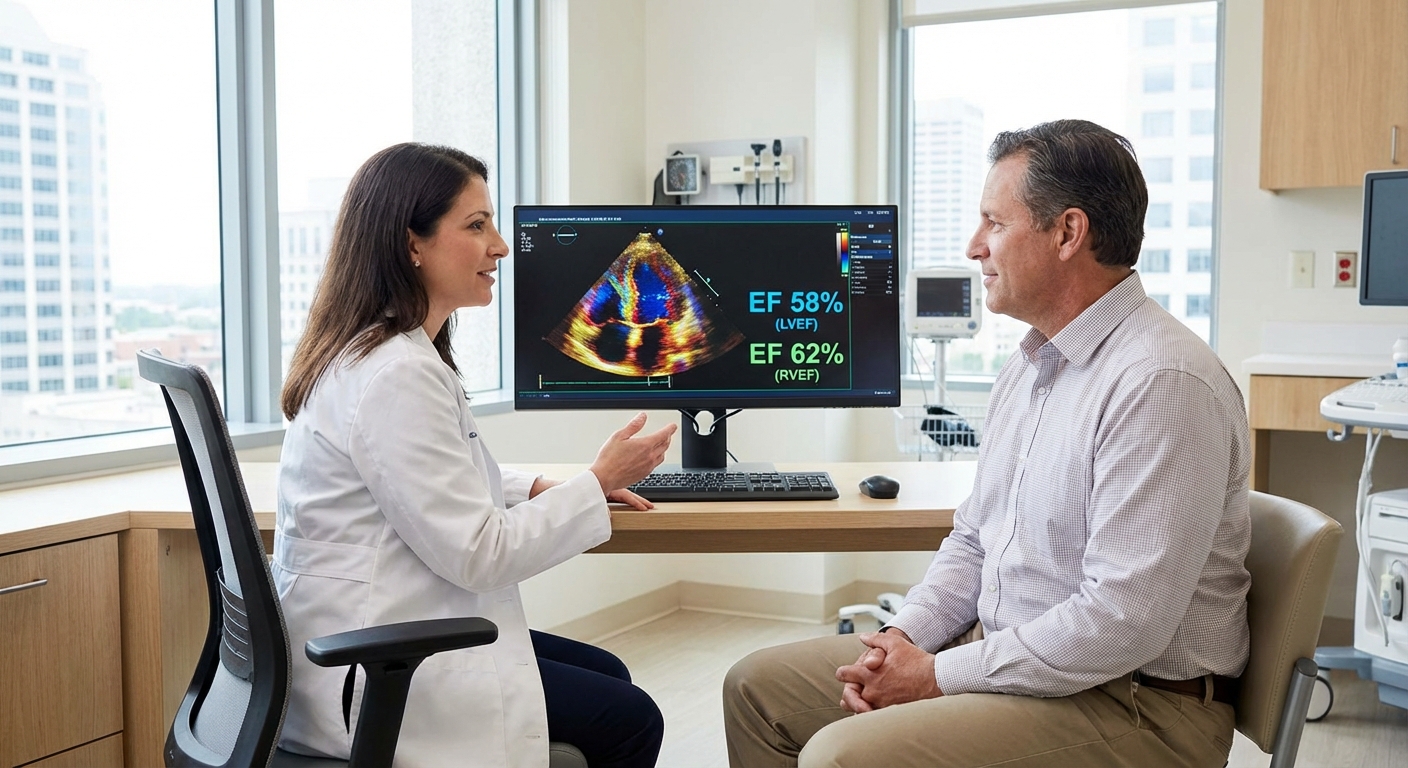
I’ve gone to the ER twice thinking I was having a heart attack. I’m not alone: a 2005 study in The American Journal of Medicine found that up to 25% of patients who show up in emergency departments with chest pain actually meet criteria for panic disorder.
Here’s the honest part: you can’t self-diagnose safely the first time. If you’ve never been medically checked, it makes sense to see a doctor or go to urgent care. Once a medical professional has ruled out physical causes, then you can start building a game plan for managing panic.
What helps in the moment (tools I’ve actually used)
When I tested different coping strategies, a few consistently worked better than others. None of these are magic cures, but they can take the edge off and help you ride the wave instead of being crushed by it.
1. Label it: “This is a panic attack, not death.”
Sounds too simple, but cognitive reappraisal is a real thing. When I feel the first jolt of fear, I literally tell myself (sometimes out loud):
> “Okay, this is a panic attack. My body is having a false alarm. This feels dangerous, but it isn’t.”
Research from neuroimaging studies (like those summarized by UCLA psychologist Matthew Lieberman) shows that putting feelings into words can dampen activity in the amygdala, the brain’s fear center.
2. The 4-4-6 breathing reset
When I tested different breathing methods, this one gave me the most noticeable drop in symptoms:
- Inhale through your nose for 4 seconds
- Hold for 4 seconds
- Exhale slowly through pursed lips for 6 seconds
Do this for about 2–3 minutes.
Why it works: slow, elongated exhalation activates the parasympathetic nervous system (the rest-and-digest system). A 2017 study in Frontiers in Human Neuroscience found that slow breathing around 6 breaths per minute can significantly reduce anxiety and improve heart rate variability.
3. Grounding with the 5–4–3–2–1 method
When my thoughts go into catastrophe mode, I use this sensory checklist:
- 5 things you can see
- 4 things you can feel
- 3 things you can hear
- 2 things you can smell
- 1 thing you can taste
I once did this while stuck on a packed subway, convinced I’d pass out. Halfway through naming textures on people’s coats and the sound of the train, my brain basically went, “Oh, we’re not dying, we’re just weirdly observant right now.” The panic dial turned down a few notches.
4. “Surfing” the wave instead of fighting it
One therapist taught me to think of panic like a wave: it rises, peaks, and always falls. Most panic attacks peak within 10 minutes.
My script now is:
> “Okay, body, do your thing. I’ll just be here watching. This will peak and pass.”
Acceptance and Commitment Therapy (ACT) and certain CBT protocols use this idea of allowing sensations instead of fighting them. Counterintuitive, but when I stopped trying to crush the feelings, they actually passed faster.
5. Small physical “anchors”
Different tricks work for different people, but these have helped me:
- Pressing my feet hard into the ground
- Holding something cold (ice cube, cold can, metal water bottle)
- Light stretching or shoulder rolls
These don’t cure panic, but they give your brain competing sensory input so it’s not 100% locked on fear signals.
Longer-term strategies that changed the game for me
Once I stopped chasing quick fixes and looked at patterns, things shifted. Panic attacks became rarer and less intense.
Cognitive Behavioral Therapy (CBT)
CBT is the gold standard for panic disorder. The American Psychological Association and multiple meta-analyses back this up.
In CBT sessions, I:
- Tracked what triggered my panic (caffeine, lack of sleep, crowded spaces)
- Wrote down my automatic thoughts: “I’ll faint,” “I’ll go crazy,” “People will see me lose it”
- Tested those thoughts against reality and past experience
The part I resisted most but helped the most: exposure exercises. My therapist had me deliberately do things that mimicked panic sensations — like jogging in place to raise my heart rate or spinning in a chair to feel dizzy — and then waiting without escaping.
Over time, my brain learned: “Fast heart rate doesn’t equal death. Dizziness doesn’t equal doom.”
Medication: pros and cons
I’ve used medication during rough stretches, and I’m glad it exists — but it’s not a one-size-fits-all answer.
Common options doctors may consider:
- SSRIs (like sertraline, escitalopram): Often first-line for panic disorder. They take weeks to work and may cause temporary side effects (nausea, jitteriness, sexual side effects). They’re meant for long-term management.
- Benzodiazepines (like lorazepam, alprazolam): Work fast but can cause dependence and tolerance. Most guidelines (like those from the National Institute of Mental Health) recommend short-term or occasional use, not daily forever.
In my experience, meds were like stabilizers on a bike while I learned CBT and lifestyle tools. Helpful, but they worked best with therapy, not instead of it.
Lifestyle: boring but powerful
Not glamorous, but my panic attacks dropped noticeably when I:
- Reduced caffeine (especially energy drinks and strong coffee)
- Prioritized sleep (consistent bedtime + screens off earlier)
- Got regular movement (not hardcore workouts; even brisk walks helped)
- Ate actual meals instead of living on sugar and vibes
There’s growing evidence that physical health and panic/anxiety are tightly linked. For example, poor sleep is strongly associated with higher anxiety and emotional reactivity.
When coping strategies don’t work (and what that means)
I wish I could say that once I found my toolkit, panic disappeared forever. It didn’t.
Sometimes the breathing doesn’t help much. Sometimes the grounding feels flat. Sometimes the best I can do is ride it out and be kind to myself afterward.
That doesn’t mean you’re failing, or that the tools are useless. Panic is influenced by hormones, stress, life events, even seemingly random brain chemistry shifts.
Here’s when I’ve personally found it necessary to reach back out for professional help:
- Panic attacks start happening more frequently
- I’m avoiding normal things (driving, stores, public transport)
- I’m drinking more or using substances just to cope
- My world starts shrinking around my fear
Therapists, psychiatrists, and support groups have been part of my journey more than once. It’s not a linear “I fixed it and now it’s done” story. It’s more “I’ve learned how to live with a nervous system that occasionally overreacts, and most days, I’m actually okay.”
Quick reality check and reassurance
If you’ve had panic attacks, your brain may have convinced you that:
- You’re weak
- You’re broken
- You’re going crazy
From everything I’ve read, been told by professionals, and lived through myself, here’s the reality:
- Panic attacks are common. The National Institute of Mental Health estimates that panic disorder affects about 4.7% of U.S. adults at some point in their lives.
- They’re highly treatable, especially with CBT, sometimes medication, and lifestyle changes.
- They are not dangerous, even though they feel catastrophic.
You can have a life that’s bigger than your panic. Mine now includes flights, concerts, and crowded places I once avoided — not because I’m magically cured, but because I’ve learned how to cope when the alarm bells ring.
If panic is wrecking your days, you deserve support that goes beyond articles: a real human, ideally a trained professional, who can tailor tools to your brain and body. This guide is a starting map, not the whole journey.
You’re not alone, you’re not broken, and your nervous system isn’t the enemy — it’s just a really intense bodyguard that sometimes mistakes cereal aisles for war zones.
Sources
- National Institute of Mental Health – Panic Disorder - Overview of symptoms, prevalence, and treatments for panic disorder
- Mayo Clinic – Panic attacks and panic disorder - Clinical description, risk factors, and treatment options
- Harvard Health Publishing – Understanding the stress response - Explanation of the fight-or-flight system and its effects on the body
- NHS (UK) – Panic disorder - Public health guidance on symptoms, diagnosis, and management
- American Psychological Association – Panic Disorder - Professional perspective on psychological treatments and evidence-based approaches