Guide to Coping With Panic Attacks and Panic Disorder
tarted slamming in my chest like I’d sprinted up ten flights of stairs. My hands went numb, my vision blurred at the edges, and I was absolutely convinced I was about to die right there between the yogurt and the orange juice.
Spoiler: I didn’t die. I had a panic attack.
Back then I had no idea what a panic attack really was, or how panic disorder works. I just knew I wanted it to stop. So I went down the research rabbit hole, tested every grounding trick I could find, spoke to therapists, and tracked what actually helped vs. what just sounded nice on Instagram.
This guide is that mash-up: real experience, solid science, and zero fluffy nonsense.
What a Panic Attack Actually Is (And Isn’t)
In my experience, panic attacks feel like your body is pulling the fire alarm when there’s no actual fire.
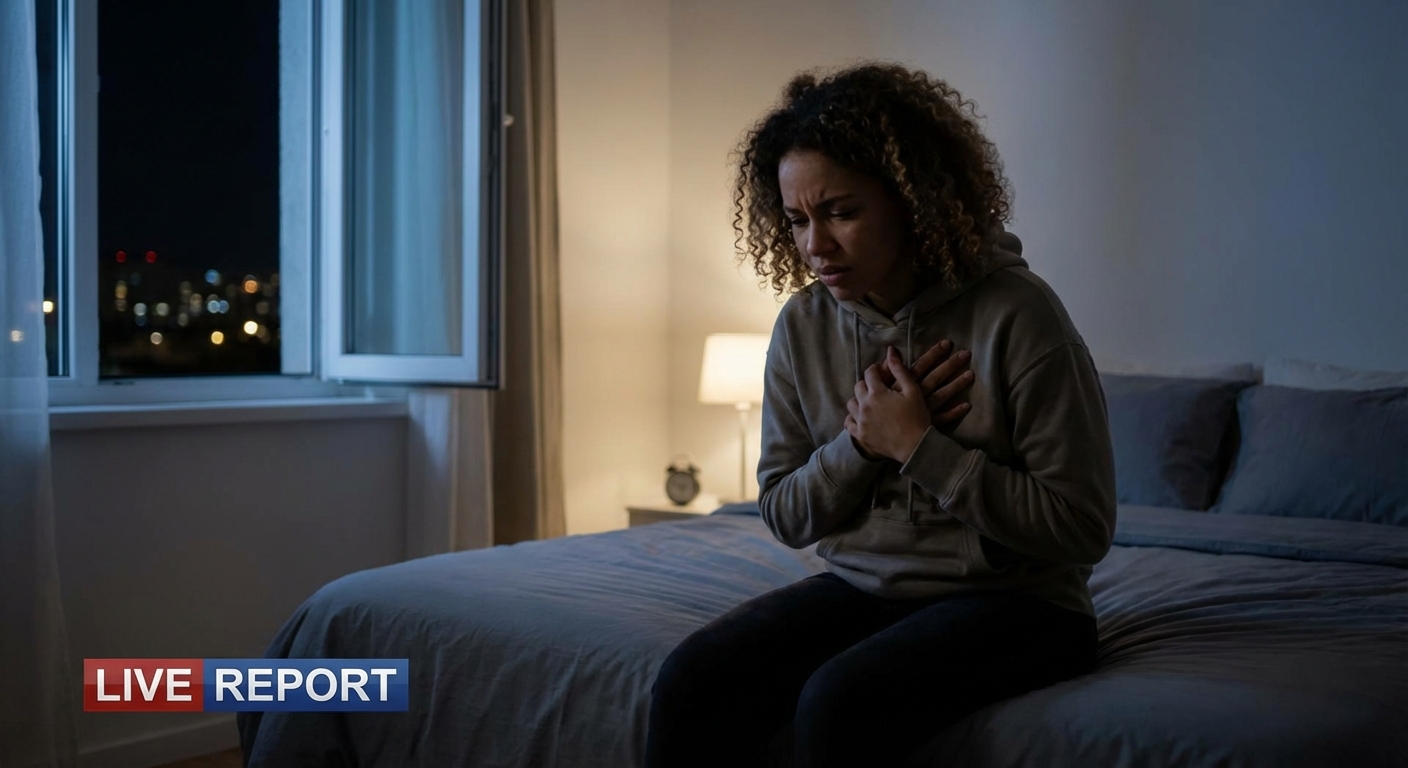
Clinically, a panic attack is a sudden surge of intense fear or discomfort that peaks within minutes. The American Psychiatric Association lists symptoms like:
- Pounding or racing heart
- Sweating, shaking
- Shortness of breath or feeling like you can’t breathe
- Chest pain or tightness
- Nausea, dizziness, feeling faint
- Numbness or tingling
- Chills or hot flashes
- Feeling detached from yourself (depersonalization) or reality (derealization)
- Fear of losing control, "going crazy," or dying
You don’t need all of these for it to be a panic attack. When I’m in it, my main duo is: heart going wild + tingling hands + absolute conviction I’m about to pass out.
Panic disorder is the next level: it’s when you have recurrent unexpected panic attacks and you start living in fear of the next one—often avoiding places or situations just in case.A key thing I had to learn the hard way: panic attacks are not dangerous to your heart or brain in healthy people. Terrifying? Yes. Deadly? Almost never.
What’s Going on in Your Body (The Science-y Part That Helped Me Calm Down)
When I finally sat down with a therapist who specialized in anxiety disorders, she drew me a little diagram of the brain. Nothing fancy. Just:
- The amygdala (your threat detector)
- The prefrontal cortex (the rational “hey, we’re fine” part)
- The stress response system (fight/flight)
During a panic attack, your amygdala basically hits the red button. Adrenaline surges, your heart rate spikes, breathing speeds up, blood shifts toward big muscles, and digestion slows. It’s the same mechanism that would help you sprint away from a tiger.
Except… the “tiger” is usually something like a crowded bus or a weird body sensation.
Once I understood this as a misfiring survival system, it became a bit less mystical and a bit more mechanical. My inner dialogue shifted from “I’m dying” to “My nervous system is overreacting again; it’ll crest and pass.” That shift alone took the fear down a notch.
My First Line of Defense: What I Do During a Panic Attack
When I tested different coping strategies, some were honestly useless for me, and others were game-changers. Here’s what actually stuck.
1. The 30-Second Reality Check
The moment I notice the wave building, I quietly ask myself:
> “Have I had this exact feeling before and survived?”
For me, the answer is always yes. That doesn’t magically erase the sensations, but it undercuts the catastrophic story my brain is trying to tell.
2. Controlled Breathing (But Not the Overdoing-It Version)
Deep breathing sounds cliché because everyone parrots it, but it really does affect the autonomic nervous system—if you do it right.
What works best for me is paced breathing:
- Inhale through the nose for 4 seconds
- Exhale through the mouth for 6 seconds
- Repeat for at least 10–15 breaths
When I first tried this, I accidentally hyperventilated by breathing too big and too fast. The trick is slow and gentle, not forceful gulps of air.
There’s research backing this up: studies on slow, diaphragmatic breathing show reductions in sympathetic (fight-or-flight) activation and improvements in heart rate variability, which is linked to resilience to stress.
3. Physical Grounding (What I Do With My Hands)
If I’m in public and feel that familiar surge, I quietly do grounding:
- Press fingertips together and notice the pressure
- Feel my feet in my shoes—soles, socks, contact with the ground
- Touch something textured (keys, bag strap, clothing seam)
Sometimes I use the classic 5–4–3–2–1 method:
- 5 things I see
- 4 things I feel
- 3 things I hear
- 2 things I smell
- 1 thing I can taste
Is it magical? No. But when I consistently practiced it, the peaks got shorter and a bit less violent. It gave my brain something non-doom-related to focus on.
4. Staying Put… When I Want to Run
When I started having panic attacks, I’d bolt—leave the store, cancel the meeting, hop off the bus early. That “escape” felt good in the moment but kept teaching my brain:
> “That place is dangerous. Running away saved you.”
With my therapist, I experimented with staying in the situation long enough for the panic to naturally crest and fall. The first few times were brutal, not gonna lie. But over time, my brain stopped linking certain places (queues, tight spaces, crowded rooms) with catastrophe.
Long-Term Strategies That Actually Helped My Panic Disorder
Coping with a single attack is one thing. Reducing how often they show up is another.
1. Cognitive Behavioral Therapy (CBT)
When I tested CBT with a licensed therapist, it felt like getting the user manual for my own brain.
CBT for panic disorder usually includes:
- Psychoeducation – understanding how panic works
- Cognitive restructuring – challenging thoughts like “I’m going to die,” “I’ll lose control,” “Everyone will see I’m broken”
- Interoceptive exposure – intentionally triggering mild panic sensations in a safe setting (e.g., spinning in a chair to feel dizzy, or running on the spot to raise heart rate) and learning they’re not deadly
The interoceptive exposure part sounded insane to me at first—"Why would I choose to feel this?" But when I tried it, it slowly broke the link between body sensations and automatic terror.
Research backs this up: CBT is considered a first-line treatment for panic disorder by the American Psychological Association and shows strong, long-term results in multiple clinical trials.
2. Medication: The Pros and Cons I’ve Seen
I’ve personally tried medication under a psychiatrist’s supervision, and my experience was mixed but overall positive.
Common options:
- SSRIs (like sertraline, escitalopram): often first-line meds for panic disorder
- SNRIs (like venlafaxine): sometimes used when SSRIs aren’t enough
- Benzodiazepines (like alprazolam, clonazepam): fast-acting but with dependence and tolerance risks
- Lowered my baseline anxiety, so I wasn’t living in constant “what if?” mode
- Made therapy easier because I wasn’t flooded with fear every session
- Initial side effects (nausea, jitteriness, weird sleep) for the first couple of weeks
- Benzos worked almost too well; it was tempting to lean on them as a crutch instead of building skills
Medication can be a lifesaver, but it’s not a moral requirement. Some people do great with CBT alone, some with meds, some with a combo. I’m wary of anyone who claims one single magic fix.
3. Lifestyle Tweaks That Were Surprisingly Big
These things didn’t cure panic for me, but they nudged the dial in the right direction:
- Caffeine: When I tracked my attacks, they often came after a strong coffee on an empty stomach. Cutting back to one mild coffee and no energy drinks noticeably helped.
- Sleep: On 4–5 hours of sleep, my nervous system is like dry tinder waiting for a spark. Prioritizing half-decent sleep made me less reactive.
- Regular movement: Not hardcore workouts—just walking, light weights, yoga. There's research showing exercise can reduce anxiety symptoms and improve stress resilience.
- Alcohol: The “fun” evening drink often came with a 3 a.m. spike of anxiety for me. Reducing alcohol shrank those spikes.
None of these are groundbreaking, but when I combined them, the frequency and intensity of my panic attacks dropped.
When Panic Starts Taking Over Your Life
There was a point where I started avoiding:
- Public transport
- Long lines
- Airplanes
- Even sitting in the middle of a row at the cinema
That’s when my therapist gently said, “We’re not just treating panic attacks now; we’re treating the fear of fear.”
If you’re canceling plans, changing commutes, or structuring your life around “what if I panic there,” that’s a pretty strong signal to get professional support.
Signs it’s time to reach out:
- Attacks are frequent or unpredictable
- You constantly worry about having another
- You avoid places or situations just in case
- You’re scared there’s something medically wrong but tests keep coming back clear
A good starting point is your primary care doctor, who can rule out physical causes (thyroid issues, heart conditions, etc.) and refer you to a mental health specialist.
Things That Didn’t Really Help Me (But Sounded Good Online)
Just to be honest about the misses:
- "Just think positive" – Panic isn’t a bad mood you can affirm away. It’s a full nervous system event.
- Only using distraction – Scrolling my phone, watching videos, or playing games helped in the moment, but if that’s all I did, nothing improved long-term.
- Avoiding everything that scared me – Short-term relief, long-term prison.
What consistently helped me over time was facing the sensations and situations with support and structure, not running from them.
You’re Not Broken, Your Alarm System Is Just Extra Sensitive
If your body has ever gone into full meltdown mode over nothing more dangerous than a grocery store aisle, I know how humiliating and scary that can feel. But after years of dealing with this, reading the research, talking with clinicians, and experimenting on myself, here’s the core truth I keep coming back to:
You’re not weak, dramatic, or defective. You just have a nervous system that’s a little too trigger-happy with the alarm.
With the right mix of:
- Understanding what panic is
- Skills you can lean on during an attack
- Therapy (especially CBT, sometimes with medication)
- Gentle lifestyle adjustments
…the volume really can turn down. For me it didn’t vanish overnight, but the attacks went from “this will kill me” to “ugh, this again, I know the drill.” That’s a huge shift.
If your panic attacks feel out of control, reaching out for professional help isn’t a failure; it’s exactly what people with treatable conditions do. And panic disorder, despite how intense it feels, is very treatable.
You deserve a life where your world isn’t run by a faulty alarm.
Sources
- National Institute of Mental Health – Panic Disorder – Overview of symptoms, causes, and treatments from a U.S. government agency.
- Mayo Clinic – Panic Attacks and Panic Disorder – Clinical explanation of diagnosis and management.
- American Psychological Association – Understanding and Treating Panic Disorder – Details on CBT and evidence-based approaches.
- Harvard Health – The Power of Deep, Slow Breathing – How breathing techniques influence the stress response.
- NHS – Panic Disorder – UK National Health Service guidance on symptoms and treatment options.