Guide to Dental Clips and Removable Tooth Replacement Options
The first time I smiled in a photo after my premolar cracked and had to be removed, all I could see was that gap. Chewing on the left side felt weird. I caught myself covering my mouth when I laughed. That’s when I went down the rabbit hole of dental clips, flexible dentures, flippers, and every removable tooth option you can imagine.
What I learned (and later confirmed with a prosthodontist friend) is that removable tooth replacements have come a long way from those clunky pink plates your grandparents used to soak in a glass.
This guide is everything I wish I’d had when I started: personal experience, real pros and cons, and zero fluffy promises.
What Are “Dental Clips” Anyway?
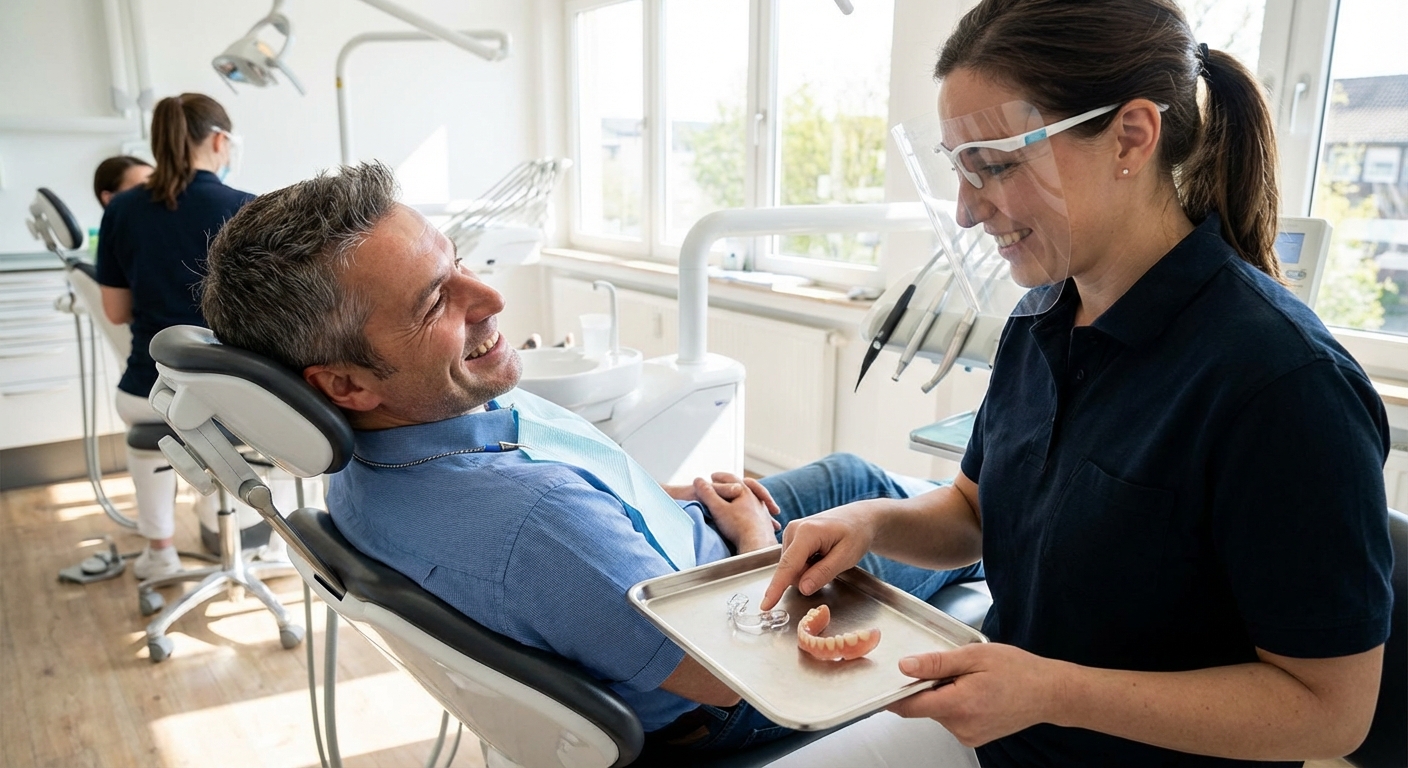
When people say “dental clips”, they’re usually talking about removable partial dentures that literally clip onto your existing teeth. You might also hear:
- Clips or clasp dentures – because they have metal or tooth-colored clasps
- Flexible partials – softer, gum-colored base that wraps around teeth
- Snap-on teeth / clip-on veneers – cosmetic, not true functional replacements
When I tested a clip-on partial for my missing premolar, it had:
- A small acrylic tooth matching my natural shade
- A gum-colored base that sat against my palate
- Metal clasps that hugged two neighboring teeth
I literally “clipped” it into place with my fingers. No drills, no surgery, no long recovery.
Why People Choose Removable Tooth Options
In my experience, the people sitting in a dental chair deciding between an implant and a removable option usually care about three things:
- Cost – Implants can run $3,000–$6,000 per tooth in the U.S. A removable partial is often a fraction of that.
- Fear of surgery – Not everyone is up for an implant screw in the jawbone.
- Time – Implants can take months from extraction to final crown. A flipper or partial can be made pretty quickly.
When I was quoted both implant and removable partial options, the timeline and price difference were honestly shocking. That’s when I started digging into every removable choice available.
Main Types of Removable Tooth Replacement
Let’s break down the most common options, including where my own experience lines up (and where it didn’t).
1. Traditional Partial Dentures (with Clips/Clasps)
These are the classic “dental clips” most dentists mean.
What they are:Removable appliances that replace one or more missing teeth, using a rigid acrylic or metal framework that clips onto your natural teeth.
Pros (from my testing and what dentists shared):- More affordable than implants or bridges
- Can be adjusted or remade as your mouth changes
- Non-surgical, quick to make (often a few weeks)
- Can replace multiple teeth in different areas with one appliance
- Metal clasps can show when you smile (this bugged me more than I expected)
- Can feel bulky at first – I had a lisp for about 3 days
- Can trap food; you need good cleaning habits
- May put extra stress on the supporting teeth
Dentally speaking, these rely on abutment teeth and retentive clasps to stay in place. A prosthodontist I spoke to pointed out that design quality matters a lot – a poorly designed partial can accelerate wear on those anchor teeth.
2. Flexible Partial Dentures
This is where things get more comfortable.
What they are:Made from a flexible material like nylon-based thermoplastic (Valplast and similar brands). They’re thinner, bend slightly, and the clasps are usually gum-colored.
When I tried a flexible partial, it felt more “natural” against my gums, and the clasps were way less visible.
Pros:- More discreet – clasps blend with gums
- Less bulky; adapts to the shape of your mouth
- Often more comfortable for people with bony ridges or sensitive gums
- No metal for those who dislike or are sensitive to it
- Harder to adjust or repair than rigid acrylic
- Not ideal if you have advanced gum disease or very mobile teeth
- Can stain if you’re lax with cleaning (coffee lovers, I’m looking at you)
Flexible partials don’t distribute forces quite the same way as metal-based frameworks, so they’re usually best for smaller spans of missing teeth, not a whole quadrant.
3. Flippers (Temporary Acrylic Partial Dentures)
A flipper sounds cute, but it’s basically the “band-aid” of tooth replacements.
What they are:Lightweight acrylic partials often used as temporary replacements after extractions or while you’re waiting for implants.
I wore a flipper for a short period between extraction and a more stable partial. It looked decent in photos but felt like a very thin retainer with a tooth glued on.
Pros:- Fast and relatively inexpensive
- Great for short-term aesthetics
- Can be made before extraction so you don’t walk around with a gap
- Not super durable – they can crack or break more easily
- Less stable for chewing; mine popped loose with sticky foods
- Can rub sore spots on the gums
Most dentists I’ve talked to are very clear: flippers are temporary, not a long-term solution.
4. Snap-On Veneers / Cosmetic Clip-On Teeth
This is the thing you see all over social media.
What they are:Thin shells that snap over your existing teeth to change the appearance of your smile. They’re not truly filling a missing space in a functional, load-bearing way.
Reality check (after a friend let me try hers):- They can look okay from a distance but often look bulky up close
- Eating with them is… not fun. Think soft foods only.
- They don’t stop bone loss where a tooth is missing
They can be a short-term cosmetic bandage for events or photos, but they’re not a medical-grade tooth replacement.
Removable Options vs Dental Implants and Bridges
I grilled my dentist pretty hard on this.
Implants
Pros:- Most stable, natural-feeling option
- Help preserve jawbone (the implant acts like a tooth root)
- Don’t rely on neighboring teeth
- Higher cost
- Require adequate bone and sometimes bone grafting
- Surgical, longer treatment time
A 2015 review in the Journal of Dental Research found implant survival rates over 90% after 10 years, which is pretty impressive.
Fixed Bridges
Pros:- Don’t come in and out; they’re cemented
- Good aesthetics and function
- Require drilling down neighboring teeth for crowns
- Don’t prevent bone loss in the gap under the bridge
For someone on a tighter budget, with health conditions that complicate surgery, or just not ready to commit to an implant, removable options can absolutely be a valid, dentist-approved path.
What It Actually Feels Like to Wear a Dental Clip
When I first put my partial in, I hated it for about 48 hours.
- My tongue kept poking at it
- My speech sounded off (I recorded a voice note just to check)
- Food tasted slightly different because part of my palate was covered
And then… my brain adapted.
By week two:
- I could speak normally
- I chewed on both sides again
- Friends stopped noticing anything at all
There’s almost always an adaptation period. Most dentists will tell you 1–2 weeks is normal for your mouth and brain to stop treating it like an intruder.
Maintenance: The Unsexy Part That Actually Matters
I learned this the hard way after falling asleep with my partial in one night.
Good habits my dentist drilled into me:- Remove your partial at night unless your dentist specifically says otherwise
- Rinse after meals to clear food debris
- Gently brush the appliance with a soft brush (no abrasive toothpaste)
- Soak it in a denture cleanser as recommended
- Keep up with regular cleanings and checkups
Why this matters: poorly cleaned partials can lead to gum inflammation, bad breath, and decay in the supporting teeth. I had some mild redness around one clasped tooth before I got serious about cleaning – and it resolved when I did.
Who Should Not Rely on Removable Options Long-Term?
From what I’ve seen (and based on research and dentist feedback), removable replacements might be a poor fit long-term if:
- You have severe gum disease and very mobile teeth – the clips can stress already compromised teeth
- You’re at high risk of aspiration (certain medical and neurological conditions)
- You’re unwilling to clean them properly – that’s a recipe for decay
Also, they don’t stop jawbone loss in the missing-tooth area the way implants can, because there’s no root-like structure stimulating the bone. Over years, that can change your bite and smile.
That doesn’t make them “bad.” It just means they’re part of a bigger long-term plan, not a magic fix.
How to Talk to Your Dentist About Dental Clips
When I finally felt confident in my decision, it was because I went into my appointment with actual questions, not just vibes. A few useful ones:
- “What are my removable options and what would you choose if this were your mouth?”
- “Can you show me examples of flexible vs metal-based partials you’ve made?”
- “How many years do your patients typically get out of a well-maintained partial?”
- “If I start with a partial now, can we plan for an implant later?”
A good dentist won’t push a single solution. They’ll walk through your budget, oral health, medical history, and comfort level and help you choose.
The Real Takeaway
Losing a tooth feels bigger than a tiny piece of enamel. It hits your confidence, your bite, even how you feel in photos.
From what I’ve lived and what the research backs up:
- Dental clips and removable partials are legitimate, medically sound options, not second-class citizens
- They have real downsides – bulk, maintenance, no bone preservation
- But for many people, they’re the bridge (literally and figuratively) between doing nothing and investing in implants later
If you’re staring at a gap in the mirror and feeling stuck, you’re not out of options. Just make sure your decision is based on facts, a real conversation with your dentist, and a plan that works for your life – not a one-size-fits-all TikTok trend.
Sources
- American Dental Association – Dentures - Overview of partial and full dentures, care, and expectations
- National Institute of Dental and Craniofacial Research (NIDCR) - Government information on tooth replacement options
- Mayo Clinic – Dental Implants - Details on implant procedure, risks, and benefits
- Cleveland Clinic – Dentures - Clinical explanation of denture types, pros, cons, and care
- Harvard Health – Missing teeth and your health - Discussion of health impacts of missing teeth and replacement options