Guide to Lung Cancer Treatment Options
alse hope. He wanted a straight, human explanation of what his options actually were.
Since then, I’ve sat in more than a few oncology consult rooms, asked the pushy questions, and dug through way too many journal articles at 2 a.m. This guide is everything I wish we’d had on day one: clear, honest, and grounded in what doctors and data actually say.
> Quick reminder: I’m sharing personal experience and research, not replacing your oncologist. Use this as a conversation starter, not a final verdict.
The Big Picture: How Lung Cancer Treatment Is Decided
When I started reading treatment plans, I realized lung cancer isn’t one disease. It’s more like a whole messy family of diseases.
Three things usually drive treatment decisions:
- Type of lung cancer
- Non–small cell lung cancer (NSCLC) – about 80–85% of cases.
- Small cell lung cancer (SCLC) – faster-growing, about 10–15%.
- Stage of the cancer
Stage I (small, localized) → Stage IV (spread to other organs). Staging controls almost everything about the plan.
- Tumor biology and biomarkers
When I tested this out by actually reading pathology reports (yes, I’m that person), I realized the “molecular profile” is like the cancer’s fingerprint:
- EGFR, ALK, ROS1, BRAF, KRAS mutations
- PD-L1 expression levels
- NTRK, MET, RET rearrangements, and more
These markers decide whether targeted therapy or immunotherapy are on the table.
Surgery: When Cutting It Out Makes Sense
One of the most hopeful moments I’ve seen is when a surgeon says, “We can remove this.” For early-stage NSCLC (I–II, sometimes IIIA), surgery can be potentially curative.
Common procedures:
- Lobectomy – Removing one lung lobe. This is the gold standard when possible.
- Segmentectomy or wedge resection – Smaller, for patients with limited lung function.
- Pneumonectomy – Removing an entire lung (big surgery, not taken lightly).
In my experience watching friends go through this, the pros and cons looked like this:
Pros- Best shot at long-term survival when the cancer is localized.
- Pathology after surgery gives super accurate staging.
- Major recovery: pain, breathing changes, fatigue that can last weeks to months.
- Not an option if the tumor is too spread out or if heart/lung function is poor.
I’ve seen minimally invasive approaches like VATS (video-assisted thoracoscopic surgery) and robotic surgery make recovery way easier than the old-school open chest surgeries, but they’re not always possible depending on tumor location and surgeon expertise.
Often, surgery is combined with adjuvant chemo or targeted therapy afterward to clean up microscopic cancer cells.
Radiation Therapy: Precision Beams vs. Cancer
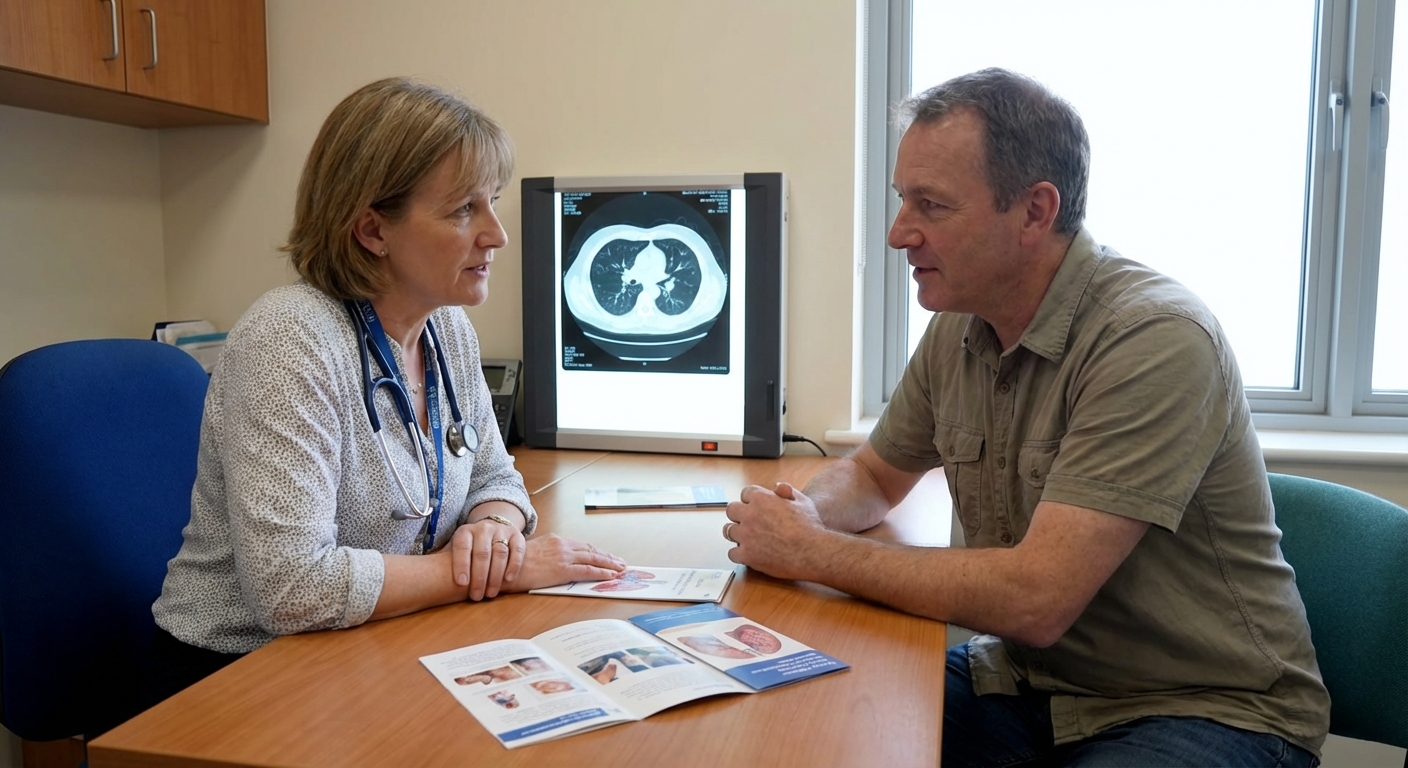
I used to think radiation was just “zapping” cells. Then I sat in on a planning session and watched a team argue over millimeters on a CT scan. It’s way more precise than people realize.
Types of radiation you’ll hear about
- External beam radiation therapy (EBRT) – Standard, used for both NSCLC and SCLC.
- Stereotactic body radiation therapy (SBRT) – Ultra-focused; often used in early-stage lung cancer when surgery isn’t possible. People sometimes call it “radiation surgery” (even though no incision is made).
- Prophylactic cranial irradiation (PCI) – In SCLC, used to lower the risk of brain metastases.
- As a curative option for small, localized tumors when surgery isn’t possible.
- Combined with chemotherapy for locally advanced cases.
- For palliation – easing pain, bleeding, or breathing issues in advanced stages.
Side effects I’ve personally seen:
- Short term: fatigue, skin irritation where beams enter, sore throat, cough.
- Longer term: scarring in lung tissue (radiation pneumonitis), swallowing issues, and rarely heart problems depending on the field.
The trade-off is very real: better control of the tumor vs. risk of long-term damage. A good radiation oncologist will walk you through the exact dose and why they picked it.
Chemotherapy: The Old Workhorse (Still Very Relevant)
Chemotherapy has a rough reputation, and yes, there are reasons. But when I dug into the data, what surprised me is how foundational it still is, especially for:
- Small cell lung cancer (SCLC)
- Advanced or metastatic NSCLC
- As adjuvant therapy after surgery
- Combined with radiation in locally advanced disease
Common regimens use a platinum agent (cisplatin or carboplatin) plus another drug like pemetrexed, paclitaxel, etoposide, or docetaxel.
Why doctors still lean on chemo:- It treats cancer cells throughout the body, not just in one spot.
- In SCLC, responses can be dramatic and fast.
- Nausea and vomiting (much better controlled than it used to be, thanks to modern antiemetics).
- Hair loss, fatigue, low blood counts.
- Neuropathy (numbness/tingling) and kidney issues with certain drugs.
One friend told me, “I hated chemo, but it bought me time to qualify for a trial I actually wanted.” That’s honestly how it functions now in many cases: part of a bigger strategy, not the only weapon.
Targeted Therapy: Treating the Cancer’s “On/Off Switches”
This is where lung cancer treatment got genuinely exciting for me.
When I first read about EGFR inhibitors (like erlotinib, gefitinib, and later osimertinib), I watched case reports where patients with advanced NSCLC had tumors shrink dramatically just from a pill.
Who qualifies for targeted therapy?
You need a specific mutation or rearrangement, confirmed by molecular testing:
- EGFR (epidermal growth factor receptor)
- ALK (anaplastic lymphoma kinase)
- ROS1, BRAF V600E, RET, MET exon 14, NTRK, HER2, etc.
Each of these has tailored drugs:
- EGFR: osimertinib
- ALK: alectinib, brigatinib, lorlatinib
- ROS1: entrectinib, crizotinib
- And so on, with new agents popping up in journals every year.
- Often oral pills, taken at home.
- Generally more tolerable than traditional chemo.
- Some people live years with stage IV disease, cycling through targeted options.
- They work only if your cancer has the right mutation.
- Tumors almost always develop resistance over time.
- Side effects are real: rash, diarrhea, liver issues, heart or eye side effects with certain drugs.
This is why I always tell people: push hard for comprehensive biomarker testing (not just one or two genes). It can completely reshape your treatment path.
Immunotherapy: Training Your Immune System to Fight
If you’ve heard TV commercials about lung cancer lately, you’ve heard of pembrolizumab (Keytruda) or nivolumab (Opdivo). These are immune checkpoint inhibitors.
They block proteins like PD-1, PD-L1, and CTLA-4 that normally act as brakes on the immune system. Removing those brakes lets T cells attack cancer cells more aggressively.
When I saw CT scans from patients who’d had immunotherapy, some looked almost unreal: bulky tumors melting away after years of progression. But it’s not a magic wand.
Who benefits most?
- Many advanced NSCLC patients, especially with high PD-L1 expression.
- Often used:
- Alone, or
- Combined with chemotherapy (chemo-immunotherapy)
- Some patients get deep, durable responses, measured in years, not months.
- Often easier day-to-day than chemo infusions.
- They don’t work for everyone. Some people get little or no response.
- Side effects can be sneaky and serious, called immune-related adverse events:
- Inflammation of lungs (pneumonitis), colon (colitis), liver (hepatitis), thyroid, skin, even heart.
- You can feel fine one week and suddenly have an inflamed organ the next.
This is why symptom reporting matters. One oncologist told a friend, “Don’t be a hero. Call me early.” That’s especially true with immunotherapy.
Clinical Trials: Not Just a Last Resort
When I first heard “clinical trial,” I pictured hail-Mary, last-chance medicine. That’s outdated.
Now, clinical trials often give access to:
- Next-generation targeted therapies
- New immunotherapy combos
- Novel approaches like antibody–drug conjugates
I’ve watched patients join trials early in treatment and get options they never would’ve had otherwise.
Practical notes from what I’ve seen:
- Trials have strict criteria; don’t take it personally if you don’t qualify.
- They’re usually at larger cancer centers or academic hospitals.
- You can search on ClinicalTrials.gov, but it’s dense. Ask your oncologist or a nurse navigator to help decode.
Supportive & Palliative Care: The Unsung Side of Treatment
One of the biggest mindset shifts I’ve had: palliative care is not giving up. It’s getting serious about quality of life.
I’ve seen palliative care teams:
- Control pain better than “just” the oncology team.
- Manage shortness of breath, fatigue, anxiety, and sleep issues.
- Help families talk about wishes and boundaries without everything turning into emotional shrapnel.
Supportive care can include:
- Medications for symptoms
- Oxygen therapy
- Nutritional support
- Pulmonary rehab
- Counseling or support groups
Research actually shows that early palliative care in lung cancer can improve both quality of life and sometimes survival. That totally flipped the script for me.
How to Advocate for Yourself (or Someone You Love)
When I tested this in real life with my friend, a few steps made a huge difference:
- Ask about your exact type and stage – Write it down.
- Push for full biomarker testing – EGFR, ALK, ROS1, BRAF, KRAS, RET, MET, NTRK, PD-L1, and any new standard-of-care markers.
- Get a second opinion at a major cancer center if you can. Good doctors don’t mind.
- Ask for plain-language explanations of goals: cure, control, or comfort.
- Discuss side effects up front – What’s likely? What’s an emergency?
The most empowering sentence I’ve heard a patient use:
“If this were your family member, what would you recommend and why?”It changes the tone of the room.
The Bottom Line
Lung cancer treatment options aren’t one-size-fits-all anymore. They’re a mix-and-match of surgery, radiation, chemo, targeted therapy, immunotherapy, and supportive care, guided by stage and molecular details.
I’ve seen people live well for years with stage IV disease that, a decade ago, would’ve been a near-immediate death sentence. I’ve also seen treatments fail, side effects hit hard, and plans change mid-course.
The real power move is staying curious, asking uncomfortable questions, and building a team you actually trust. If this guide helps you walk into your next appointment feeling 10% more prepared, it’s already done its job.
Sources
- National Cancer Institute – Non-Small Cell Lung Cancer Treatment (PDQ®) - Detailed professional guideline on NSCLC treatment options and evidence.
- American Cancer Society – Lung Cancer Treatment Types - Overview of surgery, radiation, chemo, targeted therapy, and immunotherapy.
- NCCN Guidelines for Patients: Non-Small Cell Lung Cancer - Patient-friendly guideline from the National Comprehensive Cancer Network.
- New England Journal of Medicine – Osimertinib in Resected EGFR-Mutated NSCLC (ADAURA Trial) - Key study on targeted therapy in early-stage lung cancer.
- Mayo Clinic – Immunotherapy for Cancer - Explanation of how checkpoint inhibitors work and their risks.