Guide to preparing for AFib ablation
he Macarena in my chest.
If you're reading this, there's a good chance someone just told you the same thing: “We should consider catheter ablation for your atrial fibrillation.”
When I first heard it, I went home, opened six tabs, read three horror stories, two miracle recoveries, and then doom-scrolled my way into a minor panic attack. Then I talked to an electrophysiologist, dug into actual research, went through the procedure myself, and helped a couple of friends prepare for theirs.
This is the guide I wish I’d had before my AFib ablation.
Quick refresher: what AFib ablation actually is
In plain language: AFib ablation is a procedure where an electrophysiologist (a cardiologist who specializes in heart rhythm disorders) threads thin catheters through veins into your heart and uses energy (usually radiofrequency heat or freezing with cryoablation) to create tiny scars.
Those scars block the abnormal electrical signals that cause atrial fibrillation.
In my experience, the big mindset shift was this: they’re not “fixing” your whole heart; they’re targeting the electrical wiring.
A few specifics your doctor probably mentioned, but it helps to repeat:
- It’s usually done via the femoral vein in your groin (sometimes the wrist too)
- You’re sedated or under general anesthesia, depending on the center and your situation
- The most common target is around the pulmonary veins – called pulmonary vein isolation (PVI)
- It often takes 2–4 hours, sometimes longer
According to the 2020 European Society of Cardiology guidelines, catheter ablation can significantly reduce AFib burden and improve quality of life, especially for symptomatic patients who haven’t done well with medications.
That’s the textbook version. Let’s talk about the real-world prep.
Step 1: Get brutally honest about your goals
When I tested my own expectations with my electrophysiologist, I realized I was secretly hoping for a magic off-switch for AFib. That’s… not how it really works.
Questions I ended up writing down and asking:
- “Are we aiming for fewer episodes, or complete elimination?”
- “What’s your success rate with patients like me? (my age, my type of AFib, my risk factors)”
- “What’s Plan B if this doesn’t work the first time?”
Most large studies show that for paroxysmal AFib (the on-and-off kind), 60–80% of patients remain free from recurrent AFib at 1 year after a single ablation, often higher with repeat procedures. For persistent AFib, success rates are lower and sometimes require staged ablations.
Once I heard my electrophysiologist say, “I’m not chasing perfection; I’m chasing a better life for you,” I stopped expecting a movie-style miracle and started preparing like an athlete going into a big race.
Step 2: Dial in your meds and testing before the big day
This is the least glamorous part, but it matters a lot.
Blood thinners (anticoagulation)
I was on apixaban (Eliquis) going into my ablation. The rule from my EP: do not stop it unless we specifically tell you to. Interrupting anticoagulation too close to the ablation can actually raise your stroke risk.
Many centers do “uninterrupted anticoagulation,” meaning you stay on your blood thinner right up to the procedure. Others may adjust timing. Let your team guide this — don’t freelance.
Imaging and pre-op tests
I had:
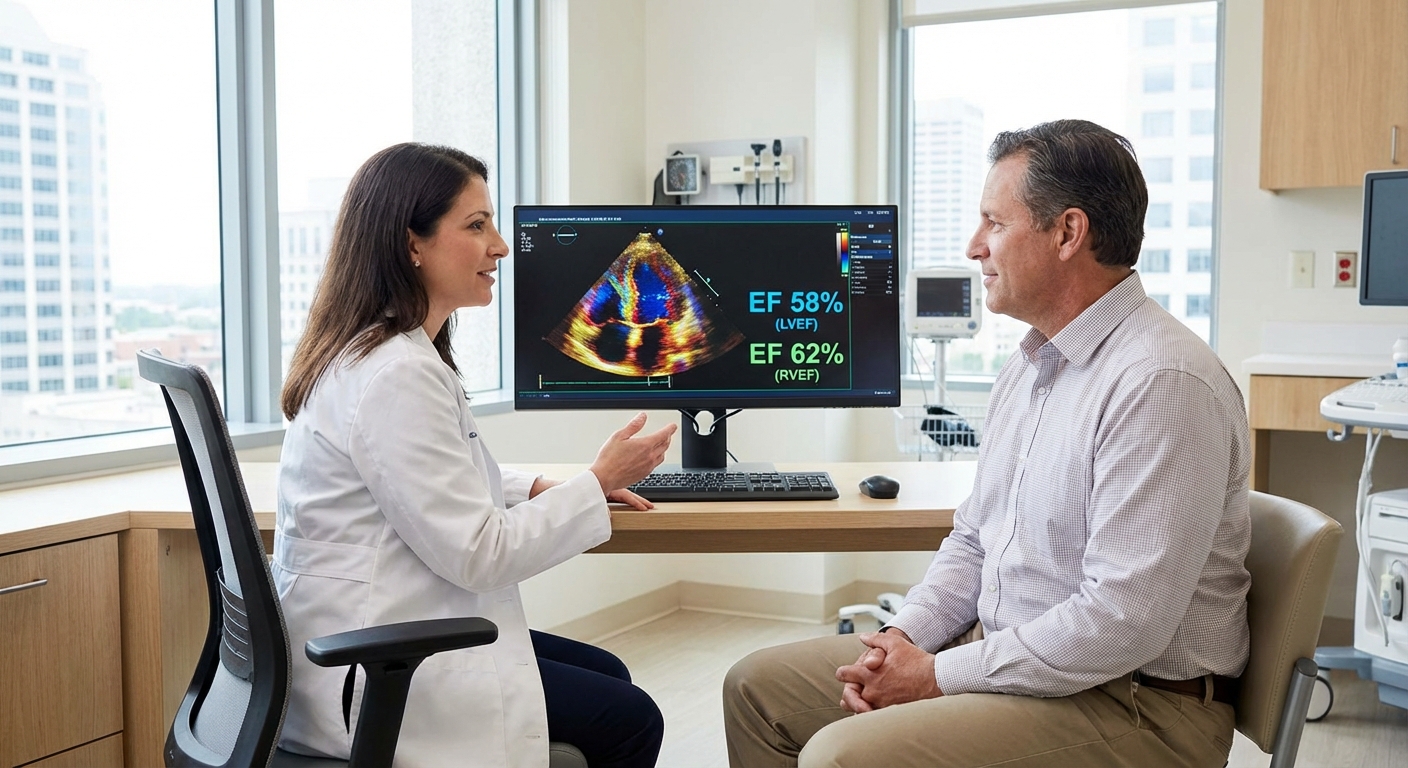
- A transthoracic echocardiogram (TTE) to check heart structure and function
- A transesophageal echo (TEE) the morning of the procedure to make sure there was no clot in my left atrium
- Standard blood work (kidney function, CBC, electrolytes)
Some centers use CT or MRI of the left atrium to build a 3D map before or during the procedure. In my case, they used an electroanatomical mapping system in the lab. Honestly, it felt like my heart got its own video game.
If you’re not sure what’s scheduled, ask directly: “What tests will I have before the ablation, and what are they looking for?”
Step 3: Prepare your body like it’s a short-term training camp
I didn’t suddenly become a triathlete, but I made specific changes for 2–3 weeks before my ablation that genuinely helped.
What helped me
- Dialing back alcohol and caffeine
I love coffee. My cardiologist didn’t ban it, but I cut down to one small cup a day and dropped alcohol entirely for a couple weeks. My AFib episodes were less chaotic, and I slept better going in.
- Gentle cardio, not hero workouts
I walked every day, 20–30 minutes, and did light stretching. No new bootcamps, no max heart rate nonsense. My rule: if it triggers palpitations, it’s not worth it this month.
- Sleep like it’s your second job
I set an actual bedtime alarm. Seven to eight hours, minimum. The link between poor sleep, sleep apnea, and AFib is very real; there’s solid evidence that treating sleep apnea improves ablation outcomes.
- Hydration and electrolytes
Not fancy powders, just consistent water and a bit of extra potassium and magnesium through food (bananas, spinach, nuts), within reason and after checking that my labs were normal.
What I wish I’d done sooner
I waited too long to ask for a sleep study. When I finally did it months later, I turned out to have mild sleep apnea. Many electrophysiologists now say untreated sleep apnea is a major reason ablations “don’t stick.” If you snore heavily, wake up unrefreshed, or your partner says you stop breathing, push for that evaluation.
Step 4: Set up your home and support system
The procedure itself was less stressful than the logistics afterward.
The reality of the first 24–72 hours
My experience:
- I was groggy but awake within an hour in recovery
- Groin site was tender; they made me lie flat for several hours to prevent bleeding
- I went home the same day, but some people stay overnight
- Walking was fine the next day, but I moved slowly and avoided stairs when I could
What helped enormously:
- Someone to drive me home and stay the first night
Not optional. Between anesthesia and the groin site, you’re not in “independent adult” mode yet.
- Prepped food
I made a couple of big, boring, heart-friendly meals in advance: soup, grilled chicken, veggies, oatmeal. Nothing super salty or heavy.
- A “nest” spot
I set up a recliner with pillows, chargers, books, and a notebook to jot down any symptoms.
Plan for 3–7 days of taking it easy. Some people bounce back faster, some slower. My EP told me, “You’re allowed to be tired. You just had someone burning lines in your heart.” Fair point.
Step 5: Know the risks and the real numbers
I had a little spiral one night reading forums about complications. Then my electrophysiologist calmly walked me through the actual statistics.
Common, usually mild issues:
- Groin bruising or soreness
- Temporary palpitations or “flip-flops” (very common during the three‑month healing or “blanking” period)
- Fatigue for a few days to weeks
Serious but rare risks (numbers vary slightly by study and center):
- Cardiac tamponade (blood around the heart needing drainage): roughly 0.5–1%
- Stroke or TIA during/after the procedure: often quoted around 0.5%
- Pulmonary vein stenosis (narrowing of the veins): far less common now with modern techniques and careful energy delivery
- Esophageal injury / atrioesophageal fistula: extremely rare but life‑threatening (on the order of 0.01–0.1%), which is why many labs now monitor esophageal temperature closely
What reassured me was not that the risk was zero — it isn’t — but that:
- My center did hundreds of these a year (volume really matters), and
- They had clear protocols to detect and manage complications quickly.
My honest take: if your AFib is mild, infrequent, and not affecting your life much, then the risk/benefit math might be different than for someone like me who was symptomatic several times a week. You’re allowed to say, “Not yet,” or “I want a second opinion.”
Step 6: Prepare mentally for the “blanking period”
No one warned me how psychologically weird the first three months would be.
There’s something called the blanking period (usually 90 days after ablation) where your heart is healing. Inflammation, irritation, and electrical re‑wiring can all trigger:
- Short bursts of AFib
- Extra beats (PACs and PVCs)
- Fluttery, odd sensations
When I felt my first post‑ablation run of palpitations, I thought, “Great, it failed.” My EP had already told me, “Episodes in the first 3 months don’t mean it didn’t work,” but I still panicked.
What actually helped:
- Keeping a simple symptom log (date, time, what I felt, how long it lasted)
- Asking clearly, “When should I call you? When should I go to the ER?”
- Learning to distinguish between 10‑second flutters and sustained racing with chest pain or shortness of breath
By month four, those little runs had almost disappeared.
Step 7: Have a post‑ablation game plan
AFib ablation isn’t a “get out of lifestyle changes free” card. That was a rude awakening for me.
Things my EP emphasized (and research backs up):
- Weight management – Studies from groups like the University of Adelaide have shown that structured weight loss and risk‑factor modification can dramatically improve ablation outcomes.
- Blood pressure control – Hypertension quietly sabotages rhythm control.
- Alcohol moderation – There’s a reason they call it “holiday heart;” even moderate drinking can trigger AFib in some people.
- Sleep apnea treatment – CPAP or other therapies if you’ve got it.
We set a 6‑ and 12‑month roadmap: follow‑up visits, possibly wearing a Holter monitor, and reassessing meds.
I stayed on my blood thinner for months afterward because my stroke risk (based on my CHA₂DS₂‑VASc score) was still high enough. This is key: a “successful” ablation doesn’t automatically mean you can stop anticoagulation. That decision depends on stroke risk, not just rhythm.
The bottom line from someone who’s been there
If I strip away all the jargon and fear, here’s what my AFib ablation prep boiled down to:
- Understand what the procedure can realistically do for you, not for some abstract ideal patient
- Get your questions answered by someone who does this a lot — an experienced electrophysiologist
- Treat your body kindly in the weeks before: sleep, gentle movement, less alcohol, less chaos
- Build a real support system for the days after
- Expect an emotionally bumpy few months as your heart finds its new rhythm
My AFib isn’t a ghost from the past; I still think about it, still do the work. But my life is dramatically different from the days when I was terrified to go on a walk without checking my pulse every five minutes.
If you’re staring down an AFib ablation and your brain is doing cartwheels: you’re not alone. Ask hard questions, prepare thoughtfully, and partner with your medical team. That combination, more than any one procedure, is what gave me my life back.
Sources
- Mayo Clinic – Atrial fibrillation ablation - Overview of catheter ablation, indications, and risks
- Cleveland Clinic – Atrial Fibrillation (AFib) and Atrial Flutter Ablation - Detailed patient guide to AFib ablation
- 2020 ESC Guidelines for the diagnosis and management of atrial fibrillation - European Society of Cardiology clinical practice guideline
- National Heart, Lung, and Blood Institute – Atrial Fibrillation - Background on AFib, risk factors, and treatments
- Harvard Health – Catheter ablation for atrial fibrillation - Explanation of benefits, risks, and expectations