Guide to Preparing for AFib Ablation Procedures
My first thought? Great, fix the problem. My second thought? Wait… they’re going into my heart?
If you’re somewhere between those two reactions, this guide is for you.
I’ve been through the AFib roller coaster personally and professionally—first as the patient nervously googling “what to expect from AFib ablation,” later as a health writer digging into studies, talking to electrophysiologists, and comparing what the brochures say with what actually happens.
This is the guide I wish someone had handed me before my procedure.
What AFib Ablation Actually Is (In Real-Person Language)
Atrial fibrillation (AFib) is a glitch in your heart’s electrical system. Instead of a smooth, regular rhythm, the top chambers (atria) fire off chaotic signals. You feel it as palpitations, racing heart, breathlessness, fatigue—or sometimes nothing at all, which is sneaky.
An AFib ablation is a catheter-based procedure done by an electrophysiologist (a cardiologist who basically lives inside the world of heart electricity). Thin catheters are threaded through a vein—usually in the groin—up into your heart. The doctor then uses energy (radiofrequency heat or cryo/freezing) to create tiny scars around areas triggering the abnormal signals, most often near the pulmonary veins.

Think of it like turning off a bunch of glitchy light switches so your main circuit board can run cleanly again.
In my experience, the hospital pamphlet made it sound like you’d stroll in, zap-zap, stroll out cured. Reality: it’s more of a journey than a one-and-done fix. But for many people, it’s a game-changer.
A few quick evidence-based anchors:
- The 2023 ACC/AHA guidelines describe catheter ablation as a Class I recommendation for some patients with symptomatic AFib who’ve failed (or can’t tolerate) antiarrhythmic meds.
- In the CABANA trial (published in JAMA 2019), ablation significantly improved rhythm control and quality of life versus meds alone, though the mortality benefits were more nuanced.
So yes, it’s legit. But preparation—physical and mental—makes a huge difference.
Step 1: Get Super Clear on Why You’re Having an Ablation
When I tested how much I actually understood before my first ablation, I failed my own quiz. I could parrot phrases like “pulmonary vein isolation,” but if someone had asked, “What’s your realistic goal?” I would’ve shrugged.
Ask your electrophysiologist:
- What’s the main goal for me?
- Fewer AFib episodes?
- Less severe symptoms?
- Lower stroke risk (along with anticoagulation)?
- How likely is success in my specific case? (Paroxysmal vs persistent AFib is a big factor.)
- Will I probably need more than one ablation? Many people do.
- Will I stay on blood thinners after? For how long?
A 2020 review in Circulation showed long-term freedom from AFib after a single procedure varies a lot—from about 50–70% depending on AFib type, age, and other conditions. That’s hopeful, but not magic.
Once I reframed the procedure from “cure” to “power tool in a bigger toolbox,” my anxiety settled and my expectations got healthier.
Step 2: The Pre-Procedure Checklist No One Prints on the Brochure
Medication management
This was the part I found the most confusing, and honestly, the most nerve-wracking.
In my experience:
- I had to stop antiarrhythmic meds (like flecainide) a few days before.
- I had to continue my anticoagulant (in my case, apixaban) up to and sometimes including the morning of the procedure—because stopping it can increase stroke risk.
But protocols differ.
You absolutely need a written plan from your EP team that answers:
- Which meds to stop and exactly when
- Which meds to keep taking
- Whether you can take morning-of pills with a sip of water
The 2017 HRS/EHRA/ECAS consensus statement emphasized that uninterrupted anticoagulation during ablation is typically safer than stopping and bridging with heparin, but your team will tailor this to you.
Pre-op tests
Before my ablation, I went through what felt like the cardiac obstacle course:
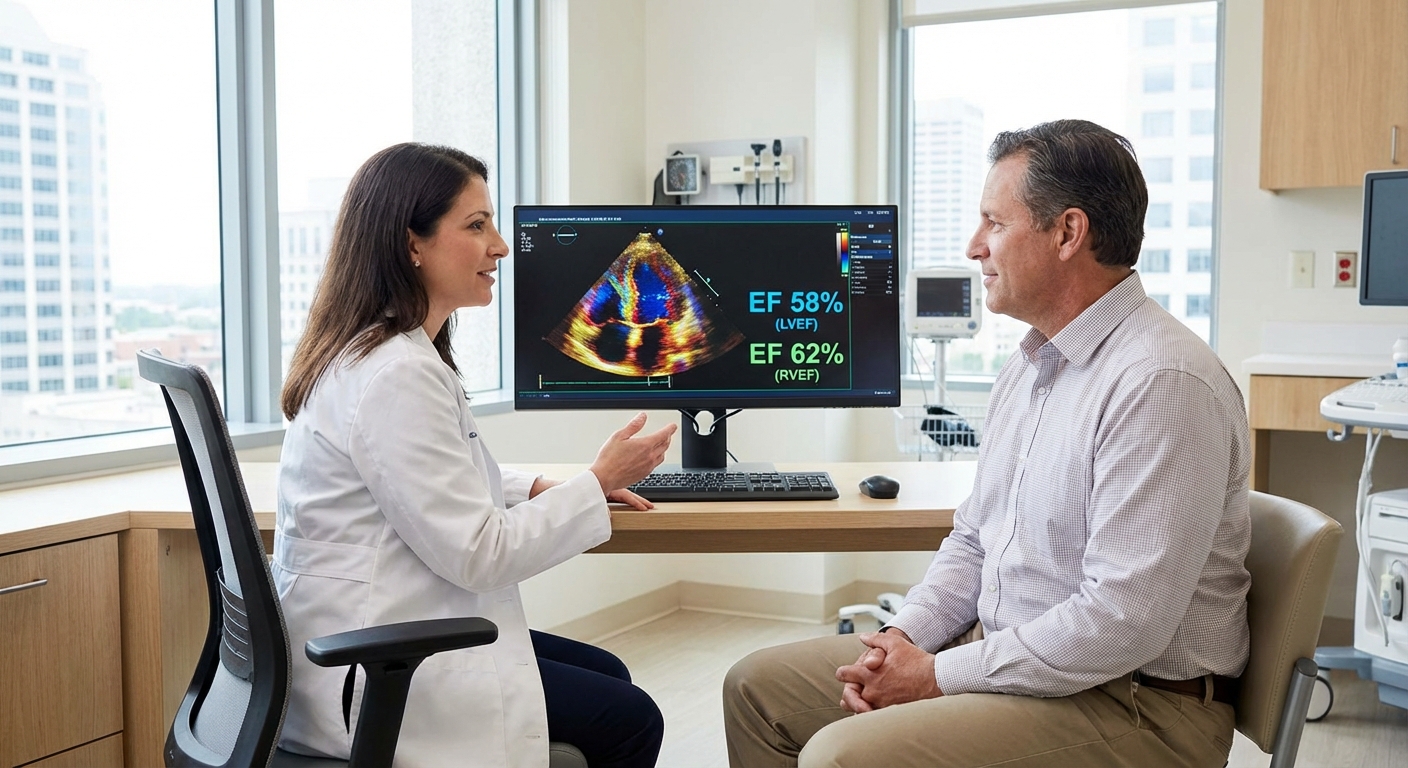
- Echocardiogram (echo) – to check heart structure and function
- Bloodwork – kidneys, electrolytes, clotting status
- Transesophageal echo (TEE) – for some patients, to make sure there’s no clot in the left atrium
- CT or MRI of the heart – to map anatomy for more complex cases
If something feels rushed or skipped, ask why. A good EP team is usually happy to explain their logic.
Step 3: Preparing Your Body (and Why Small Tweaks Matter)
When I asked my EP, “What can I do to improve my odds?” I expected a vague “just be healthy.” Instead, he gave me a surprisingly blunt answer:
> “Treat the causes. Ablation isn’t a free pass from lifestyle.”
Sleep and sleep apnea
When I finally did a sleep study (after dragging my feet for months), I learned I had mild sleep apnea. Not bad, but enough to worsen AFib. Using CPAP consistently before and after the ablation made a noticeable difference in how often I felt “off rhythm.”
Untreated sleep apnea is a known enemy of ablation success. A 2013 study in Journal of the American College of Cardiology showed patients with untreated sleep apnea had roughly double the AFib recurrence rate after ablation compared with those without it or with treated apnea.
If you snore loudly, wake up unrefreshed, or your partner says you stop breathing in your sleep, push for a sleep evaluation.
Alcohol, caffeine, and weight
I did a slightly painful experiment before my procedure: I cut alcohol for a month. My Apple Watch and symptom diary (yes, I became that person) both agreed—way fewer episodes.
- Alcohol: Even “social” drinking can trigger AFib in sensitive people. The NEJM "Holiday Heart" phenomenon is real.
- Caffeine: Mixed evidence, but if you notice coffee as a trigger, scale back before the procedure.
- Weight: For patients with obesity, weight loss has been shown to significantly improve ablation outcomes. The LEGACY trial out of Australia found >10% weight loss led to much better rhythm control.
You don’t have to become an ultra-marathoner. But even modest changes—walking daily, ditching the late-night drinks—can stack the deck in your favor.
Step 4: Planning the Logistics (Future You Will Be Grateful)
When I tested how “ready” I was the week before, I realized I’d totally underestimated the recovery logistics. The procedure itself was the easy part; the week after was where planning mattered.
A few specific things that helped:
- Ride home & backup: You’ll almost certainly go home the same day or next morning. You can’t drive. I lined up one main ride and a backup in case of schedule changes.
- Low-effort meals: The groin area can feel tender, and honestly you may just feel wiped. I prepped simple meals and freezer stuff. Post-ablation me sent pre-ablation me a silent thank you.
- Work and activity: I cleared 3–5 days of no major commitments. Some people bounce back faster; others need a week or two to feel normal.
- Clothing: Loose, easy-on pants or shorts so nothing rubs on the groin puncture site. Not glamorous, but your future self won’t care.
I also set a reminder on my phone for when to restart meds post-procedure, because trying to remember detailed instructions while groggy is… not ideal.
What the Day of the Ablation Actually Feels Like
Walking into the cath lab area, I felt this weird mix of “I’m in a sci-fi movie” and “I want to back out and go home now.” Totally normal.
Here’s how it went for me (and matches what most EP labs do):
- Check-in and consent – You’ll review consent forms again, get your IV, and meet the anesthesiologist.
- Groin prep – They shave and clean the area where catheters go in. Modesty takes a short vacation.
- Sedation or anesthesia – Many centers now use general anesthesia for AFib ablation to keep you very still and comfortable. Some use conscious sedation.
- The procedure – Typically 2–4 hours, sometimes longer, especially for persistent AFib.
- Recovery – You’ll lie flat for a few hours so the groin puncture seals. This was honestly the most annoying part for me—back stiff, wanting to move.
I woke up feeling a bit foggy, with mild chest tightness and a sore groin, but not sharp pain. Everyone’s experience is different, but most describe discomfort more than intense pain.
The “Blanking Period” No One Warned Me About
Here’s something my EP mentioned quickly, but I didn’t fully hear until it happened:
For the first 6–12 weeks after ablation, you can still have AFib episodes, flutters, skipped beats. This is called the blanking period—your heart’s irritated and healing.
The first time my heart jumped into a weird rhythm a week after the ablation, I panicked: “Welp, it failed.”
Except… it hadn’t. By the 3-month mark, those episodes had dramatically dropped off.
Studies show that early recurrences during the blanking period don’t necessarily predict long-term failure. Some do, some don’t. Your EP will usually judge success at around 3–12 months, not week two.
During this phase:
- You may stay on antiarrhythmic meds temporarily.
- You’ll almost certainly stay on your blood thinner for at least 2–3 months, often longer.
- Keep a symptom log, but don’t catastrophize every flutter.
Pros, Cons, and Who Shouldn’t Rush Into It
In my experience, ablation can feel like the “obvious next step” when meds fail—or when you’re simply exhausted from living around your heart rhythm. But it’s not for everyone, and that’s part of being honest about it.
The upsides
- Better symptom control: For many people, fewer episodes, less intensity.
- Improved quality of life: Less fear of going out, traveling, exercising.
- Reduced AFib burden: Even if not fully gone, AFib may occur much less often.
- Potential long-term benefits: Some studies suggest less progression to permanent AFib when ablation is done earlier in the disease course.
The downsides and risks
- It’s still an invasive heart procedure.
- Risks (though relatively low in experienced centers) include:
- Cardiac tamponade (fluid around the heart)
- Stroke
- Pulmonary vein stenosis
- Vascular complications at the groin site
- Very rarely, atrioesophageal fistula (a serious complication)
- You might need more than one procedure.
- It doesn’t treat the underlying drivers like high blood pressure, sleep apnea, obesity, alcohol use.
There are also people for whom ablation may not be the right move—at least not yet. Those with minimal symptoms, high frailty, multiple major comorbidities, or very advanced structural heart disease may be better managed medically.
A good EP will be transparent about this. If you feel pushed, it’s fair to seek a second opinion.
How to Advocate for Yourself (Without Being “That Patient”)
When I tested different ways of talking with my care team, I found that coming in with specific, written questions worked better than vague worries.
A few to borrow:
- How many AFib ablations do you personally perform per year?
- What’s your complication rate compared to national averages?
- Will this be radiofrequency or cryoballoon, and why that choice for me?
- What does success look like at 3, 6, and 12 months?
- If this doesn’t work, what’s our Plan B?
Electrophysiology is a field where volume and experience genuinely matter. High-volume centers often have better outcomes.
Final Thoughts From the Other Side of the Procedure Table
If I zoom out on my own story: AFib ablation didn’t give me a “perfect” heart, but it did give me my life back in a way meds alone never did.
Was it a little scary? Yes.
Was it worth the prep, the awkward groin bandages, the week of feeling like I’d gone a few rounds in the ring with my own chest? For me, absolutely.
If you use your ablation as part of a bigger plan—treating sleep apnea, dialing back alcohol, moving more, managing blood pressure—you’re not just having a procedure. You’re giving your heart a cleaner slate to work with.
Ask questions. Write stuff down. Recruit a friend or partner as your “logistics captain.” And remember: preparing well isn’t being anxious; it’s being smart.
Your future, steadier-rhythm self is going to be very glad you did.
Sources
- American Heart Association – Catheter Ablation for Atrial Fibrillation - Patient-friendly overview of AFib ablation, risks, and expectations
- National Heart, Lung, and Blood Institute (NHLBI) – Atrial Fibrillation - Government-backed explanation of AFib, causes, and treatments
- Mayo Clinic – Atrial Fibrillation Ablation - Detailed description of the procedure, preparation, and recovery
- CABANA Trial – Catheter Ablation vs Antiarrhythmic Drug Therapy for Atrial Fibrillation (JAMA) - Landmark clinical trial comparing ablation to drug therapy
- LEGACY Study – Long-Term Effect of Goal-Directed Weight Management in an Atrial Fibrillation Cohort (Journal of the American College of Cardiology) - Evidence on weight loss improving AFib outcomes