Guide to Preparing for Atrial Fibrillation Ablation
heart, and my anxiety spiked to 200 bpm faster than my atrial fibrillation ever did.If you’re reading this, you (or someone you love) might be in that same Google-rabbit-hole phase. I’ve been there—sitting in the parking lot, scrolling through scary forums and half-baked advice.
So I pulled together the guide I wish I’d had: practical, honest, and a little bit human.
What AFib Ablation Actually Is (Without the Jargon Overload)
I used to think ablation meant they were going to “burn my heart.” Technically… kind of, but also not really.
In plain language:
- Atrial fibrillation (AFib) is a rhythm disorder where the upper chambers of your heart fire electrical signals chaotically.
- Catheter ablation is a procedure where a cardiologist who specializes in heart rhythms (an electrophysiologist, or EP) threads thin tubes through a vein (usually your groin) into your heart and uses heat (radiofrequency) or extreme cold (cryoablation) to destroy tiny areas of tissue that are misfiring.
The goal is to isolate or silence the triggers, especially around the pulmonary veins, so your heart’s natural pacemaker can run the show again.
According to the 2023 ACC/AHA/HRS guideline update, catheter ablation is now a first-line treatment for many patients with symptomatic AFib, especially younger folks and those without extreme structural heart disease.

When I dug into the research, one study in The New England Journal of Medicine (CABANA trial, 2019) showed that ablation significantly improved quality of life and reduced AFib recurrence compared with medical therapy alone—though it wasn’t a magic bullet for everyone.
So no, ablation isn’t a cure-all. But for many of us, it’s a serious upgrade from living in constant “is my heart about to go rogue?” mode.
Step 1: Ask the Uncomfortable Questions (Before You Say Yes)
When I tested my own readiness for ablation, I made a list of questions and forced myself to ask every single one. It felt awkward, but it changed everything.
Here are the big ones that helped me the most:
- What type of AFib do I have? Paroxysmal (comes and goes), persistent, or long-standing persistent?
- How many ablations does this EP perform per year? (Experience matters.) Many experts suggest >100 AFib cases/year is reassuring.
- Are you planning radiofrequency or cryoablation—or both? Why?
- What’s my personal success rate likely to be? (Not just generic statistics.)
- What are my risks given my age, other conditions, and medications?
I found that a good electrophysiologist doesn’t sugarcoat things. Mine told me straight-up: “There’s a good chance you’ll feel dramatically better, but we may still need meds or a touch-up ablation later.”
That honesty actually made me trust him more.
Step 2: The Medical Prep – What Really Happens Before Ablation
The weeks leading up to my procedure felt like a weird combination of medical boot camp and airplane preflight checklist.
Here’s what that looked like—and what I see most people go through:
1. Imaging & Testing
Most people will have some combo of:
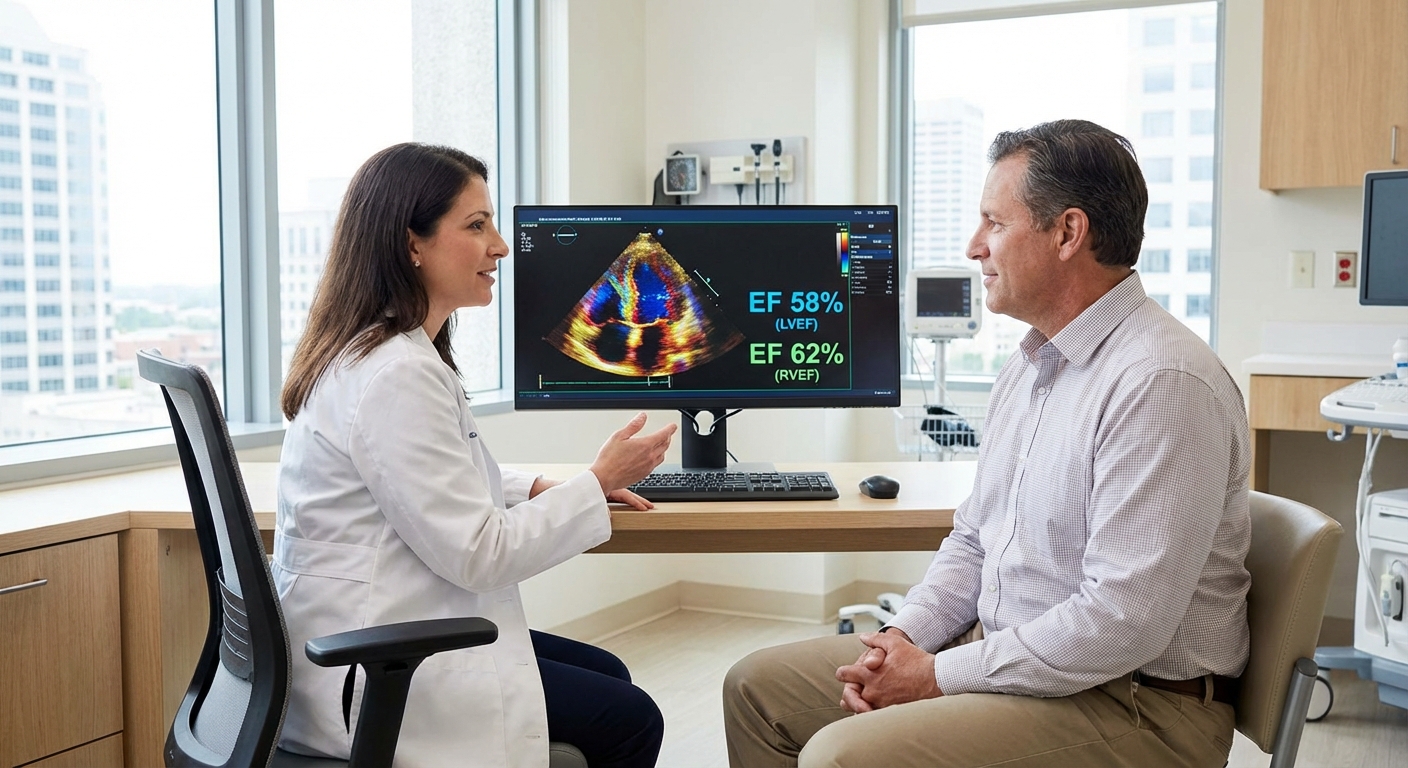
- Echocardiogram – ultrasound to check heart structure and function.
- Transesophageal echocardiogram (TEE) – a small ultrasound probe down the esophagus to make sure there are no clots in the left atrium before the procedure. Mine wasn’t fun, but I was sedated and barely remember it.
- Holter or event monitor – to capture how often AFib happens.
- CT or MRI of the heart – especially before pulmonary vein isolation, to map anatomy.
2. Anticoagulation (Blood Thinners)
This part surprised me. Even if you feel fine, your stroke risk with AFib can be elevated.
In my case, I started on a DOAC (direct oral anticoagulant) weeks before ablation. My EP insisted on strict adherence—no missed doses—because clots can form and then be knocked loose during the procedure.
Some people stay on blood thinners for a few months after ablation, even when they’re in normal rhythm, because the heart tissue is healing and can be a bit irritable.
3. Medications to Stop (and When)
When I prepared, my team gave me a medication grid that was a total lifesaver.
Common examples (always follow your team, not the internet):
- Antiarrhythmics (like flecainide, propafenone, amiodarone): often stopped days to weeks before so the EP can better “see” your natural arrhythmia.
- Blood thinners: sometimes continued, sometimes adjusted the day of. Many centers now do uninterrupted anticoagulation, which has been shown to reduce clot risk.
- Diabetes meds, supplements, and herbal stuff: often need timing adjustments.
I learned the hard way that “natural” doesn’t mean “harmless.” My nurse told me to stop my high-dose fish oil before the procedure because it can increase bleeding risk.
Step 3: Lifestyle Tweaks That Actually Help (Not Just Doctor-Speak)
I’m skeptical of vague lifestyle advice, so I tested what actually made a difference in the weeks leading up to ablation.
Dialing Back the Triggers
Certain things made my AFib act like it had a personal grudge against me:
- Alcohol – Even one or two drinks could kick off an episode. Research backs this; the LEGACY and ARREST-AF studies have shown alcohol reduction improves AFib outcomes.
- Heavy meals late at night – Huge trigger for me, especially with reflux.
- Dehydration and too much caffeine – Double espresso + long run = bad idea.
When I purposely cut alcohol, moderated caffeine, and avoided giant late-night meals for a few weeks, my episodes dropped noticeably. I still had AFib, but my body felt less “on edge.”
Sleep & Stress (Boring, But Real)
If you snore like a freight train, ask about a sleep study. Untreated sleep apnea is strongly linked to AFib, and multiple studies show that treating apnea can make ablation more successful.
I also started doing 5–10 minutes of very simple breathing exercises before bed. It didn’t fix my rhythm, but it made the nights feel less terrifying.
Step 4: What to Do the Week Before – The Practical Stuff
This is the part nobody tells you, but it’s where my anxiety dropped the most.
Pack a “Hospital Go-Bag”
Mine included:
- Loose, easy-to-pull-on pants (you don’t want tight waistbands on fresh groin punctures)
- Phone charger with a long cable
- List of all meds and doses
- Slip-on shoes
- Lip balm and a light hoodie (procedure rooms can be cold)
Plan Your Ride and Your Support
You won’t be driving yourself home. I underestimated how groggy and emotionally wrung out I’d feel.
Arrange:
- Someone to drive you
- Someone to stay with you the first night if possible
Knowing I had a friend crashing on my couch that night lowered my stress more than any sedative.
Step 5: The Day of Ablation – What It Really Feels Like
Everybody’s experience is a bit different, but here’s how mine went and what’s typical:
- Check-in & prep – You change into a gown, get an IV, meet the nurse, anesthesiologist, and EP. They’ll confirm your meds and allergies. They cleaned and shaved areas near my groin.
- Anesthesia – Some centers use conscious sedation, others full general anesthesia. I had general. One second you’re joking with the anesthesiologist, the next you’re waking up wondering if they’ve even started.
- The actual ablation – This part you won’t feel. The team inserts catheters through your veins, maps your heart’s electrical system, and applies energy to targeted spots. Mine took about 3 hours.
- Recovery – This was the least glamorous part. You lie flat for several hours to let the vein access sites seal. I felt groggy, a little chest tightness, and soreness where the catheters went in.
When I tested small movements—bending my leg, sitting up—the nurses immediately told me to take it slower. Listening to them probably saved me a groin hematoma.
Step 6: The Aftermath – What No One Warned Me About
I assumed I’d either be “fixed” or “not fixed” right away. Reality was much messier—and that’s normal.
The “Blanking Period”
Most EPs talk about a 3-month “blanking period”. During this time, your heart is healing and can act quite cranky.
In my experience:
- I had random flutters and a couple of short AFib episodes in the first 6–8 weeks.
- My EP warned me this doesn’t mean the ablation “failed.” Studies show early arrhythmias don’t always predict long-term failure.
Knowing this ahead of time saved me from spiraling into panic every time my chest did a weird tap dance.
Bruising, Fatigue, and Weird Sensations
For me and many others:
- Groin bruising and soreness: lasted about a week.
- Fatigue: I felt like I’d done a full-body workout I didn’t sign up for.
- Mild chest discomfort: not severe, more like an internal sunburn. Always call your doctor if chest pain is intense, crushing, or comes with shortness of breath.
Pros I Personally Noticed
- Within a month, my resting heart rate was more stable.
- My anxiety dropped because I wasn’t constantly waiting for my heart to go haywire.
- I could exercise with less fear and fewer interruptions.
The Cons & Limitations (Because Nothing Is Magic)
In the spirit of full honesty:
- Some people need a second ablation. Studies show about 20–40% may require a repeat, especially with persistent AFib.
- You may still need meds, at least for a while. I stayed on a low-dose beta blocker plus anticoagulation post-procedure.
- Risks are real, even if rare: stroke, cardiac tamponade (fluid around the heart), pulmonary vein stenosis, and others. Large centers have low complication rates, but they’re never zero.
For me, the benefits outweighed those risks—but that equation is personal.
How to Mentally Prepare (The Part Doctors Don’t Always Cover)
This might sound soft, but my mindset work helped just as much as the medical stuff.
Here’s what helped the most:
- Write down your “why.” For me: playing with my kids without checking my pulse every five minutes.
- Ask your EP what their team does day in and day out. Mine said, “We do several of these every week.” That repetition reassured me.
- Limit doom-scrolling. I forced myself to read reputable sources and avoid worst-case-scenario comment threads.
- Plan something gentle to look forward to a week or two after the procedure—a walk in the park, a favorite meal, a visit with a friend.
When I reframed ablation not as “they’re burning my heart,” but as “I’m upgrading my heart’s electrical wiring with a pro crew,” I felt way less terrified.
Is AFib Ablation Worth It?
I can’t answer that for you, but I can share this: in my experience, the preparation phase—getting clear info, organizing my life, dialing in my health—made as much difference as the procedure itself.
If you decide to go ahead with ablation, treat the weeks before it like a training camp for your future heart:
- Ask the awkward questions.
- Take the logistics seriously.
- Respect the risks, but don’t let them drown out the very real potential for your life to get bigger again.
And if you’re still on the fence, that’s okay. Print your questions, book a visit with your EP, and use their expertise—not fear-filled message boards—to guide your next move.
Sources
- American College of Cardiology – 2023 ACC/AHA/HRS Guideline for the Management of Patients With Atrial Fibrillation - Clinical guidance on AFib and role of catheter ablation
- CABANA Trial – Catheter Ablation vs Antiarrhythmic Drug Therapy for Atrial Fibrillation (NEJM) - Landmark randomized trial comparing ablation to drug therapy
- National Heart, Lung, and Blood Institute (NHLBI) – Atrial Fibrillation - Government overview of AFib, risks, and treatments
- Mayo Clinic – Catheter Ablation for Atrial Fibrillation - Plain-language explanation of the procedure, risks, and recovery
- Harvard Health – Lifestyle Changes to Reduce Atrial Fibrillation - Discussion of alcohol, weight, sleep apnea, and other modifiable factors