Guide to Slowing Stage 4 Kidney Disease Progression
onic kidney disease.” He went quiet, then asked the question almost everyone asks:
> “So… is there anything I can do to slow this down?”
I’ve heard that same question so many times since. And yes, there absolutely are things that can help slow stage 4 kidney disease progression — but they’re rarely explained in a way that feels practical and human.
This isn’t a cure article. Stage 4 CKD (estimated GFR around 15–29 mL/min/1.73 m²) is serious. You’re in the “we need a long-term plan now” zone. But in my experience working with nephrology teams, people who really understand their numbers, meds, food, and lifestyle often buy themselves months to years before dialysis or transplant.
Let’s walk through what actually moves the needle.
Step 1: Really Understand What Stage 4 Means (Beyond the Scary Label)
I recently sat with a patient who said, “They told me I’m stage 4, but I have no idea what that means. I feel… okay?”
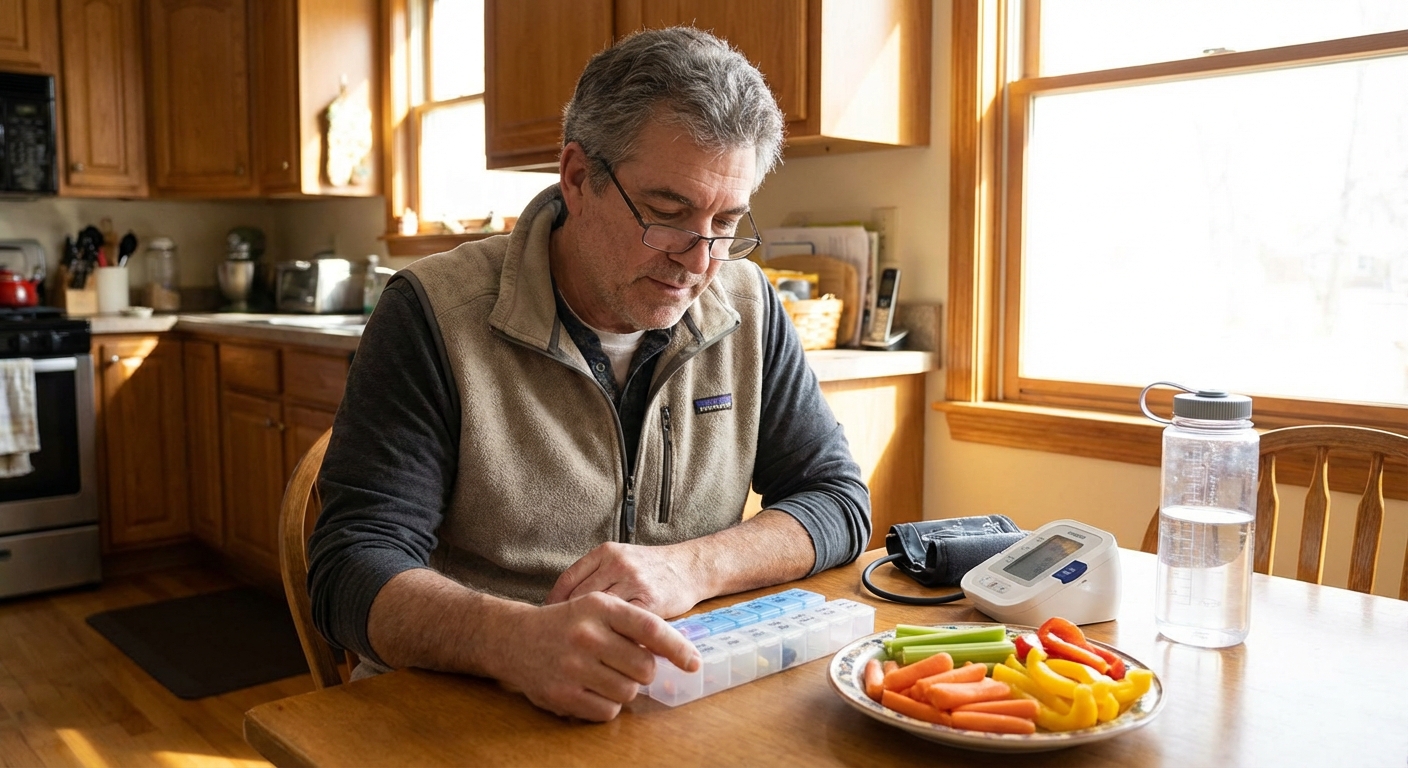
Stage 4 kidney disease means:
- Your kidneys are severely damaged but still working.
- Your eGFR (estimated glomerular filtration rate) is roughly 15–29.
- You’re at high risk of needing dialysis or transplant in the next months to years.
But it’s not a straight free-fall. The speed of decline varies wildly. A 2019 paper in Kidney International showed that some people lose kidney function at less than 2 mL/min/year, while others drop faster — and things like blood pressure control, protein intake, and medication adherence strongly influenced that slope.
When I first saw those progression charts, it hit me: there’s a huge difference between “inevitable” and “unchangeable.” Slowing down matters a lot.
Step 2: Make Blood Pressure Control Your Non‑Negotiable
Every nephrologist I’ve interviewed says this in some version:
> “If my patients do one thing, I want them to crush their blood pressure goals.”
High blood pressure is both a cause and accelerator of kidney damage. In stage 4, the usual target is around <130/80 mmHg (and sometimes lower, tailored to you).
In my experience watching people in clinic, those who check their blood pressure at home and actually tweak lifestyle/meds with their doctor tend to stabilize longer.
What usually helps:- ACE inhibitors or ARBs (like lisinopril, losartan): These not only lower BP, they also reduce pressure in the kidney’s tiny filters. Multiple studies (including landmark trials like the RENAAL and IDNT trials in the early 2000s) showed these drugs slow CKD progression, especially in people with protein in the urine.
- SGLT2 inhibitors (like dapagliflozin, empagliflozin): Originally diabetes drugs, they’ve become kidney-protection superstars. The DAPA-CKD trial (2020) showed a 39% relative risk reduction in worsening kidney disease or kidney failure, even in some people without diabetes.
- These meds can cause side effects: cough (ACE inhibitors), high potassium, dizziness, or yeast infections (SGLT2 inhibitors).
- They’re not magic on their own. Without blood pressure control and lifestyle changes, they’re like using a seatbelt while driving 120 mph.
But paired with tight BP control? They’re some of the strongest tools we’ve got.
Step 3: Use Food as a Dial, Not a Punishment
I still remember the face of a man who came to a CKD class clutching a list that basically said: “No salt, no sugar, no meat, no bananas, no potatoes, no fun.” He told me, “So… I just drink water and sadness?”
Food restrictions at stage 4 can feel brutal. They’re also not one-size-fits-all. When I tested generic kidney diet advice against what actual renal dietitians recommend, the difference was night and day.
Here’s how the pros usually think about it:
Protein: Enough… but not too much
- Too much protein = more work for damaged kidneys.
- Too little = muscle loss, weakness, poor immune function.
Most nephrologists and renal dietitians aim for about 0.6–0.8 g of protein per kg of body weight per day in stage 4, unless you’re malnourished, very elderly, or have other conditions.
Example: If you weigh 70 kg (about 155 lbs), that’s roughly 42–56 g protein/day.
I watched a dietitian sit with a patient and literally count:
- 1 egg ≈ 6 g
- 3 oz chicken ≈ 21 g
- 1 cup Greek yogurt ≈ 15–20 g
Once we mapped it out, it stopped feeling like a vague rule and more like a budget he could actually plan.
Sodium: Your secret blood pressure lever
Most stage 4 patients I’ve seen do better when they keep sodium around 1,500–2,000 mg/day. Just cutting salty processed foods (soups, deli meats, frozen dinners, restaurant meals) often lowers blood pressure enough that meds work better.
Potassium & phosphorus: Personalized, not panic-mode
This is where I’ve watched people get completely overwhelmed.
- Potassium: If your blood potassium is high, you might need to limit high‑potassium foods (bananas, oranges, potatoes, tomatoes). But some stage 4 patients don’t need severe potassium limits — their labs are fine.
- Phosphorus: Often high in processed foods, sodas, and some meats/cheeses. High phosphorus can trigger bone and heart problems.
The key? Get a renal dietitian (ideally one attached to your nephrology clinic). In my experience, a single 60-minute session with a good renal dietitian saves months of confusion, anxiety, and Google rabbit holes.
Step 4: Manage Diabetes Like Your Kidneys’ Life Depends on It (Because It Does)
If diabetes is part of your story, blood sugar is a huge dial on kidney progression.
I once sat with a 40-something man who had stage 4 CKD and an A1c of 10% (that’s… not great). After about a year of tightening his blood sugars to closer to 7%, his kidney function didn’t magically improve — but it stopped dropping so fast.
General goals many nephrologists use (individualized, especially in older or frailer adults):
- A1c around 7% (a bit higher can be okay if you’re prone to lows)
- Avoid frequent hypoglycemia (low blood sugar), which can be just as dangerous
Tools that often help:
- SGLT2 inhibitors (kidney + heart protection bonus)
- GLP-1 receptor agonists (like semaglutide), which help with blood sugar and weight and are being studied for kidney benefits
Downside: these meds can be pricey or cause GI side effects (nausea, diarrhea). This is where working with an endocrinologist or diabetes educator really pays off.
Step 5: Know the Meds That Quietly Hurt Your Kidneys
One of the most eye-opening moments for me was watching a nephrologist go through a patient’s medication list and circle:
- Ibuprofen
- Naproxen
- A “kidney cleanse” herbal supplement
Then he just said, “These three are quietly trying to kill your kidneys.”
Meds and substances that often speed up damage:- NSAIDs: ibuprofen (Advil, Motrin), naproxen (Aleve), high-dose aspirin
- Some herbal supplements (especially ones labeled as “detox,” “slimming,” or containing aristolochic acid)
- Contrast dye from some CT scans (your doctors can often choose safer options or pre-hydrate you)
Whenever you’re about to start something new — over-the-counter, supplement, whatever — ask, “Is this safe for someone with stage 4 kidney disease?”
It feels annoying in the moment. In my experience, it’s one of the simplest ways to prevent sudden drops in kidney function.
Step 6: Move Your Body, But Don’t Punish It
I once interviewed a man with stage 4 CKD who said, “I thought exercise would ‘use up’ my kidneys faster, so I stopped everything.” His nephrologist almost fell out of his chair.
Moderate activity is usually helpful, not harmful:
- Better blood pressure
- Better blood sugar
- Less fatigue and depression
I’ve seen realistic, sustainable goals work far better than guilt-driven gym fantasies:
- 10–20 minutes of walking most days
- Light strength training (resistance bands, light weights) 2–3 times/week
- Chair exercises if you’re weak, dizzy, or on oxygen
If you get short of breath fast, have chest pain, or feel light‑headed? That’s a “pause and call your doctor” moment. The goal is gentle consistency, not CrossFit.
Step 7: Plan for Dialysis or Transplant Early (Even If You Hope You’ll Never Need It)
This part feels scary, and I’ve watched people delay it until they’re in crisis. That’s usually when things feel the most out of control.
In my experience, people who learn about their options early feel less terrified later, even if they never end up using all of them.
Options often discussed in stage 4:
- In-center hemodialysis (3 times/week at a clinic)
- Home hemodialysis
- Peritoneal dialysis (dialysis fluid in your abdomen at home)
- Kidney transplant (from living or deceased donor)
Pros of early planning:
- You can get a fistula or graft placed early (better outcomes than emergency catheters)
- You can be evaluated for transplant listing before you actually hit kidney failure
- Your family has time to understand and, in some cases, offer to be screened as donors
I’ve watched patients who planned ahead transition into dialysis with far less chaos — fewer emergency hospitalizations, less fear, more control.
Step 8: Watch Your Labs Like a Team Captain, Not a Bystander
When I tested how much patients understood their own lab results, almost everyone could tell me “My creatinine is bad,” but not what anything meant.
In stage 4, you’ll usually see these labs regularly:
- eGFR & creatinine – how well your kidneys are filtering
- Potassium – high levels can trigger heart rhythm issues
- BUN – another measure of waste buildup
- Hemoglobin – anemia is common as kidneys fail
- Calcium, phosphorus, PTH – bone/mineral balance
Ask your nephrologist or nurse to explain trends in plain language:
- “Are my kidneys dropping fast or slowly?”
- “Which number worries you the most right now?”
- “What can I do between visits to help keep this stable?”
Once people see labs as a scoreboard instead of a mysterious punishment, I’ve noticed they’re more motivated and less overwhelmed.
Step 9: Mental Health and Support Aren’t a Luxury
I’ve seen tough, stoic people break down in dialysis education classes. One woman told me, “It feels like my body is betraying me, and I’m just waiting.”
That “waiting for the hammer to drop” feeling is heavy — and it absolutely affects how well people stick to meds, diets, appointments.
What’s actually helped people I’ve met:
- A good therapist or counselor familiar with chronic illness
- CKD support groups (online or in-person)
- Letting a close friend or family member come to nephrology visits to listen and help remember details
You’re not being “dramatic” if this feels like a lot. It is a lot. Getting emotional support is one of the most practical things you can do.
What Slows Stage 4 Kidney Disease — And What Doesn’t
Based on what I’ve seen in clinics and in the research, here’s the honest version:
Things that really can slow progression:
- Tight, consistent blood pressure control
- Appropriate use of ACE inhibitors/ARBs and SGLT2 inhibitors (when safe for you)
- Managing diabetes carefully
- A personalized kidney-friendly eating plan
- Avoiding NSAIDs and risky supplements
- Treating underlying causes (autoimmune disease, obstruction, etc.)
- Preparing early for dialysis/transplant so you avoid last‑minute emergencies
Things that don’t live up to the hype:
- “Kidney detox” teas or cleanses
- High-protein weight‑loss diets
- Random supplements from the internet promising “kidney regeneration”
And the hard truth: even if you do everything “right,” your kidneys may still decline. That’s not failure on your part. The goal is to slow the slope, protect your heart and brain along the way, and give yourself the best possible quality of life for as long as you can.
If you’re in stage 4 CKD, you’re not powerless. You’re in a high‑stakes game where small, consistent choices — meds, food, pressure numbers, follow‑ups — really do add up.
You deserve a nephrologist who explains things clearly, a dietitian who gives you actual meals not misery, and a care plan that feels like partnership, not punishment.
Print this out. Take it to your next appointment. Ask your doctor which of these steps matter most for you right now. That conversation alone can be a turning point.
Sources
- National Kidney Foundation – Stages of Kidney Disease – Clinical overview of CKD staging and management
- National Institute of Diabetes and Digestive and Kidney Diseases (NIDDK) – Managing Chronic Kidney Disease – U.S. government guidance on slowing CKD progression
- DAPA-CKD Trial – New England Journal of Medicine – Landmark study on dapagliflozin in CKD patients
- Mayo Clinic – Chronic Kidney Disease – General medical reference on CKD causes and treatment
- American Journal of Kidney Diseases – Blood Pressure Control in CKD30930-3/fulltext) – Review of BP targets and progression in CKD