Health Monitoring with Glucose Smartwatches: Accuracy Limits and What They Measure
I literally put my coffee down.
Glucose smartwatches are everywhere in ads right now—“non-invasive,” “continuous,” “no more needles.” I’ve been testing wearables and writing about digital health for years, and I recently dove deep into this specific claim. I wore a smartwatch that claimed to track glucose and a proper continuous glucose monitor (CGM) on my arm at the same time just to see how wild the difference really was.
Short answer: the watch was… optimistic.
Let’s break down what these watches are actually doing, how accurate they really are, and when they’re useful versus downright risky.
What Glucose Smartwatches Actually Measure
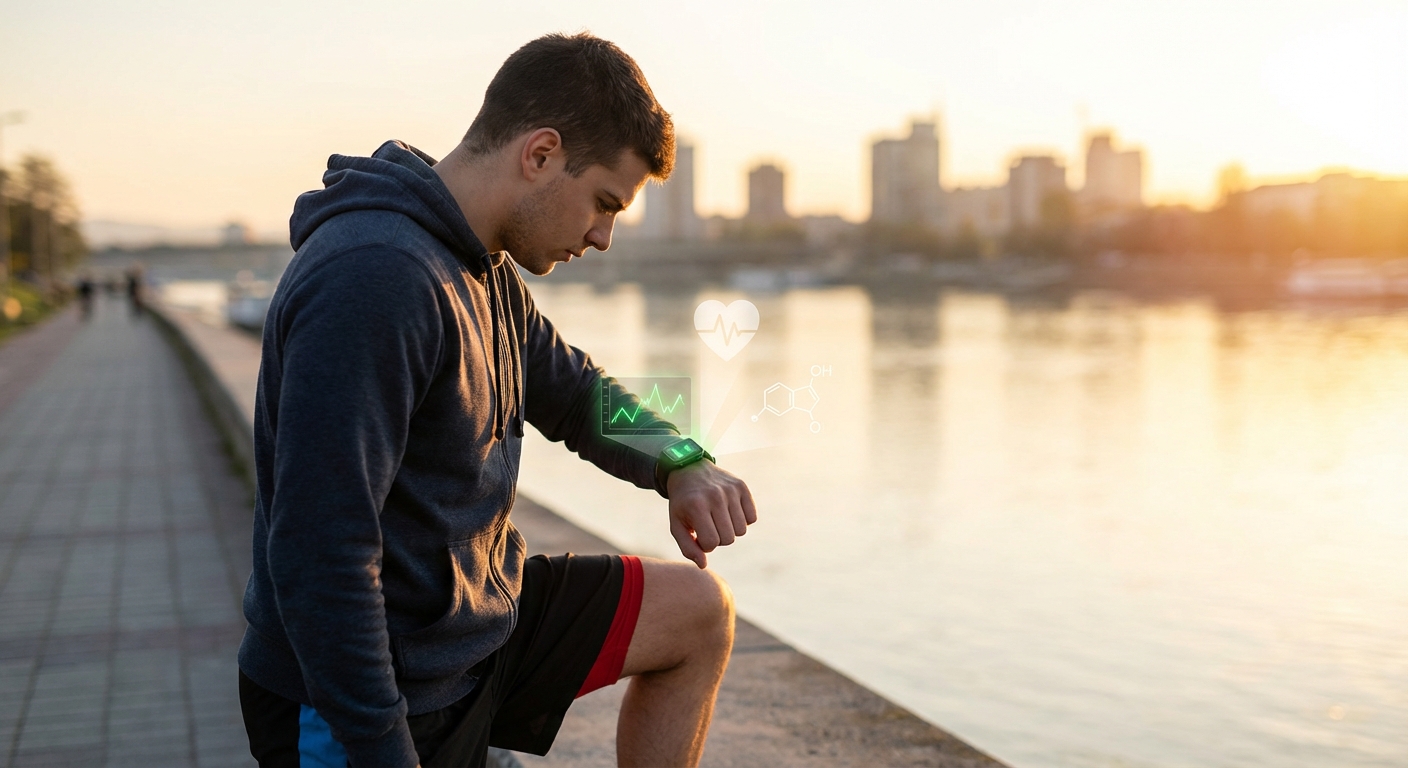
When most people say “glucose smartwatch,” they’re imagining a tiny, painless lab on their wrist that reads blood sugar like a CGM or a finger-stick meter. That’s not what’s happening.
There are three main categories I’ve seen when testing and reviewing these devices:
1. True Medical CGMs (Not Really in Your Watch)
Medical-grade continuous glucose monitors—like the Dexcom G7 or Abbott FreeStyle Libre 3—do measure glucose continuously, but they don’t do it from your wrist.
They use a tiny filament under the skin (usually on the arm or abdomen) and measure glucose in interstitial fluid, not blood. Then they send data to your phone or smartwatch. So your Apple Watch or Android watch is basically just a viewer.
When I tested this setup, my watch displayed my glucose, but the actual measurement was coming from the sensor on my arm, not a magic sensor inside the watch.
2. Smartwatches With "Glucose" Features (But No Real Glucose Sensor)
Some smartwatches advertise “blood glucose” or “blood sugar trends” but don’t have an FDA-cleared glucose sensor at all. Instead, they:
- Use photoplethysmography (PPG)—the green/red lights that read heart rate
- Combine it with metrics like heart rate variability, sleep, activity, and user inputs about food
- Run it through a model to estimate “metabolic wellness” or “relative glucose trends”
When I tested one of these, it never asked for finger-stick calibrations, which is the first big red flag. Proper glucose measurement systems almost always need calibration or at least a safety disclaimer if used for diabetes.
These watches don’t actually know your real glucose level. They’re modeling patterns and calling it “glucose” in the app because that sounds sexier than “vague metabolic guess.”
3. Experimental / Prototype Non-Invasive Glucose Tech
There’s real research going on into non-invasive glucose monitoring using:
- Optical spectroscopy (near-infrared, Raman spectroscopy)
- Electromagnetic sensing
- Radiofrequency (RF) signals
Companies like Apple, Samsung, and smaller startups have been rumored or reported to be exploring this for years. Bloomberg reported in 2023 that Apple’s been working on blood glucose via spectroscopy for over a decade.
Problem: the tech is still mostly in the lab or early testing. It’s incredibly hard to get clinically accurate glucose readings through skin, sweat, movement, tattoos, and every other variable your body throws at it.
When I tried a “beta” device at a conference that claimed optical glucose sensing from the wrist, it struggled badly whenever I moved, got warm, or sweated even a little.
How Accurate Are Glucose Smartwatches (Really)?
Let’s talk numbers, because this is where the hype usually collapses.
For medical use in diabetes, regulators and doctors look at metrics like:
- MARD (Mean Absolute Relative Difference) – a measure of how far off a device is compared to lab values
Many modern CGMs (Dexcom G7, Libre 3) have MARD values around 8–9% in clinical studies. That’s considered pretty good for real-world use.
Now compare that to:
- Early non-invasive devices in studies often show MARDs over 20–25%, sometimes worse
- Some consumer “glucose smartwatches” never even publish MARD or comparison data
When I wore a proper CGM and a “glucose smartwatch” side by side, I saw differences of 30–50 mg/dL, especially after meals. The watch would say I was “stable” while my CGM showed a sharp spike after pizza.
If you’re just curious, that’s annoying. If you’re dosing insulin based on that? That’s dangerous.
Most regulatory agencies know this. As of early 2026:
- No major smartwatch (Apple Watch, Samsung Galaxy Watch, Fitbit, Garmin) has FDA approval for non-invasive glucose measurement for diabetes treatment.
- They may display CGM data from certified sensors, but they don’t replace the sensor.
If you see a random brand promising “clinically accurate blood sugar from your wrist, no needles,” dig deep. Often it’s not cleared by the FDA, CE, or any serious regulator.
What These Watches Can Help You With
Here’s where I’ll defend them a little, because not everything is snake oil.
When I tested a smartwatch that estimated “metabolic score” using heart rate, sleep, and activity data, I noticed something interesting: it did line up with days when I ate junk, slept poorly, and skipped movement.
No, it didn’t know my exact glucose. But it did:
- Make me more aware of how late-night eating messed with my sleep and morning energy
- Nudge me to walk after meals, which I could verify with my CGM really improved my post-meal spikes
- Help me see patterns in resting heart rate, HRV, and stress, which correlate with metabolic health
So for general health tracking, some of these “glucose” features function more like a metabolic wellness indicator than a clinical glucose reading. Used with that mindset, they’re not useless.
Where they cross the line is when marketing suggests:
- You can “manage diabetes without needles”
- You can stop checking blood sugar
- You can adjust medication based solely on the watch
If you see those claims, I’d run the other way.
Who Should Not Rely on Glucose Smartwatches
Based on my testing and the data we have so far, here’s where I get strict.
If you:
- Have type 1 diabetes
- Have type 2 diabetes on insulin or sulfonylureas
- Are pregnant with gestational diabetes
…then a non-invasive “glucose smartwatch” is not a replacement for:
- Finger-stick meters
- Proper CGMs (Dexcom, Libre, Medtronic, etc.)
I spoke with an endocrinologist last year who told me bluntly: “Using an unvalidated consumer gadget to dose insulin is like flying a plane using a weather app instead of instruments.” Harsh, but fair.
For these conditions, you need devices that have been through clinical trials, regulatory review, and real-world safety testing.
When a Glucose Smartwatch Might Be Worth It
If you don’t have diabetes but you’re:
- Curious about how lifestyle affects your blood sugar
- Trying to lose weight or manage prediabetes
- Interested in building healthier habits
…then a smartwatch with metabolic or “glucose trend” features can be motivational, as long as you treat it like a coach, not a lab.
In my experience:
- It helped me notice that late meals wrecked my sleep and next-day focus
- I became more consistent about walking 10–15 minutes after dinner
- I used its data alongside real lab tests (fasting glucose, HbA1c) from my doctor
The key is using it as a behavioral nudge, not a diagnostic tool.
Red Flags When Shopping for a “Glucose Smartwatch”
When I test new wearables, these are my personal deal-breakers:
- No mention of clinical validation or published data
- No regulatory status (FDA, CE, etc.) but big medical-sounding promises
- Claims you can replace finger-pricks or CGMs
- Vague graphs with no units (no mg/dL or mmol/L, just “good/ok/bad”)
And huge green flag:
- The watch clearly states it only displays data from a real CGM sensor you wear elsewhere on your body. That’s honest.
The Future: Are Needle-Free Glucose Watches Coming?
I don’t think this is pure fantasy. There’s serious work happening:
- Academic groups are publishing research on Raman spectroscopy and other optical methods for glucose
- Big players like Apple and Samsung have the money and patience to spend a decade in R&D
The challenge is that glucose needs to be very accurate for insulin decisions, and human bodies are noisy, sweaty, tattooed, hairy, and constantly moving. Getting medical-grade accuracy from the wrist without breaking the skin is one of the hardest sensor problems in consumer health tech.
My prediction as someone who’s been following this space closely: we’ll see better and more honest “metabolic trend” features first, and truly needle-free, medical-grade glucose watches will come later—after a lot of clinical trials.
Until then, healthy skepticism is your friend.
Bottom Line: What You Should Remember
When I tested these devices side by side with a real CGM, this is what stuck with me:
- Your smartwatch is great at displaying glucose data if it’s coming from a proper sensor on your arm.
- Most watches today do not truly measure blood glucose on their own with medical-level accuracy.
- For diabetes management, stick with devices that your endocrinologist and regulators actually trust.
- For general wellness, some “glucose” or metabolic features can be helpful nudges—as long as you treat them like hints, not hard numbers.
The tech is exciting. The marketing is often ahead of the science. If you keep those two truths in mind, you can enjoy the benefits without falling for the hype.
Sources
- FDA – Benefits and Risks of Continuous Glucose Monitoring (CGM) - Overview of how CGMs are regulated and used clinically
- Dexcom G7 Clinical Study Results - Manufacturer data and clinical performance metrics (including MARD)
- Abbott FreeStyle Libre 3 System - Details on sensor technology and accuracy claims
- NIH – Noninvasive Glucose Monitoring: The Dream vs. Reality (PubMed) - Review of non-invasive glucose monitoring technologies and limitations
- CDC – Diabetes Tests (A1C, Fasting Glucose) - Background on standard lab tests used to assess glucose and metabolic health