Health Warning Signs After 40: Symptoms That Warrant a Medical Check-In
Then, one random Tuesday, I got a chest pain that felt like a tight fist right behind my breastbone. Not dramatic, not like the movies, but enough to make me freeze mid-email. I almost brushed it off as heartburn. Instead, I called my doctor.
That 15-minute decision changed how I look at every symptom after 40.
This isn’t about fear-mongering. It’s about paying attention to the little signals your body sends once you hit that “maintenance required” stage of life.
Below are the health warning signs after 40 that, in my experience (and based on what cardiologists, oncologists, and research keep shouting at us), absolutely warrant a medical check-in.
1. Chest Discomfort: Not Just "Indigestion"
When I had my first real chest scare, I did what too many of us do: I Googled it, convinced myself it was gas, and nearly decided to “wait and see.” Thankfully, a friend who’s a nurse said, “If you’re asking ‘is this my heart?’, call your doctor.”
Why chest pain after 40 is different
After 40, your risk of coronary artery disease starts to climb, especially if you’ve collected a few greatest hits: high blood pressure, high LDL cholesterol, smoking history, diabetes, or a strong family history of heart disease.
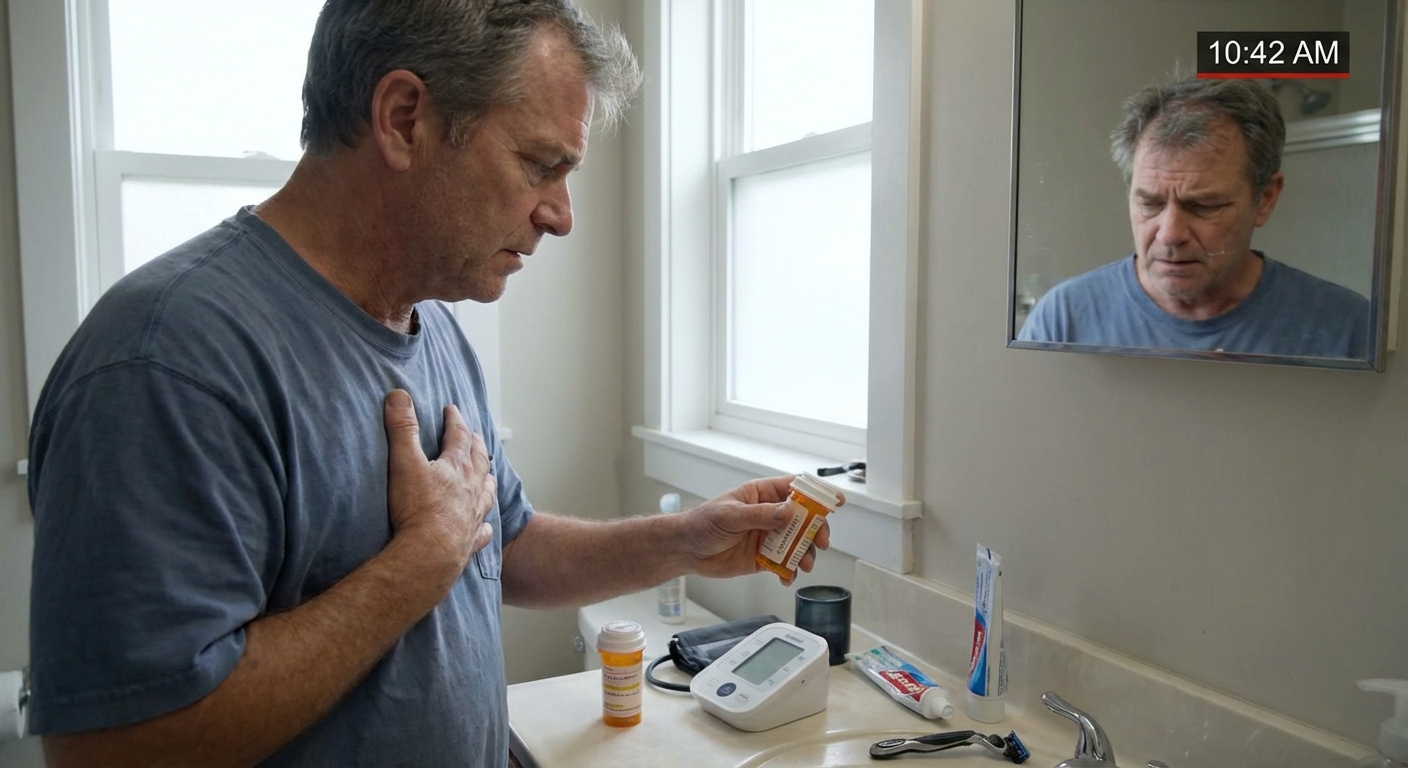
Red-flag symptoms that need urgent care:
- Pressure, squeezing, or tightness in the chest (even if it’s mild)
- Pain that radiates to jaw, neck, back, shoulder, or arm
- Shortness of breath, nausea, sweating, or lightheadedness alongside the pain
A 2019 study in Circulation showed women, in particular, often present with subtler symptoms than men and underestimate them. I’ve heard cardiologists say they’d rather see you 50 times for “nothing” than miss one real heart attack.
If it’s new, unexplained, or feels “off,” don’t negotiate with it.
2. Shortness of Breath Doing Normal Stuff
When I tested my new “get healthy at 42” walking routine, I expected to be a bit winded on hills. What I didn’t expect was gasping halfway up the stairs at home a few months later, with no change in exercise, weight, or routine.
That time, my lungs and heart were both suspects.
When breathing changes matter
Shortness of breath (dyspnea) isn’t just “being out of shape.” It can signal:
- Heart failure or coronary artery disease
- Pulmonary embolism (blood clot in the lungs)
- Asthma or COPD
- Anemia (low red blood cells)
Red-flag breathing symptoms:
- Getting winded doing chores you used to do easily
- Waking at night gasping or needing extra pillows to breathe comfortably
- Chest tightness, wheezing, or coughing up pink, frothy mucus
If your breathing suddenly changes without a clear reason (you didn’t just sprint or climb 10 flights of stairs), that’s a check-in moment.
3. Unexplained Weight Loss or Gain
My sneaky symptom in my early 40s was weight gain that ignored every rule. Same food, same workouts, extra pounds. Honestly, I thought, “Well, this is 40.” Turned out, my thyroid was quietly underperforming.
Sudden weight changes can be more than metabolism
Get checked if you notice:
- Unintentional weight loss of more than 5% of your body weight over 6–12 months
- Rapid weight gain (especially with swelling in legs, ankles, or abdomen)
Possible causes:
- Thyroid disorders (hyperthyroidism or hypothyroidism)
- Diabetes
- Heart failure (fluid retention)
- Certain cancers
- Depression or other mental health shifts
The American Cancer Society notes that unexplained weight loss is often one of the first signs of some cancers, especially pancreatic, stomach, esophageal, and lung.
Not every weight change is dramatic or sinister, but if your body suddenly ignores the “calories in, calories out” logic, let a professional weigh in.
4. Changes in Bathroom Habits You Can’t Explain Away
We joke about “turning 40 and knowing where every bathroom is,” but your gut and bladder actually become really honest communicators.
In my case, I noticed a persistent change in bowel habits that I tried to blame on coffee, stress, and my questionable relationship with cheese. My doctor, thankfully, didn’t shrug it off.
Bowel and bladder changes that deserve attention
Call your doctor if you notice:
- Blood in stool (bright red or dark, tar-like)
- Persistent constipation or diarrhea lasting more than a couple of weeks
- Pencil-thin stools or feeling like you never fully empty
- Needing to pee far more often, especially at night
- Pain or burning with urination
After 45, colon cancer screening becomes standard, but symptoms can show up earlier. The U.S. Preventive Services Task Force lowered the routine screening age to 45 because cases in younger adults have been rising.
Here’s the rule I use for myself now: new, persistent, or progressive bathroom changes = conversation with my doctor.
5. New or Worsening Headaches, Dizziness, or Vision Changes
I used to get the occasional “I didn’t drink enough water” headache. No big deal.
What made me pay attention in my 40s was a headache that came with visual zigzags and speech that felt…slightly scrambled. It passed. I still saw a neurologist. I’m glad I did.
When a headache isn’t just a headache
Seek urgent help if you experience:
- “Thunderclap” headache (sudden, worst-ever, peaks in seconds)
- Headache with weakness, drooping face, or trouble speaking
- New headache pattern, especially if you’re over 40 and didn’t have them before
The American Stroke Association uses the FAST acronym (Face drooping, Arm weakness, Speech difficulty, Time to call 911). I add a mental note: sudden weirdness in the brain is not a DIY project.
Vision changes (blurred vision, double vision, black spots, sudden loss of part of your field of view) can signal stroke, retinal issues, or uncontrolled high blood pressure.
6. Persistent Fatigue That Sleep Doesn’t Fix
There was a stretch where I woke up tired, went through the day tired, and collapsed on the couch at 8:30 p.m. Everyone said, “You’re just busy.” But I knew this wasn’t my normal.
That fatigue turned out to be a combo of low iron, borderline sleep apnea, and stress I’d labeled as “just life.”
When tired is more than tired
Red-flag fatigue:
- Lasting more than a month
- Interfering with work, relationships, or daily tasks
- Accompanied by shortness of breath, chest pain, or rapid heart rate
Causes can range from anemia, thyroid disease, sleep apnea, chronic infections, and depression to early signs of heart disease or autoimmune conditions.
Fatigue is vague, but that’s exactly why it’s powerful as a warning light. Your body rarely uses it as the only signal for something serious, but it’s often the earliest one.
7. New Lumps, Skin Changes, or Odd-Looking Moles
I used to be terrible about skin checks. Then a dermatologist circled a tiny, weirdly asymmetrical mole on my shoulder and said, “This one worries me.” Biopsy done, lesson learned.
What to watch for on your skin and in your body
For moles, dermatologists teach the ABCDEs of melanoma:
- Asymmetry – one half doesn’t match the other
- Border – irregular, jagged, or blurred edges
- Color – multiple colors or very dark
- Diameter – larger than a pencil eraser (about 6 mm)
- Evolving – changing in size, shape, or color
Also get checked if you notice:
- New lumps in the breast, neck, armpit, groin, or testicles
- Sores that don’t heal
- Skin lesions that bleed easily or keep crusting over
The CDC and American Cancer Society both emphasize that early detection dramatically improves survival for many cancers. I now treat any new lump or changing spot as “guilty until proven innocent.”
8. Mood Shifts, Brain Fog, or Personality Changes
One thing nobody warned me about in my 40s: how much hormones, sleep, stress, and health shifts can mess with your mind.
I went through a phase where my focus was shot, my patience evaporated, and everything felt slightly gray. I almost chalked it up to “getting older.” My doctor called it what it was: a mix of mild depression, poor sleep, and underlying anxiety.
When mental changes are a medical symptom
See someone if you notice:
- Losing interest in things you usually enjoy for more than two weeks
- Persistent sadness, anxiety, or irritability
- Memory gaps, confusion, or getting lost in familiar places
- Friends or family saying, “You just don’t seem like yourself.”
Depression, anxiety, early cognitive changes, and even vitamin deficiencies (like B12) can all show up this way. The National Institute of Mental Health estimates over 21 million adults in the U.S. had at least one major depressive episode in 2020—and it’s underdiagnosed after 40 because we label it as “stress” or “burnout.”
9. When to Chill vs. When to Call
Let me be very honest: after I started learning about all this, I went through a short “everything is a symptom” phase. Not fun. Not helpful.
Here’s the framework I use now and share with friends:
I call or see a doctor when:- A symptom is new, unexplained, and lasts more than a couple of weeks
- It’s sudden and severe (like chest pain, stroke signs, or trouble breathing)
- It’s progressively getting worse instead of slowly improving
- My gut says, “Something’s off,” and I keep thinking about it
- There’s a clear trigger (new workout, spicy food, not enough sleep)
- It improves consistently over days
- It’s mild, familiar, and doesn’t interfere with daily life
I also keep a simple symptom log in my phone: dates, what I felt, what I was doing, and anything that seemed to trigger or relieve it. Doctors love data, and it stops the “Was that last week or last month?” guessing.
10. The Upside Nobody Talks About
Here’s what surprised me most: paying attention to warning signs after 40 hasn’t made me more anxious. It’s made me calmer.
Because now:
- I catch small issues before they become big (my thyroid says hi)
- I understand my numbers (blood pressure, cholesterol, A1C) instead of fearing them
- I’ve had real conversations with my doctor, not just rushed annual checkups
Is every ache a crisis? Absolutely not. Bodies creak more after 40. That’s normal.
But the symptoms we walked through—chest pain, breathing changes, sudden weight shifts, bathroom changes, scary headaches, crushing fatigue, new lumps, and big mood or cognitive swings—aren’t just “getting older.” They’re your body sending push notifications.
You don’t have to panic.
You do have to listen.
And sometimes, the most grown-up, over-40 thing you can do is pick up the phone and say, “Hey, something’s different. Can we check this out?”
Sources
- American Heart Association – Warning Signs of a Heart Attack - Detailed overview of heart attack symptoms and when to seek urgent care
- U.S. Preventive Services Task Force – Colorectal Cancer Screening - Official recommendations and rationale for starting screening at age 45
- National Institute of Mental Health – Major Depression - Data on prevalence and impact of depressive episodes in adults
- Centers for Disease Control and Prevention – Signs and Symptoms of Melanoma - CDC guide on warning signs of skin cancer and the ABCDE rule
- Harvard Health Publishing – When to Worry About Shortness of Breath - Explanation of causes and red-flag features of breathing issues