How Bladder Cancer Treatment Decisions Are Made
rted flying: TURBT, CIS, intravesical BCG, neoadjuvant chemo, PD‑L1, radical cystectomy. The patient and his wife just stared, frozen.
Driving home, I remember thinking: how on earth is anyone supposed to make treatment decisions in the middle of that kind of shock?
Since then, I’ve spent years interviewing urologists, oncologists, nurses, and—most importantly—patients about bladder cancer. I’ve watched people choose very different treatment paths even with similar diagnoses. And I’ve realized something simple but powerful:
> Bladder cancer treatment decisions are not made by one doctor or one test.
>
> They’re made by a team of people and a stack of factors that all have to line up.

Let me walk you through how that actually happens, in real life, not just in clinical guideline PDFs.
Step 1: Getting the Full Story – Stage, Grade, and Type
In my experience, every bladder cancer decision really starts with three questions:
- How deep has the cancer gone? (Stage)
- How aggressive do the cells look? (Grade)
- Exactly what type of bladder cancer is this?
The first big procedure: TURBT
Most people I’ve spoken with start with something called a TURBT – transurethral resection of bladder tumor. It’s done through the urethra, no big incision. The surgeon shaves off visible tumors and sends pieces to pathology.
That TURBT is not just a “cleanup” procedure. It’s the diagnostic backbone. The pathologist’s report after TURBT will usually say things like:
- Non–muscle-invasive bladder cancer (NMIBC) – cancer is only in the inner lining or just below it (Ta, T1) or carcinoma in situ (CIS).
- Muscle-invasive bladder cancer (MIBC) – cancer has grown into the muscle layer of the bladder (T2 and beyond).
When I first read a pathology report with “high-grade T1 with CIS,” I thought, That sounds like some mildly annoying software error code. Nope. That’s actually a huge red flag that often pushes doctors toward more aggressive treatment.
Why stage and grade change everything
- Low‑grade, non–muscle-invasive tumors: Often treated with TURBT plus close surveillance, maybe a dose of chemo into the bladder.
- High‑grade non–muscle-invasive tumors or CIS: Usually need additional intravesical therapy (like BCG). They have a higher risk of coming back or progressing.
- Muscle‑invasive tumors: Now we’re in the territory of big decisions—systemic chemo, major surgery, radiation, immunotherapy.
So the first layer of decision-making is basically: How dangerous does this look under the microscope, and how deep has it gone?
Step 2: Risk Stratification – The “Bucket” You’re Put In
When I tested my understanding of bladder cancer with a senior urologist, he said, “If you want to predict treatment, don’t memorize drugs—memorize risk groups.”
Professional societies like the American Urological Association (AUA) and European Association of Urology (EAU) group non–muscle-invasive bladder cancers into risk categories:
- Low risk – small, solitary, low‑grade Ta tumors
- Intermediate risk – between low and high
- High risk – high‑grade tumors, T1, CIS, multiple or recurrent tumors, etc.
Why this matters:
- Low risk – Decision often leans toward conservative: TURBT + sometimes a single dose of intravesical chemo (like mitomycin C or gemcitabine) and watch closely.
- Intermediate risk – Discussion becomes more nuanced: add a course of intravesical chemo? BCG? How often to check? Patients’ preferences matter a lot here.
- High risk – Now the word “curative intent” versus “bladder preservation” really comes onto the table. BCG is usually recommended, but early radical cystectomy might also be discussed.
I’ve seen patients with the same “high‑risk NMIBC” label make very different choices. One man in his 50s opted for immediate bladder removal because, as he told me, “I don’t want to gamble.” Another woman, also high-risk, pushed hard to try BCG and preserve her bladder as long as possible.
The same risk bucket; very different decisions.
Step 3: Your Overall Health and Life Context
One of the most honest surgeons I’ve met said quietly during an interview, “We don’t treat a bladder. We treat a person who happens to have a bladder problem.”
What that means in practice:
- Age and frailty: A fit 72‑year‑old who runs 5Ks may handle radical cystectomy and chemo better than a frail 60‑year‑old with heart failure.
- Other medical conditions: Kidney function, heart disease, diabetes, lung problems — all change what’s safe.
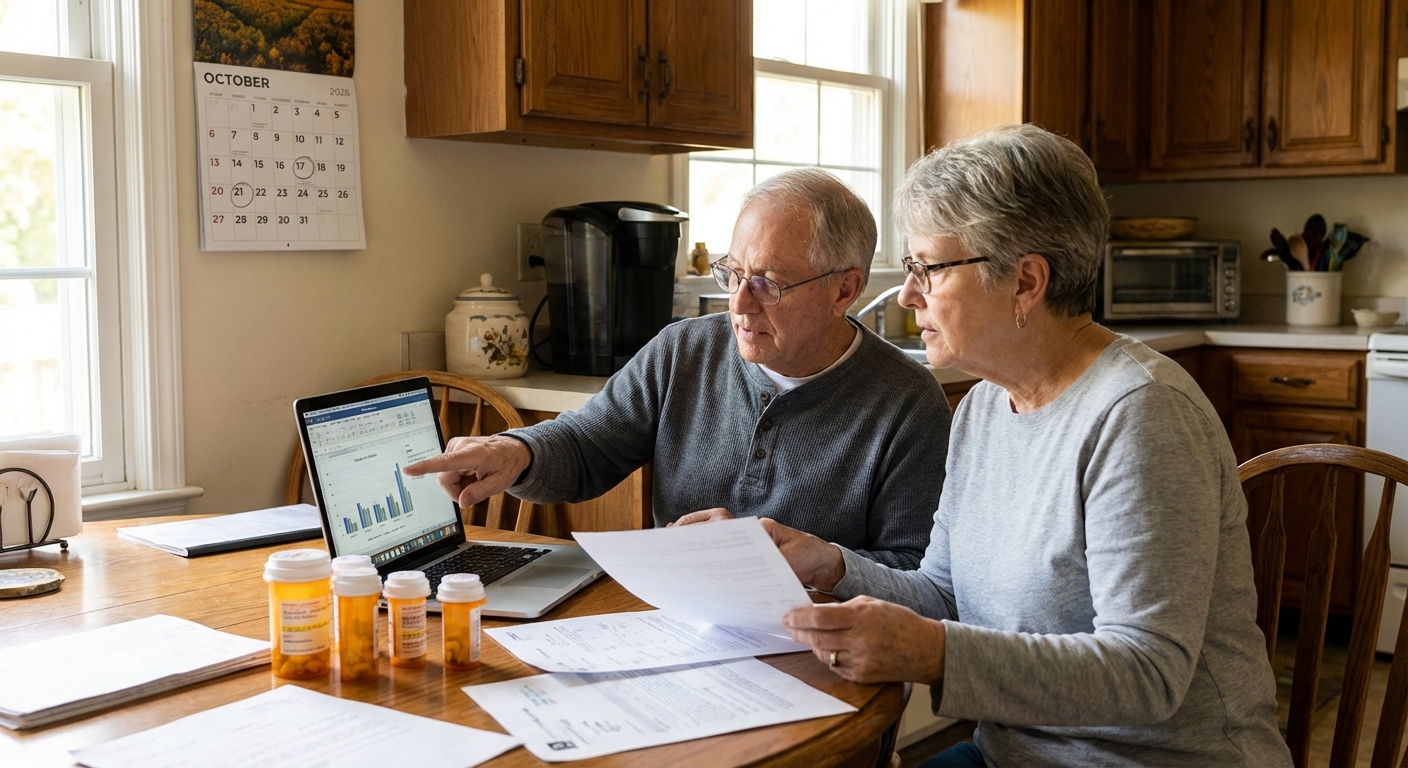
- Lifestyle and support system: Do you live alone? Do you have help at home post‑surgery? Can you travel to a cancer center for weekly treatments?
- Work and priorities: I once spoke with a truck driver who chose bladder‑preserving chemoradiation instead of surgery because a major operation would have put him out of work for too long.
These aren’t “soft” factors. They literally shape the treatment menu.
Step 4: The Main Treatment Paths (and How They’re Chosen)
1. Intravesical therapy (BCG and chemo into the bladder)
For non–muscle-invasive disease, especially high-risk, the standard workhorse is BCG – Bacillus Calmette–Guérin, a form of weakened bacteria placed directly into the bladder.
Why doctors choose BCG:- It’s been shown to reduce recurrences and progression in high‑risk NMIBC.
- It treats the whole bladder lining, not just visible tumors.
- Side effects: burning, frequent urination, fever, fatigue, and rarely more serious complications.
- It requires multiple clinic visits and follow‑up.
- BCG shortages (yes, actual supply shortages) sometimes limit access.
When I asked one patient why he stuck with BCG despite miserable side effects, he shrugged and said, “Side effects end. Cancer doesn’t. At least not by itself.”
If BCG doesn’t work or isn’t tolerated, doctors may recommend intravesical chemo (like gemcitabine or mitomycin) or consider more aggressive options like cystectomy.
2. Radical cystectomy (removing the bladder)
For muscle‑invasive cancer—or very high‑risk recurrent NMIBC—radical cystectomy (removal of the bladder and nearby lymph nodes, plus reproductive organs in many cases) is often the recommended path.
Why it’s considered:- It offers one of the best chances of long‑term control or cure for muscle‑invasive disease.
- It lets surgeons check lymph nodes and margins.
- Major surgery with significant recovery time.
- You need a new way for urine to leave the body: an ileal conduit (urostomy bag), a continent reservoir, or a neobladder.
- Changes body image, sexuality, and daily routines.
One man told me, very bluntly, “Losing my bladder scared me more than losing my hair ever did, but three years later I’m hiking again. I just have to pack differently.”
3. Chemotherapy and immunotherapy
For muscle-invasive disease, especially before cystectomy, many centers recommend neoadjuvant chemotherapy—platinum-based regimens like MVAC or gemcitabine/cisplatin.
Why? Multiple trials (including a landmark meta‑analysis published in Lancet in 2003) showed that adding cisplatin-based chemo before surgery improves survival.
For advanced or metastatic bladder cancer, the decision tree shifts toward:
- Systemic chemotherapy
- Immunotherapy (checkpoint inhibitors like pembrolizumab, nivolumab, atezolizumab)
- Targeted therapies for specific mutations (like FGFR3)
I watched one oncologist explain immunotherapy to a patient by saying, “Think of it as taking the brakes off your immune system so it can see the cancer properly.” Not a perfect metaphor, but a useful one.
4. Bladder-preserving chemoradiation
Some patients with muscle-invasive disease can choose bladder-preserving trimodality therapy:
- TURBT to remove as much tumor as possible
- Chemotherapy
- Radiation to the bladder
When I asked a radiation oncologist who this is for, she said, “Highly motivated patients, good bladder function, and tumors we can shrink to almost nothing with TURBT.”
Pros:
- You keep your bladder (if it responds well).
- No major abdominal surgery.
Cons:
- Long course of treatment.
- The bladder can still fail later or need removal if cancer recurs.
Step 5: The Multidisciplinary Huddle
Behind the scenes, treatment decisions for bladder cancer usually go through a tumor board—a regular meeting where urologists, medical oncologists, radiation oncologists, pathologists, and radiologists literally sit around a table and argue (respectfully) about the best options.
I’ve sat in the back of these meetings. They pull up scans, biopsy reports, lab values. Someone always asks: “What’s this patient’s performance status? What does he want?”
That last part matters more than people think.
Step 6: Your Values and Risk Tolerance
Here’s the piece no scan or biopsy can capture: your priorities.
In my interviews, I’ve heard:
- “I want the most aggressive thing. I don’t care about side effects; I care about years.”
- “I value quality of life over everything. I don’t want to spend the next year in and out of the hospital.”
- “I’m terrified of losing my bladder. I’ll try every bladder-preserving option first.”
- “Just tell me what you’d tell your own dad.”
Good doctors don’t just dump a menu on you; they translate:
- “Option A has a higher chance of cure but a bigger impact on your daily life.”
- “Option B preserves your bladder but comes with a higher risk of the cancer coming back or spreading.”
The actual decision is the intersection of:
- Medical data
- Clinical experience
- Guideline recommendations
- Your health
- Your personal threshold for risk and trade‑offs
What I Tell People Who Feel Overwhelmed
When friends or readers reach out in that panicked window after a new diagnosis, here’s what I share from watching this process up close:
- Ask your doctor straight up which risk group you’re in and what that usually means for treatment.
- Request your pathology report and imaging results and don’t be shy about asking someone to translate them line by line.
- Get a second opinion at a center that sees a lot of bladder cancer. The data show outcomes are often better at high‑volume centers.
- Bring someone to appointments or record them (with permission). You won’t remember half of what’s said.
- Say your priorities out loud. “I’m most afraid of X” is an extremely useful sentence for your care team.
Bladder cancer treatment decisions aren’t one-and-done. They get revisited at each scan, each cystoscopy, each response or non‑response to therapy. The story shifts, and so do the choices.
But once you understand how those choices are made—the logic behind them—you’re not just being carried along for the ride. You’re actually in the room, participating.
And in my experience, that shift—from passive patient to active decision‑maker—changes everything.
Sources
- National Cancer Institute – Bladder Cancer Treatment Overview - U.S. government summary of staging and treatment options
- American Cancer Society – Treating Bladder Cancer - Detailed guide to standard therapies and decision factors
- European Association of Urology Guidelines – Non–Muscle-Invasive Bladder Cancer - Professional guidelines on risk stratification and management
- National Comprehensive Cancer Network (NCCN) Guidelines for Patients: Bladder Cancer - Patient-friendly guideline on treatment pathways
- Memorial Sloan Kettering Cancer Center – Bladder Cancer Treatment Options - Academic center explanation of surgical, chemo, and bladder-preserving approaches