Learn About Early Health Warning Signs After 40 and When to See a Doctor
g, my jeans got mysteriously tighter, and I started keeping ibuprofen in more locations than my house keys.
That’s when I realized something slightly uncomfortable: after 40, your body sends quieter, subtler warning signs—and ignoring them is a bad strategy.
I’m not writing this as someone preaching from a mountaintop of perfect health. I’m writing as the person who once brushed off chest tightness as “probably stress,” and only later found out my blood pressure was firmly in the "please sit down" zone.
Let’s walk through the early health warning signs after 40 that I wish someone had explained to me clearly—plus when you really shouldn’t wait to see a doctor.
Why Things Change After 40 (And No, It’s Not All Doom)
When I asked my primary care doctor why my body suddenly felt like an older operating system running too many apps, she broke it down simply:
- Metabolism slows
- Blood vessels get stiffer
- Hormones shift (for all genders)
- Wear-and-tear finally shows up as symptoms
That doesn’t mean we’re destined for disaster. It does mean that small symptoms can be the first clue of bigger issues: cardiovascular disease, diabetes, cancer, or mental health conditions that have been simmering quietly for years.
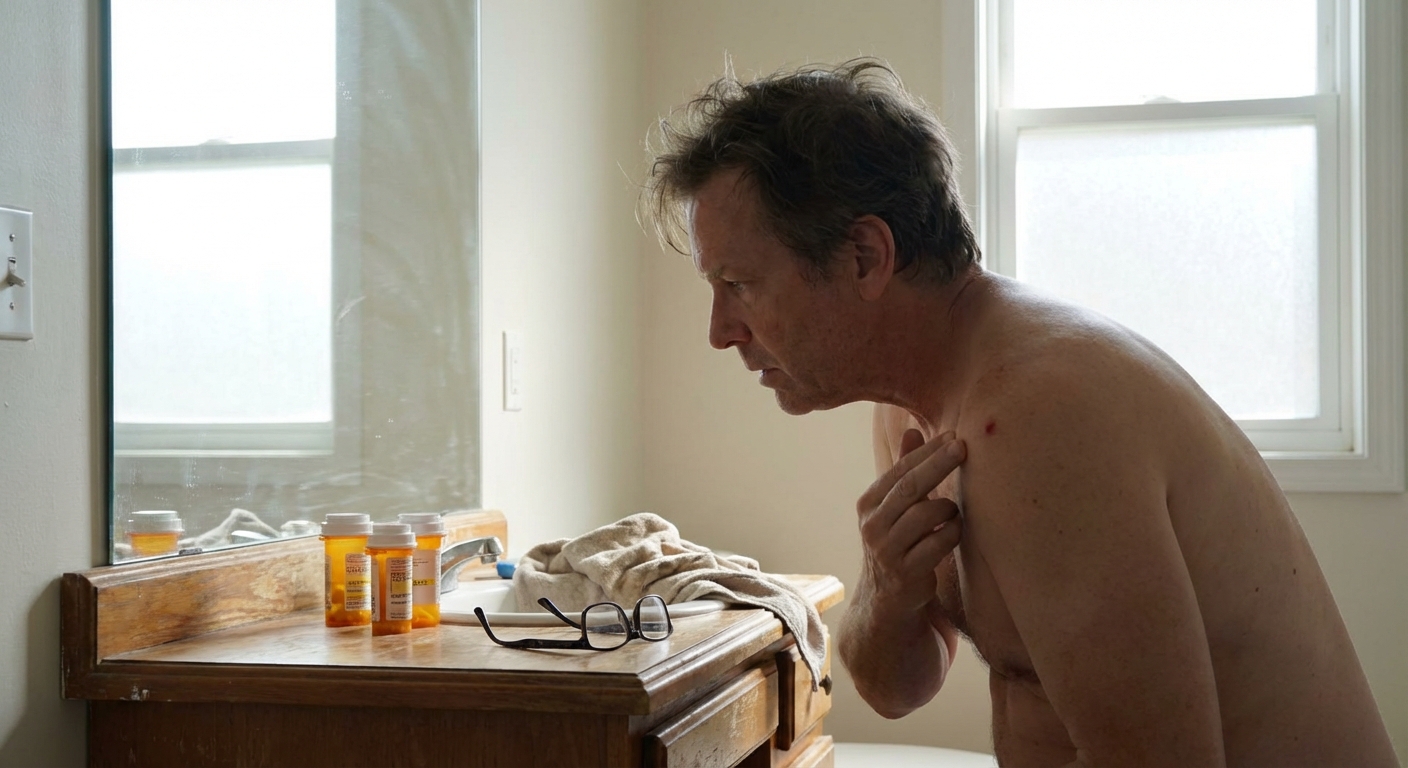
The goal isn’t to freak out over every twinge. It’s to recognize patterns that deserve a professional opinion sooner rather than later.
Silent But Serious: Heart and Circulation Red Flags
1. Subtle Shortness of Breath
When I tested my “I’m still young” theory by sprinting for a train, I felt more than just being out of shape—I had a weird tightness in my chest and needed longer than usual to recover. Later, I learned those can be early cardiovascular warning signs.
Pay attention if:- You’re winded by activities that used to be easy
- You feel chest pressure, tightness, or burning (especially with exertion)
- You notice shortness of breath lying flat or waking up gasping at night
- Within days if symptoms are new and persistent
- Immediately / call emergency services if you have chest pain plus sweating, nausea, pain radiating to jaw/arm/back, or a feeling of impending doom
The American Heart Association notes that heart disease can show up differently in women—symptoms can be vague, like fatigue, mild shortness of breath, or indigestion-like discomfort, rather than the classic crushing chest pain.
2. Blood Pressure Creep
I recently discovered that my “I feel fine, I don’t need a checkup” attitude had allowed my blood pressure to sneak into stage 1 hypertension territory. I only caught it because a pharmacy machine gave me a reading that made me re-check it three times.
High blood pressure often has no symptoms at all until damage is done.
Warning signs (often late):- Headaches, especially at the back of the head
- Visual changes
- Dizziness or feeling “off”
- If you get readings consistently ≥130/80 at home or a pharmacy
- Right away (same day or urgent care) if you see numbers above ~180/120, especially if you feel unwell
Metabolism, Blood Sugar, and the Sneaky Onset of Diabetes
I used to joke about “getting older and softer” until a fasting blood test showed my glucose creeping toward prediabetes. That was a wake-up call.
Signs your blood sugar might be off:
- You’re thirsty all the time and peeing more than usual
- You’re exhausted, even with decent sleep
- You have blurry vision that comes and goes
- Cuts and scrapes take forever to heal
- Numbness or tingling in your feet or hands
None of these automatically mean diabetes, but together, they’re a loud hint.
When to see a doctor:- Within a few weeks if you recognize several of these and you’re over 40, overweight, or have a family history
- Quickly if you also have rapid, unexplained weight loss, nausea, or fruity-smelling breath
Pros of catching this early: lifestyle changes and sometimes mild meds can reverse or delay progression. Cons: you’ll probably have to break up with your “breakfast is just coffee and vibes” routine.
Cancer Clues You Shouldn’t Ignore (Even If You Feel Fine)
I used to think cancer always came with dramatic symptoms. In reality, many early cancers are stealthy. Screening is your friend here.
General warning signs that deserve a closer look
- Unexplained weight loss (5–10% of your body weight in 6–12 months, without trying)
- New or changing skin moles: irregular borders, multiple colors, bleeding, itching
- Persistent hoarseness or cough lasting more than 3–4 weeks
- Blood where it shouldn’t be: in stool, urine, or sputum
- New lump or thickening in breast, testicle, neck, or anywhere under the skin
In my experience talking with oncologists for articles, they all repeat the same thing: they’d much rather see you “too early” than too late.
When to see a doctor:- Within a couple of weeks for any of the above that don’t resolve
- Immediately if you see bright red blood in stool, have black tarry stools, or cough up blood
Also: follow age-appropriate screening—mammograms, colonoscopy or stool tests, Pap/HPV, prostate discussions, and low-dose CT scans for heavy smokers. The data on survival with early detection is brutally clear.
Brain, Mood, and Memory: Not Just “Getting Old”
When I hit my mid-40s, I started walking into rooms and forgetting why. At first I laughed it off. But then I noticed my sleep was worse, my patience thinner, and my anxiety revving higher than usual.
Cognitive and mental health signs to watch
- Frequent memory lapses that disrupt daily tasks (not just forgetting a name, but forgetting appointments, bills, or familiar routes)
- Sudden personality or behavior changes per family/friends
- Persistent low mood most days for 2+ weeks
- Loss of interest in things you used to enjoy
- Sleep changes plus hopelessness or thoughts that life isn’t worth it
We seriously under-rate midlife depression and anxiety. Hormonal shifts, caregiving stress, work pressure, and health worries stack up.
When to see a doctor or therapist:- Within 1–2 weeks if mood or anxiety is affecting work, relationships, or sleep
- Urgently (same day or ER) if you have thoughts of self-harm or suicide
On the brain side: dementia doesn’t usually start at 40, but vascular changes can. If you notice memory issues plus trouble with planning, word-finding, or managing finances, don’t self-diagnose—get evaluated.
Digestive and Bathroom Changes You Shouldn’t Shrug Off
Nobody loves talking about poop at brunch, but your gut is a goldmine of early warning signs.
Watch for:
- Persistent heartburn (more than 2x/week) or food getting “stuck” when swallowing
- Change in bowel habits: new constipation, diarrhea, pencil-thin stools, or a pattern that’s clearly different for you
- Red or black stool, or mucus mixed with stool
I once ignored months of reflux until my doctor gently reminded me that chronic untreated heartburn can increase the risk of Barrett’s esophagus and esophageal cancer. Not the flex I was hoping for.
When to see a doctor:- Within a few weeks if over-the-counter antacids don’t help heartburn
- Within days if you see blood in stool or have ongoing changes in bowel habits
When “Just Tired” Might Be Something More
Midlife has this special blend of job stress, family drama, maybe aging parents, and less-than-stellar sleep. Fatigue is basically a lifestyle. But there are warning signs that your tiredness isn’t just being busy.
Concerning fatigue patterns
- You wake up tired even after a full night’s sleep
- You fall asleep unintentionally during the day
- You snore loudly, gasp, or stop breathing (your partner may notice this before you do)
- You feel weak, lightheaded, or have pale skin
Potential culprits range from anemia and thyroid issues to sleep apnea and chronic infections.
When to see a doctor:- Within a few weeks if fatigue is persistent and new for you
- Sooner if fatigue comes with chest pain, shortness of breath, or rapid heart rate
Tests and Checkups After 40: What I Actually Do Now
I used to treat annual checkups like dentist visits: something I’d “get to later.” When I finally committed, here’s what my doctor and I now keep an eye on:
- Blood pressure, heart rate, weight, and waist circumference
- Fasting blood sugar or A1C
- Lipid panel (cholesterol, triglycerides)
- Liver and kidney function
- Age-appropriate cancer screening (colon, breast, cervical, prostate discussions, etc.)
Pros:
- You catch problems that don’t have symptoms yet
- You get a baseline to compare future changes
Cons:
- You may uncover things that require follow-up tests and lifestyle changes (aka work)
- Occasional false alarms—tests aren’t perfect
But after researching the data and watching friends catch issues early—like prediabetes, stage 1 breast cancer, and sleep apnea—I’ve decided the trade-off is worth it.
Quick Guide: When You Shouldn’t Wait
If you’re over 40, don’t delay medical attention for:
- Chest pain, pressure, or tightness (especially with exertion)
- Sudden weakness, numbness, or difficulty speaking (possible stroke)
- Sudden vision loss or severe headache unlike anything you’ve had before
- Coughing or vomiting blood
- Significant, unexplained weight loss
- Thoughts of self-harm or suicide
For slower, quieter changes—new fatigue, bathroom changes, mood shifts, weird lumps—book that appointment within a few weeks. You’re not “bothering” your doctor; this is literally their job.
The Bottom Line: Pay Attention, But Don’t Panic
After 40, the game isn’t about staying forever young. It’s about catching problems when they’re tiny and highly treatable.
From my own experience—and from talking with physicians, nurses, and researchers for years—three things make the biggest difference:
- Know your baseline. What’s normal for you? When that changes, that’s your cue.
- Listen to recurring symptoms. One random headache is noise. A new pattern is a signal.
- Use professionals, not search results, for diagnosis. Google is phenomenal at turning mild reflux into a terminal disease at 2 a.m.
You don’t need to live in fear of every ache and pain. But you also don’t have to wait until something is “really bad” to ask for help. Your 40s and beyond can be strong, healthy decades—if you treat your body less like a rental car and more like a long-term investment.
And if you’ve been putting off that checkup for a year (or three)…this is your sign.
Sources
- American Heart Association – Warning Signs of a Heart Attack - Overview of common and atypical heart attack symptoms
- Centers for Disease Control and Prevention – Diabetes Symptoms - Key early signs and risk factors for diabetes
- National Cancer Institute – Signs and Symptoms of Cancer - Evidence-based list of possible cancer-related symptoms
- U.S. Preventive Services Task Force – Recommended Screening Guidelines - Official preventive screening recommendations by age and risk
- Harvard Health Publishing – 10 Symptoms You Shouldn’t Ignore - Practical breakdown of serious symptoms and when to seek care