Learn About Fatty Liver Signs and When to Talk to a Doctor
enzymes and my doctor casually said, “We should rule out fatty liver.”
That one sentence sent me down a rabbit hole of research, food tracking, and (honestly) a little bit of panic. As I dug in, I realized how many people have fatty liver disease and have no clue. If you’ve ever wondered whether your liver’s quietly waving a white flag, you’re not alone.
Let’s walk through what I wish I’d known earlier—what fatty liver actually is, the subtle signs, and when it’s time to call your doctor instead of Dr. Google.
What Fatty Liver Actually Is (Without the Jargon Overload)
When I first heard “fatty liver,” I pictured a liver literally wrapped in butter. Not quite.
Fatty liver disease basically means too much fat has built up inside liver cells. A small amount of fat is normal. But once fat makes up more than about 5–10% of the liver’s weight, it starts to be a problem.There are two main types:
- Alcohol-associated fatty liver disease (AFLD) – caused by heavy alcohol use.
- Nonalcoholic fatty liver disease (NAFLD) – happens in people who drink little or no alcohol.
NAFLD is the sneaky one. The CDC estimates about 24% of U.S. adults have it, many without knowing it. Some of those go on to develop NASH (nonalcoholic steatohepatitis), which is when the liver is not just fatty but also inflamed and damaged. That’s the stage that can lead to scarring (fibrosis), cirrhosis, or even liver cancer.

When my doctor explained this, it was the first time I realized: you can feel “fine” and still have a liver that’s quietly struggling.
The Weird Thing About Fatty Liver Symptoms
Here’s the most frustrating part…
Most people with fatty liver have no obvious symptoms at all.When I tested this myself (by paying closer attention to my own body after my lab results), I realized I’d been writing off little signs as “just getting older” or “I probably slept weird.” None of these are diagnostic on their own, but they’re worth paying attention to if they stack up.
Common subtle signs people report
- Tiredness that just lingers. I’m talking that “why am I exhausted after a normal day?” fatigue.
- Discomfort or fullness on the upper right side of the belly. When I finally noticed this, it felt like a dull pressure under my right rib cage, not a sharp pain.
- Unexplained weight gain, especially around the belly. A classic risk factor combo.
- Mild nausea or feeling “off” after fatty meals. I used to blame the pizza. Might’ve been my liver, too.
- Brain fog. This one’s tricky; so many things cause it, but if you have other risk factors, it’s part of the puzzle.
More serious warning signs (don’t ignore these)
These usually suggest more advanced liver disease and are definitely a “call your doctor now” situation:
- Yellowing of the skin or eyes (jaundice)
- Dark urine or pale, clay-colored stools
- Swollen belly, legs, or ankles (fluid retention)
- Easy bruising or bleeding
- Intense itching all over
- Loss of appetite and rapid, unexplained weight loss
Personally, I had none of these severe signs—and that was the scary part. My labs were the only early clue.
Who’s Most at Risk (And Why I Realized I Was On The List)
When I went through the risk factors with my doctor, I felt like I was checking boxes on a “Congratulations, you may have fatty liver!” form.
Major risk factors include:- Overweight or obesity, especially belly fat
- Type 2 diabetes or prediabetes
- High cholesterol or high triglycerides
- Metabolic syndrome (a cluster of high blood pressure, high blood sugar, abnormal cholesterol, and central obesity)
- Polycystic ovary syndrome (PCOS)
- Sleep apnea
- Family history of fatty liver or cirrhosis
- Certain medications, like long-term corticosteroids or some cancer drugs
In my case, I wasn’t obese, but I had creeping weight gain around my waist, borderline high triglycerides, and I sat a lot for work. My doctor basically said, “Your labs are whispering; let’s listen before they start shouting.”
How Doctors Actually Check for Fatty Liver
I used to assume you’d feel liver damage. You often don’t. That’s why screening matters.
Here’s what my own workup looked like and what’s typical:
1. Blood tests
Most people start with routine blood work:
- ALT and AST – liver enzymes. High levels can mean liver irritation, but they can also be normal in people with fatty liver.
- GGT, ALP, bilirubin – give more clues about overall liver function.
When I got my labs back, my ALT was mildly elevated. Not sky-high, but enough that my doctor wanted to dig deeper.
2. Imaging
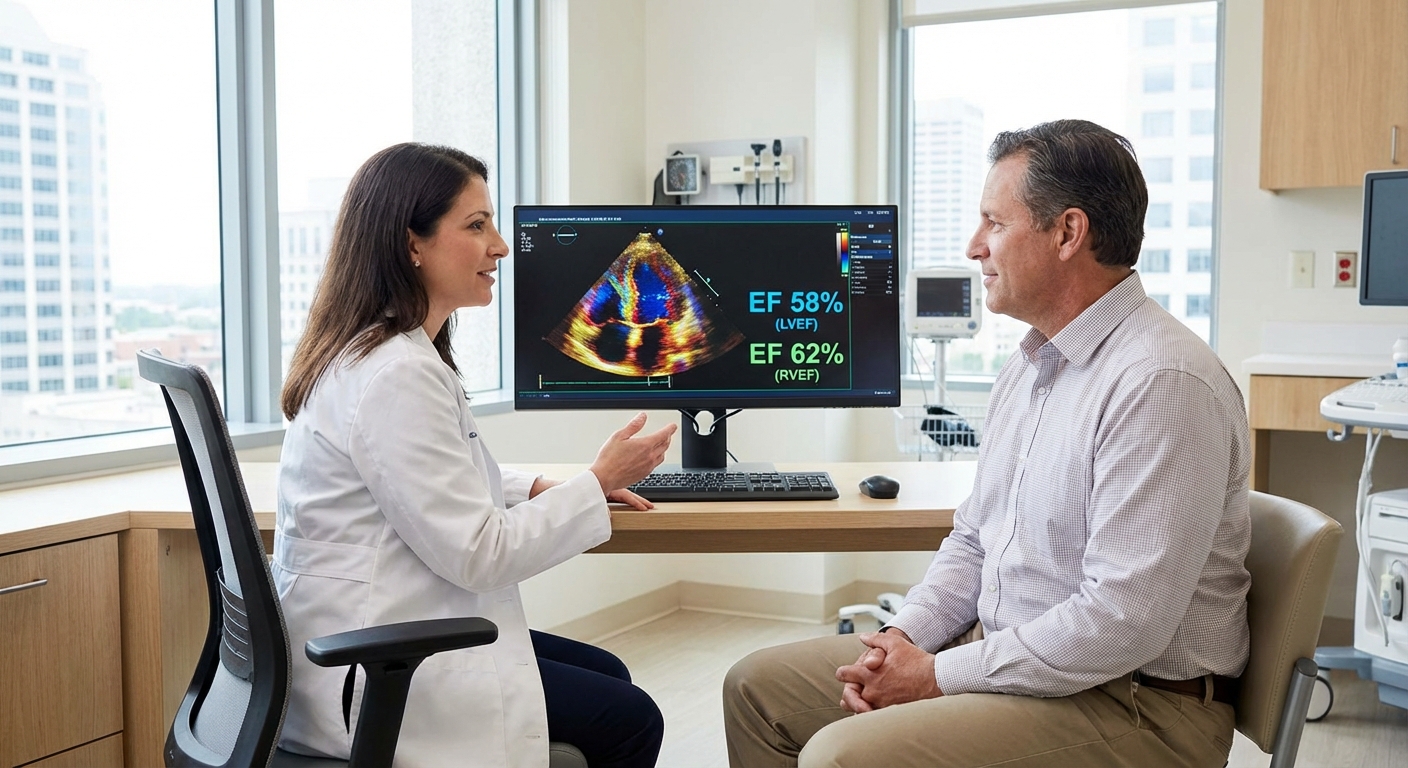
My doctor ordered an abdominal ultrasound. It’s painless and non-invasive. The radiologist literally wrote “increased echogenicity consistent with fatty infiltration,” which is medical-speak for “your liver looks fattier than it should.”
There are also more advanced tests:
- FibroScan (transient elastography) – a special ultrasound that measures liver stiffness (aka scarring). I didn’t need this initially, but it’s becoming standard for staging disease.
- MRI-based techniques – more precise, used in trickier cases.
3. Sometimes, a liver biopsy
In more severe or unclear cases, doctors may do a liver biopsy, where a tiny piece of liver tissue is examined under a microscope. That’s the gold standard for diagnosing NASH and grading fibrosis. My doctor explained the pros and cons; we decided against it initially because my imaging and labs suggested early disease.
When You Really Should Talk to a Doctor
If you’re like me, you might be tempted to “clean up your diet for a few months” and just hope everything fixes itself. I tried that. It’s not a plan; it’s a delay.
You should absolutely book an appointment if:
- Your routine blood work shows elevated liver enzymes (ALT, AST) and your doctor mentions fatty liver.
- You have multiple risk factors (overweight, diabetes, high triglycerides) even if you feel fine.
- You notice any serious warning signs: jaundice, swelling, dark urine, or unexplained weight loss.
- You drink regularly and are starting to wonder if your liver’s paying the price.
What surprised me is that my doctor wasn’t just looking to “label” me with a diagnosis. She wanted to catch things early, because early-stage fatty liver is often reversible with lifestyle changes.
What Actually Helps (From Someone Who Tried a Bunch of Stuff)
I went through several phases: denial, over-Googling, trying random supplements, then finally listening to the evidence.
Here’s what my doctor and the research actually support—and how it played out for me.
1. Weight loss (but not crash diets)
Evidence from multiple studies shows that losing 7–10% of body weight can significantly reduce liver fat, and may even reverse inflammation in NASH.
In my experience, even a 5% weight drop made a difference in my follow-up labs. I didn’t do anything extreme—just:
- Slightly smaller portions
- More fiber and protein
- Less “I deserve this” nightly dessert
Crash diets and extreme fasting? My hepatologist contact was very clear: they can temporarily worsen liver stress if done recklessly.
2. What I changed in my diet
I didn’t go keto or vegan overnight. I focused on a Mediterranean-style pattern, which has solid evidence for metabolic health:
- More: veggies, fruits, whole grains, beans, nuts, olive oil, fish
- Less: sugary drinks, desserts, refined carbs (white bread, pastries), heavily processed meats
I also cut way back on fructose-heavy drinks (sodas, energy drinks, sweetened juices). Several studies link high fructose intake with fatty liver.
Did I quit sugar completely? No. But I made it something I choose, not something that sneaks into every meal.
3. Movement (even when I didn’t feel like “exercising”)
The research is pretty consistent: a mix of cardio and resistance training improves liver fat, even without massive weight loss.
When I tested this, I found three things that were sustainable:
- 30–40 minutes of brisk walking most days
- Two simple strength workouts a week (bodyweight and dumbbells)
- Getting up at least once an hour when working
Nothing fancy. My follow-up ultrasound report actually noted “improvement in hepatic steatosis.” That line alone was worth many boring walks.
4. Alcohol: the awkward conversation
Even if your fatty liver isn’t caused by alcohol, most liver specialists now advise minimizing or avoiding alcohol, especially if you already have liver disease.
I wasn’t a heavy drinker, but I did like my weekend drinks. Reducing it to maybe 1–2 drinks a month felt like a small price to pay for a calmer lab report.
5. Supplements: what I learned the hard way
I went down the supplement rabbit hole: milk thistle, turmeric, mystery “liver cleanse” pills.
In the end, my doctor and the research told a much less sexy story:
- Some supplements show potential (like vitamin E in specific NASH cases), but they’re not for everyone and can have side effects.
- Many over-the-counter “liver detox” products are unregulated and can actually cause liver injury.
Now I run every supplement by my doctor, and we focus more on food and movement than pills.
The Real Talk: What Fatty Liver Means Long-Term
Fatty liver isn’t an automatic sentence to cirrhosis. Many people never progress beyond simple fat accumulation, especially if they make changes early.
But here’s the part that got my attention:
- NAFLD is now one of the leading causes of chronic liver disease worldwide.
- It’s strongly linked with heart disease, which is actually more likely to cause problems than liver failure in many patients.
So to me, fatty liver became less about “this one organ is mad” and more about “my whole metabolic system is asking for help.”
My experience so far: with realistic diet changes, movement, better sleep, and less alcohol, my liver enzymes normalized and my repeat imaging improved. I still check annually. I don’t claim to have “cured” anything—but I feel like I caught a silent issue before it screamed.
When You Log Off and Actually Act
If any of this sounds uncomfortably familiar, here’s the gentle nudge:
- Ask for a copy of your latest blood tests and look at ALT/AST.
- If you’ve never had them checked and you have risk factors, talk to your doctor.
- Don’t wait for dramatic symptoms; fatty liver is a slow burn long before it’s an emergency.
I recently discovered that the scariest part wasn’t having slightly fatty liver—it was almost never finding out until it was much worse. A 15-minute conversation with your doctor and a basic lab panel are a tiny price for that kind of peace of mind.
Your liver does hundreds of jobs for you every day, silently. The least we can do is listen when it whispers.
Sources
- Nonalcoholic Fatty Liver Disease (NAFLD) – U.S. CDC - Overview of NAFLD, risk factors, and prevalence
- Fatty Liver Disease – National Institute of Diabetes and Digestive and Kidney Diseases (NIDDK) - Detailed explanation of NAFLD and NASH, diagnosis, and treatment
- Nonalcoholic Fatty Liver Disease – Mayo Clinic - Symptoms, causes, and when to see a doctor
- EASL–EASD–EASO Clinical Practice Guidelines for the management of non-alcoholic fatty liver disease - Evidence-based recommendations on diagnosis and management
- NAFLD: A Growing Public Health Problem – Harvard Health - Accessible summary of research and lifestyle recommendations