Learn about knee swelling relief strategies
the office stairs, pretending everything was fine while secretly Googling things like “do I need a new knee.” That was the moment I realized: I knew shockingly little about knee swelling, even though I write about health for a living.
Since then, I’ve tested a bunch of strategies on my own cranky knees, dug into the research, and spoken with orthopedic specialists and physical therapists. What I found: knee swelling isn’t just annoying—it’s your body yelling, “Hey, something’s wrong down here!” And the way you respond can either speed up healing… or quietly make things worse.
Let’s walk through (carefully) what actually helps, what’s overhyped, and how to think about knee swelling like a pro.
What knee swelling really means (and why it matters)
When your knee looks bigger or feels tight, you’re usually dealing with one of two things:
- Effusion ("water on the knee") – extra fluid inside the joint capsule.
- Inflammation in the surrounding tissues – like bursae, tendons, or soft tissue.
In my case, an MRI later showed a mild meniscus irritation plus good old-fashioned overuse. According to the American Academy of Orthopaedic Surgeons (AAOS), common causes include:
- Osteoarthritis
- Ligament sprains (ACL, MCL, etc.)
- Meniscus tears
- Bursitis
- Gout or pseudogout
- Infection (septic arthritis) – the scary but rare one
The big takeaway I got from my orthopedic consult: swelling is a symptom, not a diagnosis. Relief strategies help, but you still want to understand why the swelling is there—especially if it keeps coming back.
The first 48 hours: what actually helps (R.I.C.E. with updates)
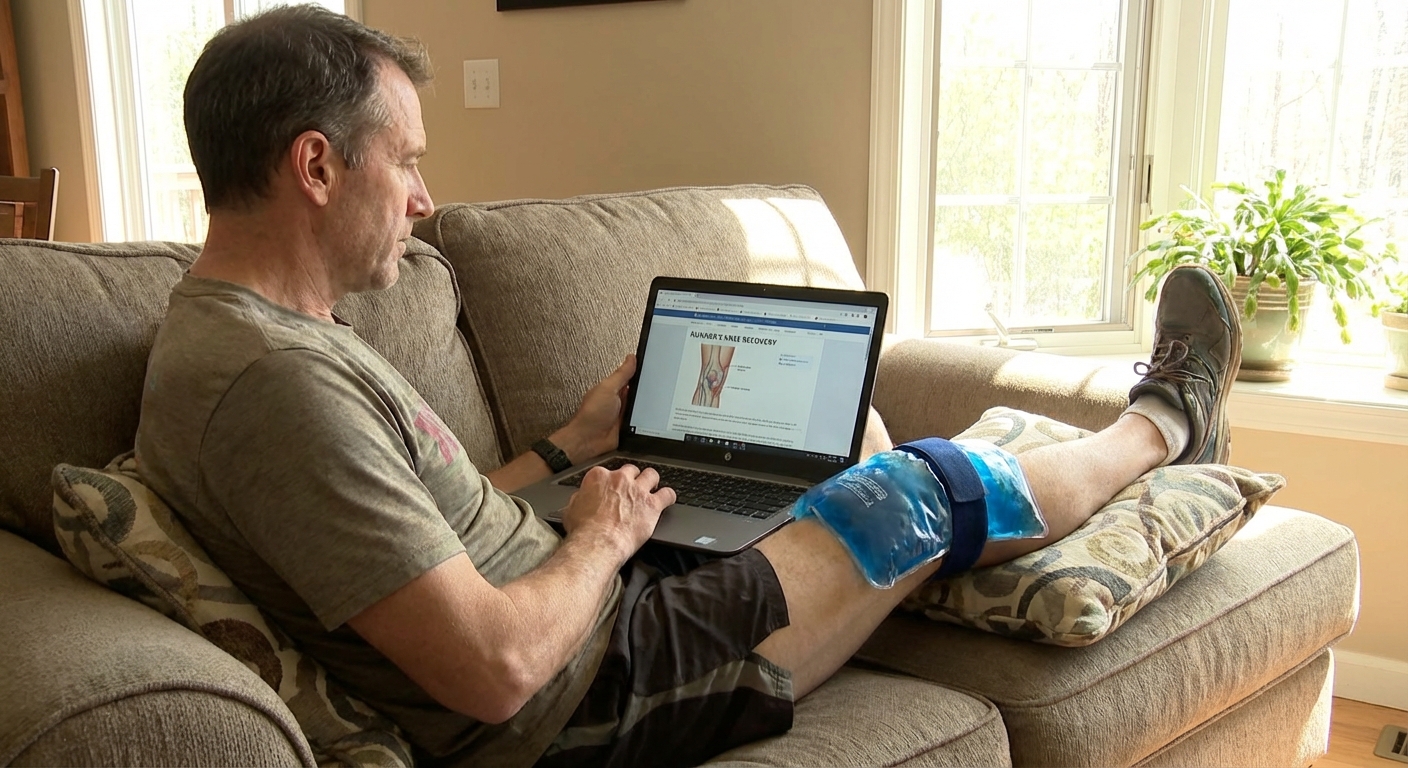
When my knee first blew up, I did the classic RICE protocol: Rest, Ice, Compression, Elevation. Honestly, it helped—but I also made some mistakes.
Rest… but not bed rest
I made the rookie move of barely moving for two days. The swelling dropped, but my knee felt stiff and old. What my physical therapist later told me:
- Short-term relative rest is good: avoid painful, high-impact activities.
- Total inactivity? Not so much. Gentle pain-free movement helps fluid drain and prevents stiffness.
Now, when my knee flares up, I avoid long walks, deep squats, and stairs—but I still do easy range-of-motion exercises.
Ice: when I tested this vs. heat
I tried alternating heat and ice early on because someone on a forum swore by it. Under 48 hours after an injury, that made things worse for me.
Evidence and most sports medicine guidelines say:
- Ice (15–20 minutes, several times a day) in the first 24–48 hours can reduce pain and limit excessive inflammation.
- Heat is better later, for stiffness and muscle tension, not fresh swelling.
In my experience, ice packs plus a thin towel—never directly on skin—worked best.
Compression: the underrated hero
The first time I used a proper compression sleeve, I was almost mad I hadn’t tried it sooner. It gave my knee support and helped keep the swelling from ballooning throughout the day.
What worked for me and what I’ve heard repeatedly from clinicians:
- Use a graduated compression sleeve or elastic wrap.
- It should feel snug, not painful or tingly.
- Take breaks—don’t wear it 24/7.
Elevation: position actually matters
I initially just put my leg on a stool and called it a day. Then my PT showed me how much better it works when your knee is above the level of your heart. That angle helps fluid drain back toward your torso.
My real-world setup: lying on the couch with my heel propped on two pillows so the back of my knee is free (not smashed into the cushion).
Medications: what helped, what I stopped using, and why
When my knee first swelled, I relied heavily on ibuprofen. It worked… until it didn’t.
NSAIDs (ibuprofen, naproxen)
Nonsteroidal anti-inflammatory drugs (NSAIDs) can reduce pain and swelling. The Mayo Clinic and many orthopedic guidelines still recommend them short-term.
In my experience:
- They helped me walk more normally during an acute flare.
- After a week of frequent use, I noticed stomach irritation.
The downsides, which researchers and clinicians emphasize:
- Risk of stomach ulcers and bleeding, especially with long-term use.
- Potential kidney effects in some people.
- Can mask pain so you push the joint too hard.
Now I use NSAIDs sparingly and only under my doctor’s guidance.
Topical gels vs. pills
When I tested topical diclofenac gel (sold as Voltaren), I was surprised how well it worked with fewer systemic side effects.
Research backs this up: topical NSAIDs can offer similar pain relief for some people with osteoarthritis, with lower blood levels of the drug. For my milder flares, the gel plus compression is usually enough.
When I skip meds entirely
Some mild swellings respond well to:
- Ice
- Compression
- Very gentle mobility work
I’ve had days where skipping meds forced me to actually respect my limits—which, oddly, sped up healing.
Movement and exercise: the counterintuitive fix
The hardest advice to follow was this: you usually need to move more intelligently, not less.
The mistake I kept making
I’d rest until the swelling went down, then jump straight back into deep squats and long walks. Cue: repeat swelling.
A sports medicine doctor broke it down for me like this:
> "You don’t rehab to the activity; you rehab through a progression of activities."
What actually worked for me
With guidance from a physical therapist, I followed this rough pattern:
- Early phase:
- Heel slides (bending and straightening the knee while lying down)
- Quad sets (tightening the thigh without moving the knee much)
- Straight leg raises
- Building phase:
- Mini-squats within a pain-free range
- Step-ups on a low step
- Hip strengthening (glute bridges, clamshells) to take load off the knee
- Return to activity:
- Gradually increasing walking distance
- Later, adding light jogging and careful hiking
Any time swelling jumped significantly the next day, I treated that as data: I’d done too much.
Braces, sleeves, and taping: what’s actually worth it
I’ve tried:
- A basic elastic sleeve
- A hinged knee brace
- Kinesiology tape (KT tape)
In my experience, tape is a “nice extra,” not a core strategy.
When knee swelling is a red flag (don’t DIY this)
One night my knee got hot, really red, and I felt feverish. That was the only time I skipped Google and went straight to urgent care.
The doctor was ruling out septic arthritis, an infection inside the joint. It’s rare but can permanently damage the knee—or worse—if ignored.
You should seek urgent medical care if you notice:
- Sudden, severe swelling with intense pain
- The knee is hot, very red, and extremely tender
- Fever, chills, or feeling very unwell
- You can’t put any weight on the leg
- A big, obvious deformity after trauma
Also see a doctor (orthopedic or rheumatologist) if:
- Swelling lasts more than a week with no improvement
- It keeps coming back with minor activity
- You’ve had a significant injury (twist, fall, pop) and the knee feels unstable
When I finally got a proper workup (X-ray, then MRI), it clarified everything—no ACL tear, just early cartilage wear and a grumpy meniscus. That shifted my whole strategy from crisis management to long-term joint care.
Lifestyle shifts that quietly reduced my flare-ups
There’s no perfect “knee diet,” but a few changes noticeably helped me.
Weight and load
Losing even a small amount of weight made more difference than I expected. The Arthritis Foundation often cites research estimating that each extra pound of body weight adds about 4 pounds of pressure across the knee when walking. When I dropped 7–8 pounds, my daily ache dropped too.
Strength training and alignment
Once I started focusing on hip and glute strength, my knees tracked better during squats and stairs. My PT called it “proximal stability for distal control” – in normal language: strong hips protect your knees.
Inflammation and diet
I experimented with two weeks of ultra-processed snack foods (for science… and poor self-control). My knees didn’t love it.
While the evidence on specific "anti-inflammatory diets" is still evolving, there is growing support for:
- More fruits, vegetables, whole grains, and omega-3s (like fatty fish)
- Less sugary drinks, refined carbs, and heavily processed foods
My swelling didn’t vanish with better eating, but my baseline pain and morning stiffness definitely eased.
What I wish I’d known earlier about knee swelling
If I could go back and talk to my limping, panicked self on that Monday morning, I’d say:
- Don’t freak out, but do respect the swelling.
- Use RICE smartly—especially compression and proper elevation.
- NSAIDs are tools, not a lifestyle.
- Gentle, guided movement beats total rest for most non-serious injuries.
- If swelling keeps returning, push for a real diagnosis, not just a pain pill.
- Think long game: strength, weight management, and daily habits matter as much as what you do the week of an injury.
And I’d add this: your knee isn’t betraying you. It’s communicating. When I finally treated my swelling as data instead of an enemy, every flare-up became a clue that helped me build a more resilient, less cranky joint.
If your knee is talking right now, listen closely—and respond with a mix of caution, curiosity, and a little science-backed stubbornness.
Sources
- American Academy of Orthopaedic Surgeons – Swollen Knee – Overview of causes, diagnosis, and treatment for knee effusion.
- Mayo Clinic – Knee Pain – Clinical explanation of common knee conditions and red-flag symptoms.
- Arthritis Foundation – Weight and Joint Pain – Discussion of how body weight affects load on the knees.
- Cleveland Clinic – R.I.C.E. Method – Details on rest, ice, compression, and elevation for acute injuries.
- Johns Hopkins Medicine – Septic Arthritis – Information on symptoms and urgency of joint infections.