Learn About Signs of Worsening Liver Cirrhosis and When to Seek Care
watched a close relative go from “a bit of liver scarring” on an ultrasound to full-blown complications frighteningly fast.
Seeing that up close completely changed how I look at subtle body changes. Some of the early warning signs of worsening cirrhosis looked so harmless at first that we almost ignored them – until an ER doctor bluntly said, “If you’d waited a few more days, this could’ve gone very differently.”
So I want to walk you through what I’ve learned since, both from that experience and from digging deep into medical guidelines, hepatology textbooks, and research. I’m not your personal doctor, but I’ve spent many late nights cross-checking sources like the American Association for the Study of Liver Diseases (AASLD) and Mayo Clinic because I never want to be caught off guard like that again.
A Quick, Real-World Explanation of Cirrhosis
When doctors say cirrhosis, they’re talking about long-term, serious liver damage where normal liver cells are replaced by scar tissue. That scarring distorts the structure of the liver and blocks blood flow through it.
In my experience listening to hepatologists explain it, there are two big phases that matter for everyday life:
- Compensated cirrhosis – The liver is damaged but still “coping.” People often have few or no symptoms. Many feel mostly okay.
- Decompensated cirrhosis – The liver can’t keep up anymore. Complications start showing up: fluid in the belly, confusion, bleeding, infections.
The line between those two can be crossed very suddenly. That’s why spotting worsening signs early – and knowing when to get urgent help – can literally change outcomes.
Subtle Early Signs I’d Never Ignore Again
When my relative’s cirrhosis started getting worse, it didn’t begin with some dramatic collapse. It was tiny, weird things we almost laughed off.
Here are early changes that, in hindsight, were red flags:
1. New or worsening fatigue
This wasn’t just “I’m tired from work.” It was a deep, dragging exhaustion.
- Needing daytime naps when they never used to
- Struggling to finish normal chores
- Feeling wiped out after climbing a single flight of stairs
Chronic liver disease can cause fatigue for a lot of reasons: altered metabolism, inflammation, anemia, disturbed sleep. On its own, tiredness doesn’t prove cirrhosis is worsening, but new, unexplained fatigue in someone with known liver disease deserves a mention to a doctor.
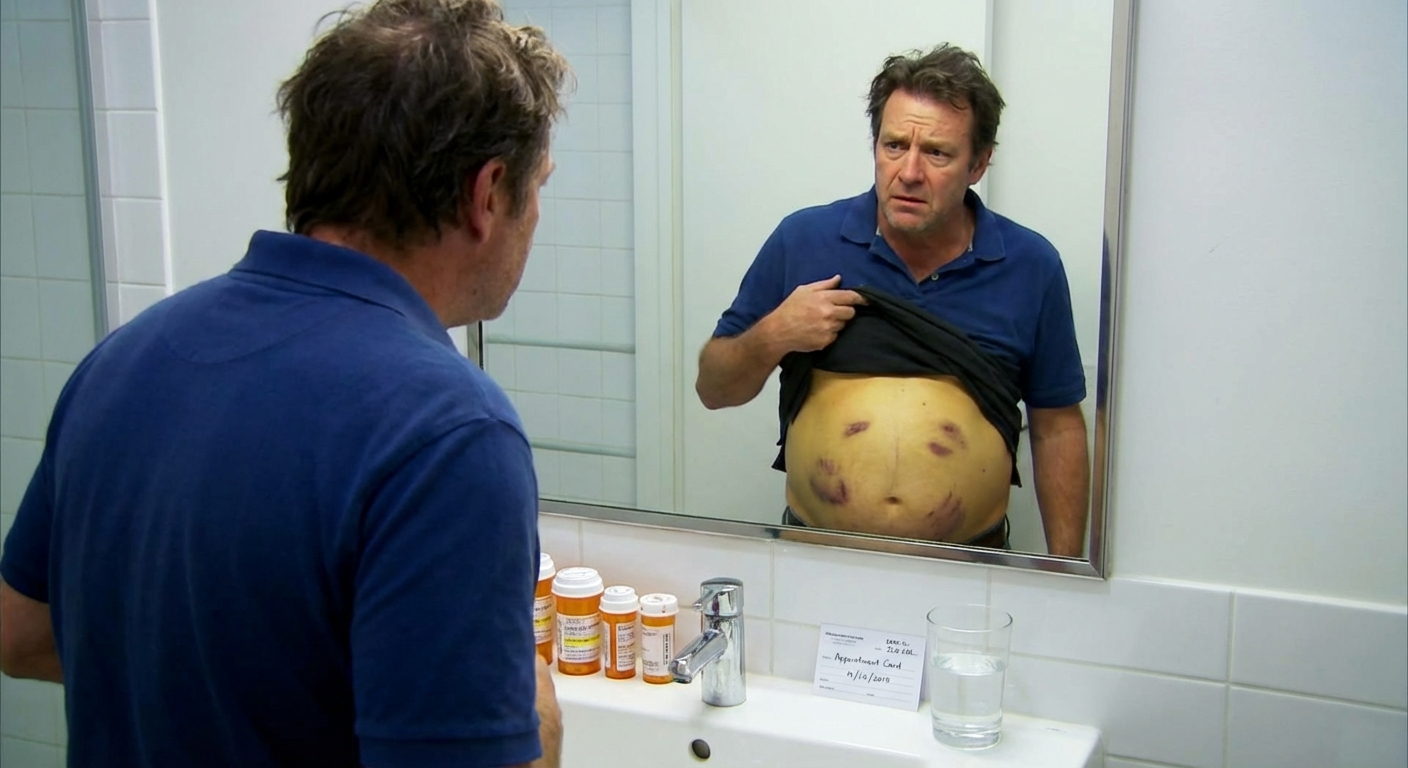
2. Bruising more easily
I remember my relative saying, “I just bumped into the counter and look at this bruise.” Over the next month, we saw more of them.
The liver helps make clotting factors – proteins that stop bleeding. As cirrhosis worsens, those proteins drop. That can show up as:
- Easy bruising
- Frequent nosebleeds
- Bleeding gums when brushing
If you already know you have cirrhosis and suddenly notice you’re bruising like a peach, that’s a sign your liver’s synthetic function may be slipping.
3. Itchy skin that just won’t quit
This one surprised me. The itchiness (doctors call it pruritus) was worst at night, with no rash.
When bile flow is impaired, bile salts and other substances build up in the blood and can trigger intense itching. Moisturizers didn’t help much. Antihistamines weren’t magic either. It was a clue that the liver and bile ducts weren’t happy.
Major Warning Signs: When Cirrhosis Starts “Decompensating”
Here’s where things get serious. Once these kinds of symptoms show up, we’re usually talking about decompensated cirrhosis – a turning point that often needs hospital-level care.
4. Swollen belly (ascites)
When I first saw my relative’s belly suddenly puff up over a few weeks, we joked about “quarantine weight.” It wasn’t funny later.
Ascites is fluid build-up in the abdomen caused by high portal pressure and low albumin (another protein the liver normally makes). Signs include:- Suddenly needing larger pants around the waist
- Feeling tightness, fullness, or pressure in the belly
- Shortness of breath when lying flat (fluid pushes up on the lungs)
Doctors often confirm it with an ultrasound and sometimes a paracentesis (using a needle to drain fluid and test it).
> ⚠️ Seek care quickly if: your belly suddenly swells, especially with shortness of breath, pain, or fever.
5. Leg and ankle swelling
Edema in the legs and feet can look like sock marks that never go away, shoes fitting tighter, or pitting when you press on the skin with a finger.This can be from low albumin, salt retention, and heart or kidney strain related to cirrhosis. Mild swelling might be managed with diet and medications, but sudden or severe swelling is a flag your body’s fluid balance is way off.
6. Jaundice: yellow skin and eyes
The day I really panicked was when I saw a faint yellow tinge in my relative’s eyes in daylight. Not bright yellow, just… not quite white.
Jaundice happens when bilirubin builds up in the blood because the liver can’t process it properly. You might notice:- Yellowing of the whites of the eyes (sclera)
- Yellow or bronze skin tone
- Dark, tea-colored urine
- Pale, clay-colored stool
> ⚠️ Call your doctor urgently or go to urgent care/ER if jaundice appears suddenly or is accompanied by fever, abdominal pain, or confusion.
7. Confusion, sleep changes, or personality shifts
This one is sneaky and scary. My relative started:
- Repeating questions
- Taking much longer to do simple tasks
- Getting days mixed up
We thought it was just stress, until the hepatologist calmly said, “This sounds like hepatic encephalopathy.”
When a damaged liver can’t clear toxins (especially ammonia) properly, they affect the brain. Warning signs:
- New confusion or “brain fog”
- Trouble concentrating, reversed sleep cycle (awake all night, sleepy all day)
- Slurred speech, shaky hands (asterixis)
- Personality changes, irritability, poor judgment
> ⚠️ This is an emergency. New confusion or major behavior change in someone with cirrhosis should be treated as urgent. ER-level urgent.
8. Vomiting blood or black, tarry stools
The phrase “you must not wait at home for this” is what one GI doctor used when describing bleeding in cirrhosis.
Cirrhosis raises pressure in the portal vein and can cause varices – fragile, enlarged veins in the esophagus or stomach. If they rupture, they can bleed heavily.
Signs:
- Vomiting bright red blood or “coffee-ground” material
- Stools that are black and tarry (melena)
- Dizziness, fainting, or racing heartbeat
> ⚠️ Call emergency services immediately. This is life-threatening.
Less Dramatic, Still Serious: Other Signs to Watch
Not every sign screams “ER now,” but these still mean it’s time to talk to your care team soon:
- Unintentional weight loss and muscle wasting – Narrower face, thinner arms/legs while belly looks bigger. Cirrhosis often causes sarcopenia (loss of muscle mass).
- Frequent infections – Cirrhosis weakens the immune system. Recurrent UTIs, skin infections, or pneumonia shouldn’t be brushed off.
- Severe loss of appetite or nausea – Especially when combined with weight loss or fatigue.
- Changes in menstrual cycle or sexual function – Hormonal imbalances are common in chronic liver disease.
When I started tracking these on a simple symptom log (nothing fancy, just a notebook with dates), patterns became much easier to spot and explain to doctors.
When to Seek Routine Care vs. Emergency Help
I’ve learned to sort things into three buckets.
1. Call your liver specialist or primary doctor soon (within days)
- New or worsening fatigue
- Increasing leg swelling
- Mild but persistent belly enlargement
- Early jaundice without pain or fever
- Mild confusion or sleep changes that are new
2. Same-day urgent care or ER
- Sudden, noticeable jaundice
- Rapidly increasing belly size or pain
- Fever plus ascites (could be spontaneous bacterial peritonitis, a dangerous infection)
- Vomiting that won’t stop, especially if you can’t keep meds down
3. Call emergency services (911 in the U.S.)
- Vomiting blood or passing black, tarry stools
- Severe confusion, inability to stay awake, or odd behavior
- Difficulty breathing, chest pain, or feeling like you might pass out
- Very high fever or shaking chills in someone with cirrhosis
I’ve sat in waiting rooms thinking, “Am I overreacting?” Every hepatologist I’ve spoken with has said the same thing: it’s always safer to overreact with cirrhosis symptoms than to wait and regret it.
What Actually Helps (and What Doesn’t) in Real Life
From my own experience supporting a loved one through cirrhosis, here’s what’s actually been useful:
Helpful:- Regular specialist follow-up with a hepatologist, not just general checkups
- Medication adherence – especially for lactulose/rifaximin (for encephalopathy), diuretics (for fluid), beta-blockers (for varices)
- Low-sodium diet for ascites/edema – we became obsessive label-readers
- Avoiding alcohol completely – even “just one glass” was a no from every doctor we saw
- Vaccinations (hepatitis A/B, flu, pneumonia, COVID) because infections hit harder
- Random “liver detox” supplements – multiple hepatologists warned these can worsen liver damage
- High-dose herbal teas or powders without medical approval
- Ignoring mild confusion as “just being tired” – this one bit us hard
Cirrhosis isn’t fixable by willpower or a miracle juice. But catching worsening signs early is something you can influence.
Honest Limitations You Should Know
Even with perfect vigilance, you can’t control everything. Some people progress quickly despite doing most things right; others stabilize for years. Genetics, underlying cause (hepatitis, NASH, alcohol, autoimmune disease), and other illnesses all play a role.
But here’s the pillar I keep coming back to:
> Noticing and acting on early warning signs doesn’t just prevent crisis — it opens doors to better treatments, transplant evaluation, and, in some cases, buying years of decent quality of life.
If you or someone you care about has cirrhosis and you’re seeing any of the red flags we went through — swelling, jaundice, confusion, bleeding, or just that nagging sense that “something’s off” — that’s your cue to speak up, not tough it out.
You know your body (or your loved one) better than anyone. Bring that lived experience to your doctor, push for clarity, and don’t be shy about asking, “What should make us go to the ER vs. call your office?” Getting that plan spelled out changed everything for my family.
Sources
- Mayo Clinic – Cirrhosis: Symptoms & Causes - Overview of cirrhosis, causes, and common symptoms
- National Institute of Diabetes and Digestive and Kidney Diseases (NIDDK) – Cirrhosis - U.S. government resource on complications and management
- American Association for the Study of Liver Diseases (AASLD) – Practice Guidance on Decompensated Cirrhosis - Clinical guidance on recognition and treatment of worsening cirrhosis
- Cleveland Clinic – Hepatic Encephalopathy - Detailed explanation of liver-related confusion and mental changes
- Johns Hopkins Medicine – Esophageal Varices - Information on variceal bleeding and emergency signs