Lifestyle Approaches for Supporting Healthy Blood Sugar Levels
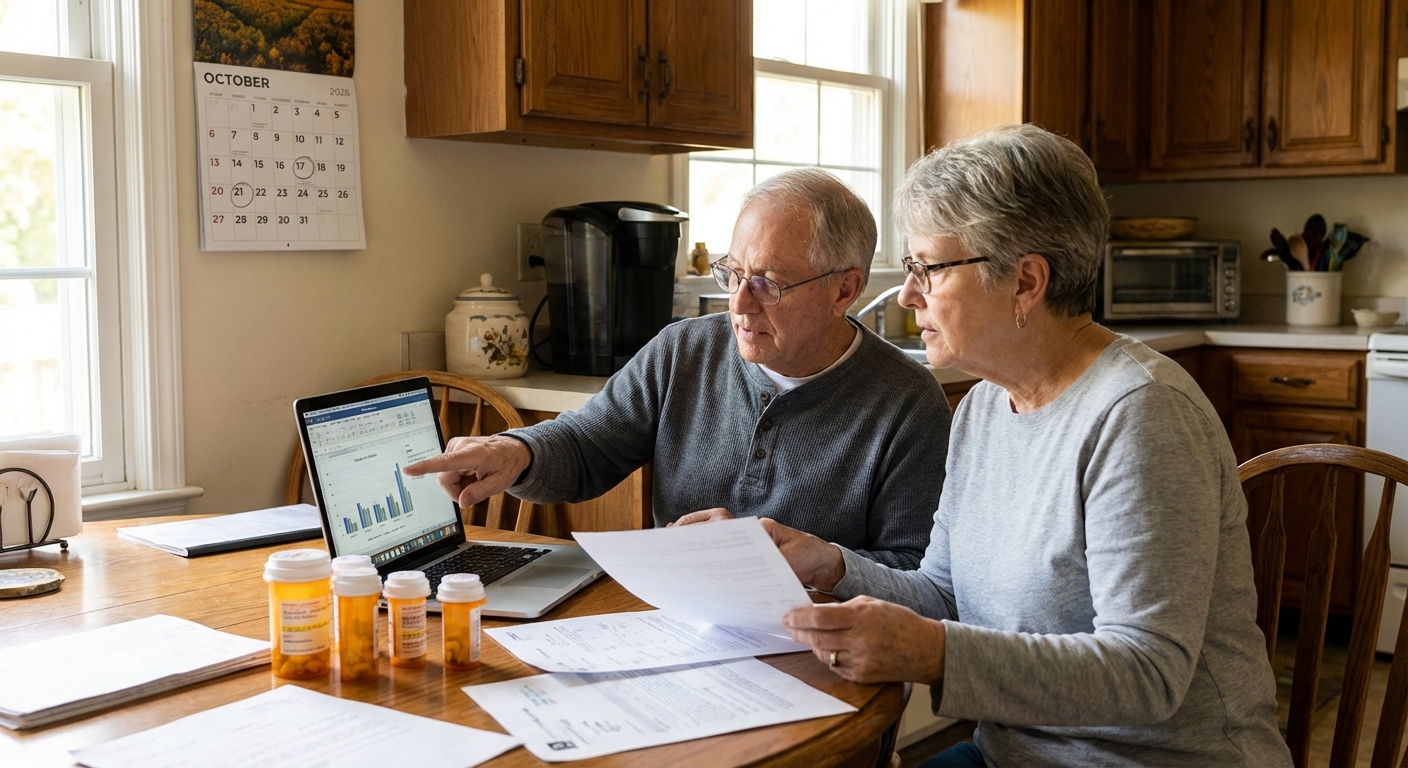
I was feeling “pretty healthy,” but my sleep was trash, my energy crashed around 3 p.m., and my cravings were running the show. When I finally got basic blood work done, my fasting glucose was hovering at the high end of normal and my A1c was creeping upward.
That was my wake-up call.
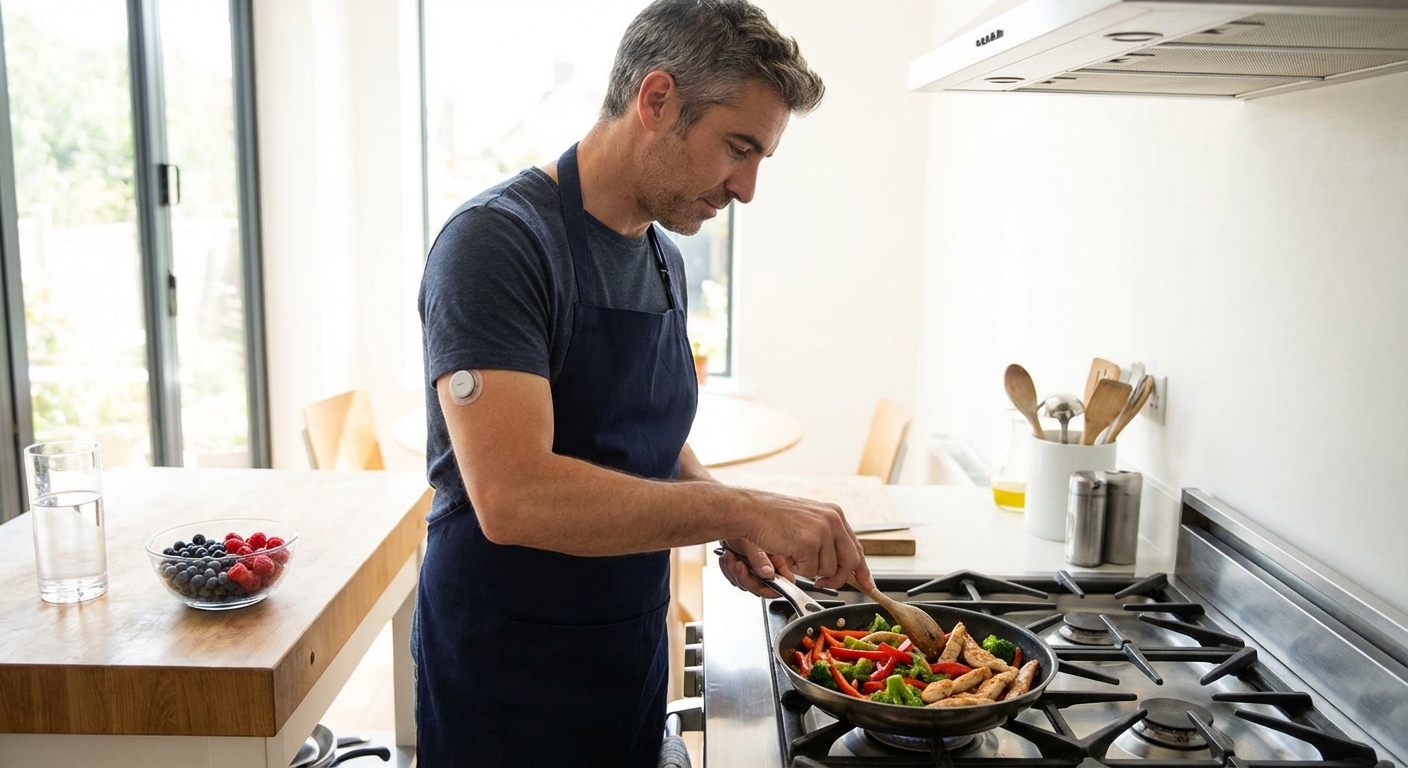
I’m not a diabetic, and I’m not giving medical advice. But I went down the rabbit hole of blood sugar research, tried a continuous glucose monitor (CGM) for a month, logged my meals like a data nerd, and tested what actually worked in real life — not just what sounds good on wellness blogs.
Here’s what I’ve learned about lifestyle approaches that really can support healthy blood sugar levels — and where the hype doesn’t match reality.
Why Blood Sugar Swings Feel So Brutal
When I wore a CGM for the first time, I was weirdly excited to see what my “healthy” breakfast did to my blood sugar.
Spoiler: my beloved big bowl of granola with oat milk sent my glucose from the 90s to the 170s in under an hour.
Those rapid spikes and crashes can:
- Make you feel sleepy, nervous, or insanely snacky
- Drive cravings for more sugar or refined carbs
- Over time, increase insulin resistance and raise your risk for type 2 diabetes and cardiovascular disease
The American Diabetes Association points out that even prediabetes (A1c 5.7–6.4%) is a major red flag that your metabolism is under stress. Yet you can still have wild swings even with normal lab numbers.
When I finally saw those real-time charts, I stopped thinking of “blood sugar” as some abstract lab value and started thinking of it as moment-by-moment energy management.
Strategy #1: Stack Your Meals in the Right Order
The biggest game-changer for me was not what I ate, but how I ate it.
I came across research by Dr. Alpana Shukla and Dr. Louis Aronne at Weill Cornell that showed something surprisingly simple: eating vegetables and protein before carbs can significantly blunt post-meal blood sugar spikes.
So I tested it.
- Day 1: I ate pasta first, then salad. My glucose spiked fast and high.
- Day 3: Same exact meal, but I ate the salad (no sweet dressing) and chicken first, then the pasta.
My blood sugar curve looked like a totally different person’s chart — slower rise, lower peak, smoother decline. I literally said out loud, “No way,” at my phone.
How I use this now:- I start meals with non-starchy veggies (salad, sautéed greens, roasted veggies).
- I add a clear protein source (eggs, chicken, tofu, Greek yogurt, lentils).
- Then I eat the carbs — rice, pasta, bread, potatoes, fruit, etc.
You don’t have to give up carbs entirely; you just stop letting them hit your bloodstream first thing like a sugar tsunami.
Downside:This doesn’t magically fix a very high-carb, low-fiber diet, and it won’t replace medication for people with diagnosed diabetes. But as a low-effort tweak, it’s one of the most powerful things I’ve tried.
Strategy #2: The 10-Minute Walk That Does More Than You Think
When I tested this with my CGM, I was honestly shocked.
One night I had sushi with white rice — a guaranteed spike for me. On one visit, I just went home and sat on the couch. My glucose shot up.
On another visit, I took a 12-minute brisk walk afterward. Same restaurant, same order, same time of day. My spike was way lower and I came back to baseline faster.
This lines up with research published in Diabetologia (2022) showing that brief post-meal “movement snacks” — even just a few minutes — can significantly reduce postprandial glucose.
What I aim for now:- 10–20 minutes of light movement after higher-carb meals
- Doesn’t have to be a workout: walking, cleaning up the kitchen, walking the dog
- On work days, I do “walking email” time on my phone after lunch
Your muscles act like a sponge for glucose when they’re active, pulling sugar out of your bloodstream — even without huge insulin surges. It’s like giving your body a shortcut.
Downside:This isn’t a get-out-of-jail-free card for ultra-processed meals all day. And if you have joint issues, you may need to keep it very gentle or split it into a couple of 5-minute walks.
But if you remember only one post-meal habit, let it be: move a little after you eat.
Strategy #3: Build a Breakfast That Doesn’t Betray You
When I swapped my “healthy” sweet breakfasts for more balanced ones, my whole day felt different.
On CGM days, here’s what I saw:
- Granola + oat milk + banana – big spike, big crash, cranky by 11 a.m.
- Greek yogurt + chia seeds + berries + a handful of nuts – smaller rise, gentle curve, no 10 a.m. sugar hunt.
The research backs this up. High-protein breakfasts can improve satiety and glucose control throughout the day, and meals with more fiber and fat slow the absorption of carbs.
What works well for me:- Greek yogurt or skyr with nuts and berries
- Eggs with sautéed veggies + a slice of whole-grain or sourdough toast
- Tofu scramble with veggies and avocado
- Leftover salmon or chicken + veggies (yes, “dinner for breakfast” absolutely works)
- Fruit-only smoothies with juice
- Pastries, sugary cereals, white toast with jam
- Fancy coffee drinks with syrups
That doesn’t mean you “can never” have pancakes again. But pairing them with eggs, adding some berries, and maybe going for a walk afterward dramatically changed my numbers.
Strategy #4: Sleep, Stress, and the Hormones Nobody Sees
I used to treat sleep as optional. Then I saw what one bad night did to my blood sugar graph.
After a night of 4–5 hours’ sleep, the next morning looked like this:
- Higher fasting glucose
- Bigger spike to the exact same breakfast I ate on a good-sleep day
- Stronger cravings by mid-morning
Studies (including one from the University of Chicago) have shown that even partial sleep deprivation can reduce insulin sensitivity and raise glucose the very next day.
What’s helped me:- Protecting a 7–8 hour sleep window
- Cutting screens 30–60 minutes before bed (blue light really does mess with me)
- Light stretching or reading instead of doomscrolling
On the stress side, chronic high cortisol can push blood sugar up even if your diet is decent. I noticed that on stressful work weeks, my baseline glucose just sat slightly higher, even with clean meals.
Stress “release valves” I actually use:- 5-minute breathing exercises (box breathing or 4–7–8 breathing)
- Journaling brain-dump style before bed
- Short walks without my phone when my brain feels loud
No, deep breathing doesn’t lower A1c by itself. But when stress management helps you avoid revenge-snacking and sleep sabotage, the downstream effects matter.
Strategy #5: Rethinking Carbs (Without Going Keto)
I experimented with very low-carb eating for a bit. My CGM charts looked impressively flat, but:
- My workouts felt weaker
- My mood wasn’t great
- Social eating became unreasonably complicated
For some people with diabetes or severe insulin resistance, low-carb or keto (under medical supervision) can be powerful. For me, a moderate-carb, high-fiber approach has been sustainable.
Here’s what made the biggest difference:
- Fiber first. I aim for 25–35g of fiber a day from veggies, legumes, whole grains, fruit with skin, nuts, and seeds. Fiber slows glucose absorption and feeds your gut microbiome.
- Whole or minimally processed carbs. Things like oats, quinoa, lentils, beans, sweet potatoes, whole fruit. These hit my system much more gently than white bread, pastries, and sugary drinks.
- Watch the liquid sugar. When I tested juice, soda, and sweetened coffee drinks, they consistently gave me some of my highest spikes. No fiber + fast absorption = glucose roller coaster.
- Fear all carbs
- Assume “gluten-free” or “vegan” means blood-sugar friendly
- Chug “healthy” fruit smoothies the size of my head
Where Supplements and Gadgets Fit In (and Where They Don’t)
I’ve tested a few popular things:
- Apple cider vinegar (ACV): 1 tablespoon in water before a higher-carb meal noticeably flattened my glucose curve. There’s research suggesting vinegar can reduce postprandial glucose by slowing gastric emptying. Downside: it can irritate your teeth and stomach if overused. I don’t see it as a cure; more like a small assist.
- Cinnamon: Mild effect at best for me. Some studies show modest benefits for people with type 2 diabetes, but it’s not a magic spice. Definitely not a replacement for medication.
- Continuous glucose monitors (CGMs): For one month, it was incredibly educational. I learned more in four weeks than in years of generic nutrition tips. But they’re pricey and not necessary forever unless you have a medical need.
If you have diabetes, prediabetes, are pregnant, or take blood sugar–lowering medications, any supplement or big diet change needs to be cleared with your healthcare provider. Hypoglycemia is not something to mess around with.
The Realistic, Non-Perfect Blood Sugar Game Plan
Here’s where I’ve landed after a lot of testing, reading, and a ridiculous number of finger pricks:
- I build meals around protein, fiber, and healthy fats, then add carbs.
- I eat in order: veggies and protein first, carbs last.
- I add 10–20 minutes of light movement after bigger or carb-heavier meals.
- I treat sleep and stress as blood sugar tools, not side quests.
- I don’t chase perfection. I aim for better averages, not flawless days.
Do I still eat pizza, birthday cake, and fries sometimes? Of course. I just don’t pretend it’s neutral. I might:
- Add a salad and protein
- Take a walk after
- Avoid stacking dessert on top of an already heavy meal every single night
Blood sugar isn’t about being “good” or “bad.” It’s about giving your body fewer extreme swings so it doesn’t have to white-knuckle your energy levels all day.
When I started treating my glucose like a daily feedback loop instead of a once-a-year lab result, everything got a lot more flexible — and honestly, a lot more sane.
Sources
- American Diabetes Association – Standards of Care in Diabetes 2024 - Evidence-based guidelines on glucose management and lifestyle
- Harvard T.H. Chan School of Public Health – Carbohydrates and Blood Sugar - Overview of how different carbs affect glucose
- National Institute of Diabetes and Digestive and Kidney Diseases (NIDDK) - Lifestyle strategies for preventing type 2 diabetes
- BBC Future – How a short walk after meals helps control blood sugar - Popular summary of research on post-meal movement
- Weill Cornell Medicine – “Food Order Has Significant Impact on Glucose and Insulin Levels” - Study on eating protein/veggies before carbs