Prostate Relaxation Devices Explained
ss gadget. Then I actually started digging into the research, talked to a urologist friend, and later tested a couple of devices myself.
Very quickly I realized: this isn’t fringe at all. It sits at the intersection of urology, pelvic floor therapy, pain management, and yes, sexual health. And almost nobody explains it in a clear, non-cringey way.
So let’s fix that.
What Are Prostate Relaxation Devices, Really?
When people use this term, they usually mean one (or a mix) of these:
- External pelvic floor relaxers – cushions, wedges, or ergonomic seats that take pressure off the perineum (the area between scrotum and anus) and indirectly reduce tension around the prostate.
- Internal prostate massagers – devices inserted via the rectum to apply gentle pressure and/or vibration to the prostate and surrounding pelvic floor muscles.
- Pelvic floor therapy tools – biofeedback devices, electrical stimulation units (TENS or specialized pelvic EMS), or wands used under guidance from a pelvic floor therapist.
They all share one goal: reduce tension and improve blood flow around the prostate and surrounding muscles, which can help with:
- Chronic pelvic pain / chronic prostatitis
- Pelvic floor muscle spasm
- Discomfort with sitting
- Sometimes urine flow issues (when tension is a factor)
- Sexual function and arousal (for some men)
I didn’t fully get this until I sat in a pelvic health clinic and watched a therapist explain that many men with “prostate pain” actually have overactive pelvic floor muscles compressing and irritating the area.
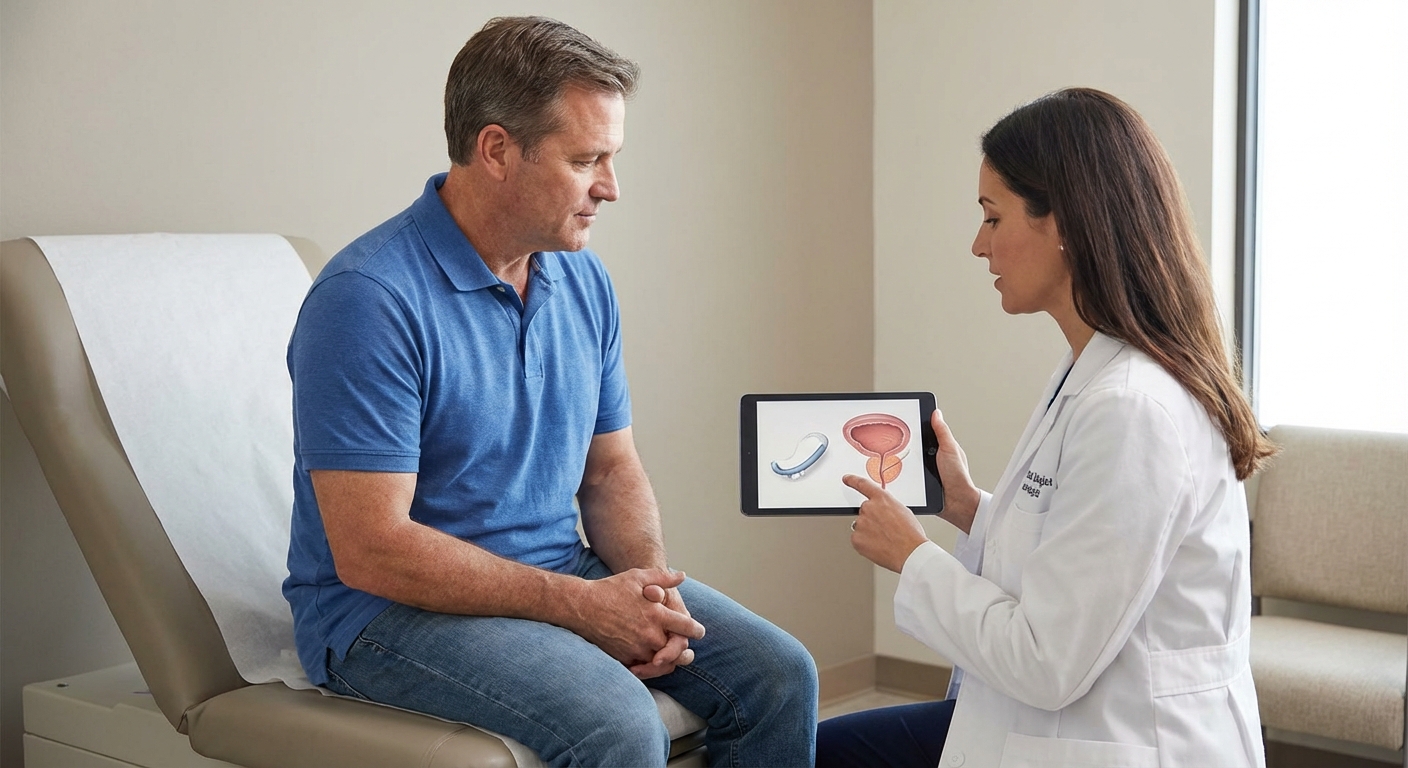
"We don’t always need more pills," she told me. "Sometimes we just need to teach the muscles to stop clenching for dear life."
Why the Prostate Gets Tense in the First Place
When I first tested an internal massager, I expected some sci‑fi miracle. Instead, what I noticed most was how tight everything felt at the start.
That’s when it clicked: we talk a lot about tight shoulders and necks… but almost never about tight pelvic muscles.
Some common culprits:
- Chronic stress – many people literally clench their pelvic floor when anxious (just like grinding teeth).
- Long hours sitting – especially on hard chairs or bike seats that press on the perineum.
- Previous infections or inflammation – like chronic prostatitis / chronic pelvic pain syndrome (CPPS).
- Post-surgery tension – after prostate surgery or pelvic procedures, muscles can guard and spasm.
- Sexual habits – frequent “edging,” delayed ejaculation, or clenching during orgasm can condition muscles to stay overactive.
A 2016 review in Nature Reviews Urology pointed out that chronic prostatitis/CPPS isn’t just about infection; pelvic floor muscle dysfunction is a huge piece of the puzzle, and targeted physical therapy often helps more than antibiotics alone.
So the logic of prostate relaxation devices is pretty straightforward: if tension and poor circulation are part of the problem, then tools that gently relax, stretch, or mobilize the area might bring relief.
Types of Prostate Relaxation Devices (And What They Actually Do)
1. External Cushions & Ergonomic Seats
I started here because it felt… less intimidating.
These devices look like donut cushions, U-shaped pillows, or bike seats with a cut-out. They’re designed to:
- Reduce direct pressure on the perineum
- Reposition the pelvis so the pelvic floor isn’t constantly under load
- Improve blood flow to the area
When I swapped my office chair for a wedge cushion with a perineal cut-out for a week, I noticed two things: 1) less numbness after long writing sessions, and 2) I wasn’t subconsciously clenching down there as much.
These aren’t miracle cures, but for people who sit all day, they’re a low-risk starting point.
2. Internal Prostate Massagers
This is where most people’s curiosity (and hesitation) kicks in.
Internal devices are usually:
- Smooth, curved tools designed to be inserted into the rectum
- Sometimes hands-free (resting against the prostate when you contract/relax muscles)
- Sometimes motorized, with vibration or pulsing modes
Mechanisms proposed in the medical literature include:
- Improved drainage of prostatic fluid
- Increased blood flow to reduce inflammation
- Reflex relaxation of surrounding pelvic floor muscles
A 2006 study in Urology explored prostate massage as a complementary therapy in chronic prostatitis and found symptom improvements in some patients, especially when combined with medications. The data isn’t huge or perfect, but it’s there.
When I tested a non-vibrating massager marketed for “pelvic wellness,” not pleasure, a few things stood out:
- The learning curve is real. You don’t just shove it in and heal.
- The most useful part was actually breathing and relaxing against the sensation, almost like a stretching session for muscles you never meet at the gym.
- The after-effect was a kind of “open” feeling in the pelvis for an hour or two, like the area had finally been allowed to exhale.
Important nuance: many prostate massagers double as sexual devices, and for some men that’s a feature, not a bug. But a lot of men using them for chronic pain aren’t chasing pleasure; they just want to sit without wincing. Both motivations are valid.
3. Pelvic Floor Therapy Tools (with Pro Guidance)
This is where things get more medical.
Pelvic health physiotherapists often use or recommend:
- Biofeedback devices – sensors that show you in real time how tense/relaxed your pelvic floor is.
- Electrical stimulation (e-stim) – low-level current to help either relax spastic muscles or retrain weak ones.
- Internal wands – sometimes used to release trigger points in the pelvic floor.
I sat in on a pelvic PT session where a male patient with chronic pelvic pain used biofeedback to learn that what he thought was “relaxed” was actually still 30–40% contracted. Once he saw the numbers on a screen, he could finally practice true relaxation.
For many men, this combo of guided awareness + occasional devices is far more powerful than guessing at home with no feedback.
Benefits: What These Devices Can Help With
From what I’ve seen, researched, and personally felt, prostate relaxation devices are most promising for:
- Chronic pelvic pain / CPPS – especially the subtype driven by muscular tension rather than ongoing infection.
- Pain with sitting – office workers, drivers, cyclists.
- Urinary symptoms linked to tension – urgency or hesitancy when the underlying issue is muscular, not purely prostate enlargement.
- Sexual function – some men report stronger, more comfortable erections and orgasms when the pelvic floor is less clenched.
The American Urological Association guidelines for chronic prostatitis/CPPS actually mention pelvic floor physical therapy as a legit treatment path, and physical therapy sometimes includes these tools as part of a broader plan.
The Other Side: Risks, Limitations, and When to Back Off
Here’s where the trust part kicks in.
I’ve also seen these devices completely overhyped online, especially in forums and ads.
What they don’t do:
- They don’t magically “cure” prostate enlargement (BPH).
- They don’t replace antibiotics when there’s a real bacterial infection.
- They don’t undo structural problems like large prostate tumors.
Real risks to keep in mind:
- Misdiagnosis – Using devices instead of seeing a doctor can delay finding serious issues like prostate cancer, urinary obstruction, or infections.
- Overuse or aggression – Pushing too hard internally can irritate tissue, cause bleeding, or worsen pain.
- Hygiene issues – Poor cleaning or sharing devices is a fast track to infections.
- Psychological discomfort – If the idea of internal devices spikes your anxiety, that tension can cancel out any relaxing effect.
Whenever I talk to urologists about prostate massage and similar devices, they say some version of:
> "For the right patient, with the right diagnosis, under guidance — sure, it can help. As a blind one-size-fits-all solution? No."
That echoes my own experience: they’re tools, not magic wands.
How to Explore This Safely (Without Going Down a Weird Rabbit Hole)
If you’re curious, here’s the path I wish more men took:
- Start with a proper evaluation.
- See a urologist or at least your primary care provider.
- Rule out infection, cancer risk, severe BPH, or neurologic causes of symptoms.
- Ask specifically about pelvic floor involvement.
- Mention if your pain gets worse with stress, sitting, or certain positions.
- Ask if a referral to a pelvic floor physical therapist makes sense.
- Begin with the simplest interventions.
- Ergonomic seating, posture changes, walking breaks.
- Basic pelvic floor relaxation exercises (diaphragmatic breathing, not endless Kegels).
- If you add devices, add one at a time.
- An external cushion or seat cut-out is a low-barrier start.
- Internal devices? Ideally introduced with guidance from a clinician or therapist who knows your case.
- Track your symptoms.
- On days you use a device, jot down pain, urinary symptoms, and comfort sitting.
- If nothing improves after a few weeks, or symptoms worsen, pivot.
When I did this with my own mild pelvic discomfort, the biggest gains actually came from: better chair, timed standing breaks, and a few guided relaxation sessions. The internal gadget was interesting, but not the main hero.
Final Thoughts: Not a Punchline, But a Legit Tool
Prostate relaxation devices live in that awkward space between medical tool and wellness gadget. That’s why they’re so misunderstood — and why marketing often leans on either fear or sex.
What I’ve learned, both in my own experiments and from reading far too many urology papers, is this:
- For men with tension-based pelvic issues, these devices can be part of a smart, evidence-informed toolkit.
- They work best when combined with professional assessment, pelvic floor education, and lifestyle tweaks.
- They’re not a cure-all, and anyone promising that is selling more hope than science.
If your prostate or pelvis has been quietly running your life from the shadows — with pain, stiffness, or weird bathroom patterns — it’s not something you have to just “man up” through.
Getting curious, asking blunt questions, and using the right tools (even the slightly awkward ones) is a lot more courageous than silently clenching your way through another year.
Sources
- National Institute of Diabetes and Digestive and Kidney Diseases – Prostatitis Overview - Clinical overview of prostatitis and chronic pelvic pain
- American Urological Association – Guideline on Chronic Pelvic Pain in Men - Official guideline discussing pelvic floor therapy and multimodal treatment
- Harvard Health Publishing – Chronic prostatitis: A common cause of pelvic pain in men - Plain-language explanation of chronic prostatitis and treatment options
- Mayo Clinic – Enlarged prostate (BPH) - Background on prostate enlargement and why not all urinary symptoms are muscular
- Nature Reviews Urology – Management of chronic prostatitis/chronic pelvic pain syndrome - Review article discussing the role of pelvic floor dysfunction and physical therapy