Understanding Senior Health Concerns: Shortness of Breath
I realized this the hard way.
A few years ago, my usually unstoppable, constantly-moving aunt (78 at the time) started pausing halfway up the five steps to her front door. She'd wave it off: "I'm just getting older." When I gently pushed her to see her doctor, we discovered early heart failure and poorly controlled blood pressure. Catching it when we did probably bought her years of better-quality life.
That experience completely changed how I look at breathlessness in seniors. Now, whenever someone 65+ tells me they’re "just a bit winded," I pay very close attention.
Why Shortness of Breath Isn’t Just “Old Age”
Let’s clear one myth right away: getting older doesn’t automatically mean you should feel out of breath all the time.
Sure, lungs and heart aren’t as efficient at 75 as they were at 25. We lose some lung elasticity, our muscles (including breathing muscles) get weaker, and our blood vessels stiffen. That can make intense exertion feel harder.
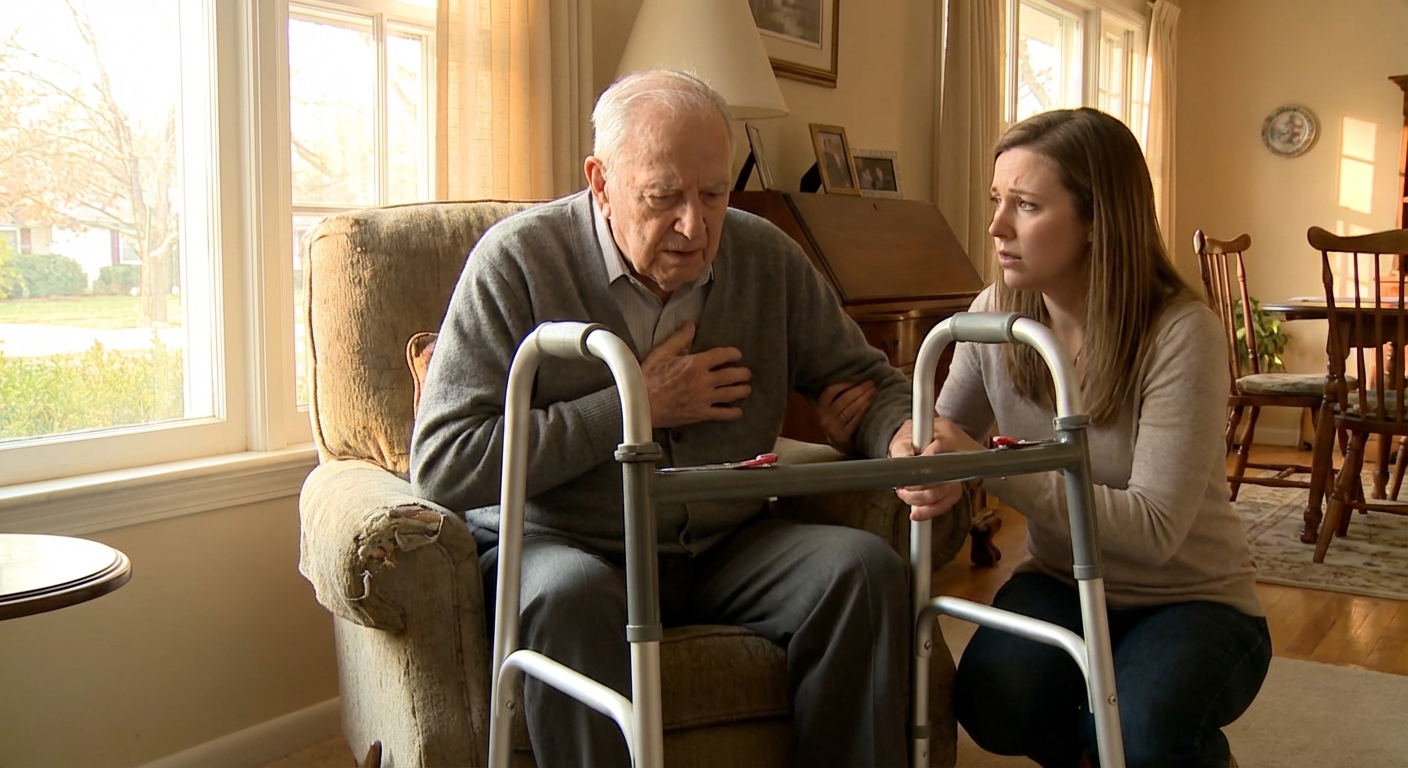
But struggling to walk across a room, talk in full sentences, or feeling like you "can’t get enough air" while resting? That’s not just age. That’s a red flag.
In my experience talking with doctors and respiratory therapists, they all repeat the same line in one way or another:
> Treat new or worsening shortness of breath in seniors as a medical problem until proven otherwise.
The Science: What’s Actually Happening in the Body?
Shortness of breath (the medical term is dyspnea) is your brain screaming: "Our oxygen and carbon dioxide balance is off, do something!"
Behind that feeling, several systems may be struggling:
- Lungs – difficulty getting oxygen in or carbon dioxide out
- Heart – not pumping blood efficiently to carry oxygen
- Blood – not enough hemoglobin to carry oxygen (like in anemia)
- Muscles and metabolism – needing more oxygen than usual, or deconditioned from inactivity
When I helped my aunt track her symptoms, I noticed a pattern: she felt most breathless when lying flat or walking even slowly. Her cardiologist explained that in heart failure, fluid backs up into the lungs, making it harder to breathe — especially when lying down because fluid redistributes.
That one practical detail — “It’s harder when I lie flat” — turned out to be a big diagnostic clue.
Common Causes of Shortness of Breath in Seniors
Here’s where things get tricky. Dyspnea isn’t one disease; it’s a symptom with many possible causes.
1. Heart Problems
- Heart failure – the heart can’t pump effectively, causing fluid buildup in lungs and legs
- Coronary artery disease – narrowed arteries limit blood flow to the heart
- Arrhythmias – irregular rhythms reduce effective circulation
The American Heart Association notes that shortness of breath, especially with swelling in legs or sudden weight gain (fluid), is a key warning sign of heart failure.
What I’ve seen: seniors often describe this not as "breathlessness" but as "I just don’t have my usual energy" or "I feel heavy." The language is soft, but the underlying issue may be serious.2. Lung Conditions
- COPD (chronic obstructive pulmonary disease) – common in former smokers
- Asthma – can persist or even appear later in life
- Pulmonary fibrosis – scarring of lung tissue
- Pneumonia or infections – often more subtle in seniors
When I tested a simple walking test with an older relative — just pacing the hallway for 2 minutes while watching their breathing and heart rate — I was shocked how fast they became breathless. The pulmonologist later told us: "They’ve probably been compensating for a long time; the body is sneaky like that."
3. Blood and Circulation Issues
- Anemia – not enough red blood cells or hemoglobin
- Pulmonary embolism – blood clot in the lungs (this is an emergency)
Anemia is surprisingly common and often overlooked. One geriatrician told me, "If a senior is more breathless and more tired, and everything else looks okay, I always check their blood counts." It’s low-tech, but effective.
4. Deconditioning & Muscle Loss
Let’s be honest: long periods of sitting, hospital stays, or fear of falling lead to less movement.
Less movement = weaker muscles
Weaker muscles = they demand more effort and oxygen even for simple tasks.
The good news? When I tested a gentle daily walking routine with a 72‑year‑old family friend, her "I’m always winded" complaint noticeably improved within about 6 weeks. Not cured, but clearly better.
5. Anxiety & Panic
This one’s real, not "in someone’s head." Anxiety can:
- Speed up breathing
- Tighten chest muscles
- Make every breath feel unsatisfying
I’ve sat with seniors who spiraled into panic because that uncomfortable "air hunger" feeling terrified them. And honestly, it is scary. The twist: heart or lung issues and anxiety frequently feed each other, which is why a thorough workup matters.
When Shortness of Breath Is an Emergency
There are moments when you don’t wait, you don’t "monitor", you call 911 (or your local emergency number).
Seek urgent help if any of these appear suddenly or worsen quickly:
- Breathlessness at rest or severe difficulty speaking more than a few words
- Chest pain, pressure, or tightness
- Blue lips or face
- Confusion, fainting, or extreme drowsiness
- One-sided leg swelling with chest pain or sudden breathlessness (possible clot)
- Coughing up pink, frothy, or blood‑tinged mucus
If I see a senior leaning forward, gasping, using neck muscles to breathe, or looking frightened and grayish, I don’t debate. I call for emergency care. Better to be the "overreacting" one than the one who waited too long.
How Doctors Actually Investigate Breathlessness
I’ve sat through more of these appointments than I can count, and the pattern is surprisingly consistent.
Expect some version of:
- Detailed history
- When did it start?
- What makes it better or worse (lying flat, walking, after meals)?
- Any cough, chest pain, swelling, fever, weight changes?
- Physical exam
Listening for crackles in lungs, heart murmurs, checking leg swelling, oxygen levels.
- Tests (depending on the situation):
- Chest X‑ray
- ECG (electrocardiogram)
- Blood tests (including anemia markers, BNP for heart failure, troponin for heart damage)
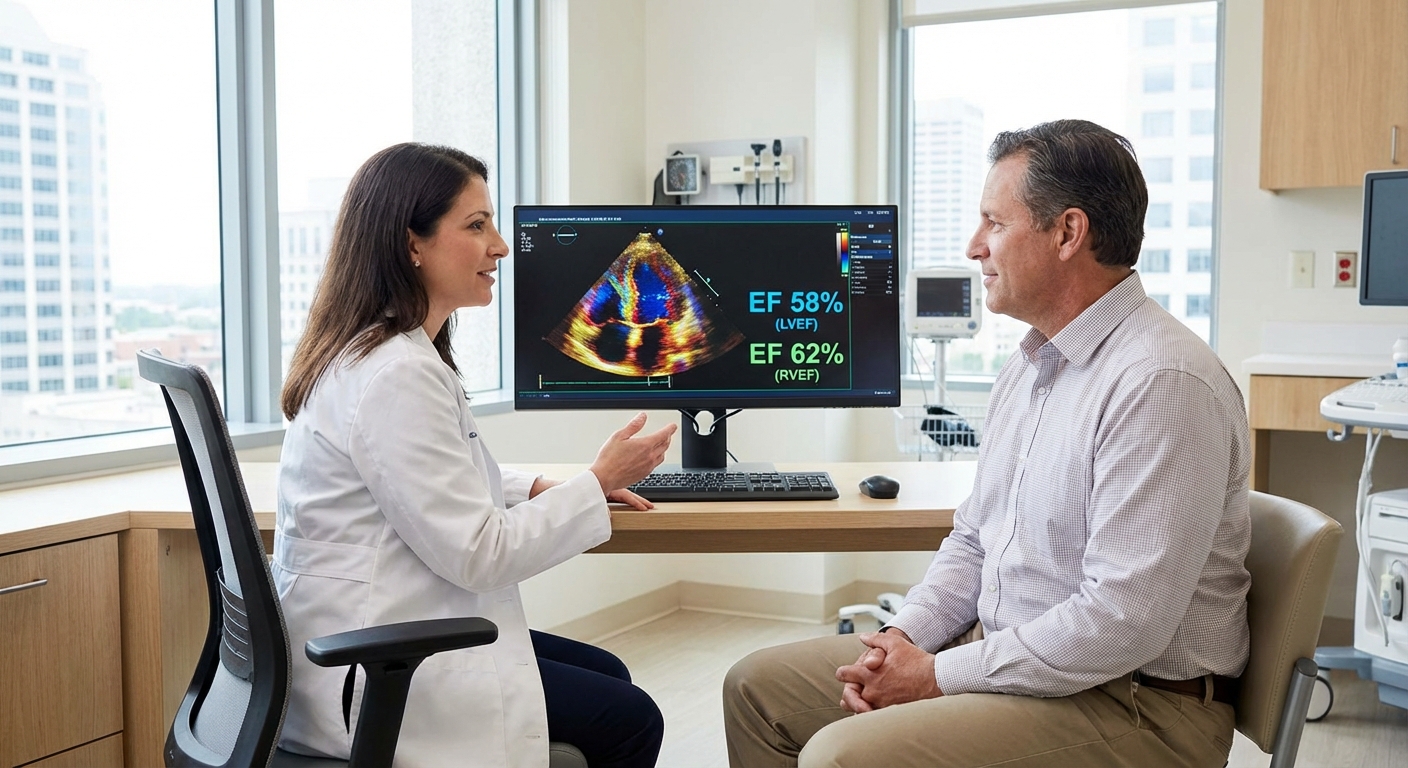
- Echocardiogram (heart ultrasound)
- Spirometry or full pulmonary function tests
- Occasionally CT scans if a clot or fibrosis is suspected
One cardiologist told my family very candidly: "In older adults, shortness of breath is rarely just one thing. It’s usually a pile-up of small problems that finally become too big to ignore."
What Actually Helps (And What Doesn’t)
Based on what I’ve seen work — and sometimes not work — these are the real‑life strategies that matter.
1. Treat the Root Cause
This sounds obvious, but I’ve watched people get lost in inhalers and supplements while skipping the big one: their underlying disease.
- Heart failure? Medication, salt restriction, and fluid monitoring changed my aunt’s life more than any gadget.
- COPD? Inhalers, pulmonary rehab, and quitting smoking (even late in life) can noticeably improve breathing.
- Anemia? Fixing iron deficiency or other causes can feel like someone turned the oxygen dial up.
2. Pulmonary Rehabilitation
When I first heard of pulmonary rehab, I thought it was just walking on a treadmill. It’s much smarter than that.
It usually includes:
- Supervised exercise
- Breathing techniques (like pursed‑lip breathing)
- Education on managing flare‑ups
- Strategies to conserve energy
Research published in journals like Chest and Thorax has repeatedly shown pulmonary rehab improves quality of life and exercise capacity in COPD and other lung diseases.
3. Small, Boring, Incredibly Powerful Habits
The not-very-glamorous but highly effective list:
- Daily gentle movement – walking, light strength exercises, chair exercises
- Weight management – excess weight makes breathing harder
- Sleep position – some seniors breathe easier with the head of the bed elevated
- Vaccines – flu, COVID‑19, and pneumonia vaccines reduce infections that can tank lung function
When I tested a “2‑minute rule” with one relative — move for at least two minutes every hour while awake — she rolled her eyes. Three weeks later, she grudgingly admitted stairs felt a tiny bit easier.
4. oxygen – The Pros and Cons
Oxygen can be life‑changing for some, but it’s not a magical cure‑all.
Pros:- Reduces strain on heart and lungs in people with low blood oxygen
- Can increase exercise capacity and sleep quality
- Doesn’t fix the underlying disease
- Requires equipment, refills, and safety precautions (no smoking, fire risk)
- Some seniors feel "tied down" by the tubing and tank
Pulmonologists are very clear: oxygen should be prescribed after proper testing, not just because someone "feels short of breath."
How Families Can Spot Trouble Early
Here’s what I personally watch for when I’m around older relatives:
- Subtle behavior changes: avoiding stairs, skipping outings, "I’ll just wait here"
- Taking longer to recover after walking across a room
- Sleeping propped up on extra pillows or preferring a recliner
- New cough or wheeze
- Confusion or unusual fatigue on top of breathlessness
My rule of thumb: if something feels "off" for more than a week, or suddenly worsens in hours to days, I push (kindly but firmly) for a medical checkup.
The Emotional Side No One Talks About Enough
Shortness of breath isn’t just physical — it’s deeply psychological.
I’ve seen proud, independent seniors become afraid to leave the house because they worry they’ll "hold everyone up" or "make a scene" if they start gasping for air. That fear shrinks lives.
What’s helped in my experience:
- Attending appointments with them so they don’t feel alone
- Asking doctors blunt, practical questions: "What should we do if they get more breathless at home?" "When do we go to the ER?"
- Practicing breathing exercises together (yes, you’ll feel silly, then you’ll get over it)
- Naming the fear out loud: "This feels scary — let’s build a plan so it’s less scary."
When seniors feel they have a plan, breathlessness becomes something to manage, not just something to fear.
The Bottom Line I Wish More People Heard
If you remember nothing else, remember this:
New, persistent, or worsening shortness of breath in older adults is never something to casually ignore.Sometimes the cause is treatable and straightforward.
Sometimes it’s layered and complex.
Sometimes it’s serious and urgent.
But "I’m just getting older" isn’t a diagnosis.
The earlier you ask questions, track symptoms, and get proper testing, the more options there usually are on the table — for treatment, for comfort, and for keeping life as full as possible.
And if you’re the one noticing the changes? Don’t wait for someone to "be sure" it’s bad enough. Gently nudge, offer a ride, sit in the waiting room. That small push may be the quiet thing that makes a very loud difference.
Sources
- American Heart Association – Warning Signs of Heart Failure - Clinical overview of heart-failure-related shortness of breath
- National Heart, Lung, and Blood Institute (NHLBI) – Shortness of Breath - Government guidance on causes, diagnosis, and treatment
- Mayo Clinic – Dyspnea (Shortness of Breath) - Symptom explanation and when to seek emergency care
- Cleveland Clinic – Chronic Obstructive Pulmonary Disease (COPD) - Detailed look at COPD as a cause of breathlessness
- Harvard Health Publishing – Shortness of Breath: When to See a Doctor - Practical guidance on evaluation and red flags