Christmas Gifts for Grandkids: Budget-Friendly Ideas
blowing the budget?”*
I’ve been there. I’ve done the last‑minute mall dash. I’ve overspent on toys that got two days of attention and then vanished into the “toy graveyard” under the bed.
Over the last few years, I’ve started tracking what actually sticks with my grandkids—what they still talk about months later—and cross‑checking that with my bank account (and my sanity). When I tested different types of gifts, I realized something: the things they remember most usually cost less than the things I used to splurge on.
Here’s what’s worked for me, what totally flopped, and some ideas backed by actual research—not just grandma vibes.
Start With What Kids Actually Remember
There’s a fascinating 2018 survey from the booking site GetYourGuide that found 63% of people said experiences made them happier than material gifts. And a 2014 study in the Journal of Consumer Psychology (by Joseph Goodman & Cynthia Cryder) showed experiential gifts create stronger emotional responses and closer relationships.
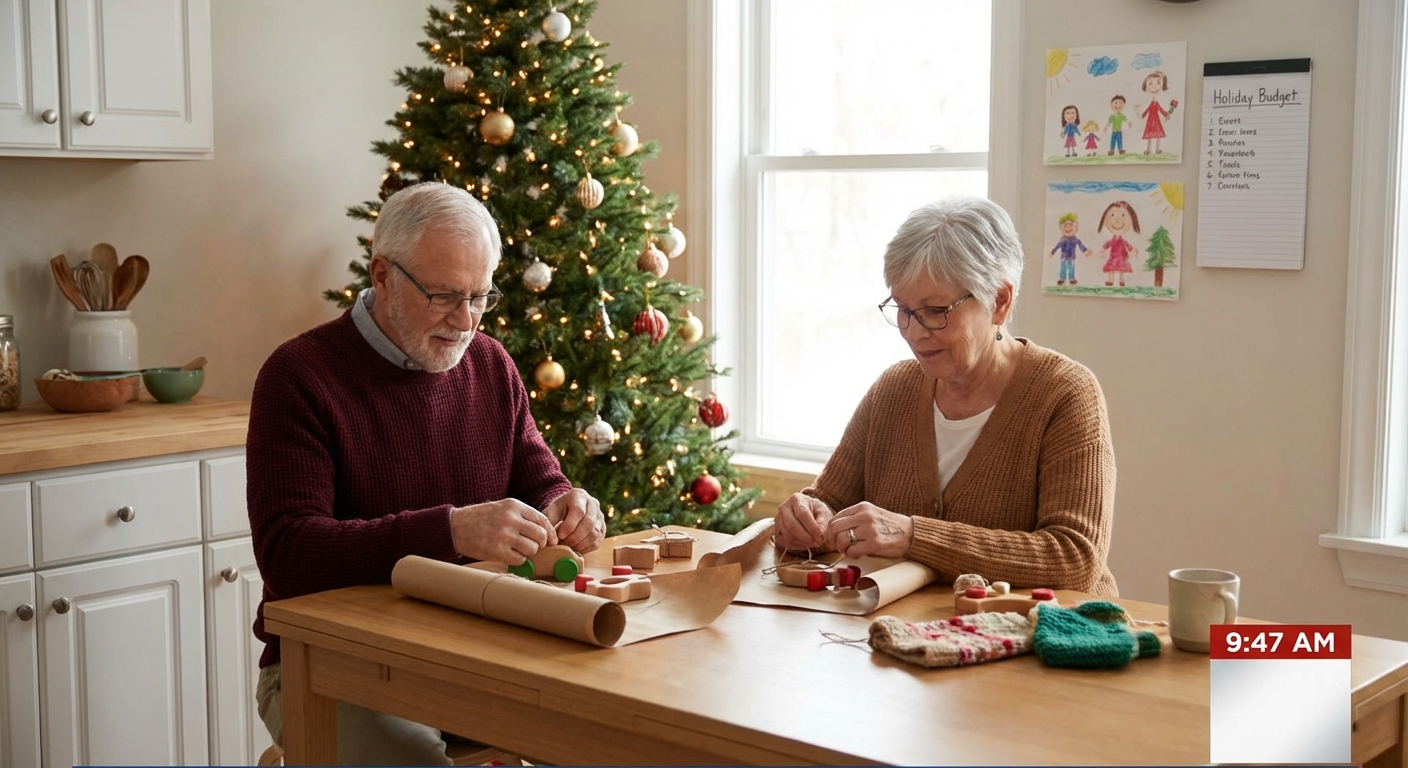
When I tested this “experiences over stuff” idea, my grandson’s reaction said it all. One year, I bought him an expensive remote-control car. He loved it for about three days… until the battery door broke. The next year, I gave him a simple “Grandma & Me Adventure Pass” booklet I made on my printer—each page was something like:
- One ice cream date
- One “stay up 30 minutes past bedtime” pass
- One board game night (kid chooses the game)
Total cost: maybe $10 plus my time.
His reaction: “This is the best gift EVER!”
And he actually used every pass.
Pros of experience-style gifts
- Build real memories and stories they repeat
- You can scale to any budget
- Strengthens your relationship (which, honestly, is the real goal)
Cons
- Not as “wow” on Christmas morning if there’s nothing physical to unwrap
- Requires time and scheduling (which can be tricky with blended families)
I’ve found a balance: one small physical gift + one low-cost experience.
DIY Coupon Books They’ll Actually Redeem
I recently discovered how powerful a tiny stack of “coupons” can be for grandkids—especially the 5–12 age range. When I tested this with my granddaughters, they treated those homemade coupons like golden tickets.
Some ideas that cost almost nothing:
- “Choose Dinner Night” – They pick the meal (within reason… maybe not chocolate cake and pickles).
- “No Chores Day” – Parents secretly love this because it’s clearly defined.
- “One Hour of Just-Us Time” – No siblings, no phones, just you and that grandchild.
I print them on colored paper, cut them into little cards, hole‑punch them, and tie them with ribbon. Pinterest is full of free templates if you want something prettier—search “kids coupon book printable” and you’ll find loads.
Cost: under $5.
Impact: weirdly huge.
The only con: you’ve got to follow through. If you’re not sure you can, keep the coupons simple and doable.
Books: The Gift That Quietly Pays Off for Years
I’m biased—I was that grandparent who always gave books. But there’s real science behind this.
A 2019 study in Social Science Research looking at 31 countries found that having books at home is strongly linked with higher literacy and numeracy skills, even controlling for income and education. The American Academy of Pediatrics has been recommending daily reading since 2014 because of its impact on language development.
That doesn’t mean you just hand them a random classic and hope for the best. I’ve made that mistake. My grandson once looked at a beautifully illustrated version of Treasure Island and asked, very politely, “Do I have to read this?”
What’s worked much better:
- For 3–6 year olds: Interactive books with flaps, textures, or sound buttons. The “Never Touch a…” series has been a big hit in my family.
- For 7–10 year olds: Graphic novels. My granddaughter devoured Dog Man and The Baby-Sitters Club graphic versions. Old‑school adults sometimes think these “don’t count,” but literacy researchers like Dr. Stephen Krashen have argued for years that any reading kids enjoy builds skills.
- For tweens/teens: Let them choose. I give a small bookstore gift card wrapped with a personal note: “I’ll take you to spend this and buy whatever you want—even if I don’t understand it.”
Used bookstores and library sales are your secret weapon. I once walked out of a library sale with 12 nearly new kids’ books for under $10.
Pros: educational, long‑lasting, budget‑friendly.
Cons: not always “wow” unless you personalize or pair with something fun (like a reading light or cozy blanket).
Craft & STEM Kits That Don’t Break the Bank
The toy industry has been on a huge STEM kick the last decade, and not all of it is worth the price tag. I’ve bought the $60 science kit that my grandson opened, stared at, and quietly slid aside.
But when I tested cheaper, simpler kits from discount stores and Amazon, I found a sweet spot: under $20, with one clear project.
Some budget-friendly winners we’ve tried:
- Slime or putty kits – Messy, yes. Beloved, absolutely. I spread an old tablecloth, accept the chaos, and it’s an instant hit.
- Build-your-own robot or car kits (snap-together, no soldering) – Just check reviews for age appropriateness; some “8+” kits are really 12+ in disguise.
- Beginner embroidery, bracelet-making, or origami sets – My crafty granddaughter and I spent an entire rainy afternoon on a $9 embroidery starter set.
If you want to stretch your budget even further, DIY your own “kit”:
- Buy bulk beads, elastic cord, and a small organizer box.
- Or grab baking ingredients, cookie cutters, and print a “Grandma’s Secret Cookie Recipe” card.
Pros: hands‑on, skill‑building, and you can join in.
Cons: some kits are junk—thin materials, bad instructions—so I always skim reviews and avoid anything with lots of “missing pieces” complaints.
Personalized Gifts on a Not-So-Personalized Budget
When I was a kid, personalized gifts meant expensive catalogs. Now, personalization is everywhere—and surprisingly cheap if you know where to look.
Budget personalization ideas I’ve tested
- Photo calendars: I make one on Shutterfly or Snapfish with family photos, inside jokes, and everyone’s birthdays marked. Watch for their constant 40–60% off deals; I rarely pay full price.
- Mugs or water bottles with their name: Practical and fun. My grandson proudly takes his custom water bottle to school.
- Custom storybooks: Sites like Wonderbly let you plug in a child’s name and create a story with them as the hero. Not the cheapest option, but if you watch for sales, it can still be under many big‑brand toys.
One year I gave each grandchild a cheap canvas tote bag from a craft store and a set of fabric markers. We spent Christmas afternoon decorating them—names, doodles, random dinosaurs. That bag is still my granddaughter’s “library bag” years later.
Pros: feels special and thoughtful, even if the base item is simple.
Cons: shipping times can be long near Christmas, so you can’t leave these to the last second.
Subscriptions and “Gifts That Keep Showing Up”
I love a gift that outlives the wrapping paper. Magazine and activity subscriptions can be surprisingly affordable if you compare options.
We tried:
- Kids’ magazines: Highlights, National Geographic Kids, and ChopChop (a kids’ cooking magazine). Often you can find deals in the $15–$25 per year range.
- Monthly activity envelopes: Some brands are pricey, but there are also low-cost printable subscription options on Etsy. One year I paid under $10 for a set of monthly scavenger hunts and games I printed myself.
The fun part is the “It came from Grandma!” moment every month. My grandson still calls me when a magazine shows up: “Did you see the experiment in this one?”
Pros: spreads joy across the whole year, not just one day.
Cons: younger kids may not fully connect that “Grandma bought this,” especially if you don’t remind them.
When Cash or Gift Cards Make Sense (And How to Dress Them Up)
Let’s be honest: older grandkids often just want money. I used to resist this—it felt impersonal. But when my oldest granddaughter told me, “I’m saving for a better keyboard for my music,” I realized the gift was really supporting her goal.
To avoid the “here’s an envelope, kid” moment, I started doing this:
- Tuck cash or a gift card into a small, related item: a pretty notebook for a teen writer, guitar picks for a musician, a cute wallet, or a fun pencil case.
- Add a short letter about why you chose that gift: “I love that you’re into music. I wanted to help you get closer to that keyboard you told me about.”
Pros: extremely flexible, avoids wasted gifts, perfect for picky teens.
Cons: can feel less magical to younger kids; parents may prefer non-cash gifts for littles.
Set a Real Budget—and Tell Yourself It’s Enough
Retailers have entire departments dedicated to making you feel like “just one more thing” is necessary. The National Retail Federation reported that in 2023, Americans planned to spend about $875 on average for holiday-related purchases across gifts, food, and decorations. You do not have to play that game.
What’s helped me:
- I set a per-grandkid budget (for example, $25–$40) and then reverse-engineer the gift: one main thing, one small thing, one experience or coupon.
- I remind myself: kids don’t sit around comparing price tags—they compare attention and fun.
In my experience, the years I stayed within budget and spent more time with them felt far better than the years I overspent and stressed about it for months afterward.
A Quick Reality Check: What Doesn’t Work So Well
Just to be honest, here are a few things that haven’t gone great at my house:
- Trend toys I don’t understand but buy anyway – The fidget toy craze passed fast, and I had a drawer full of plastic no one touched after January.
- Gifts that create work for the parents without warning – Like paint sets with no smocks, or noisy electronic toys with no off switch. Now I give my kids (the parents) a heads-up.
- Overly educational gifts disguised as fun – Kids are smart; if it screams “homework,” they’ll ignore it.
When a gift flops, I try not to take it personally. I pay attention, adjust for next year, and sometimes I just ask, “Hey, what kind of stuff are you into right now?”
The Heart of It (Without Getting Sappy)
When my youngest grandson was 5, he told me after a cookie‑baking afternoon, “Grandma, this was better than toys.” I’d spent under $15 on ingredients and a goofy Christmas apron his size.
That’s when it really sank in: budget-friendly gifts aren’t a compromise. They’re often the exact gifts that stick—the ones that turn into stories, traditions, and the kind of inside jokes only your family gets.
So pick one or two ideas that feel doable:
- A homemade adventure coupon book
- A thrift‑store stack of books and a reading date
- A simple craft kit you can tackle together
- A photo calendar full of memories
- A magazine subscription that makes them think of you every month
And let the big-box, big-budget pressure go. Your grandkids will remember how you made them feel far longer than what you swiped your card for.