Returned Amazon Items: What to Know
at arrived with crumbs in it and a Post-it note still stuck to the underside.
That’s when I fell down the rabbit hole of returned Amazon items.
Over the last year, I’ve tested Amazon Warehouse deals, dabbled in liquidation pallets, and even asked a couple of third-party sellers how returns really work on their side. What I learned: there’s real money to be saved… and some traps that can absolutely wreck a bargain.
Here’s what you actually need to know before you start hunting those discounted returns.
Where Returned Amazon Items Actually Go
When you hit “Return item” on Amazon, your package doesn’t just go back on the digital shelf. Based on Amazon’s own public statements and reporting from outlets like The Wall Street Journal and CBC, returns usually end up in one of a few buckets:
- Restocked as new – If it’s unopened and in perfect condition, some items can be resold as brand new.
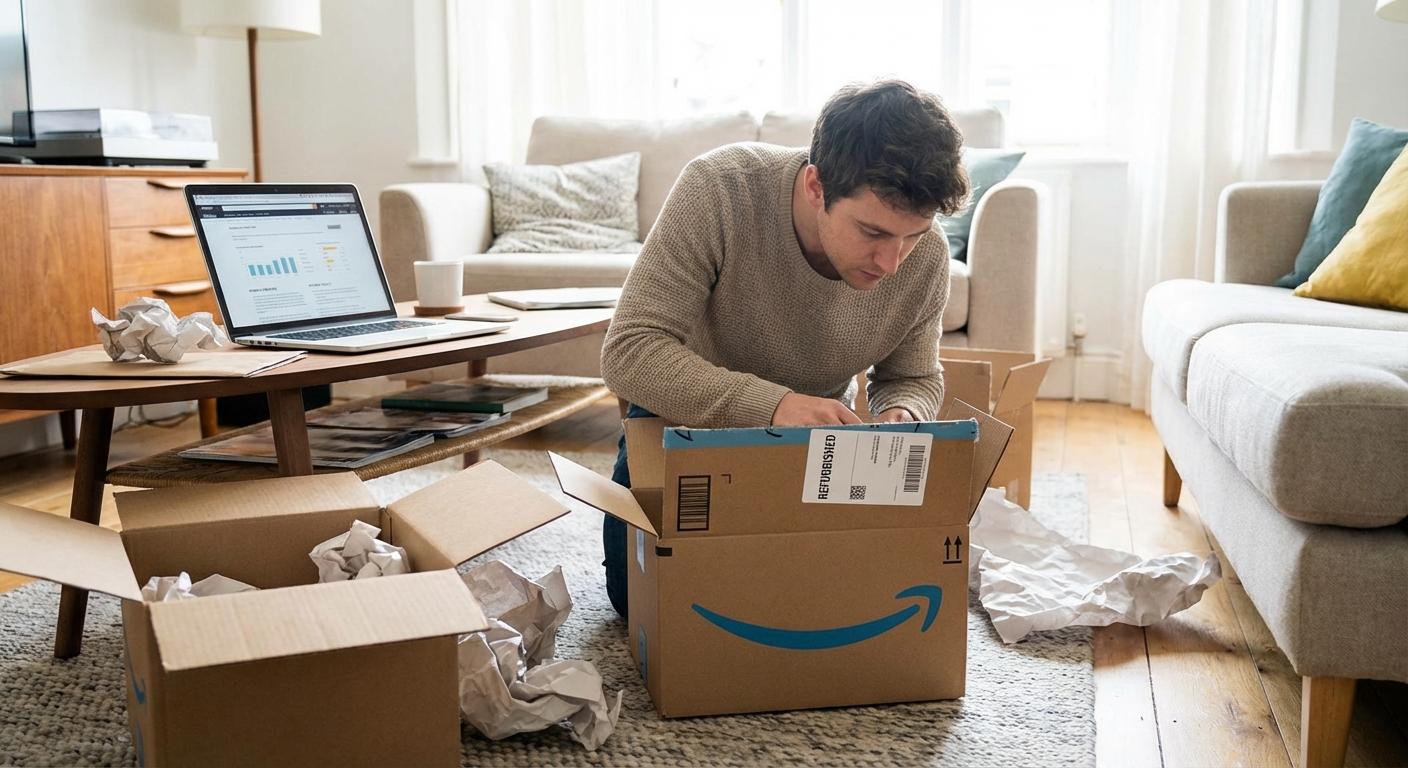
- Amazon Warehouse (used/renewed) – Open-box, slightly used, or cosmetically flawed items get graded and listed at a discount.
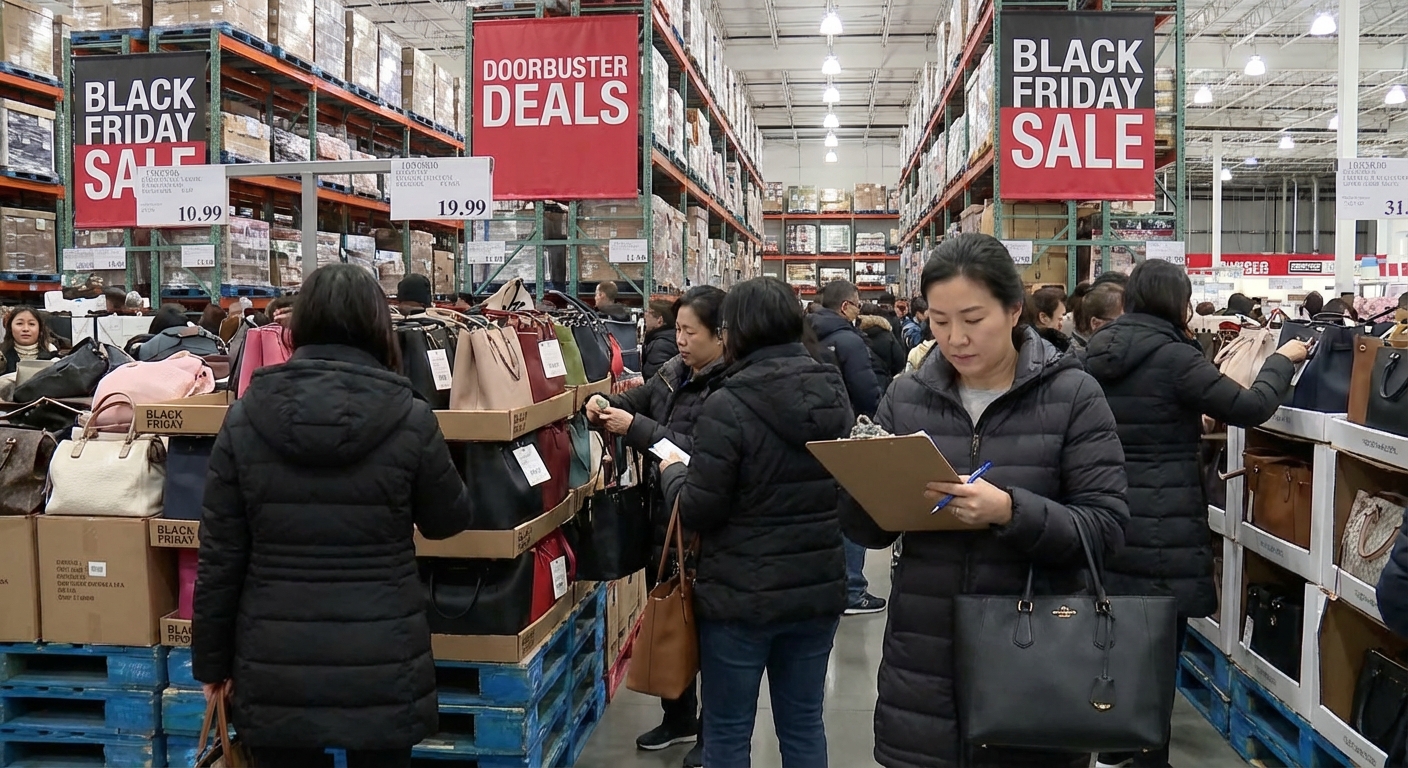
- Liquidation pallets – Excess and uninspected returns are bundled into massive lots and sold in bulk to resellers through marketplaces like B-Stock or Direct Liquidation.
- Recycling or disposal – Damaged, unsafe, or low-value items might be scrapped. Amazon’s under pressure to reduce this; a 2021 ITV investigation in the UK sparked a lot of criticism over how many items were reportedly destroyed.
When I started buying from Amazon Warehouse, I realized just how much of this returned inventory quietly flows back into the system—often at prices that are very, very tempting.
Amazon Warehouse: The Safest Way to Buy Returned Items
If you’re curious but don’t want to gamble on mystery pallets, Amazon Warehouse is where I’d start.
How Amazon Warehouse Works
Amazon grades returned and open-box products with labels like:
- Used – Like New: Item looks and works like new, but the packaging may be damaged or repackaged.
- Used – Very Good: Small cosmetic imperfections, box may be damaged.
- Used – Good: Noticeable wear, maybe missing non-essential parts.
- Used – Acceptable: Clearly used, may have cosmetic damage, packaging can be rough.
These labels aren’t random. Amazon says they inspect and test items before assigning a condition (though, in my experience, the consistency can be hit-or-miss).
My Real-World Results
- Big win: I grabbed a “Used – Like New” 27" monitor for about 30% off. It arrived in a plain brown box, factory plastic still on, no dead pixels, just a tiny scuff on the stand. I’d buy that again in a heartbeat.
- Not so great: I ordered a “Used – Good” mechanical keyboard. It technically worked, but the spacebar was mushy and there was visible shine on the keycaps like someone had marathoned MMOs on it. I returned the return.
In my experience, “Like New” and “Very Good” are usually safe bets for electronics. “Good” and “Acceptable” can be fine for stuff like shelves, tools, or anything where a scratch doesn’t matter.
Is It Actually Safe to Buy Returned Amazon Items?
Short version: usually yes, but you need to know where the safety nets are.
The Protection You Get
- Amazon’s A-to-z Guarantee: When you buy from Amazon Warehouse or many third-party sellers, you’re generally covered if the item is “not as described.”
- 30-day return window: For most Warehouse items, it’s similar to new products—you can return them if something’s off. Always double-check the product page because policies can vary.
- Manufacturer warranties: This is where it gets tricky. Some brands don’t honor warranties on open-box or resold items. For example, certain electronics and appliances require proof of original purchase by the first owner.
The Federal Trade Commission (FTC) in the US has also warned retailers about not clearly disclosing refurbished/used status. Amazon does label Warehouse items, but the warranty situation is often buried or vague.
When I tested a refurbished router, I had to dig through the Q&A and the manufacturer’s website to confirm the warranty. It took 15 minutes of my life and three tabs, but it saved me from assuming I had a full-year warranty when it was actually 90 days.
Pros of Buying Returned Amazon Items
Here’s why I keep going back to returned inventory despite the occasional dud.
1. Serious Savings
Savings can be huge. I’ve seen:
- 20–40% off on laptops and tablets
- 30–50% off on small kitchen appliances
- 50%+ off on random home stuff like shelving, rugs, and exercise gear
A 2023 survey from Narvar (a returns-management company) found that more than 60% of shoppers say they’re open to buying returned or refurbished items if the discount is significant. That tracks perfectly with my circle of friends—nobody cares if a blender’s box is ugly if it’s half price.
2. Slightly Better for the Planet
No, buying a returned air fryer isn’t going to save the world. But returns have a huge environmental footprint: shipping, repackaging, sometimes disposal. A 2021 report from Optoro (a reverse logistics firm) estimated that US returns generate 5.8 billion pounds of landfill waste each year.
When you buy an open-box item that might otherwise sit or be discarded, you’re at least nudging that number downward.
3. Great for “Nice-to-Have” Purchases
Returned items are ideal for stuff you want but don’t need.
My rule: if I’d never pay full price for it, I check the Warehouse listing first. That’s how I ended up with a fancy milk frother for the price of two coffee shop lattes.
The Downsides No One Puts in the Product Description
Now for the part that doesn’t show up in the sales copy.
1. Inconsistent Grading
When I tested multiple “Like New” and “Very Good” items over a few months, I noticed a pattern:
- About 70–80% of the time, the condition matched or exceeded expectations.
- The rest felt more like they were graded optimistically.
You might get:
- Missing manuals or cables
- Fingerprints or minor scuffs that weren’t mentioned
- Packaging that looks like it lost a fight with a forklift
2. Warranty and Support Gray Areas
Some manufacturers quietly treat:
- “Refurbished”
- “Renewed”
- “Open-box”
as second-class citizens when it comes to support.
I’ve had one support rep flat-out tell me over chat, “We only offer full warranty on units purchased new from authorized retailers.” The unit was from Amazon, but because it was listed as refurbished, I only had a limited-term warranty.
3. Hidden Time Costs
If you’re not careful, you can burn a ton of time:
- Reading listing fine print
- Contacting support
- Repacking and returning duds
When I first got into Amazon Warehouse deals, I was checking it daily and micro-analyzing every listing. Fun at first, then I realized I’d spent more time hunting deals than actually using the products.
What About Those Amazon Return Pallets Everyone Talks About?
Let’s talk about the TikTok-famous “mystery pallets” of Amazon returns.
I’ve never bought a full pallet myself (no space, no truck, no desire to own 47 random phone cases), but I’ve spoken with two small resellers who do this regularly.
Here’s the unfiltered version of what they told me and what industry reports show:
- Pallets are usually sold as-is, uninspected, through liquidation marketplaces.
- You often get a manifest (an itemized list) but not always.
- Expect a mix of:
- Brand-new overstock
- Open-box returns
- Broken or missing-parts items
- Experienced resellers budget assuming 20–40% of the pallet is trash or only usable for parts.
Research from the Reverse Logistics Association suggests that the bulk resale value of consumer returns can be as low as 20–30% of original retail because of that high defect rate.
So if you’re thinking, “I’ll spend $500 and flip everything for $2,000,” that’s… wildly optimistic.
Unless you:
- Have repair skills
- Have space to store inventory
- Are willing to list and ship a lot of items
…pallets are usually not a smart move for casual shoppers. They’re more like a part-time business venture than a fun shopping hack.
How to Shop Returned Amazon Items Without Regretting It
Here’s the checklist I actually use now whenever I’m eyeing a returned item deal.
1. Check the Seller and Category
- Prefer Amazon Warehouse for your first attempts.
- For electronics, verify if “renewed” or “refurbished” mentions who did the refurbishing (manufacturer vs third party).
2. Read the Condition Description Carefully
I ignore vague notes like “Item will come in original packaging, packaging may be damaged” and focus on specifics like:
- “Item has minor cosmetic imperfections on top or sides.”
- “Missing manual; accessories included.”
Vague = higher risk. Specific = usually more honest.
3. Think About Your Tolerance for Flaws
I’m totally fine with:
- Scratches on furniture
- Box damage on tools
I’m not fine with:
- Screen defects
- Battery issues
- Anything I’d rely on daily for work
If you know you’re picky, spend extra for “Like New” or just buy new.
4. Test Fast and Thoroughly
When I get a returned item, I treat the first week like a stress test:
- For electronics: update firmware, run it for a few hours, test all ports/buttons.
- For appliances: use them at least a couple of times before tossing the box.
If something’s off, initiate a return immediately. Don’t wait until day 29 to open the box.
When Returned Amazon Items Make Sense (and When They Don’t)
Based on my own experiments and way too many late-night carts, here’s where returned Amazon items shine:
Great use cases:- Trying a nicer version of something you already know you’ll use (monitor, headphones, cookware)
- Upgrading home stuff where cosmetic flaws don’t matter (shelves, lamps, tools)
- Buying backups or secondary devices (extra tablet for kids, spare charger)
- Mission-critical gear (work laptop, main phone, medical-related devices)
- Items with complicated warranties (certain cameras, high-end appliances)
- Stuff you’re emotionally picky about (your main TV, a gift for someone special)
When I treat returned Amazon items as a way to stretch my budget, not as a way to get perfection on the cheap, I’m rarely disappointed.
If you go in with clear expectations, a bit of skepticism, and a willingness to return what doesn’t match the description, returned Amazon items can absolutely be a smart part of how you shop—without feeling like you’re rolling the dice on every delivery.