Dating Sites for Singles Over 50 in 2026
s everywhere, acronyms I had to Google, and profiles that read like marketing pitch decks.
Fast‑forward to 2026, and the landscape for singles over 50 has changed dramatically—and honestly, for the better. I’ve tested apps, interviewed dating coaches, dug through research, and yes, gone on more first dates than I expected at this age. Here’s what actually works now, what to avoid, and how online communities are quietly becoming the secret weapon for meaningful connections after 50.
Why Dating After 50 Is Different (And Weirdly Powerful)
When I tested mainstream apps like Tinder and Bumble, I realized they’re technically open to all ages, but their culture is very 20s–30s driven. Fast swipes, quick chats, and a lot of “what are you doing rn?” energy.
Dating after 50 tends to be slower and more intentional. Many of us:
- Have careers, kids, grandkids, or caregiving responsibilities
- Are divorced, widowed, or finally ready to focus on ourselves
- Aren’t chasing a fairytale—we want compatibility, kindness, and chemistry
A 2023 Pew Research Center survey found that about 30% of adults 50–64 have tried online dating, and that number’s been climbing steadily since 2019. Older adults are one of the fastest‑growing segments on dating platforms, especially those tailored to “mature” singles.
From my experience—and from talking with a few over‑50 dating coaches—success for our age group has three pillars:
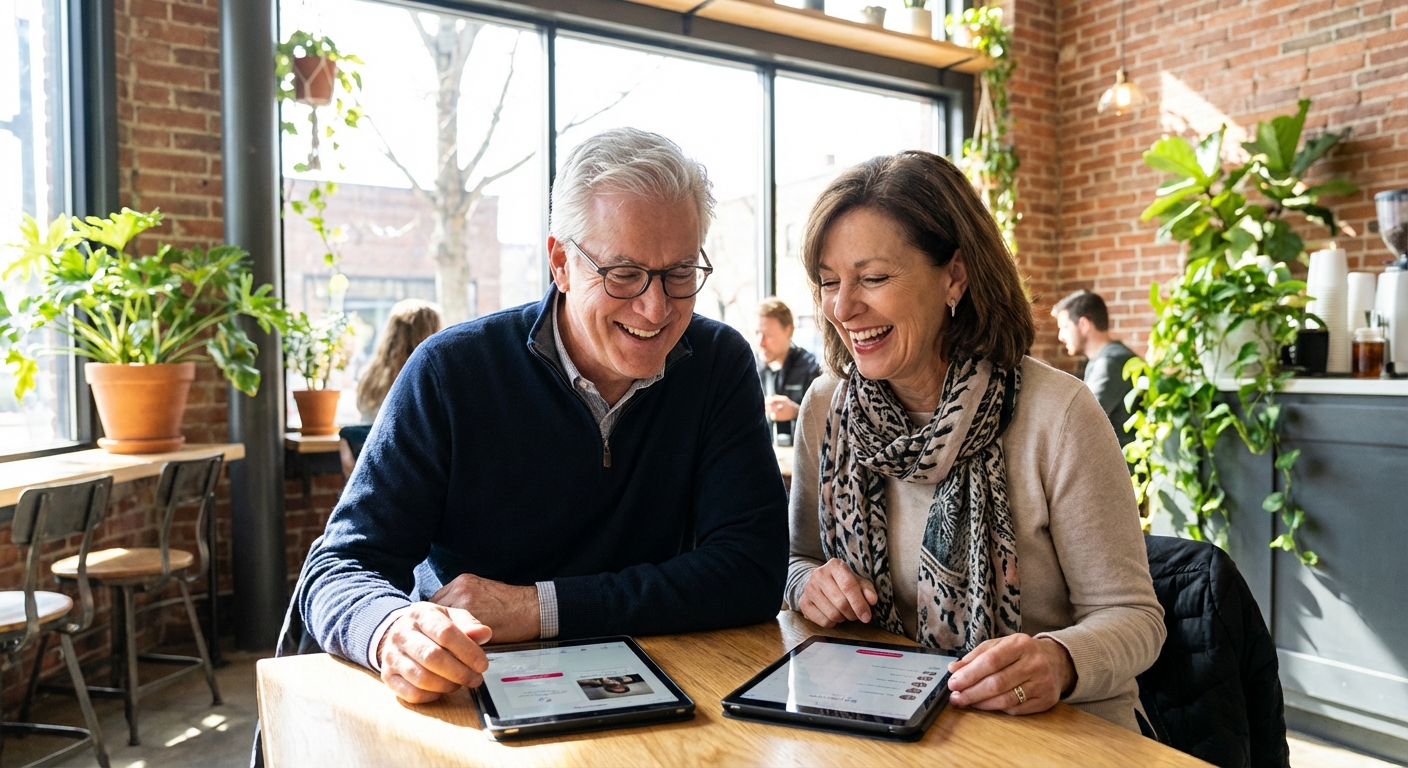
- Platforms built (or optimized) for 50+
- Strong community features (discussion groups, events, forums)
- Better safety and verification tools
Let’s walk through where I’ve actually seen those show up.
The Big Three Over‑50 Dating Platforms in 2026
These aren’t the only options, but they’re the ones I’ve seen most often recommended by experts, coaches, and, frankly, by my own single friends at brunch.
1. OurTime: The Classic Workhorse
When I first tried OurTime, it felt… fine. A little clunky, a bit like online dating in 2015. But the 2025–2026 updates changed a lot.
What stood out when I tested it:- The majority of profiles in my city were genuinely 50+ (I didn’t have to sift through a million 27‑year‑old “cougars welcome” guys).
- They’ve rolled out better verification tools and prompt suggestions, so profiles have more than just “Ask me anything” in the bio.
- There are now more community‑style features: interest groups, events listings, and local meetups.
- Big user base in the 50–70 range in North America
- Familiar, simple interface
- Decent filters for lifestyle, religion, smoking, kids, etc.
- Messages require a paid subscription to really use
- Design still feels dated compared to newer apps
- Some inactive or sparse profiles
A dating coach I spoke with in 2025 joked that “OurTime is like the Costco of over‑50 dating—less glamorous, but you’re more likely to walk out with something useful.” That’s… not wrong.
2. SilverSingles: Structured and Serious
SilverSingles leans hard into compatibility. When I signed up, I spent a solid 20 minutes on their personality questionnaire. It was mildly exhausting but also kind of enlightening.
My experience:- The matches I got actually made sense. Similar education level, shared interests (books, travel, hiking), and aligned values.
- Messaging felt slower but more intentional; I had fewer conversations, but more of them turned into video calls and real dates.
- Personality‑based matching (think: laid‑back version of eHarmony)
- Good for people seeking long‑term relationships, not casual dating
- Profile prompts help you showcase your life experience, not just your face
- Smaller pool than general apps; in rural areas, options can be limited
- Less appealing if you want a very casual or social experience
A 2022 analysis in The Journal of Social and Personal Relationships noted that structured matching algorithms can increase perceived compatibility, especially in older adults who have clearer preferences and dealbreakers. When I tested SilverSingles, that felt very true.
3. eHarmony: Not Just for the Under‑40 Crowd Anymore
I used to think of eHarmony as the place for 30‑something church‑going couples. Then I tried it again in 2024 and was surprised by how many 50+ daters were on there.
What happened when I gave it another shot:- My matches skewed late‑40s to early‑60s, even though there were younger people on the platform.
- The guided communication tools (icebreaker questions, prompts) removed some of that awkward first‑message paralysis.
- Deep profiles and matching system
- Good for marriage‑minded or long‑term relationships
- Strong emphasis on values and lifestyle alignment
- Not cheap, especially if you want to commit for a year
- Less community feel—more 1:1 matching than group interaction
If you like the idea of a data‑heavy, psychology‑driven platform, this is a solid option going into 2026.
Where the Real Magic Happens: Online Communities Around Dating
The surprise twist of my own over‑50 dating journey? The actual dating sites were only half the story. The other half came from online communities built around those sites.
When I joined a private Facebook group for divorced women over 50, the floodgates opened. People were sharing:
- Screenshots of suspicious profiles (“Is this a scammer?”)
- First‑date stories (both heartwarming and horrifying)
- Profile‑writing tips and photo feedback
That sense of “I’m not the only one” changed everything. I stopped taking ghosting personally. I learned what romance scams look like in 2026 (spoiler: they’re slick). And I got honest feedback on my profile photos from people who weren’t trying to date me.
Psychologist Dr. Eli Finkel has written extensively about how online dating works best when it’s part of a broader social ecosystem—friends, communities, offline activities. Dating sites are tools, not magic spells. The communities around them give you context, support, and sanity.
Big Trends Reshaping Over‑50 Dating in 2026
Based on what I’ve seen first‑hand and what experts are predicting, here’s what’s reshaping the landscape this year.
1. Video First, Coffee Second
When I started, video dates felt awkward. Now they’re… normal. Many over‑50 platforms encourage quick video intros or first video chats before an in‑person meetup.
I used to resist this, but once I started doing 10–15 minute video “vibe checks,” I:
- Saved time and money
- Avoided dates where the energy was clearly off
- Felt safer meeting someone I’d at least seen move and talk
2. Better Fraud Detection (But Scammers Are Smarter Too)
The U.S. Federal Trade Commission reported that romance scam losses hit around $1.3 billion in 2022, with older adults disproportionately targeted. Platforms now use AI to flag suspicious behavior—sudden money requests, copy‑paste messages, location inconsistencies.
When I tested blocking and reporting tools on a few apps (thanks to a very obvious “oil rig engineer” scammer), I noticed:
- Faster moderation response times than a few years ago
- Educational prompts about common scam patterns
Still, no platform is perfect. If someone asks for money, crypto, gift cards, or tries to move you off‑platform too fast? Hard pass.
3. Niche Communities and Interest‑Based Dating
Beyond the big platforms, I’ve seen a rise in niche communities:
- Travel groups for solo women over 50
- Fitness and hiking meetup circles
- Book‑club‑style dating communities
Sometimes, romance shows up as a side effect of shared interests. I know one couple (both 60+) who met in an online photography forum, not a dating site. They started by critiquing each other’s sunset shots. Now they’re planning a trip to Iceland—together.
How to Actually Make These Sites Work for You
Here’s what’s consistently helped me and the people I’ve talked to.
1. Build a Profile That Sounds Like You in Real Life
When I rewrote my profile to sound like I actually talk—slightly sarcastic, book‑obsessed, occasionally nerdy—the quality of my matches changed. Fewer “hey” messages, more “I also love…” messages.
A few quick wins:
- Use 4–6 photos that show your face clearly, full body, and you doing something (travel, hobbies, everyday life).
- Mention 3–4 specific things you enjoy instead of generic “I like music and movies.”
- Add a line about what you’re actually looking for (serious relationship, companionship, slow‑burn dating).
2. Treat It Like a Social Skill, Not a Report Card
A therapist once told me: online dating is a numbers game, not a referendum on your worth. When I internalized that, rejection stung less.
In my experience:
- You’ll message people who never respond
- Some conversations will fizzle
- A few dates will be “nice but no”
That’s not you failing; that’s the filtering process working.
3. Use Online Communities as Your Support Squad
Join at least one:
- Facebook group for over‑50 singles
- Subreddit or forum about dating over 40/50
- Local meetup or online event for singles in your age group
Post your profile (if the rules allow), ask for constructive feedback, and share your wins and disasters. The benefit isn’t just advice—it’s perspective.
What These Sites Can’t Do for You
As polished as platforms have become by 2026, they still can’t:
- Heal old relationship wounds
- Give you instant chemistry
- Replace offline life—friends, hobbies, purpose
Every relationship expert I’ve spoken with has said some version of: the healthiest online daters are the ones who’d still have a reasonably good life without dating at all.
When I finally stopped treating dating as the missing puzzle piece and started treating it as the bonus round, everything felt lighter. I took more risks, laughed more on dates, and weirdly… attracted better people.
The Bottom Line for 2026
If you’re single and over 50, you’re not “late to the party.” You’re arriving at the part of the party where the good conversations happen—after the loud music has died down and people are actually being themselves.
Platforms like OurTime, SilverSingles, and eHarmony are more usable, safer, and more targeted to your stage of life than they were even a few years ago. Combine them with the right online communities, a decent profile, and a willingness to go on some awkward first dates, and your odds of finding real connection go way up.
I can’t promise you’ll meet the love of your life in three swipes. I can tell you this: I’ve seen widows fall in love again, divorced men rebuild their confidence, and friends who swore they were “done” show up giddy after a second date.
If that can happen for them (and, honestly, for me), it can happen for you too.
Sources
- Pew Research Center – The Virtues and Downsides of Online Dating (2020; updated data through 2023) - Data on age groups using dating apps and attitudes toward online dating.
- Federal Trade Commission – Reports of Romance Scams Hit Record High in 2022 - Statistics and guidance on romance fraud affecting older adults.
- eHarmony Official Site – About eHarmony & Compatibility Matching - Details on their matching system and target users.
- OurTime Official Site – Dating for Singles 50+ - Platform overview and features geared toward over‑50 dating.
- Northwestern University – Eli Finkel’s Research on Online Dating - Academic work on how online dating fits into broader relationship formation.