The Day My “Dream Body” Screenshot Broke Me
You know the ones: perfectly rounded glutes, razor-sharp abs, glowing skin, zero pores, not a hint of cellulite. My plan was simple: copy their workouts, copy their diets, copy their lives.
When I tried this, I ended up exhausted, bloated, and weirdly less confident than when I started.
My turning point came in a gym locker room. I was scrolling through that folder between sets, comparing my very-real, very-sweaty reflection to some hyper-filtered selfie. I skipped my last exercise, went home, and didn’t touch a dumbbell for two weeks.
That’s when I decided to stop structuring my training around how I wanted to look and started building it around how I wanted to live.
What shocked me was this: once I shifted my goals from “smaller waist” to “stronger back, calmer skin, better sleep,” my aesthetics improved… almost as a side effect.
Here’s how I rebuilt my entire beauty and fitness approach from the inside out, plus the science that backed up what I felt in my own body.
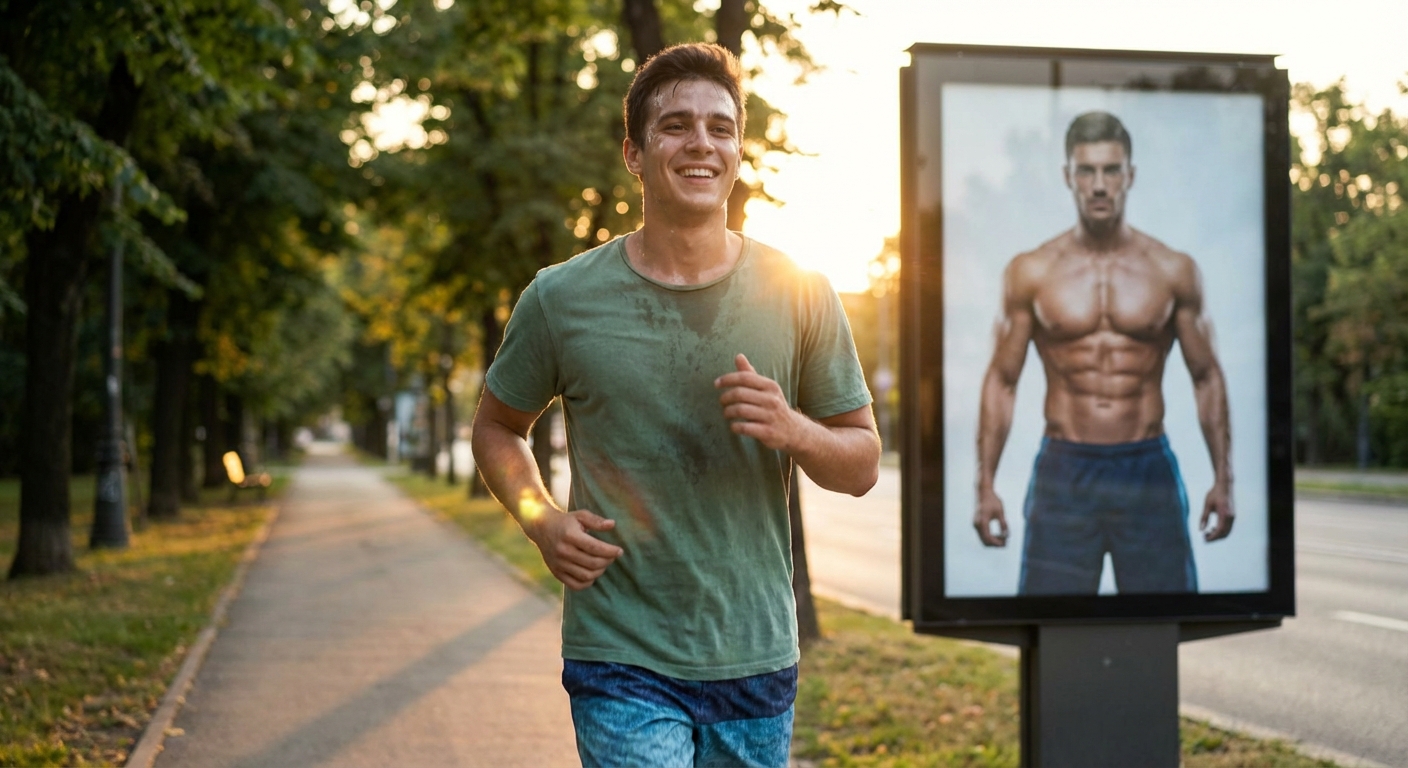
Step 1: I Fired The Scale As The Main Judge
For years my mood was anchored to one number: my weight.
If it was down: angelic behavior. If it was up: punishment workouts and salad penance.
When I dug into research, I found a 2015 study in Body Image showing frequent self-weighing was linked with greater body dissatisfaction and depressive symptoms, especially in women.
So I did something dramatic (for me): I weighed myself once, wrote it down, then hid the scale.
What I Tracked Instead
For 90 days, I tracked:
- Performance: reps, weights, running distance
- Sleep quality: 1–5 rating in my notes app
- Skin status: breakout scale, oiliness, redness
- Cycle symptoms: because hormones are not a side quest
Within a month, I cared more about adding 5 kg to my deadlift than losing 2 kg on the scale. Weirdly, my body started leaning out as my training finally had structure.
Step 2: I Trained Like An Athlete, Not An Ornament
When I say "train like an athlete," I don’t mean I suddenly became Olympic material.
I mean I stopped doing random influencer circuits and started training like my body’s job was to perform, not just pose.
My Simple Training Split
After testing about six different routines, this is what stuck:
- Day 1 – Lower Body Strength
- Squats or leg press
- Romanian deadlifts
- Split squats or lunges
- Day 2 – Upper Body Push/Pull
- Bench press or push-ups
- Rows
- Overhead press
- Day 3 – Conditioning / Cardio
- Intervals on a bike or treadmill
- Short, sharp circuits
I train 3–4 days a week, 45–60 minutes. No seven-day grind culture, no “no days off” flexing.
Why This Worked Better Than Random HIIT
A 2017 meta-analysis in Sports Medicine found that resistance training significantly reduces body fat percentage—even without intentional caloric restriction. Building muscle changes your body composition, not just your scale weight.
In my experience:
- My legs and glutes got rounder and firmer before the scale really budged
- My posture improved, which did more for my appearance than losing 3 kg ever did
- My chronic neck pain (from laptop life) dialed way down once I strengthened my upper back
Aesthetically, my shoulders became more defined, my waist looked smaller because my back and glutes grew, and clothes started fitting better without crash diets.
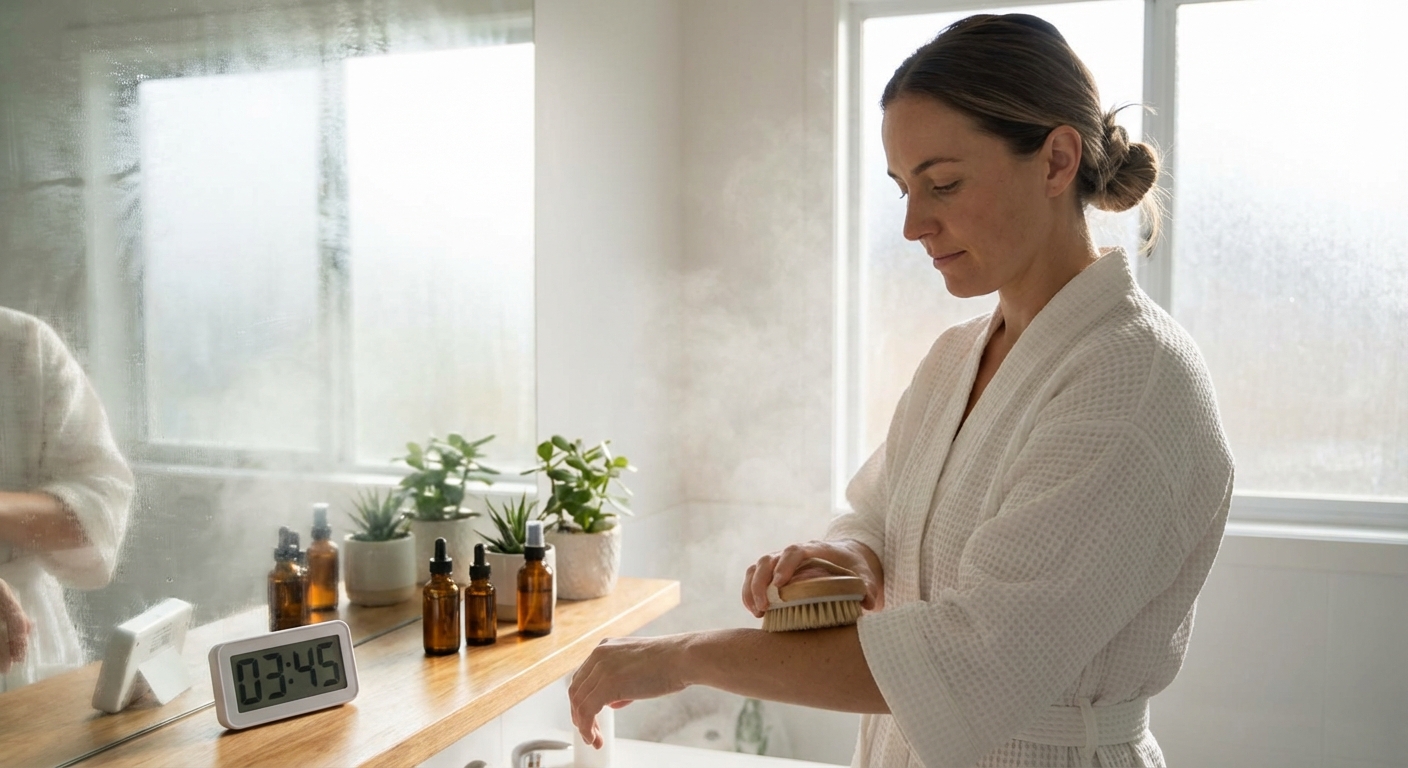
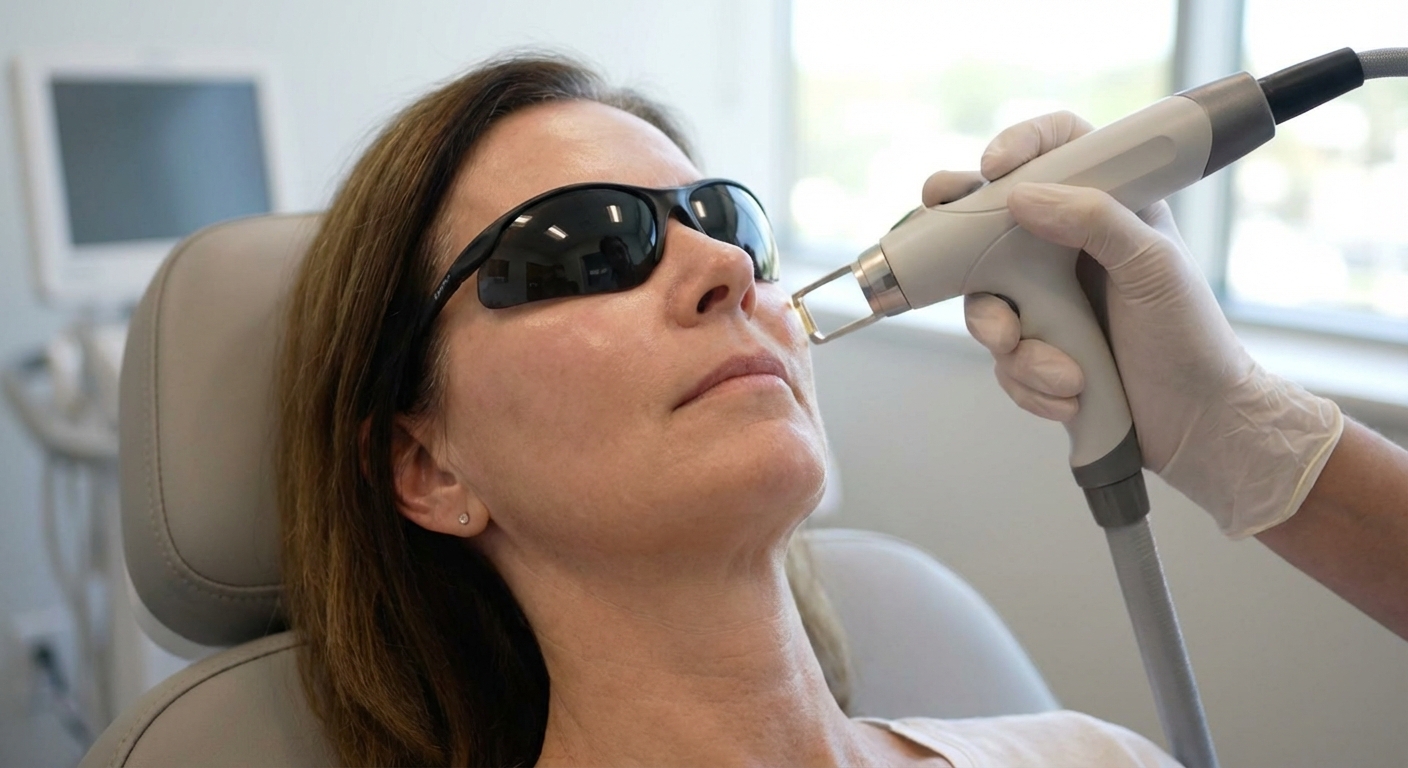
Step 3: I Treated Skin Like An Organ, Not A Decoration
I used to assault my skin trying to make it perfect.
At one point I was layering AHAs, BHAs, physical scrubs, and a high-strength retinol… then wondering why my face felt like sandpaper.
When I started thinking like an athlete, I realized: skin is an organ with a job, not a canvas for my insecurity.
The “Barrier-First” Rule
I had a consult with a dermatologist (over telehealth), and she said one sentence that stuck with me:
> “Healthy skin is slightly boring skin.”
She put me on what’s basically the least sexy routine possible:
- Gentle cleanser
- Lightweight moisturizer with ceramides and glycerin
- Daily SPF 30+ (50 if I’m serious about aging slowly)
- Low-dose retinoid a few nights a week
There’s solid evidence that this combo works. A 2016 paper in The Journal of Clinical and Aesthetic Dermatology emphasized barrier repair (ceramides, cholesterol, fatty acids) as a cornerstone of managing sensitive and aging skin.
When I gave up the constant exfoliating arms race, my redness faded, my makeup went on smoother, and my breakouts shrank from volcanic eruptions to minor traffic cones.
The Fitness–Skin Connection I Completely Ignored
Once I wore a fitness tracker, I noticed something: the weeks I slept under 6 hours, my heart rate variability crashed, and I’d always get a breakout two days later.
Research backs this up. A 2017 study in Clinical and Experimental Dermatology found that poor sleep quality was significantly associated with increased aging signs and reduced skin barrier function.
So I made one deeply unsexy beauty commitment: protect 7–8 hours of sleep like it was a limited-edition serum.
My under-eyes stopped needing industrial-strength concealer, and I stopped confusing hormonal breakouts with “my skin just hates me.”
Step 4: I Stopped “Detoxing” And Started Periodizing
I used to have two modes:
- Angel mode: no sugar, no carbs, no fun
- Goblin mode: everything, all at once, please
Then I read about periodization—how athletes structure their training and nutrition in cycles instead of trying to be at peak performance 365 days a year.
How I Periodized My Training
I started doing 8–12 week blocks with a clear focus:
- Block 1: Build strength (heavier weights, fewer reps)
- Block 2: Build work capacity (slightly lighter weights, more volume, more conditioning)
This matters because you can’t be in a calorie deficit, chasing PRs, and also expecting your hormones and skin to be chill. The body doesn’t work like a TikTok transformation video.
How I Periodized My Diet (Without Being Weird About It)
I’m not a fan of strict macros for myself—they make me obsessive—but I did:
- Eat at maintenance or slight surplus during strength blocks
- Pull back slightly on calories during conditioning blocks, mostly by cutting snacks I didn’t actually enjoy
A 2014 study in Obesity suggested that periods of energy balance (not always dieting) may help preserve metabolic rate and lean mass compared to constant restriction.
In real life, this meant:
- My cycle became more regular
- My hair shedding slowed down
- My workouts stopped feeling like a fight against my own biology
And yes, my body composition changed. My thighs are still thighs—they jiggle—but they’re powerful now. I care more about what they can lift than how they look when I sit down.
Step 5: I Opted Out Of Face-Tuning, Opted Into Heavy Lifting
After I cleaned up my routines, there was still one thing destroying my self-image: my own camera roll.
I’d take a post-workout photo, edit the lighting, nip in my waist, soften my skin. Then I’d stare at the edited version and hate my actual body in the mirror.
One night, mid-edit, it hit me: I was trying to become the filter.
I deleted the editing apps. My rule now:
- I can adjust lighting and crop, but that’s it. No resizing, no skin smoothing.
The Strange Confidence of Seeing Your Real Face Daily
At first, I hated it. I saw every pore, asymmetry, and patch of texture.
Then something shifted. My brain adapted. A 2015 paper in Cognitive, Affective, & Behavioral Neuroscience discussed how repeated exposure to certain faces can change our perception of attractiveness.
Turns out, when you keep seeing your real face without harsh editing, it starts to look… normal. Sometimes even, dare I say, hot.
I still enjoy a good glam moment. I’ll still angle my face toward good lighting. But my default is now: if I’m going to celebrate a progress photo, it has to be of the actual body that’s doing the work.
Pros And Cons Of Training For Function, Not Just Aesthetics
Because nothing is perfect, let me be honest about both sides.
The Pros I Didn’t Expect
- More stable confidence: My self-worth isn’t shattered by one bloated day.
- Better relationship with food: I eat to hit performance goals, not to punish myself.
- Higher energy: My resting heart rate dropped, and walking up stairs stopped being cardio.
- Calmer skin: Fewer breakouts, more predictable flare-ups I can actually manage.
The Cons (And How I Handle Them)
- Slower visible changes: Training for strength doesn’t give you week-two six-pack content.
- Clothes fit differently: My thighs and glutes grew before my waist shrank. Some jeans said goodbye.
- Social comparison still creeps in: I still catch myself saving someone’s “aesthetic” and have to ask, “Do I want their lifestyle, or just that 3-second snapshot?”
I remind myself regularly: I’m training for a life I actually have to live in, not a body I only see in 2D photos.
If You Want To Try This Without Burning Down Your Current Routine
Here’s how I’d start if I were doing Day 1 again:
- Pick one performance goal for the next 8 weeks.
- Example: 3 real push-ups from the floor, a 60-second plank, or a 5 km walk without stopping.
- Set one skin habit that protects, not punishes.
- Example: daily SPF, or dropping your exfoliation to 1–2x a week and adding a barrier moisturizer.
- Choose one metric that isn’t weight.
- Maybe it’s your resting heart rate, your sleep score, or how your knees feel taking the stairs.
- Allow your body to look like it belongs to a living human.
- That means some softness, some lines, some texture. Even elite athletes have skin and body “imperfections” up close.
After a year of doing this, here’s where I landed:
- I’m stronger, inside and outside the gym
- My skin is calmer, not perfect
- My confidence isn’t a hostage of the scale or my front camera
I didn’t get my old “dream body.” I got something better: a body that lets me hike with friends, lift heavy things, sleep deeply, laugh hard, and show up on camera without wanting to edit myself into another person.
And that, honestly, looks better on me than any face-tuned version ever did.