Laser Wrinkle Treatment: What to Expect
ted me to. That’s what pushed me to seriously look into laser wrinkle treatment. I’d written about it as a beauty & fitness writer for years, but actually getting under the laser? Whole different story.
Here’s what I’ve learned firsthand, what dermatologists told me off the record, and what actually happens once you’re lying on that treatment bed thinking, “Dear skincare gods, please let this be worth it.”
What Laser Wrinkle Treatment Actually Is
When I first started researching, I kept seeing confusing terms: ablative, non-ablative, fractional, CO₂, Er:YAG. It sounded more like a sci‑fi weapons catalog than skincare.
Put simply:
- Laser wrinkle treatment uses focused light energy to create controlled micro‑damage in the skin.
- Your skin responds by launching a repair process: more collagen and elastin, better texture, smoother lines.
There are two big families:
- Ablative lasers (like CO₂ and Er:YAG):
- Remove the top layer of skin (epidermis) and heat the underlying dermis.
- More dramatic results, more downtime.
- Non‑ablative lasers (like some fractional lasers, Nd:YAG):
- Heat tissue deeper down without removing the surface layer.
- Milder results, less downtime, usually more sessions.
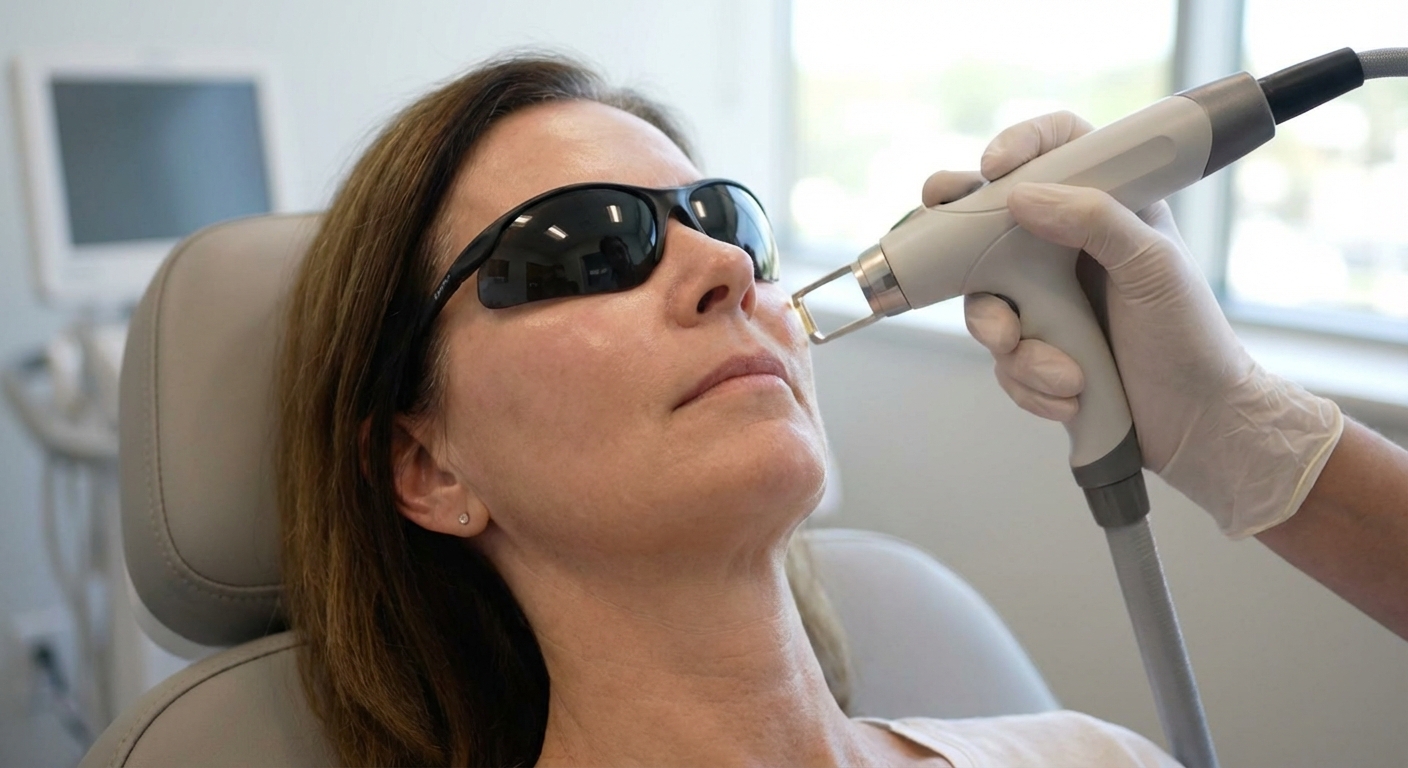
When I tested this for the first time, my dermatologist used a fractional CO₂ laser. "Fractional" just means it treats tiny columns of skin, leaving some intact in between so you heal faster.
Who It’s Really For (and Who Should Skip It)
In my experience, the people who do best with laser wrinkle treatment are:
- Late 20s–30s starting to see fine lines around the eyes, mouth, or forehead.
- 40s–60s with moderate wrinkles, sun damage, or rough texture.
- People with realistic expectations: smoother, firmer skin, not a new face.
It’s usually not ideal for:
- Very dark skin tones with certain lasers (especially traditional fully ablative CO₂) due to higher risk of pigmentation changes.
- Anyone prone to keloid scarring.
- Pregnant people (most dermatologists avoid elective lasers then).
- Those on isotretinoin (Accutane) currently or within the last 6–12 months.
My own skin: light–medium olive, combination, freckles, and a long-term relationship with SPF (we’re serious now, we were very on‑off in my teens). My derm steered me toward fractional settings to reduce pigmentation risk.
The Consultation: Where the Real Decisions Happen
My consultation was 45 minutes and weirdly more like a strategy meeting than a spa visit.
Here’s what we covered (and what you should absolutely ask about):
- Type of laser being used and why it’s recommended for your skin tone and concerns.
- Your Fitzpatrick skin type (I’m type III–IV). This matters a lot for pigmentation risk.
- Any history of cold sores (you may need antivirals ahead of time).
- Past chemical peels, microneedling, or retinoid use.
- Medications and supplements that might affect healing.
My derm was brutally honest: “You’ll look worse before you look better. Downtime is real. But if you’re patient, you’ll see a solid 20–30% improvement in fine lines and texture from one good fractional CO₂ session.”
She also showed me unfiltered, no-makeup, same‑lighting before/after photos. That sold me more than any glossy ad.
The Day of Treatment: What It Actually Feels Like
I won’t sugarcoat it. Laser wrinkle treatment isn’t a nap.
Step 1: Numbing
A thick layer of topical anesthetic cream went on my face for about 40 minutes. I looked like someone had frosted me.
When she wiped it off, my face felt like it belonged to someone else. This helped a lot.
Step 2: Eye Protection & Prep
I got metal eye shields that made me feel like a very nervous robot. The laser machine warmed up with a soft humming noise.
Step 3: The Laser Pass
Sensation-wise, my experience:
- Like hot rubber bands snapping on my skin.
- Some areas (forehead, upper lip) were spicier.
- It smelled faintly like burnt hair/skin – totally normal but not… pleasant.
My full face took about 20–25 minutes. We did one heavier pass on crow’s feet and between the brows (my “concentration lines” that are absolutely from emails, not aging, obviously).
Pain level for me: 6/10 during, 3/10 after, thanks to numbing and cool air.
Right After: The First 48 Hours
When I first looked in the mirror, I honestly panicked for a second.
- My face was bright red, almost sunburn‑purple around the cheeks.
- It felt hot, like a bad beach burn.
My derm handed me a mirror and said, “This is exactly what we want.” I did not feel reassured, but she was right.
The next two days:
- Redness + swelling peak in the first 24–48 hours.
- I used cold compresses and a bland moisturizer like CeraVe.
- No active ingredients. No retinol. No acids. No scrubs. Nothing fancy.
Sleeping on a freshly lasered face is also weird. I propped myself up with two pillows to minimize swelling and used a clean pillowcase every night.
Days 3–7: The "Lizard Phase"
This is the part nobody glamorizes on Instagram.
- My skin started to bronze, then flake.
- Tiny grid-like marks (from the fractional pattern) became visible.
- I looked like I’d spent a month in the desert with zero SPF.
I was so tempted to pick at the flaking. Don’t do it. When I did a tiny area near my jaw (I know, I know), that spot stayed pink for weeks longer than the rest.
Makeup looked terrible for the first week—everything clung to dry patches. I basically surrendered and leaned into oversized sunglasses and a big hat.
Weeks 2–12: Where the Magic Actually Happens
Around day 10–14, I started to see why people swear by this.
- My skin texture looked finer and smoother.
- Foundation sat better, even lightweight tinted moisturizer.
- Fine lines around my eyes and on my forehead were noticeably softened.
What surprised me most was timing. The real change wasn’t instant:
- At 4 weeks, friends said, “Your skin looks really good—what skincare are you using?”
- At 8–12 weeks, I could see a clear difference in before/after photos: softer wrinkles at rest, especially at the crow’s feet.
That timing matches what dermatology sources say: collagen remodeling peaks around 3 months post-laser.
How Long Results Last (and What It Can’t Do)
In my experience and according to the derms I’ve interviewed over the years:
- Results from a solid fractional CO₂ session can last 1–3 years, depending on sun exposure, smoking, skincare, and genetics.
- It won’t stop aging, but it can rewind the clock on some damage.
- Deep dynamic wrinkles (like heavy forehead lines from strong expressions) may need neurotoxins like Botox plus laser to really soften.
My own results at the 9‑month mark:
- Still smoother under eyes and around mouth.
- Forehead lines are lighter, though not erased.
- Overall skin looks more “refined,” like a good Instagram filter but in real life.
Pros and Cons: The Honest Version
What I Loved
- Real, visible improvement in fine lines and texture.
- Helped with pigmentation and small sunspots as a bonus.
- Long-lasting compared to a facial or peel.
What I Didn’t Love
- Cost: My fractional CO₂ treatment was about $1,200 for full face (varies widely by city and clinic).
- Downtime: I needed about 5–7 days before I felt comfortable seeing clients in person.
- Sun paranoia: I’m now religious about SPF 50+, hats, and avoiding midday sun, because post-laser skin is extra vulnerable.
There are also real risks, especially if you go to someone unqualified:
- Hyperpigmentation or hypopigmentation (especially if using the wrong laser for your skin type).
- Infection if aftercare isn’t followed.
- Scarring in rare cases.
How to Prepare (So You Don’t Regret It)
What worked well for me and lines up with what board-certified dermatologists recommend:
- Stop retinoids and acids 5–7 days before (or as directed).
- Avoid intense sun exposure for a couple of weeks pre-treatment.
- If you get cold sores, ask about antiviral meds.
- Stock your bathroom with:
- Gentle cleanser
- Thick, fragrance-free moisturizer
- Mineral sunscreen (zinc or titanium dioxide)
- Block your calendar—assume at least 3–5 days of looking noticeably “crispy.”
Red Flags When Choosing a Provider
Based on both my experience and interviews with experts, I’d run from any clinic that:
- Has no board-certified dermatologist or plastic surgeon overseeing lasers.
- Can’t tell you exactly which device they’re using and why.
- Promises “no downtime, 10 years younger in one session” – that’s just not how biology works.
- Relies on aggressive discounts or group deals instead of proper consultations.
I also checked that my provider used FDA‑cleared equipment and had lots of before/after photos on people with similar skin tone to mine. That last part is huge.
Is Laser Wrinkle Treatment Worth It?
For me, yes—with caveats.
If you’re expecting:
- Subtle to moderate smoothing
- Fresher, more refined skin
- Softening (not erasing) of fine lines
…and you’re OK with spending real money and actual downtime, laser wrinkle treatment can be a strong tool in the anti-aging toolbox.
But if you:
- Want zero downtime
- Are terrified of any discomfort
- Expect to come out looking 18 again
…you’ll probably be disappointed and frustrated.
In my experience, the people who love their results the most are the ones who treat laser as part of a bigger routine: daily SPF, good skincare, maybe some injectables, lots of water, decent sleep, and not pretending their face is immune to gravity.
If you’re seriously considering it, book at least two consultations with different board-certified derms. Ask blunt questions. Show them unfiltered photos. Talk about your budget and your lifestyle. The right provider will walk you through not just the glow, but the lizard phase too.
Sources
- American Academy of Dermatology – Lasers and intense pulsed light (IPL) - Overview of how cosmetic lasers work and what they can treat.
- Mayo Clinic – Laser resurfacing - Medical explanation of laser resurfacing, risks, and recovery.
- Cleveland Clinic – CO2 Laser Resurfacing - Detailed guide to CO₂ laser procedures and expected results.
- Harvard Health Publishing – The lowdown on laser resurfacing - Independent review of laser resurfacing benefits and limitations.
- U.S. Food & Drug Administration – LASIK and other laser procedures - FDA information on medical laser devices and safety considerations.