Understanding Legal Help Available Through Pro Bono Programs
s. Then a friend called me in tears about an eviction notice. Watching her navigate that mess is what pushed me to actually dig into how pro bono legal help really works.
What I found honestly surprised me: there is a real system of free legal help out there, funded, organized, and staffed by serious professionals. But it’s also confusing, fragmented, and—if you don’t know how to approach it—easy to miss.
This is my attempt to walk you through it like I wish someone had done for us.
What “Pro Bono” Actually Means (And What It Doesn’t)
When I first started asking lawyers about pro bono, I expected some polished PR answer. Instead, one legal aid attorney laughed and said, “It means we get paid in snacks and stress.”
Formally, pro bono comes from the Latin pro bono publico — “for the public good.” In practice, it’s legal services provided for free (or sometimes extremely reduced cost) to people who can’t afford a lawyer.
A few clarifications I wish I’d known earlier:

- Pro bono isn’t the same as “cheap” or “discount.” If someone says, “I’ll give you 20% off, that’s my pro bono,” that’s just marketing.
- It’s usually means-tested. Most legitimate pro bono programs check your income, sometimes your assets, and even household size.
- It’s often limited in scope. Many programs help with specific legal issues (housing, immigration, family law), not every possible case.
According to the American Bar Association’s Model Rule 6.1, lawyers should aim for about 50 hours of pro bono work per year. It’s aspirational, not legally required in most states—but big firms, bar associations, and legal aid organizations take it seriously.
Where Pro Bono Help Actually Comes From
When I tested this out—helping my friend find a lawyer—I realized there isn’t “one” pro bono system. It’s more like overlapping circles.
1. Legal Aid Organizations
These are non-profits whose entire mission is to provide free legal help.
Examples in the U.S. include:
- Legal Services Corporation (LSC)-funded providers (LSC is a federally funded nonprofit created by Congress in 1974)
- City or regional orgs like Legal Aid Society of Cleveland or Legal Aid Foundation of Los Angeles
They usually handle:
- Housing and eviction
- Domestic violence and family law
- Consumer debt and collections
- Public benefits (like SNAP, SSI)
In my experience, these organizations are the best entry point. They know the local judges, the local forms, the local chaos.
2. Law Firms’ Pro Bono Programs
Big law firms don’t just do corporate mergers—they often have entire pro bono departments.
When I spoke with a partner at a large firm in New York, she told me their lawyers handled asylum cases, veterans’ benefits appeals, and even small nonprofit formation, all pro bono.
The catch: you usually can’t walk in off the street. You’re matched through:
- A legal aid program
- A court help center
- A nonprofit that partners with the firm
3. Law School Clinics
Law students, under supervision of licensed attorneys, provide free legal help through clinics.
I once sat in on a housing clinic at a public law school. Third-year students drafted motions, negotiated with landlords’ attorneys, and got real outcomes for real tenants.
Clinics often focus on specific areas:
- Immigration
- Criminal record expungement
- Housing and tenants’ rights
- Civil rights / constitutional issues
If there’s a law school near you, it’s worth checking their website for “legal clinics” or “pro bono clinic.”
4. Bar Association Referral Programs
Most state and local bar associations (the professional groups for lawyers) run:
- Lawyer referral services, sometimes with a free or low-cost first consultation
- Pro bono panels of lawyers who take specific kinds of cases for free
This was how my friend finally got matched—through a county bar association that had a tenant defense project.
What Kinds of Legal Issues Pro Bono Programs Usually Cover
When I dug into the data, a pattern popped up: pro bono resources tend to cluster around areas that deeply affect basic life needs.
Common areas where you can find real help:
- Housing – evictions, unsafe living conditions, illegal lockouts
- Family law – domestic violence restraining orders, custody, child support, sometimes divorces
- Immigration – asylum, DACA renewals, certain deportation defense matters
- Public benefits – Social Security, veterans’ benefits, disability claims
- Consumer issues – debt collection, wage garnishment, bankruptcy advice
Areas where pro bono help is harder to find:
- Routine business disputes
- High-value personal injury (because contingency-fee lawyers often handle those)
- Highly complex commercial or tax matters (unless there’s a specific nonprofit project)
One federal study from the Legal Services Corporation in 2017 found that 86% of civil legal problems reported by low-income Americans received inadequate or no legal help. That gap helps explain why pro bono effort is so targeted.
How to Actually Find Pro Bono Help (Step by Step)
Here’s the exact process I walked through with my friend. You can adapt it to your situation.
1. Start With Legal Aid in Your Area
Search: `"legal aid" + your city or county`.
You can also use the Legal Services Corporation’s directory of local providers. Most legal aid websites have a bold “Get Help” or “Apply” button.
Be ready with:
- Your income and household info
- Any documents related to your case (notices, contracts, court papers)
- Deadlines or court dates
2. Ask About Referrals, Even If They Can’t Take Your Case
This is where most people give up. When one office said they were at capacity, my friend almost hung up in defeat.
What finally worked: we started asking, “Do you know any partner organizations, clinics, or bar association programs that might take this?”
That question opened doors. Staff pointed us to:
- A local law school’s housing clinic
- The county bar association’s pro bono project
- A nonprofit that helped tenants prepare for court
3. Call Your Local or State Bar Association
Look for a “public” or “for the public” section on the website.
You’re specifically looking for:
- Pro bono programs
- Modest means programs (reduced fee for people over the legal aid income limit)
- Lawyer referral services with free consultations
4. Use Court Self-Help and Legal Clinics
Many courts now host:
- Self-help centers with staff who can’t represent you but can explain procedures and forms
- Limited-scope pro bono clinics where lawyers offer short consultations (sometimes called “advice and counsel” clinics)
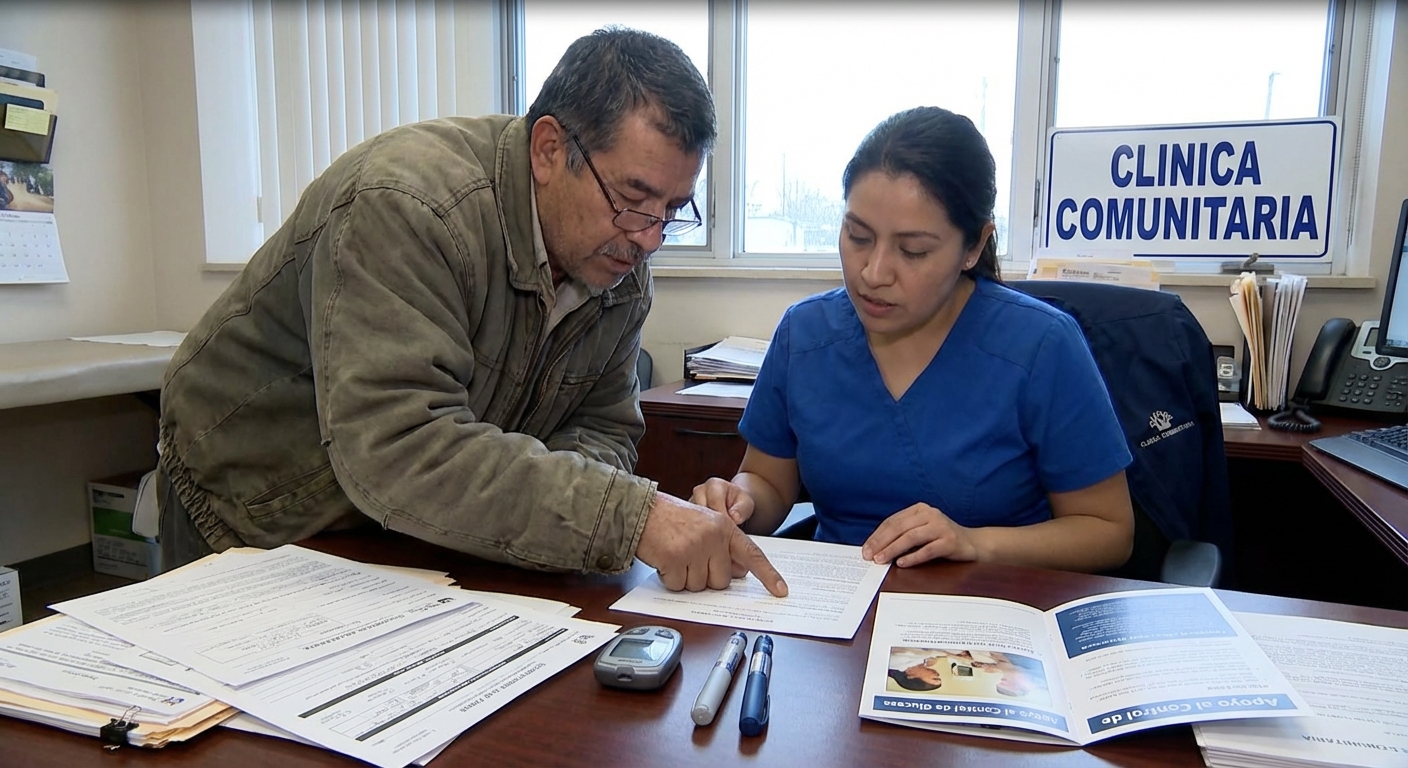
When I visited a court help center out of curiosity, I watched a volunteer attorney walk a tenant step-by-step through filing an answer to an eviction complaint. It took 25 minutes and probably changed the outcome of that case.
What Pro Bono Lawyers Can (And Can’t) Do For You
This part doesn’t get talked about enough.
The Upside
From everything I’ve seen and the data I’ve read:
- Quality can be very high. Many pro bono cases are handled by attorneys from big firms with serious training and resources.
- You get access to expertise you’d never afford. Complex immigration or federal benefits cases are unbelievably technical; having a specialist can be game-changing.
- You’re not alone in the process. Just having someone explain what each form actually means is a relief.
In my friend’s case, her pro bono lawyer negotiated extra time, got some fees waived, and helped her avoid an eviction judgment on her record. That judgment alone could’ve made it almost impossible to rent again.
The Limitations (Let’s Be Honest)
There’s no point sugarcoating this:
- Capacity is brutal. Many legal aid orgs turn away more eligible clients than they can accept.
- Representation might be limited. Some programs can only offer advice, not full courtroom representation.
- You may not “get a lawyer” in the TV sense. Sometimes you get a one-time consult, not someone by your side at every hearing.
- Priority matters. Cases with safety issues (like domestic violence) or imminent deadlines usually jump the line.
Trustworthiness, to me, means saying this clearly: pro bono help can dramatically change your legal outcome, but it isn’t a magic wand. You may still have to do a lot of the legwork yourself.
How to Make the Most of a Pro Bono Opportunity
From watching several people go through this, here’s what realistically makes a difference:
- Be organized. Bring all your papers in one folder: notices, letters, screenshots, leases, pay stubs—everything.
- Be honest, even about the messy parts. Lawyers can usually work around bad facts; they can’t work around surprises.
- Write down your questions beforehand. Pro bono consultations are often short.
- Show up early. Especially for walk-in clinics—slots are limited.
One supervising attorney told me, “The clients who keep notes and bring every scrap of paper usually end up in the best shape. They give us something to work with.”
When Pro Bono Isn’t Available (Or Isn’t Enough)
Sometimes you’ll hear no, or you’ll get advice but not full representation. It’s frustrating, and yes, it’s unfair. But there are fallback options:
- Limited-scope representation. Some lawyers will handle just one part—like drafting a motion—for a smaller fee.
- Nonprofit or advocacy groups. Tenants unions, workers’ centers, domestic violence shelters often have legal partners.
- Self-help plus review. You draft documents using court self-help resources, then ask a clinic to review them.
Is it ideal? No. But it can still move you from “completely lost” to “reasonably prepared,” which is a massive shift in court.
Why This All Matters More Than We Admit
The more I dug into pro bono programs, the more one thing became obvious: we don’t really have a “justice system” if ordinary people can’t access it.
We have a system of rules. We have courts and judges and statutes. But justice? That only shows up when real humans can actually use those systems without being crushed.
Pro bono programs are one of the few places where that gap gets actively, concretely narrowed.
If you’re facing a legal problem and your stomach drops at the thought of calling a lawyer, that doesn’t have to be the end of the story. There’s a decent chance there’s a legal aid attorney, a clinic, or a pro bono lawyer within a few miles of you who’s specifically there for people in your situation.
The hardest part, from what I’ve seen, is not the law itself; it’s that first round of phone calls, websites, and applications. Once you push through that, the landscape starts to look a lot less impossible.
Sources
- Legal Services Corporation: The Justice Gap Report (2017) - Data on unmet civil legal needs for low-income Americans
- American Bar Association – Model Rule 6.1: Voluntary Pro Bono Publico Service - ABA guidance on lawyers’ pro bono obligations
- Legal Services Corporation – Find Legal Aid - Official directory of LSC-funded legal aid providers
- NYU School of Law Clinics - Example of law school clinical programs providing supervised pro bono services
- U.S. Courts – Representing Yourself (Pro Se) - Federal court guidance and resources for individuals without lawyers