Amazon 10 Litre Oxygen Concentrator Clearance Guide
A couple of months ago, a family friend messaged me: “Hey, you’re the ‘online shopping person’… can I safely buy a 10 litre oxygen concentrator from an Amazon clearance deal, or is this how I die on discount?” That sent me down a rabbit hole of listings, specs, medical advice, and more fine print than any sane human should read.
This guide is everything I wish someone had told me before I started hunting for Amazon 10L oxygen concentrator clearance bargains.
First, what exactly is a 10 L oxygen concentrator?
When I first saw “10 LPM” plastered across listings, I assumed bigger number = better machine. Not that simple.
10 LPM (litres per minute) is the maximum oxygen flow rate the concentrator can deliver. Higher-flow units are usually intended for:- Patients with moderate to severe chronic lung disease (COPD, interstitial lung disease, etc.)
- People who need higher flows to keep their oxygen saturation (SpO₂) within target range
- Dual-user setups (two people using one machine with a splitter – not ideal, but I’ve seen it done)
In my experience comparing units, 10 L machines are:
- Bigger and heavier (often 20–30 kg)
- Usually stationary, not portable
- Louder than smaller 3–5 L units
- Often rated for 24/7 use, but only if they’re from reputable brands
I tested a friend’s older 5 L model and then a newer 10 L from a medical supply store; the 10 L machine absolutely sounded like a small fridge trying to take off. It’s not discreet, but for some patients, that extra flow is non-negotiable.
When a clearance deal on Amazon might make sense
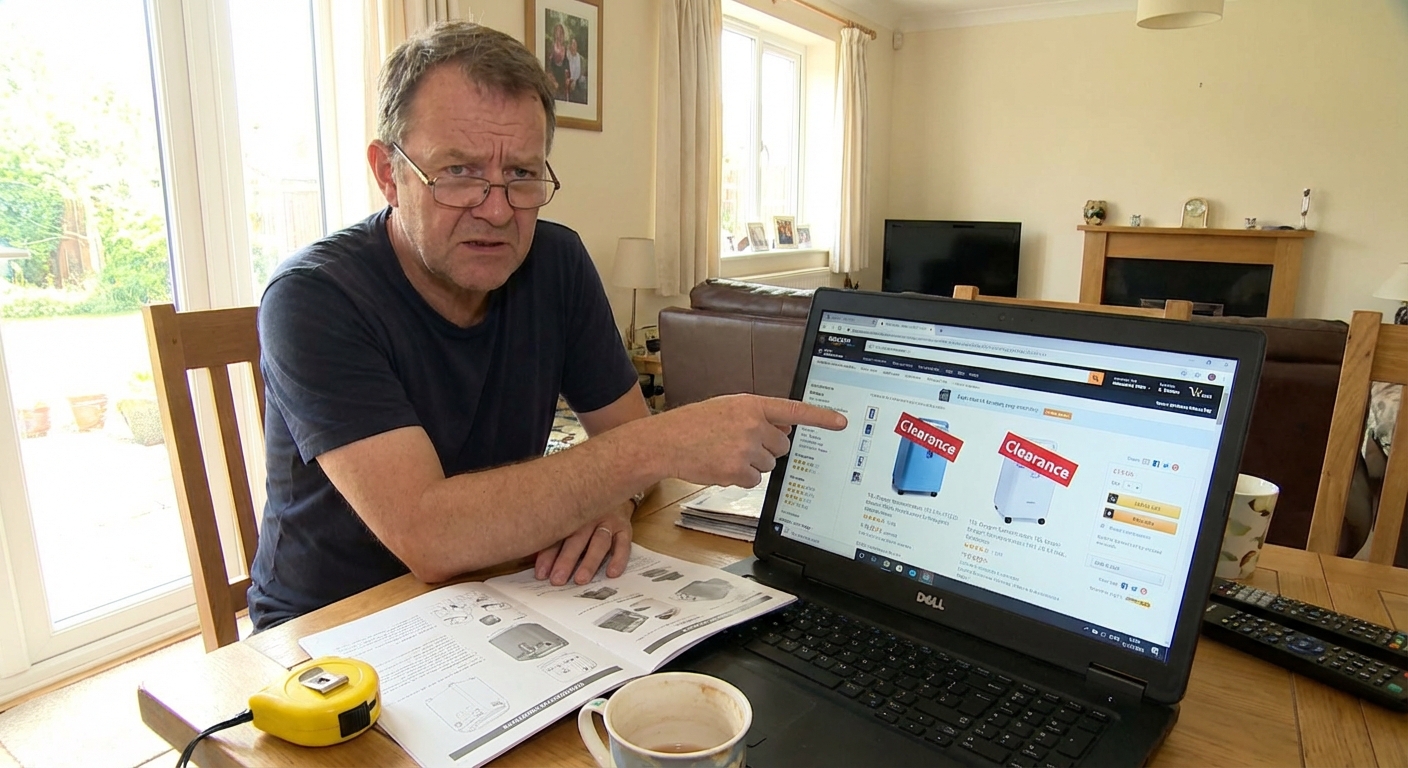
There are situations where I’d consider an Amazon 10 L oxygen concentrator clearance deal:
- You already have a prescription and your doctor is okay with the specific model
- You’re buying a backup unit (not your only source of oxygen)
- You understand the return policy and warranty clearly
- You can verify it’s new, not refurbished, unless you intentionally want a certified refurb
When I tested this approach for our family friend, I created a simple personal checklist:
- Is the seller authorized? (Brand’s official store or a recognized medical supplier)
- Is the model known and documented? (I Google the exact model number + “manual” + “review”)
- Is there a proper warranty? (At least 1 year; 3–5 years is common for solid brands)
- Are there real, detailed reviews? (Not just one-line “Great product!” spam)
Any red flag on those and I move on, no matter how juicy the discount looks.
The red flags I kept seeing in Amazon listings
When I went through Amazon’s 10 L oxygen concentrator listings during a “clearance” phase, some patterns jumped out.
1. Sketchy branding
If the brand name looks like someone mashed keys on a keyboard ("OXIG-PR10-HOME" with zero web presence), I pass.
In my experience, legit medical device brands:
- Have a real website with contact details
- Provide downloadable manuals
- Are listed in regulatory databases (e.g., FDA, EU MDR, etc.)
If I can’t find the company outside of Amazon, I treat it as a toy, not a medical device.
2. Wildly unrealistic claims
I kept seeing claims like:
- “Cures COPD” (huge no)
- “90–95% purity at all flow settings including 10 LPM” on tiny units
- “No prescription required, treatment for all lung diseases”
High-end 10 L units can struggle to maintain above 90% oxygen purity at maximum flow. If a random brand on clearance says it’s giving you 96% at 10 LPM from a shoebox-sized unit… that’s fantasy-land.
3. No mention of regulatory clearance
For patients in the U.S., I specifically look for:
- FDA registration or clearance
- A model that appears in FDA’s medical device databases
For the EU/UK, I look for:
- CE marking under medical device regulations (and check if it’s real, not just a logo slapped on the photo)
If the listing has zero regulatory details but a ton of marketing buzzwords, that’s a hard stop for me.
Key specs I always check (and how I read them)
When I’m comparing 10 L units on Amazon, these are the non-negotiables I look at, beyond price and reviews.
Oxygen concentration / purity
Most proper medical units specify something like:
> O₂ concentration: 93% ±3% at 1–5 LPM, ≥90% at 10 LPM
If the listing just says "high purity" or gives a single number without specifying at which flow rate, it’s basically marketing fluff.
Flow range
Not all “10 L” units are equal. Some are:
- 1–10 LPM, variable
- 5–10 LPM only (limited range)
I prefer units that can go as low as 1 LPM, because some patients’ needs change over time. Flexibility matters.
Noise level
Manufacturers often list noise in dB (decibels). Anything around ≤50–55 dB is decent for home use.
One Amazon listing I checked claimed “under 35 dB” at 10 LPM, which is about the noise of a quiet library. I’ve never seen a real 10 L medical-grade concentrator that silent. That was a big “nope” for me.
Duty cycle & continuous use
Many clearance listings barely mention whether the machine is designed for continuous 24/7 use or just occasional short sessions.
For genuine oxygen therapy, I want:
- A rated duty cycle of 24 hours/day, with rest recommendations clearly stated
- Manufacturer documentation saying it’s safe for continuous use
"Home wellness" machines that look like concentrators but are meant for short, non-medical use are common on Amazon and easy to confuse with actual oxygen therapy devices.
Price expectations: what’s realistic for a 10 L unit?
When I started tracking prices, this is the pattern I saw (USD ranges, ballpark):
- Real medical brands (new, 10 L): $1,000–$2,500
- Certified refurbished (from medical suppliers): $600–$1,200
- Random Amazon “wellness” brands: $250–$700
So when I see a supposed 10 L “medical-grade” concentrator on clearance for $299 with no brand history, I treat it as a wellness gadget, not a medical device I’d trust for someone’s primary oxygen source.
For our family friend, we ended up using Amazon only to cross-check pricing while buying from a local DME (durable medical equipment) provider who handled setup, maintenance, and warranty.
Pros and cons of chasing Amazon clearance deals
When I tested this whole route, here’s how it shook out.
What I liked
- Occasional real discounts when brands clear older models
- Easy comparison shopping between specs and reviews
- Strong return policies on many Prime-eligible items
- Fast shipping, especially in larger cities
What bothered me
- Huge variation in quality between listings
- Many devices seemed geared for wellness / sports recovery, not prescription oxygen therapy
- Poor documentation: vague specs, missing manuals, no clear warranty
- Unclear service and repair paths if the machine failed after a year
For anyone who’s genuinely dependent on oxygen therapy, that last point isn’t minor. It’s life-or-death serious.
How I’d safely approach an Amazon 10L clearance purchase
If I absolutely had to buy a 10 L concentrator from an Amazon clearance deal, my step-by-step would look like this:
- Talk to the prescribing clinician first
I’d get the exact specs they want: flow range, minimum concentration, model preferences.
- Search by known brands, not “10L clearance”
I’d start with brands my doctor, respiratory therapist, or hospital actually uses.
- Cross-check the model outside Amazon
I Google the model number plus:
- "PDF manual"
- "service center"
- "FDA" or "CE"
- Verify seller details
Ideally: "Ships from and sold by [Brand Name]" or a clearly recognized medical supplier.
- Read 1-star and 2-star reviews first
I look for patterns: early failures, low oxygen purity, misleading specs.
- Screenshot the listing
If I do buy, I screen-capture the full listing with specs and warranty in case things change or disappear later.
- Keep a backup plan
I’d never rely on an unproven Amazon clearance unit as the only source of oxygen for someone medically fragile.
Final thoughts from a serial online shopper
After weeks of digging, comparing, and side-eyeing too-good-to-be-true deals, here’s where I landed:
- Amazon can be useful as a research and price benchmark tool for 10 L oxygen concentrators.
- For critical medical therapy, I personally feel safer buying from established medical equipment providers, even if the price is higher.
- A clearance deal is only a bargain if the device is safe, supported, and serviceable.
If you’re scrolling through Amazon trying to decide whether to slam that “Buy Now” button on a 10 L concentrator clearance listing, slow down, screenshot the page, check the brand, and—seriously—run it by your clinician.
There are plenty of things I’ll happily gamble on in a clearance sale. Life-support-adjacent equipment isn’t one of them.
Sources
- U.S. Food & Drug Administration – Oxygen Concentrators: Overview - FDA guidance on home oxygen concentrators and safety
- American Lung Association – Oxygen Therapy - Explanation of when and how oxygen therapy is used
- Mayo Clinic – Oxygen therapy: Lifestyle and home - Clinical context for home oxygen equipment
- Cleveland Clinic – Oxygen Therapy - Detailed overview of oxygen types, risks, and benefits
- National Institutes of Health (NIH) – Home Oxygen Therapy for Adults with Chronic Lung Disease - Research-based recommendations on home oxygen use