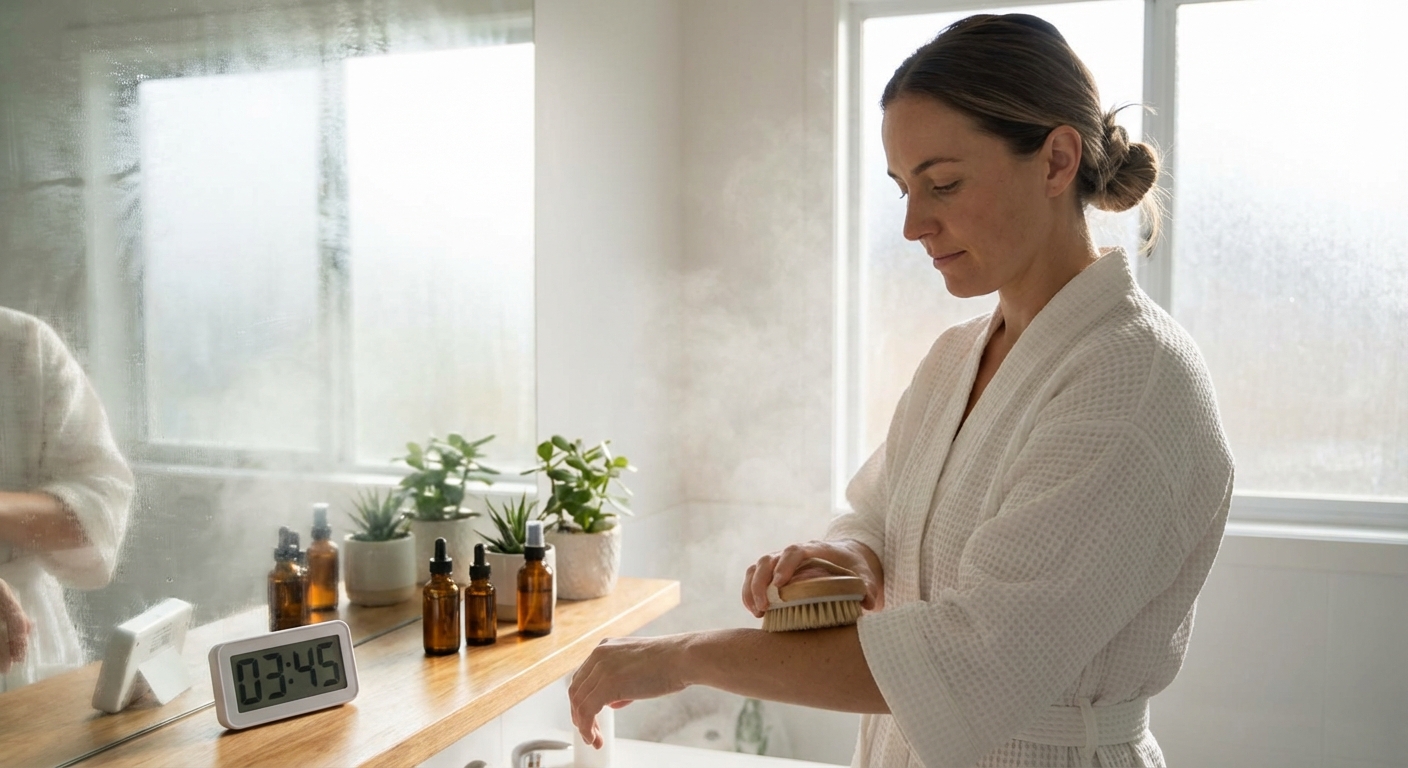
Anti Aging Skincare Guide
ctually worked was dialing in a simple, science-backed routine that I could stick to even on those nights when I’m half-asleep, makeup still on, negotiating with myself.
This guide is what I wish I’d had years ago—part personal diary, part research deep-dive.
What “Anti-Aging” Really Means (and What It Doesn’t)
When I tested my first “miracle” serum, the only thing that vanished was my patience. My skin didn’t suddenly look 20 again, and that’s because skincare can’t literally turn back the clock.
What it can do:
- Slow down visible signs of aging (fine lines, dullness, pigmentation)
- Support collagen and elastin over time
- Improve texture, tone, and hydration so skin looks healthier and more radiant
What it can’t do:
- Completely erase deep-set wrinkles
- Change your bone structure or fat pads (that’s where fillers/surgery come in)
- Override genetics and lifestyle entirely
Dermatologists sometimes use the term intrinsic aging (your genetics, hormonal changes) and extrinsic aging (sun, pollution, smoking, poor sleep). We have way more control over the extrinsic part than most people realize.
The Non-Negotiable: Sunscreen, Every Single Morning
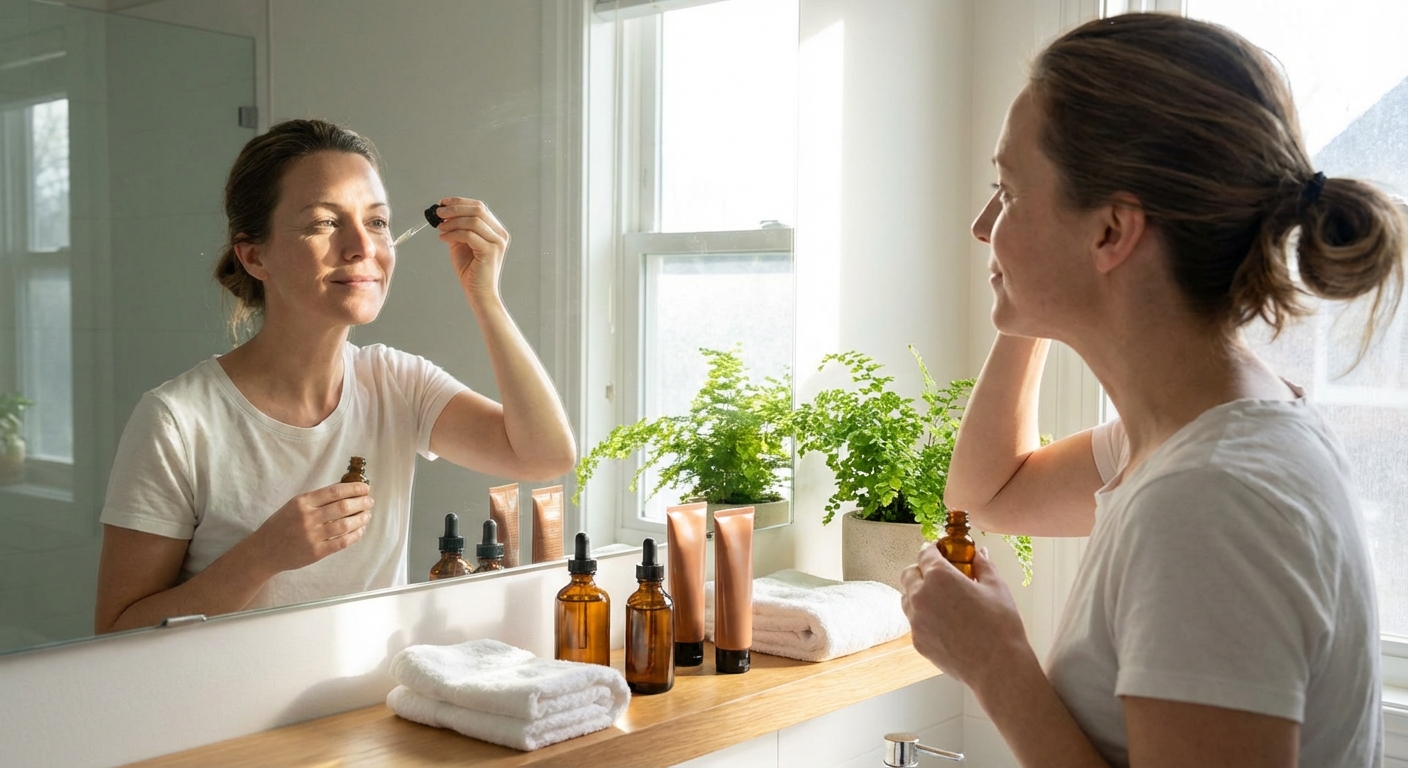
I recently discovered that my “smile lines” on one side were deeper than the other… and then remembered that’s the side that faces the car window. UV doesn’t play.
The American Academy of Dermatology and pretty much every derm I follow say the same thing: up to 80% of visible facial aging is linked to UV exposure over time.
What I use and look for:- Broad-spectrum SPF 30+ (UVA + UVB)
- Water-resistant if I’m sweating or swimming
- At least two fingers’ length of product for face and neck
Chemical vs mineral filters both have pros and cons. Mineral (zinc oxide, titanium dioxide) is often better tolerated by sensitive skin but can leave a white cast. Chemical filters (like avobenzone, octisalate) blend better but can sting on reactive skin. I rotate depending on what my skin’s doing that week.
Real talk: you won’t get the benefits of any fancy serum if you skip SPF. It’s like mopping while the tap’s still running.
Night Routine: Where the Real Repair Happens
When I finally committed to a night routine for 3 straight months, that’s when friends started asking, “Did you sleep more or… what did you do?” Here’s the structure that actually moved the needle for me.
1. Gentle Cleanser First, Always
I used to over-cleanse trying to feel that squeaky-clean finish. Turns out, that “squeak” is your moisture barrier crying.
Now I use a low-pH, sulfate-free cleanser. If I’m wearing heavy makeup or sunscreen, I’ll do a double cleanse: balm/oil first, then a water-based cleanser. This cuts the gunk without stripping.
2. The Gold Standard: Retinoids
When I tested retinol the wrong way, I got the classic angry, flaky “retinol burn.” When I came back to it slowly and respectfully, it became the single most effective anti-aging ingredient in my routine.
Retinoids (retinol, retinaldehyde, tretinoin, adapalene) are vitamin A derivatives. Decades of research show they:
- Increase cell turnover
- Stimulate collagen production
- Fade hyperpigmentation and refine texture
A 2015 review in Clinical Interventions in Aging found topical tretinoin significantly improved wrinkles, roughness, and mottled pigmentation over months, not days.
How I use retinoids without wrecking my barrier:- Start 1–2x weekly at night
- Pea-sized amount for entire face
- Apply on completely dry skin
- Sandwich with moisturizer (before and after) if I’m sensitive
Pros:
- Backed by strong clinical data
- Visibly improves fine lines and uneven tone over time
Cons:
- Irritation, peeling, and temporary purging when you start
- Not ideal in pregnancy; always check with your doctor
- Results are slow and subtle at first
If you’ve got very sensitive skin, look for retinaldehyde or encapsulated retinol—they’re often more gentle than prescription tretinoin.
The Supporting Cast: Ingredients That Actually Do Something
When I stopped chasing trends and focused on a few workhorse ingredients, my skin calmed down and looked better.
Vitamin C (Antioxidant + Brightening)
When I tested a well-formulated L-ascorbic acid serum for 8 weeks, my stubborn post-acne marks faded faster than with anything else.
Vitamin C helps:
- Neutralize free radicals from UV and pollution
- Support collagen synthesis
- Brighten uneven tone
Look for:
- L-ascorbic acid around 10–20%
- Formulated at low pH (often 3–3.5)
- Dark, airtight packaging (it oxidizes easily)
Caveats:
- Can be irritating, especially with retinoids
- Oxidized vitamin C (orange/brown, metallic smell) is basically useless
I personally don’t use strong vitamin C and retinoids on the same night. I’ll do vitamin C in the morning under sunscreen and retinoid at night.
Niacinamide (My Peacekeeping Ingredient)
Niacinamide is one of those ingredients that quietly fixes a lot of things at once: barrier function, redness, oil regulation, and some pigmentation.
A study in the British Journal of Dermatology found 5% niacinamide improved fine lines, sallowness, and texture over 12 weeks.
In my experience, niacinamide serums are:
- Great on days my skin feels irritated from retinoids
- Helpful for visible pores and blotchiness
Just don’t overdo it; super high percentages (like 20%) can ironically cause irritation.
Peptides & Growth Factors
I used to ignore peptides, assuming they were just marketing. Some are hype, yes, but there is emerging evidence that certain peptide complexes can signal skin to behave in a more “youthful” way and support repair.
Are they as proven as retinoids? Not yet. But I’ve noticed smoother texture and better hydration with certain peptide creams, especially around my eyes.
Hydration, Moisturizers & The Barrier Game
The biggest shift for me came when I started treating my moisture barrier like a fragile ecosystem instead of a battlefield.
A solid moisturizer should:
- Humectants (like glycerin, hyaluronic acid) to draw water in
- Emollients (like squalane, fatty alcohols) to soften and smooth
- Occlusives (like dimethicone, petrolatum) to seal it in
I personally:
- Use lighter gels/lotions in humid weather
- Switch to thicker creams with ceramides in winter or when using more active ingredients
If your skin is burning, super tight, or flaking, pause the aggressive stuff. For a week I once did nothing but a gentle cleanser, bland moisturizer, and SPF—and my face quite literally stopped screaming at me.
Lifestyle: The Annoying Stuff That Matters More Than Any Serum
I rolled my eyes at this part for years, but every derm and study keeps saying the same things.
Sleep
When I consistently get 7–9 hours, my skin is:
- Less inflamed
- Less puffy
- Just… more cooperative
There’s data linking poor sleep quality with increased signs of intrinsic aging and slower barrier recovery. You can’t out-serum all-nighters forever.
Diet & Hydration
No, you don’t need a perfect “clean” diet, but chronically high sugar intake is linked to glycation, which damages collagen and elastin.
What I’ve noticed helps:
- More colorful fruits and veggies (antioxidants)
- Adequate protein (for collagen building blocks)
- Enough water so I’m not constantly thirsty
Smoking & Alcohol
When I compared photos of a relative who smoked for years to her non-smoking sibling (same age), the difference in wrinkles and skin tone was wild. Smoking accelerates collagen breakdown and constricts blood vessels.
Heavy alcohol intake dehydrates skin and can worsen redness and inflammation. I still enjoy a drink, I just don’t pretend my “wine for antioxidants” is a skincare step.
Procedures: When Topicals Aren’t Enough
Not everyone wants in-office treatments, but I’ll be honest: some changes (like deep folds or significant sagging) aren’t fixable with skincare alone.
Treatments I’ve personally seen friends get good results from (and discussed with dermatologists):
- Botox (botulinum toxin type A): Softens dynamic wrinkles (frown lines, crow’s feet). Results in 3–7 days, lasts ~3–4 months.
- Hyaluronic acid fillers: Restore lost volume in cheeks, nasolabial folds, lips. Immediate results but need maintenance.
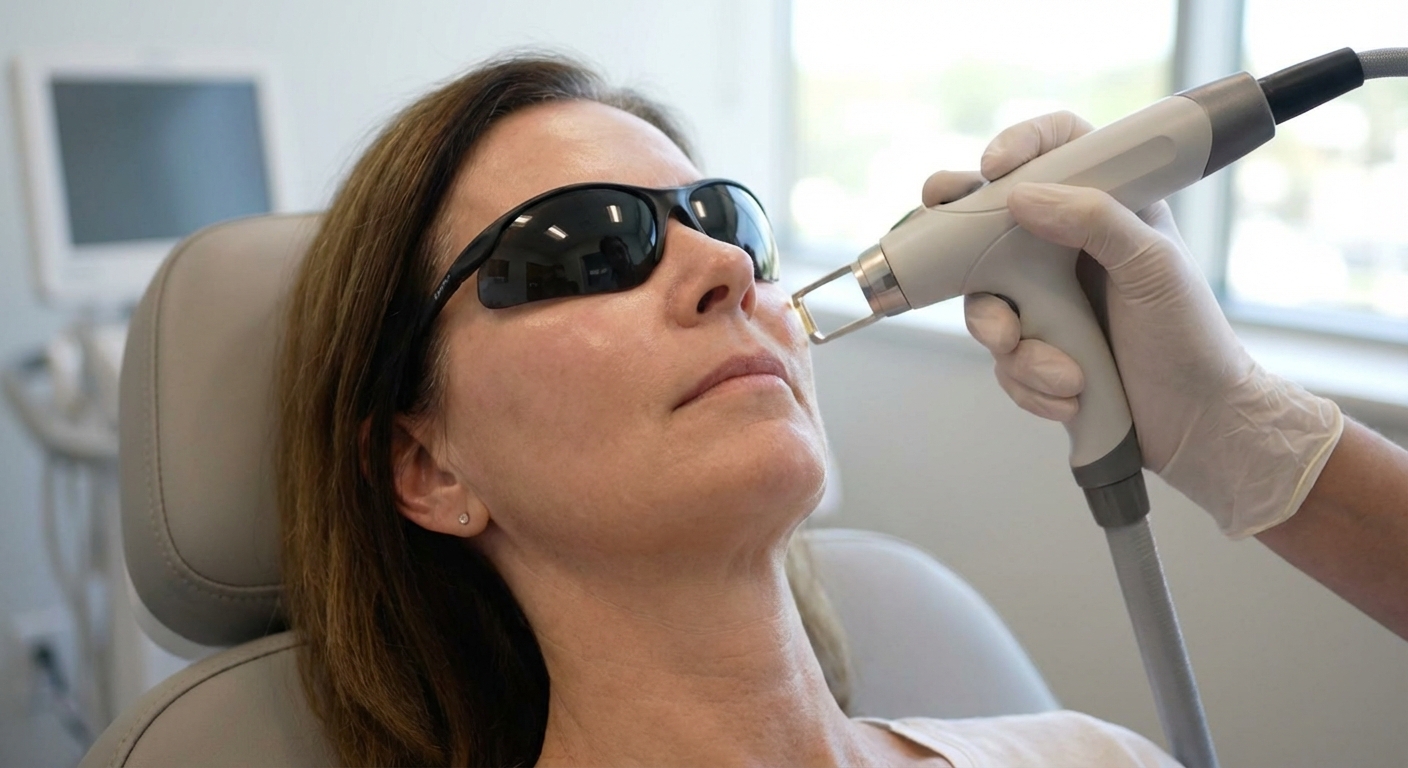
- Non-ablative lasers / IPL: Target redness, sunspots, and mild texture issues.
Pros:
- Faster, more dramatic results
- Can address structural changes skincare can’t
Cons:
- Costly
- Require a skilled provider (this is not Groupon territory)
- Temporary; need upkeep
Always research your provider, check credentials, and have a proper consultation. If someone rushes you or can’t explain risks clearly, walk away.
Building a Simple, Realistic Anti-Aging Routine
If I were starting from scratch today, here’s what I’d do instead of panic-buying everything on TikTok:
Morning- Gentle cleanser (or just rinse if your skin’s dry)
- Vitamin C serum (optional but helpful)
- Lightweight moisturizer
- Broad-spectrum SPF 30+ (non-negotiable)
- Gentle cleanser (double cleanse if you wear makeup/SPF)
- Retinoid 2–3x per week to start
- On non-retinoid nights: niacinamide or a hydrating serum
- Moisturizer suited to your skin type
Then I’d give it 8–12 weeks before judging. Skin runs on its own clock; anything promising transformation in 7 days is selling a fantasy.
Final Thoughts (The Part Where I’m Blunt)
In my experience, the most “anti-aging” thing you can do isn’t chasing perfection—it’s consistency, sun protection, and not nuking your barrier.
I’ve tried the complicated 12-step routines and ended up back at the same conclusion: a few well-chosen, evidence-based products used daily will always beat a drawer full of half-used trendy stuff.
Your skin doesn’t need you to be perfect; it just needs you to show up for it, morning and night, for the long haul.
Sources
- American Academy of Dermatology – How to prevent premature skin aging - Overview of evidence-based anti-aging strategies
- Mayo Clinic – Retinol and Retinoids: What’s the difference? - Explanation of retinoids and their effects on skin
- Harvard Health – Collagen: What it is and why it’s important - Role of collagen in aging and skin structure
- National Institutes of Health – Topical niacinamide in dermatology - Study review of niacinamide benefits for aging skin
- Cleveland Clinic – Sunscreen: How to choose and use it - Guidance on SPF selection and proper use