Beginner’s Guide to Understanding Online Car Auctions and How to Bid Safely
fraction of local dealer prices… while we were literally sitting on his couch. That night I fell down the rabbit hole of Copart listings, Bring a Trailer bids, and weirdly cheap ex-rental cars.
Since then, I’ve registered on multiple platforms, bid (and lost) on more cars than I care to admit, and bought a couple of vehicles that I inspected way more obsessively than my last apartment. This guide is everything I wish someone had told me before I clicked “Bid”.
What Exactly Is an Online Car Auction?
At its core, an online car auction is just a digital marketplace where vehicles are sold to the highest bidder within a set time window. Instead of raising a paddle in a physical lane, you click a button.
There are a few main types:
- Dealer / Wholesale Auctions – Manheim and ADESA are the big names here. These are mostly dealer-only, but some platforms now have "public" lanes or partner with consumer-facing sites.
- Salvage & Insurance Auctions – Copart and IAAI (now IAA) specialize in totaled, flood, repossessed, and damaged vehicles. You’ll see a lot of “salvage title” and “certificate of destruction” here.
- Enthusiast / Collector Auctions – Bring a Trailer, Cars & Bids, Collecting Cars. These focus on enthusiast cars, with much better descriptions and community discussions.
- Government & Fleet Auctions – GovDeals, GSA Auctions, local police or city auctions. Decommissioned cruisers, work trucks, ex-fleet sedans.
When I tested a few of these, the big shock was how different the quality of information was between them. On one enthusiast platform I got 200 photos, a seller story, and inspection notes. On a salvage platform I got 8 poorly lit photos and "Runs and drives – unknown miles". Same concept, wildly different risk levels.
How the Bidding Actually Works (Without the Jargon Fog)
Most online car auctions follow a similar pattern:

- Registration & Verification
You create an account, verify your identity, and often put a credit card on file. Some sites require a refundable deposit (for example 10% of your planned bid limit) or a dealer license for certain lanes.
- Preview Period
Cars are listed with photos, basic specs, and sometimes a condition report. On enthusiast sites, you’ll see detailed write-ups and a comment section. On salvage sites, you mostly just get photos and a brief status like “Enhanced Vehicle” or “Starts”.
- Live Auction / Timed Auction
- Timed auctions: You place bids until a countdown timer expires. Many platforms use “soft close,” where last-second bids extend the clock a few minutes.
- Live auctions: A virtual auctioneer runs the sale in real time. You click to bid in set increments.
- Buyer’s Fees & Extras
This is where beginners get burned. The hammer price isn’t the final price. You’ll typically pay:
- Buyer’s fee (sliding scale; can be hundreds of dollars)
- Online convenience fee
- Title or documentation fee
- Storage fees if you don’t pick up on time
A 2023 Copart fee schedule, for example, shows a buyer fee that can easily add $500–$1,000 on a $10,000 car once you include internet and gate fees.¹ When I ran the math on a “steal” of a Subaru, the fees and transport turned it back into a pretty average deal.
- Payment & Pickup
You usually have 1–3 business days to pay via wire transfer, cashier’s check, or approved methods. Then you arrange pickup or shipping.
Reading Listings Like a Pro (And Not a Future Horror Story)
When I first started, I was way too focused on the shiny exterior and low mileage. Over time, I learned to scan listings in a very specific order:
1. Title Status
Title status is non‑negotiable. It dictates insurance, resale value, and sometimes whether you can legally register the car.
Common labels:
- Clean Title – No major insurance total-loss history (though that doesn’t guarantee a perfect car).
- Salvage/Rebuilt Title – Previously written off by insurance; rebuilt and inspected. According to a 2022 report from the National Insurance Crime Bureau, more than 20% of vehicles at some auctions have salvage or branded titles.²
- Certificate of Destruction / Parts Only – Basically can’t be titled for road use in many states.
In my experience, a branded title car can be a smart buy if you know the cause (e.g., cosmetic hail vs. structural collision), but it’s not beginner-friendly.
2. Damage Codes & Condition Reports
On salvage platforms, learn the code language:
- FRONT END, REAR END, SIDE – Obvious, but look for airbag deployment and frame damage.
- HAIL – Often mechanically fine but cosmetically ugly.
- MECHANICAL – Could be simple, could be catastrophic. Assume the worst unless you have solid info.
- BIOHAZARD / CHEMICAL – You probably don’t want to know.
On dealer/enthusiast platforms, condition reports may include:
- Frame/Unibody damage noted or not
- Paint meter readings (to detect repaints)
- Undercarriage photos (massively underrated – rust tells the truth)
When I compared cars that looked similar in main photos, underbody shots were the dealbreaker often. One low-mile BMW looked mint… until I saw the rusted suspension and flaking subframe.
3. Seller History & Comments
Platforms like Bring a Trailer and Cars & Bids let you see seller history and buyer feedback.
If the seller:
- Answers detailed questions, supplies cold-start videos, and shares service records → green flag.
- Dodges questions, posts vague “runs great” replies → red flag.
On one of my bids, a fellow commenter pointed out a subtle mismatch in panel gaps that I totally missed. Turned out the car had a poorly documented front-end hit. I backed off; somebody else overpaid.
How to Set a Safe Bid (So You Don’t Blow Your Budget in the Last 10 Seconds)
The most dangerous moment for beginners is the last minute of a hot auction. Your brain shuts off, ego kicks in, and suddenly you “have to win.” When I tested bidding strategies, my best results came when I did all the math before even clicking “register to bid.”
Here’s the checklist I use now:
- Research Market Value
I compare:
- Kelley Blue Book (KBB)
- Edmunds
- Recent auction comps (BaT, Cars & Bids results, or completed sales on the same platform)
Don’t just look at asking prices; look at actual sold prices.
- Subtract Realistic Repair Costs
I send photos to a trusted mechanic or body shop and ask for ballpark estimates. Remember to include:
- Parts
- Labor
- Fluids, alignment, new tires, etc.
- Add All the Hidden Costs
- Buyer’s fee
- Title/registration
- Transport/shipping (I use a rough $1–$1.50 per mile estimate for enclosed vs. open carrier in the US; actual quotes vary)
- Any inspection fees
- Set a Hard Maximum Bid and Walk Away
I pick a number, write it down, and refuse to go a dollar over. Auto-bid (pre-setting your max) can help avoid emotional bidding, but only if you trust yourself not to change that number mid-auction.
Once I started treating auctions like a math problem instead of a competition, my “win rate” got lower but my deal quality went way up.
How to Actually Stay Safe: Scams, Shady Cars, and Fine Print
There’s a reason consumer advocates like the FTC and state AG offices keep warning people about online vehicle sales scams.³ You’re often wiring large sums for a car you’ve never seen in person.
Here’s what’s helped me avoid disasters:
1. Use Reputable Platforms
Stick to established auction houses and well-known marketplaces. Check:
- Better Business Bureau (BBB) ratings
- Online reviews from actual buyers
- How long the platform’s been operating
If the auction site wants you to wire money to some random personal account? Hard pass.
2. Inspect Whenever Humanly Possible
The safest approach I’ve tested is:
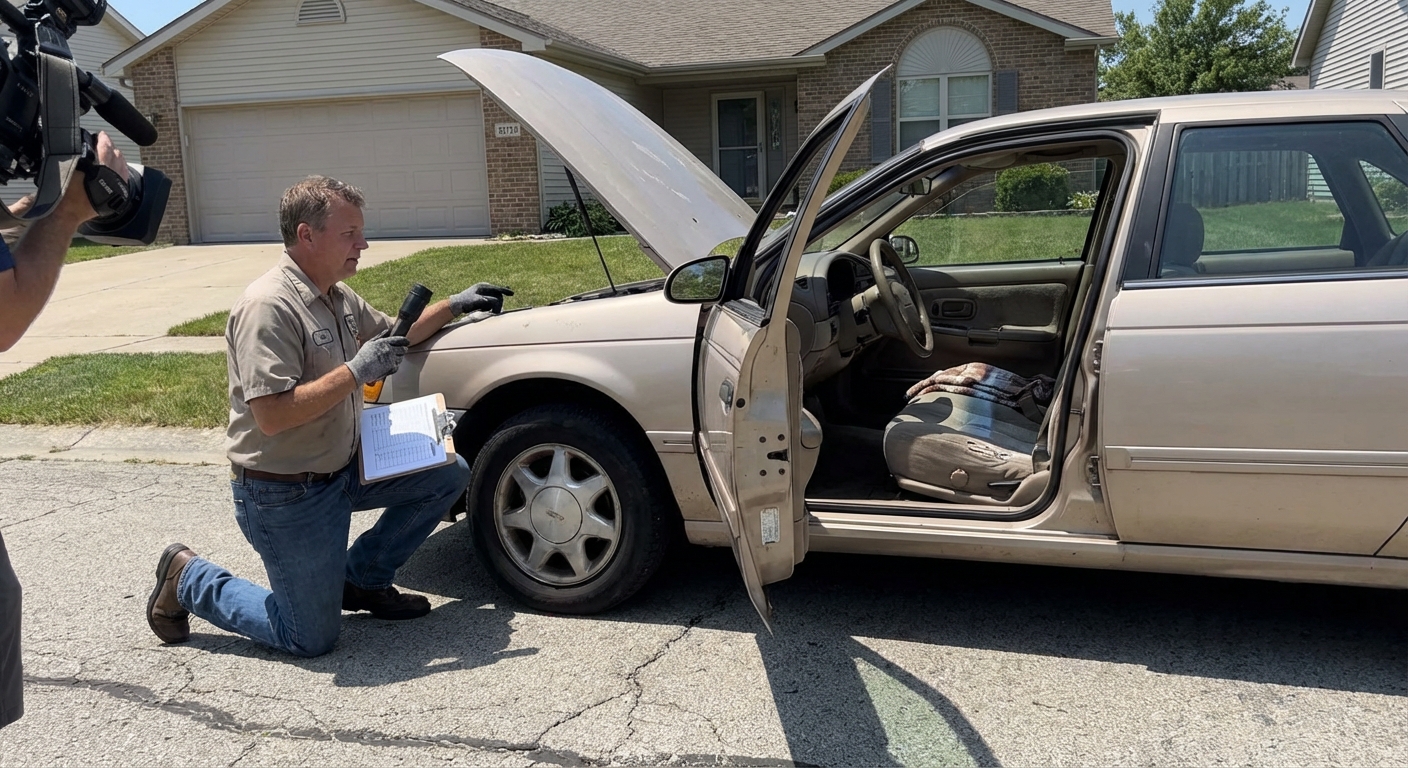
- Hire a third-party inspector (services like LemonSquad, YourMechanic, or local shops).
- Ask the auction yard if they allow pre‑purchase inspections; some do, some don’t.
A 2021 study from Carfax found that about 40% of used vehicles in the US have some sort of damage history.⁴ An inspector won’t catch everything, but they’ll catch a lot more than a zoomed-in phone screen.
3. Verify the VIN and Paper Trail
I always:
- Run the VIN through Carfax or AutoCheck.
- Cross-check that VIN with the photos (windshield, door jamb, engine bay).
- Make sure the title type in the listing matches the report.
If anything doesn’t line up, I walk.
4. Understand the Terms: “As-Is” Means As-Is
Most auction cars are sold as-is, where-is, with no warranty and no cooling-off period. Consumer “lemon laws” often don’t apply to auction purchases.
That means if:
- The engine blows a week later
- You missed that tiny line about flood damage
- The A/C doesn’t work
…it’s on you.
Balancing that: some enthusiast platforms lean on reputation and may intervene if there’s outright fraud (for example, undisclosed major issues). But you shouldn’t rely on that as a safety net.
5. Beware of “Too Good to Be True” Listings
When I saw a late-model Porsche listed way under market value on a small, barely reviewed auction site, the alarm bells were deafening. Reverse image search showed the same photos used in a UK ad years earlier. Classic scam move.
My quick checklist for scam vibes:
- Prices far below market without a clear explanation
- Pressure to move the conversation off-platform
- Requests for payment via gift cards, crypto only, or weird third parties
The Real Pros and Cons of Buying at Auction
I love the thrill of auctions, but they’re absolutely not for everyone.
What’s Awesome
- Potentially lower prices than dealer lots, especially if you’re flexible.
- Access to rare or unique models that never show up locally.
- Transparent bidding – you actually see what the market’s willing to pay.
- For DIY types, salvage cars can be a cheap project base.
What Kinda Sucks
- Very limited, sometimes no test drives.
- "As-is" risk – no returns, minimal recourse.
- Hidden fees can destroy the deal if you don’t do the math.
- Shipping and logistics take time and coordination.
In my experience, online auctions make the most sense if you:
- Know exactly what you want
- Have a clear budget
- Either wrench yourself or have a good mechanic
- Can tolerate some risk and delay
If you just need a reliable daily driver as quickly and simply as possible, a solid local dealership or private sale might be less stressful.
A Simple Beginner-Friendly Game Plan
If this all sounds exciting but a bit overwhelming, here’s how I’d suggest easing in:
- Lurk First – Spend a couple of weeks just watching auctions. Note final prices, fees, and what kinds of cars attract crazy bids.
- Start on Transparent Platforms – Enthusiast sites or well-reviewed public auctions with decent photos and histories.
- Target Common, Well-Documented Models – Think Civics, Corollas, F-150s, base German sedans – not exotic stuff, not funky salvage.
- Get One Car Professionally Inspected – Even if it feels like overkill, the peace of mind and learning are worth it.
- Treat Your First Auction Buy as a Tuition Payment – Aim to break even or come out slightly ahead, but think of it as paying for education.
Online car auctions can absolutely be a goldmine… or a money pit. When I stopped chasing “huge scores” and focused on verified info, boring math, and strict limits, my luck suddenly got a lot better. And honestly? Finally seeing a transporter roll up with a car I’d only ever seen on a screen is still one of the most satisfying automotive moments I’ve had.
Sources- Copart, "Buyer Fees" Schedule, accessed 2023
- National Insurance Crime Bureau (NICB), Salvage Vehicle Data, 2022
- Federal Trade Commission (FTC), "Buying a Used Car," consumer alerts and guidance, updated 2023
- Carfax, "Carfax Vehicle History Report Data," 2021 damage statistics