The Day I Almost Bought a Shiny Disaster
It was a glossy black sedan, photos looked amazing, low mileage for its age. When I went to see it, the owner greeted me with that "trust me, bro" energy and a stack of half-crumpled papers. I almost handed over the cash on the spot.
Then I crawled under the rear bumper and saw fresh undercoating sprayed over obvious rust. I walked.
That near-miss pushed me into full nerd mode. I started shadowing a local independent mechanic during inspections, reading repair manuals, and devouring reliability data from places like Consumer Reports, IIHS, and Euro NCAP.
Since then, I’ve helped friends and family buy more than a dozen used cars—some under $3,000—and avoided a lot of very expensive regrets.
Here’s how I actually inspect a used car now, step by step, with specific checks, what the red flags look like, and a few mistakes I still kick myself over.
Step 1: I Stalk the Car on the Internet Before I Ever See It
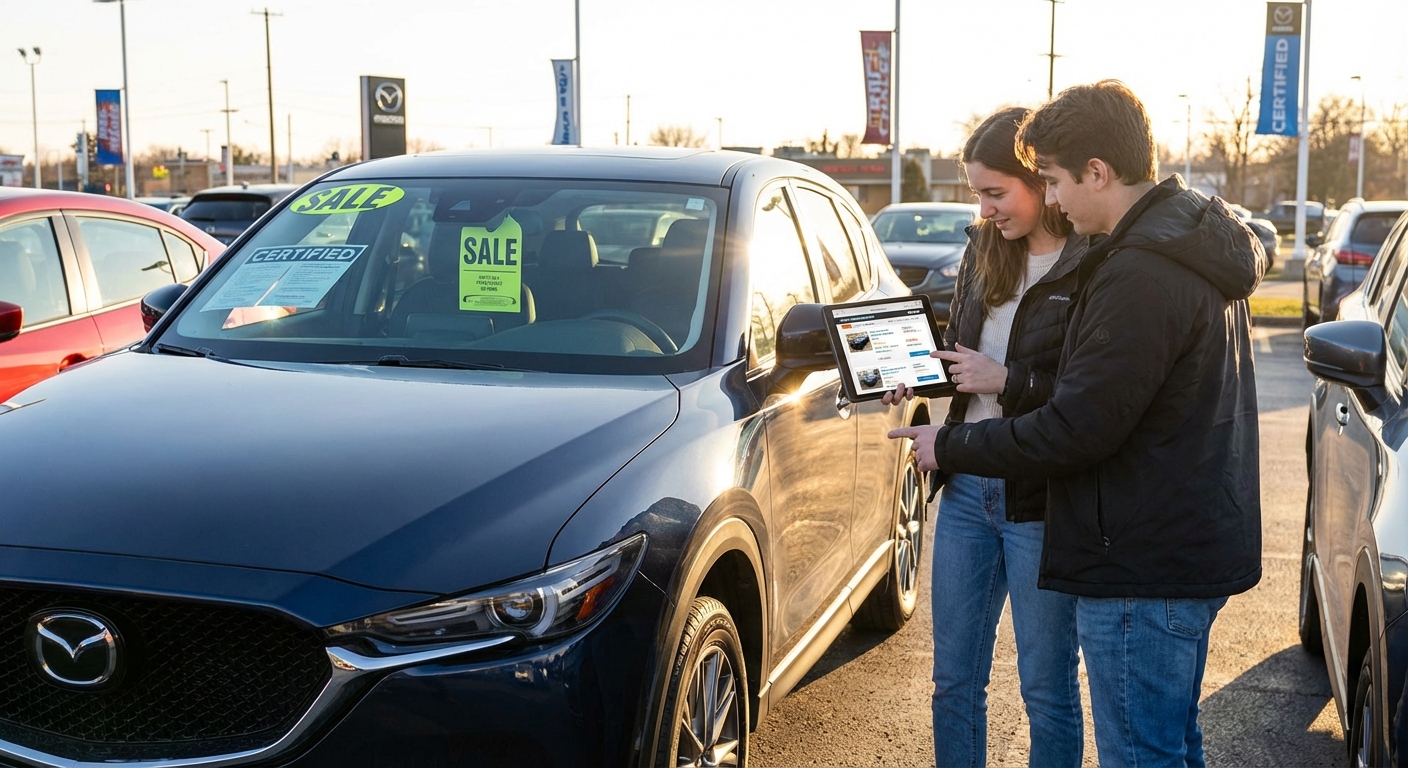
When I spot a promising listing, I don’t message "Is this still available?" first. I go hunting.
If the seller refuses to share the VIN, I move on. Red flag number one.
- In North America, I’ve used Carfax, AutoCheck, and free government databases where available.
- In Europe, services like HPI Check (UK) or national MOT history sites are gold.
I’m mainly looking for:
- Salvage or rebuilt titles
- Odometer rollbacks
- Repeated accidents
- Flood damage history (huge one—post-hurricane cars can travel far)
According to Carfax, around 1 in 10 cars on the road have some kind of damage history, and not all sellers are upfront about it.
2. I compare mileage to age.Average usage is about 12,000–15,000 miles (20,000–24,000 km) per year in many countries. If a 10-year-old car has 25,000 miles, that’s either a unicorn or someone’s lying.
I once saw a 2010 car advertised with 38,000 km. A quick check showed it had 160,000 km before an odometer reset in another country. That was the day I fell in love with VIN checks.
Step 2: First Impressions in Person (Where My Gut Is Usually Right)
When I finally meet the car, I pretend I’m a picky detective.
1. I walk around it slowly, twice.I’m looking at panel gaps, paint mismatches, and uneven reflections.
- If the hood or doors sit slightly higher or lower on one side, that can mean past accident repairs.
- A different shade of white on one door versus the fender? Repainted.
Body shops can do great work, but sloppy alignment is a clue the car’s had a harder life than the ad suggests.
2. I look at the ground under the car.I’ve caught:
- Fresh oil spots (usually dark brown/black, slightly sticky)
- Coolant drips (often green, pink, or orange and slightly sweet-smelling)
- Transmission fluid (reddish, slick)
If the seller has conveniently parked on gravel or cardboard, I get suspicious. I once saw a guy move his car then invite me to look, which told me exactly what I needed to know.
Step 3: Inside the Car – Where Smells Tell Stories
When I slide into the driver’s seat, I ignore the stereo and fancy screen at first.
1. I sniff. Seriously.- A strong air freshener? I open all windows, sit, and wait a minute. Overly perfumed cars often hide smoke or mold.
- Damp, musty smell? Could be a leak. I’ve found soaked carpets under innocent-looking rubber mats.
Water inside a car is a big deal. The National Highway Traffic Safety Administration (NHTSA) has warned repeatedly about flood-damaged vehicles re-entering the market. Electronics and hidden rust can turn into nightmare bills.
2. I check for weirdly new parts in an otherwise old interior.A brand-new steering wheel on a 15-year-old car? Could be great maintenance… or a deployed airbag at some point.
I look for:
- Airbag covers that don’t sit flush
- Mismatched trim clips
- Different color seats or fabrics
It doesn’t automatically kill the deal, but I start connecting dots with the VIN report and exterior clues.
Step 4: Under the Hood – What I Learned From a Patient Mechanic
I’m not a master tech, but I’ve spent enough time watching them to know what "normal" looks like.
With the engine off and cold (ideally), I check:
1. Fluids- Engine oil: I pull the dipstick, wipe, reinsert, and check color and level. Dark isn’t always bad, but thick sludge or metallic glitter is.
- Coolant: It should be clear and brightly colored, not rusty brown or full of gunk.
- Brake fluid: Low level can mean worn pads or a leak.
A 2018 study from AAA found that neglecting basic fluid maintenance is one of the top reasons for roadside breakdowns. My experience matches that: the scariest used cars I’ve seen weren’t the old ones—they were the ones with obviously ignored basics.
2. Belts and hosesI press gently on hoses (they should be firm but not rock-hard or mushy) and look for cracks on visible belts.
Once, on a supposedly "dealer-maintained" car, I found a serpentine belt so cracked it looked like a dry lake bed. If that goes, you can lose power steering, alternator charging, and more in one pop.
3. Obvious leaks- Oil on the valve cover edges
- Wet areas around the radiator or coolant hoses
- Power steering fluid on steering rack boots
Any leak is negotiation leverage. Some are minor, some are "walk away" level. If I’m not sure, I take a photo and later text it to a mechanic friend.
Step 5: The Test Drive – My Non-Negotiable Checklist
When I tested cars casually in the past, I just drove around the block and judged how "nice" they felt. That was dumb.
Now I do a structured test drive, and it’s saved me—and friends—thousands.
1. Cold start first, if possible.Engines that start perfectly warm can stumble, rattle, or smoke on cold start. I listen for:
- Ticking that doesn’t go away quickly
- Loud knocking
- Rough idle
In a quiet area, I:
- Turn the wheel fully left and right at slow speed, listening for clunks or grinding (CV joints, suspension, or power steering issues)
- Lightly brake from 30–40 km/h and feel for pulsing (warped rotors)
I never skip this now. I’ve had cars feel fine in town but reveal:
- Wheel balance issues (steering wheel shaking at certain speeds)
- Alignment problems (car drifts left/right when I briefly loosen my grip)
- Wind noise from poorly repaired bodywork
For automatics, I check for:
- Delayed engagement from Park to Drive or Reverse
- Harsh or slipping shifts
For manuals, I:
- Start in a higher gear at low speed and feel if the clutch slips
- Listen for gearbox whining
Transmission repairs can run into the thousands. Even Edmunds and Kelley Blue Book routinely warn that transmission issues are some of the most expensive surprises in used cars—my wallet agrees.
Step 6: I Always, Always Pay for a Pre-Purchase Inspection
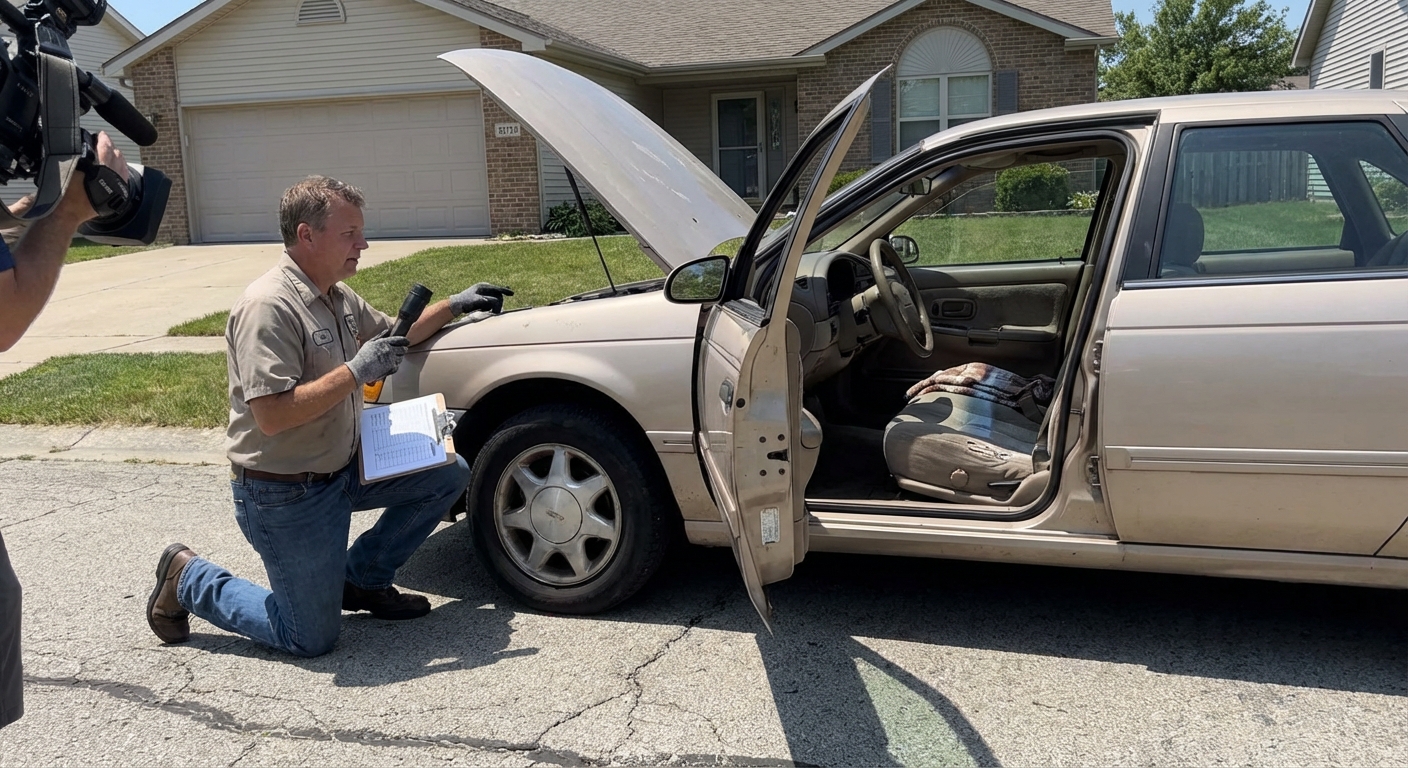
This is the part people try to skip, and it’s the part that’s saved me (and friends) the most money.
A proper pre-purchase inspection (PPI) by an independent mechanic usually costs me the equivalent of $100–$250, depending on where I am.
What they do that I can’t, or won’t:
- Put it on a lift and inspect the underside for:
- Frame rust or previous crash damage
- Exhaust leaks
- Suspension wear and torn bushings
- Scan the ECU for stored fault codes
- Check brake pad thickness and tire age with proper tools
The American Automobile Association (AAA) and Consumer Reports both recommend PPIs for used cars, and after skipping it once and regretting it, I’m firmly in their camp.
One of my friends fell in love with a heavily-optioned German sedan. It drove beautifully. The PPI found:
- Oil leaks from the valve cover and oil pan
- Front suspension arms on their last legs
- Original, 10-year-old transmission fluid in a gearbox known to be picky
The repair estimate? Roughly half the value of the car.
We walked. He sulked for a week. Then he found a cleaner one and sent the mechanic a thank-you bottle.
The Rust Lesson I Learned The Hard Way
Let me confess something: I once bought a car with rust I thought was “just cosmetic.” It wasn’t.
Within two years, the rear subframe mounts were so corroded the mechanic advised me not to drive it on the highway. It passed a quick visual test, but not the screwdriver test (where they gently poke rust spots to see if they crumble).
Now, for any used car in a salty or coastal region, I:
- Get under the car or ask the mechanic to check:
- Frame rails
- Suspension mounting points
- Brake and fuel lines
Data from Transport Canada and various European road safety bodies consistently show that rusted brake lines and structural corrosion are a real safety issue on older vehicles where de-icing salt is common.
If rust is advanced on anything structural, I don’t try to be a hero. I walk.
When I Still Say Yes (Even If It’s Not Perfect)
Not every used car has to be flawless. Some issues are totally acceptable if the price reflects them.
I’m usually okay with:
- Small oil "sweats" that don’t actively drip
- Minor cosmetic dings and faded paint
- Aging tires—as long as I budget to replace them immediately
- Known, well-documented issues that have already been fixed (for example, timing belt and water pump done recently with receipts)
I cross-check known problem areas using owner forums and long-term reliability data from Consumer Reports or What Car? (UK). If the common failure points are addressed, a high-mileage car can be a smarter buy than a mysteriously low-mileage garage queen.
The 3 Questions I Ask Myself Before Handing Over Cash
After all the checks, test drives, and mechanic reports, I sit in the car one last time and ask myself three questions:
- If this car needed $1,000–$1,500 of unexpected repairs in the next year, would I be okay, or would it wreck my finances?
Used cars always have surprises. Always.
- Does the story add up?
Mileage, condition, service history, seller’s explanation—do they feel consistent? Anytime my gut keeps whispering "something’s off", I listen now.
- Would I be comfortable handing this car to someone I care about?
If the honest answer is no, I walk, even if the deal looks good on paper.
Final Thought: Boring Cars, Smart Choices
The 15-year-old car I ended up buying after that almost-disaster? It’s not glamorous. It’s beige, it has a dent in the rear quarter, and the stereo is ancient.
But:
- The timing belt and water pump were done with receipts.
- The PPI came back with only minor issues.
- The previous owner had a folder of service records going back a decade.
I’ve driven it for three years now. Aside from routine maintenance and one alternator replacement, it’s been drama-free.
In my experience, the best used car isn’t the shiniest one in the ad. It’s the one that passes the unsexy checks, looks boringly well-maintained, and doesn’t give you that little twist of doubt in your stomach.
If my past self had read this before almost buying that shiny, undercoated rust trap, I’d have saved a lot of time, money, and swearing in cold driveways.