Discover Senior Speed Dating: What to Expect, Safety Tips, and Conversation Starters
nter I was using for a workshop. I stayed to watch (with permission) and later tried a session myself for research.
I walked out thinking: more people need to know how amazing this can be for folks 60, 70, even 80+.
If you're at the stage of life where your kids are grown, your knees complain sometimes, and your social circle has shrunk a bit, senior speed dating can be a surprisingly fun, low‑pressure way to meet people—romantic or otherwise.
Let me walk you through what actually happens, how to stay safe, and some conversation starters that don’t sound like job interviews.
What Senior Speed Dating Really Looks Like
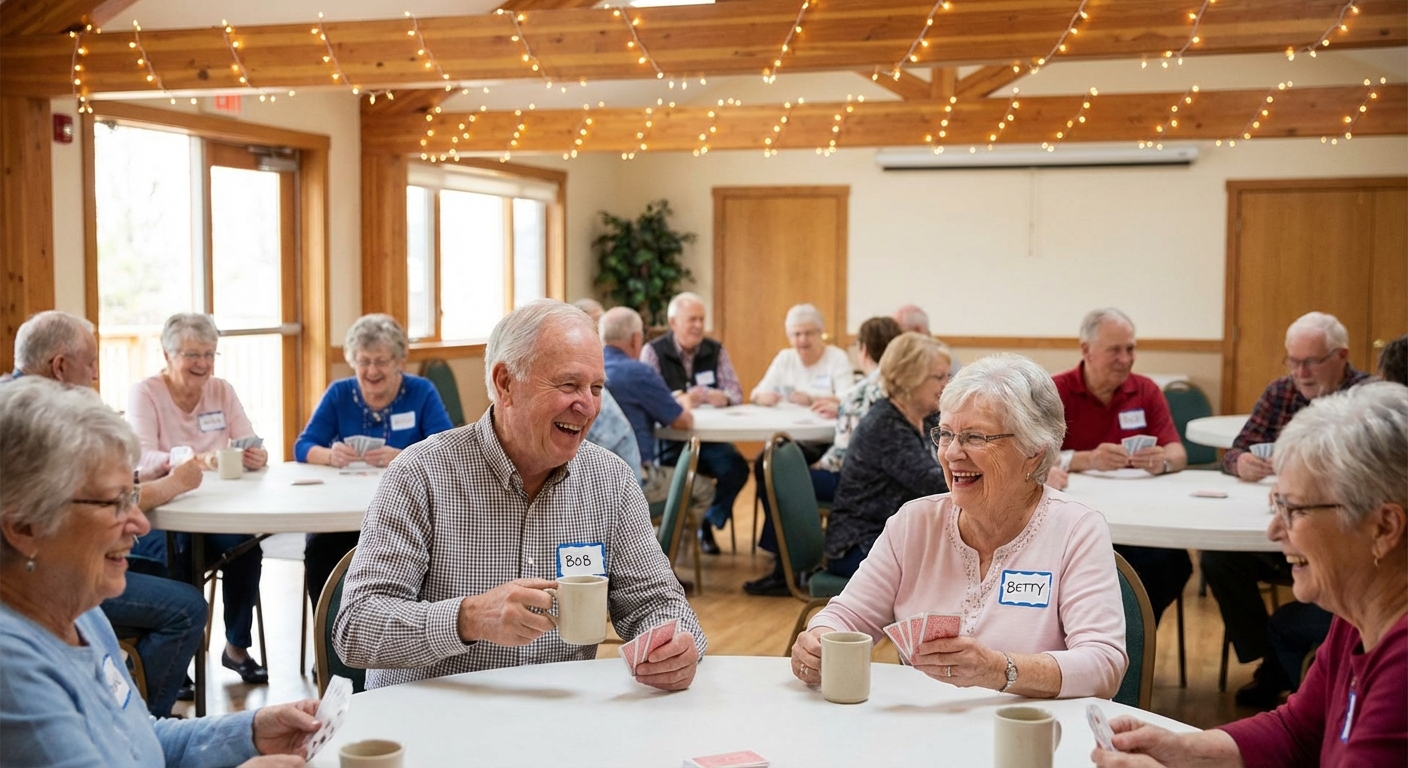
When I tested this myself at a 55+ event, I was half‑participant, half‑observer. Here's how it typically worked:
- Check‑in & name tags
I arrived about 20 minutes early, signed in, and got a big, readable name tag (larger fonts are common at senior events—thank goodness). Some events ask for your age range and what you’re looking for: friendship, companionship, romance, or “open to see what happens.”
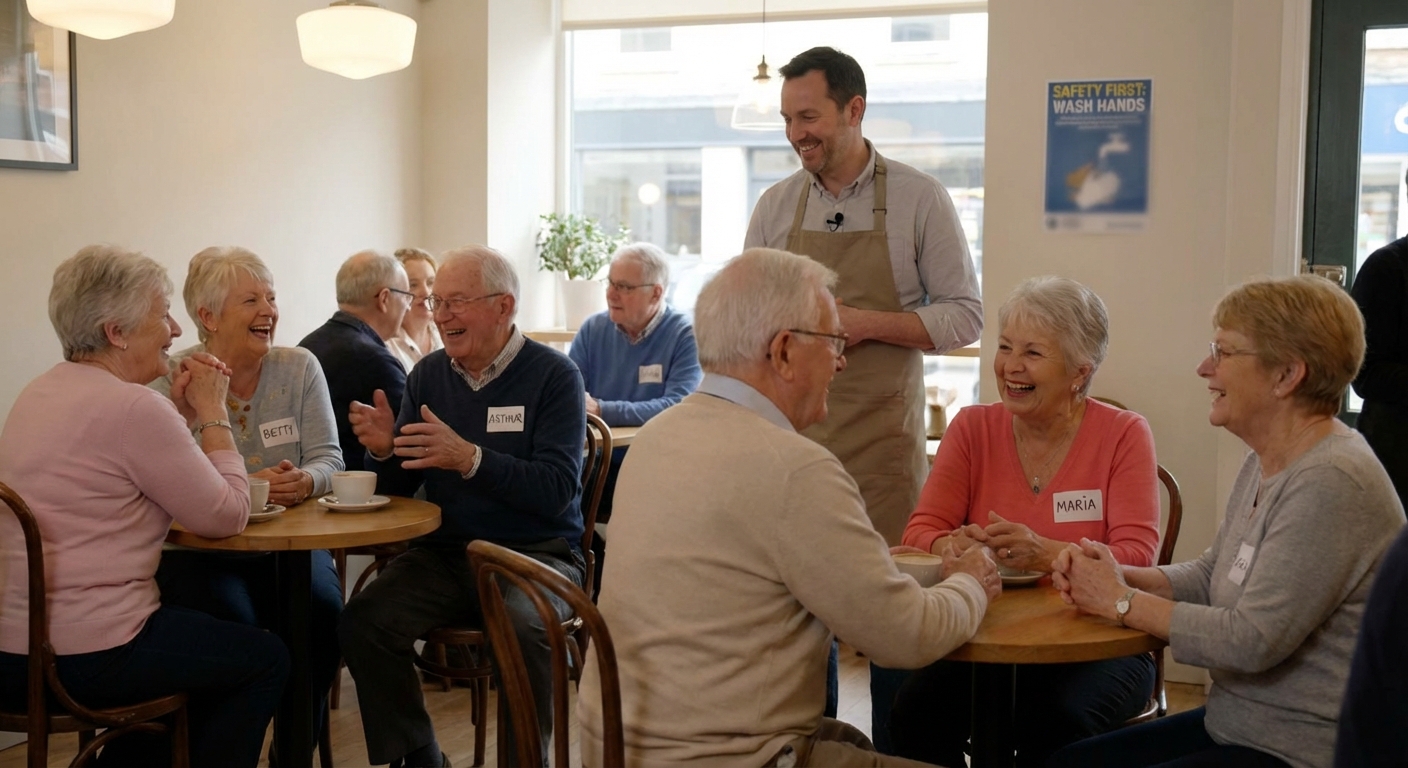
- Host explains the rules
The host—a retired teacher moonlighting as an event organizer—explained the basics:
- 5–8 minutes per “date”
- One side of the table stays seated while the other rotates
- No exchanging contact info during the event
- At the end, you mark who you’d like to see again
That “no numbers during the event” rule sounded strange at first, but it really does reduce pressure and awkwardness.
- The short dates begin
When I sat in on a women’s table, I got a front‑row seat to everything: nerves, laughter, a few awkward silences, and one absolutely adorable instant connection over 1960s Motown.
Each mini‑date felt like:
- A quick hello and handshake
- A couple of light questions
- One slightly deeper question
- A “nice meeting you” as the bell rang
- Match cards & results
Afterward, everyone filled out a card marking who they’d like to see again. The organizer later emailed matches where both people had said “yes.”
Research on speed dating formats in general (including older adults) shows that short, structured interactions reduce first‑date anxiety and help people make quicker, more intuitive judgments. Psychologists often call this “thin‑slice” decision making—our brains are actually pretty good at forming first impressions in a few minutes when we have a shared goal.
What You Can Expect Emotionally (The Part No One Tells You)
In my experience, the emotional arc of the evening went like this:
- First 10 minutes: Everyone’s stiff, over‑polite, and pretending they’re not nervous.
- Middle rounds: People loosen up, laugh more, and start skipping the small talk.
- Final rounds: You’re a little tired but far more relaxed, and the conversations feel oddly natural.
One widower I spoke with during a break told me, “I hadn’t been on a date in 40 years. This felt like a dress rehearsal for life again.” That line stuck with me.
There are some tough bits too:
- You might not feel chemistry with anyone.
- Someone you enjoyed might not choose you back.
- Grief, divorce, and health issues sometimes show up in conversation.
But what surprised me most? The overwhelming kindness. People were gentle with each other, even when there wasn’t a romantic spark.
Pros and Cons of Senior Speed Dating
I’m not going to pretend it’s magical for everyone. Here’s the real balance I’ve seen.
Upsides:- You meet 8–15 people in one evening—hugely efficient compared with apps.
- It’s structured, so no awkward “how do I leave this date?” moments.
- Many events screen for age ranges and basic safety.
- You get social interaction even if you don’t find romance.
- It can feel rushed if you’re a slower talker or hard of hearing.
- If the gender ratio is uneven, some people get breaks while others rotate nonstop.
- You might feel self‑conscious about age, appearance, mobility, or memory.
- Not all organizers are equally professional—quality really varies.
From what I’ve seen, people who go in with the mindset of “I’m here to meet interesting humans, not just a soulmate” tend to walk away happier.
How to Find Legit Senior Speed Dating Events
When I researched this for Knowledgia, I learned there’s a real spread in quality. The best‑run events I found usually connected to:
- Community centers & senior centers – Often partner with dating services but keep prices reasonable.
- Reputable dating companies – Some well‑known brands run 50+ or 60+ nights.
- Faith communities & clubs – These sometimes host “friendship mixers” that are basically speed dating with softer branding.
Red flags I personally avoid:
- No clear company name, physical address, or contact info on the website.
- Aggressive upselling to expensive “membership packages” before you’ve even tried an event.
- No clear policy on refunds, cancellations, or what happens with your data.
A quick background check—Google reviews, a look at the Better Business Bureau, and checking if the venue is real—makes a difference.
Safety Tips: Online & In‑Person
When I first dipped into senior dating research, what alarmed me most were the stories of scams targeting older adults. The FBI’s 2023 Internet Crime Report notes that people over 60 lost billions of dollars to online fraud, with romance scams being a huge chunk.
Speed dating, done right, is actually safer than random online chats—but you still need boundaries. Here’s what I recommend and personally follow:
Before the Event
- Tell someone where you’re going. Give a friend or family member the event name, address, and timing.
- Use the venue’s official registration system. Don’t send payment via random personal links or unverifiable cash apps.
- Bring only what you need. ID, phone, minimal cash, and maybe a small notebook.
During the Event
- Protect sensitive info. First name, general area, and interests are enough for a brief chat.
- Don’t share: full address, specific bank, account details, high‑value assets.
- Watch for boundary‑crossers. If someone pushes for personal details, physical contact, or to meet privately immediately after—mark that down as a no.
- Stay alcohol‑aware. Many events serve wine. I limit myself to one drink max so my judgment stays sharp.
After the Event
- Communicate through official channels first. Most organizers will email matches and allow messaging inside their system.
- Video call before meeting alone. Especially if someone suggests meeting outside public places.
- Meet in public, drive yourself. At least for the first couple of outings.
For context, the U.S. Federal Trade Commission has repeatedly warned that romance scammers often:
- Rush intimacy (“I’ve never felt this way before” after a day).
- Avoid video calls.
- Ask for money related to “emergencies” or “travel to see you.”
If anyone crosses those lines—speed date or not—that’s your cue to block and walk.
Conversation Starters That Actually Work
The first senior speed dating event I observed had one major problem: half the conversations sounded like job interviews from 1983.
“Where are you from?”
“What did you do for work?”
“Do you have children?”
Not terrible, but they don’t exactly make sparks fly.
Here are some openers I watched transform stiff table talk into real laughs and connection, plus a few I’ve tried myself in similar settings.
Light and Easy
- “What’s something small that made you smile this week?”
- “If we took work out of the story, how do you like to spend your time now?”
- “What music makes you turn up the volume?”
- “Are you more of a morning person or a night owl?”
These questions work because they’re low‑stakes and forward‑looking, but still show personality.
Nostalgia (Gold for 60+)
- “What decade had the best music, hands down?”
- “What’s a TV show you loved that younger people probably never heard of?”
- “Did you ever go to concerts when you were younger? Who did you see?”
Nostalgia is powerful; psychologists have linked it to better mood and stronger feelings of connection. When I sat with a group who started trading concert stories, the whole room lit up.
Deeper but Still Comfortable
- “What’s something you’re proud of that doesn’t show up on a résumé?”
- “Is there a place you’d still love to visit—or revisit?”
- “If you had a free Sunday with no responsibilities, how would you spend it?”
The trick I’ve seen work best: ask one good question, then really listen. You don’t need to cram five questions into five minutes.
Conversation Exits (Because the Bell Will Ring)
You’ll also need graceful ways to end a mini‑date without sounding harsh:
- “I really enjoyed hearing about your gardening. I hope you get those tomatoes this year.”
- “You’ve given me some great book ideas. It was nice meeting you.”
Those gentle wrap‑ups make the evening feel warmer for everyone—whether or not there’s a match.
How to Get the Most Out of the Experience
When I interviewed several older adults after their first event, the most satisfied ones had a similar mindset. Here’s what they did:
- Set a flexible goal. Instead of “I must find The One,” they aimed for “I want at least three genuinely interesting conversations.”
- Prepared a few stories. A funny travel mishap, a favorite hobby moment, a quick grandkid anecdote—little vignettes that show who you are.
- Managed energy. They hydrated, ate beforehand, and didn’t stack other exhausting activities the same day.
- Treated it as practice. One 72‑year‑old divorced man told me, “The first event was like going back to the gym after years off. The second time, I wasn’t nearly as nervous.”
You’re allowed to be rusty. Most people there are.
Who Senior Speed Dating Is (and Isn’t) For
From what I’ve seen across multiple events, it tends to work best if you:
- Enjoy conversation, even if you’re a bit shy at first.
- Are open to different outcomes: romance, friendship, or just a fun story.
- Can handle a little rejection without taking it too personally.
It may not be ideal if you:
- Strongly dislike group social settings.
- Need a lot of time to warm up to new people.
- Are dealing with very raw, fresh grief and aren’t ready to talk about your life yet.
And that’s okay. Speed dating is just one tool in the senior social tool kit—alongside interest‑based clubs, volunteering, classes, and (careful) online dating.
Final Thought: It’s Not “Dating Like the Old Days,” and That’s Okay
When I recently talked with a woman in her late 60s who tried senior speed dating after being widowed, she said: “It wasn’t like dating in my 20s. It was more honest. We’ve all lived lives. We’re not pretending we haven’t.”
That, to me, is the real magic of senior speed dating.
You’re not starting from zero—you’re bringing decades of stories, resilience, heartbreak, and humor to a table where everyone else has done the same. For five minutes at a time, you get to see if those stories might run alongside someone else’s for a while.
If you’ve been on the fence, maybe it’s worth giving yourself one evening to find out what could happen when the bell rings.
Sources
- FBI Internet Crime Complaint Center (IC3) 2023 Elder Fraud Report - Data on fraud and romance scams targeting older adults
- Federal Trade Commission – What to Know About Romance Scams - Government guidance on spotting and avoiding romance scams
- Harvard Health Publishing – The Health Benefits of Strong Relationships - Overview of how social connection supports physical and mental health
- BBC Future – The Science of First Impressions - Explains research behind snap judgments in brief social encounters
- American Psychological Association – The Power of Nostalgia - Research on how nostalgic conversation boosts mood and connection