Everyday Home Items That Improve Comfort and Safety at Home
arbon monoxide scare in my old rental and one very stubbed toe at 2 a.m. pretty much rewired my brain.
Since then, I’ve become that person who geeks out over small home upgrades. Not the flashy, Instagram-perfect ones—just everyday items that quietly make life safer and way more comfortable.
Here’s what’s actually earned a permanent spot in my home and what I’ve learned testing this stuff in real life.
1. Smart Plugs: Tiny Brains for “Dumb” Devices
I thought smart plugs were a gimmick until I used one to deal with my “did I turn off the iron?” anxiety.
I plugged my iron into a Wi-Fi smart plug and set an automation: it shuts off after 30 minutes, every time. Now if I’m halfway to work and panic, I just open the app and check. Instant peace of mind.
Why they help with comfort and safety- You can turn lights on before you get home (no more walking into a dark house).
- You can create “all off” routines at bedtime.
- You drastically reduce the chance of leaving heat-generating devices on.
When I tested these with my space heater one winter, I noticed two things: the outlet and plug stayed cooler when I used one rated for a full 15 amps, and the app’s energy tracking taught me which devices were secretly hogging power.
2. Layered Lighting: The Difference Between Cozy and Hazardous
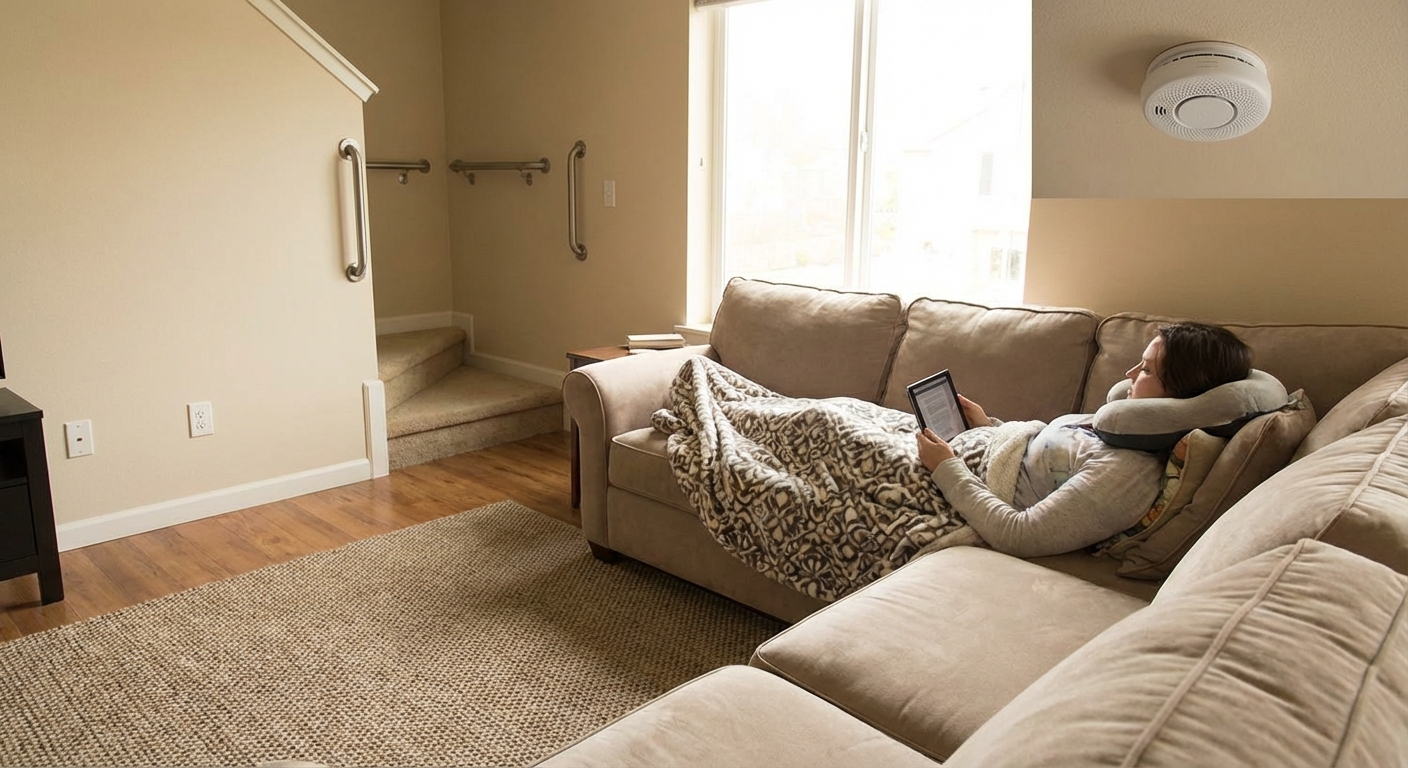
I used to rely on one sad ceiling light in my living room. It looked like a waiting room and made it easy to miss clutter on the floor. After tripping over a laundry basket in semi-darkness, I finally took lighting seriously.
Now I use a layered lighting setup:
- Ambient lighting (overhead or floor lamps) for general brightness
- Task lighting (desk lamps, under-cabinet strips) for detail work
- Accent lighting (wall sconces, picture lights) for mood
When I tried under-cabinet LED strips in the kitchen, the difference was wild—suddenly I wasn’t chopping onions in my own shadow anymore. It also reduced glare and eye strain when cooking at night.
Good lighting is a comfort upgrade, but it’s a safety device too. The CDC has data showing that falls are a leading cause of injury at home, especially for older adults, and poor lighting is a major contributor.
Downside: smart bulbs and dimmers can get pricey if you do the whole house at once. I started with high-risk areas only: stairs, entryway, hallway to the bathroom.3. Non-Slip Everything: Rugs, Mats, and That One Dangerous Shower
I used to think non-slip bath mats were just…mats. Then I nearly did a cartoon-style banana peel slide getting out of the shower.
Now I treat anything on a smooth floor as a potential launchpad.
What’s actually worked for me:
- Rug pads under every area rug, trimmed to fit so edges don’t curl
- Textured bath mats with strong suction cups (I test them by trying to pull them up from one corner)
- Non-slip stair treads on wooden steps – especially helpful when I come down half-awake
The National Institute on Aging points out that bathroom and stair falls are some of the most common home injuries. When I added non-slip treads on the stairs, I immediately noticed fewer “whoops” moments when I was carrying laundry or groceries.
Con: good rug pads cost more than the cheap foam stuff, but the cheap ones bunch, degrade, and can even stick to the floor finish. My first bargain pad actually fused with my hardwood. Never again.4. Carbon Monoxide & Smoke Detectors That Actually Talk to You
My turning point with detectors was dramatic: the CO alarm went off at 2 a.m. in my old apartment, and I did that split-second “is this low battery or real danger?” hesitation. Fire department came. It was real.
Since then, I treat detectors like seatbelts: unglamorous but non-negotiable.
When I upgraded, I chose combination smoke/CO detectors with:
- Voice alerts (they tell you what and where: “smoke in the kitchen”)
- Interconnectivity (when one goes off, they all do)
- A 10-year sealed battery so I’m not hunting for 9-volts at midnight
The U.S. Consumer Product Safety Commission estimates around 170 deaths per year in the U.S. from non-automotive CO poisoning. That’s not a huge number, but it’s almost entirely preventable.
When I tested a smart detector, I loved that it sent alerts to my phone. Downsides? They’re pricier, and you’re relying on Wi-Fi and an app. If your budget’s tight, traditional UL-listed detectors, properly installed and tested monthly, still do the job.
5. Motion-Sensing Night Lights: The Anti-Toe-Stubbing Squad
I originally bought motion-sensing lights for guests, so people wouldn’t fumble for switches at night. I ended up loving them myself.
I put:
- Plug-in motion lights in the hallway to the bathroom
- A slim battery-powered one low on the wall near the top of the stairs
When I tested placement, I literally walked the nighttime route with the lights off, then moved the lights until they came on before I reached potential hazards.
Result: fewer stubbed toes, zero “I can’t see the top stair” moments, and a calmer half-asleep brain.
Side benefit: for older family members who visit, this drastically reduces fall risk. The CDC and various fall-prevention programs emphasize lighting pathways to bathrooms and stairs—this is the laziest, most effective way I’ve found.6. Water Leak Detectors: The $30 Gadget That Saved Me Thousands
I was skeptical about leak sensors. Then one under-sink sensor caught a tiny drip from my garbage disposal. I probably would’ve noticed…in a month…when the cabinet bottom was warped.
These little battery-powered pucks just sit on the floor near:
- Washing machines
- Water heaters
- Under sinks
- Behind toilets
When water touches the contacts, they scream. Some smart versions also ping your phone.
When I tested mine, I poured a little water near it and timed the alert: instant ear-piercing shriek. That delay between “tiny drip” and “moldy mess” is where they shine.
Downsides:- You need to remember to test and replace batteries. I add them to the same calendar reminder I use to test my smoke detectors.
- Smart models require Wi-Fi and can be finicky to set up.
Still, compared to the cost of water damage (Forbes has reported average insurance claims in the thousands of dollars), they’re a no-brainer.
7. Basic First Aid & Power-Outage Kits: Boring but Brilliant
The least “fun” items in my home are the ones I’m most grateful for when things go sideways.
First Aid Drawer
I stopped relying on random half-empty bandage boxes scattered around and built a proper first aid drawer with:
- Sterile gauze and adhesive bandages
- Antiseptic wipes and ointment
- Tweezers, small scissors, digital thermometer
- Pain relievers and allergy meds I actually use
I once sliced my finger cooking (my fault, dull knife). Having everything in one labeled drawer meant I could deal with it in 30 seconds instead of bleeding while hunting for alcohol wipes.
Power-Outage Kit
Where I live, storms knock power out a few times a year. I keep a small bin with:
- LED lanterns and headlamps (hands-free = game changer)
- Backup phone power bank (pre-charged)
- A manual can opener
- A small battery-powered radio
When I tested the lanterns, I tried reading by them and cooking with them to see which ones actually worked for real life and not just “emergency marketing photos.” Some were way too dim; I returned those.
Con: this stuff takes space. I corralled it into one labeled bin in a linen closet so it’s out of sight but reachable in the dark.8. Indoor Air Quality Helpers: Small Things That Change How You Feel
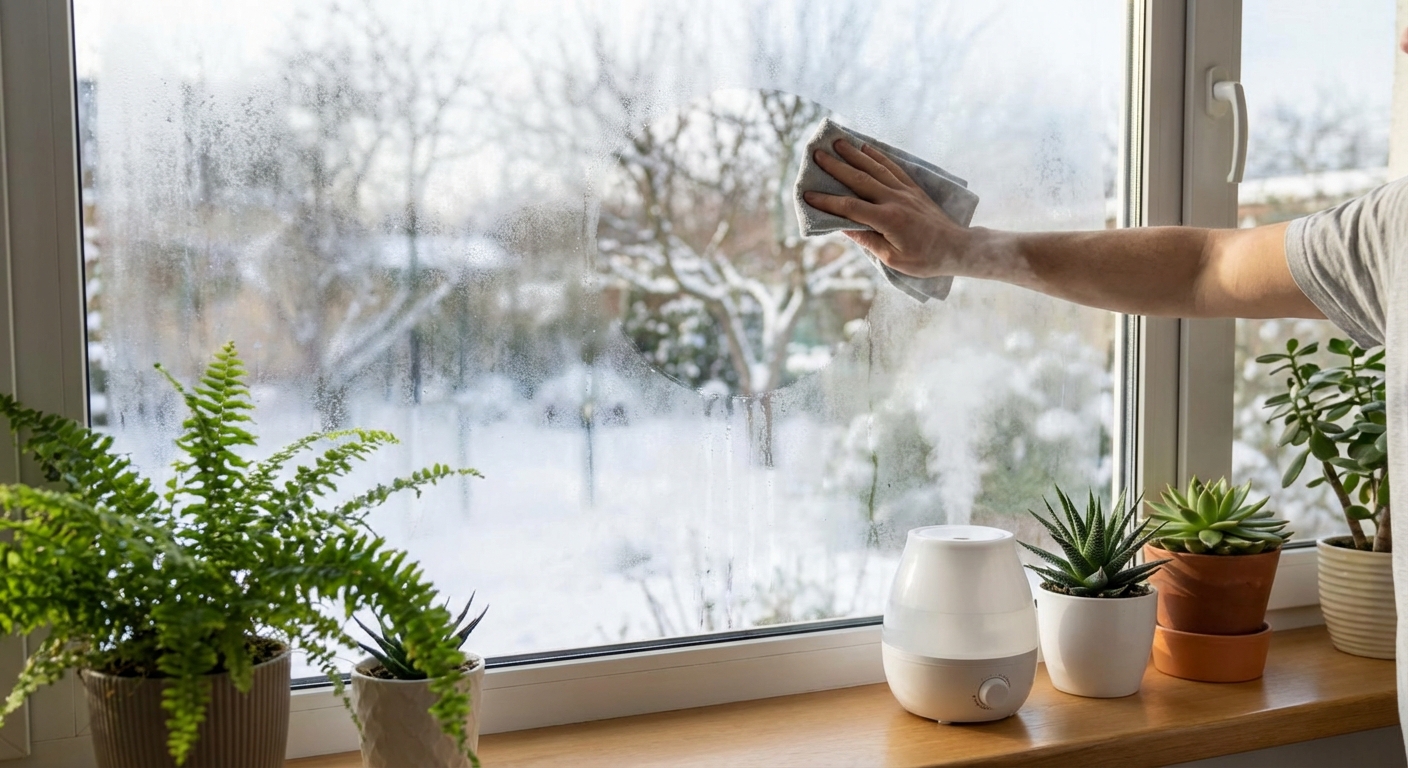
I didn’t connect headaches and sluggishness to indoor air until I bought a cheap air quality monitor out of curiosity. I started noticing patterns: when I cooked a lot without the range hood, fine particulate levels spiked. Same after cleaning with strong products.
Here’s what’s made the biggest difference:
- Range hood actually vented outside (I now always check this when renting or buying)
- HEPA air purifier in the bedroom, sized correctly for the room’s square footage
- Door draft stoppers and weatherstripping to control temperature swings and reduce dust
The EPA has plenty of research showing indoor air can be more polluted than outdoor air. When I ran an air purifier for a week at night, I slept better and woke up less congested. It wasn’t subtle.
Downsides:- Filters aren’t cheap, and you do need to replace them on schedule.
- Purifiers can be noisy at higher settings, so I use “sleep mode” at night and higher speeds when I’m out.
Where to Start (Without Overhauling Your Whole House)
If this all sounds like a lot, here’s how I’d prioritize based on my own trial and error:
- Working smoke and CO detectors in the right places, tested monthly.
- Non-slip mats in the bathroom and secure rugs in main walkways.
- Motion night lights for bathrooms and stairs.
- One or two smart plugs for your highest-risk or most-forgettable devices.
- Leak sensors in at least one “if this leaks, I’m doomed” spot.
I didn’t buy all of this at once. I added one small item every month or so—a mat here, a smart plug there—usually after some minor incident convinced me it was worth it.
What surprised me most was how much these “boring” things changed how my home feels. Fewer little frictions. Less background worry. More calm.
And that’s the sweet spot for me: everyday home items that quietly make life safer and more comfortable, without turning the place into a tech showroom or a hospital.
Sources
- Centers for Disease Control and Prevention – Older Adult Fall Prevention - Data and guidance on falls and home safety
- U.S. Consumer Product Safety Commission – Carbon Monoxide Information Center - Facts and safety tips about CO poisoning
- Environmental Protection Agency – Indoor Air Quality - Research and recommendations on improving indoor air
- National Institute on Aging – Preventing Falls at Home - Practical home modifications to reduce fall risk
- Forbes – Average Cost of Water Damage Restoration - Overview of typical costs from residential water damage