Gardening Power Scissors Guide
a gimmick. Then I trimmed an entire overgrown herb bed in under 10 minutes without my hand cramping once… and I was hooked.
This guide is everything I wish I’d known before I bought mine, tested a few others, and accidentally murdered a rosemary bush by being a bit too excited about my new toy.
What Are Gardening Power Scissors, Really?
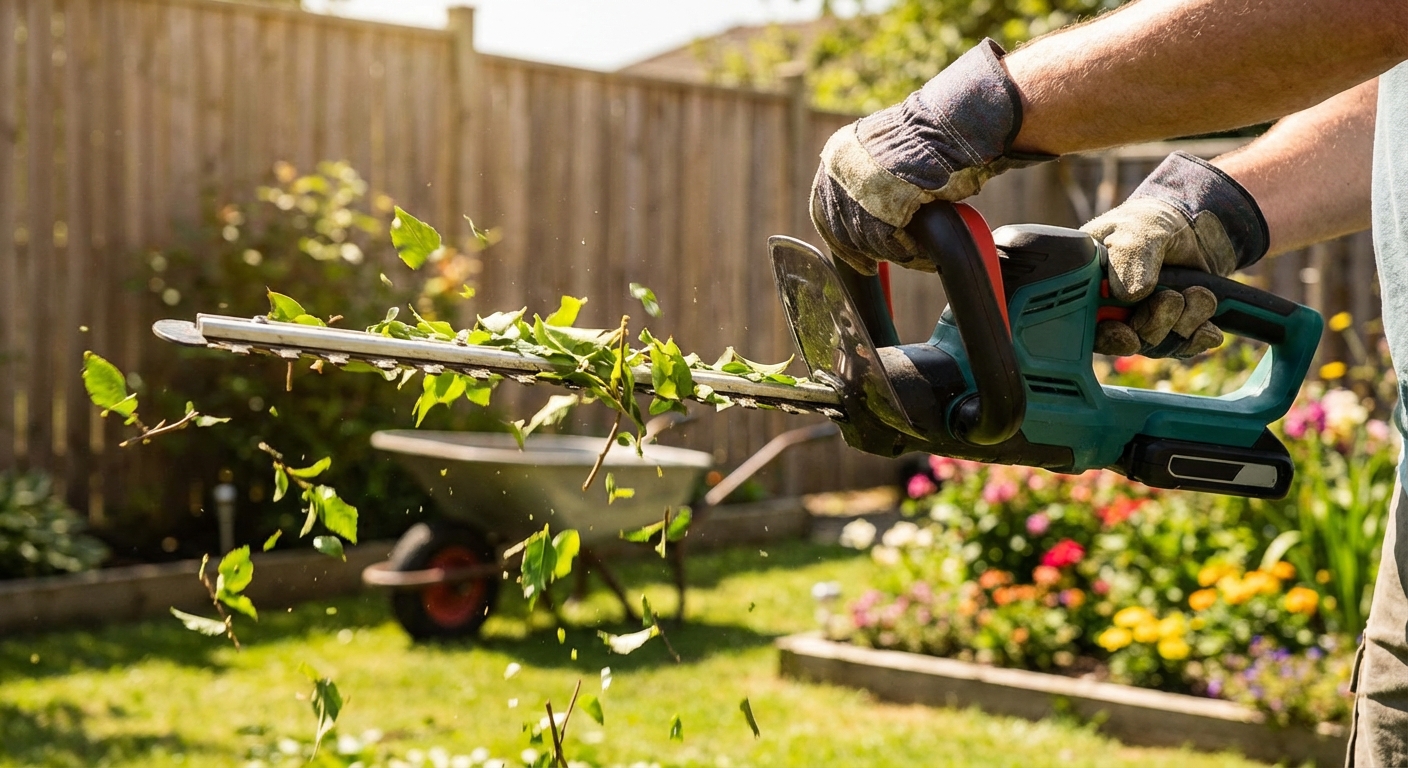
When I say “gardening power scissors,” I’m talking about small, powered cutting tools that look like oversized scissors or compact shears. They’re usually:
- Battery-powered (most often 3.6V–12V lithium-ion)
- One-handed tools
- Designed for light to medium-duty cutting
They’re different from full-on electric pruners or hedge trimmers. Power scissors sit in that sweet spot between manual snips and bigger power tools.
You’ll see them marketed as:
- Cordless grass and shrub shears
- Electric pruning shears
- Power craft scissors that double for gardening
When I tested a few models side by side, the big differences were blade design, battery capacity, and how well they handled slightly woody stems.
When Power Scissors Actually Make Sense
In my experience, gardening power scissors shine in these situations:
1. Trimming Herbs & Soft Stems
I grow a ridiculous amount of basil and mint. With manual scissors, my hand gets tired fast. With power scissors, I can:
- Harvest soft herbs quickly
- Shape parsley, chives, and cilantro
- Cut microgreens or baby salad greens in trays
When I tested my Bosch cordless shears on basil, I could harvest an entire 3 x 6 ft bed in about 3–4 minutes. With manual scissors, it took closer to 12–15 minutes.
2. Light Shrub Shaping
Most models come with interchangeable blades: a short hedge/grass blade and a narrow pruning blade.
I use mine to:
- Lightly shape boxwood and small evergreen shrubs
- Tidy lavender after flowering
- Clean up straggly edges on small hedges
You’re not cutting through thick woody branches here; think fine-tuning and shaping.
3. Edging Lawns & Paths
The grass-shear style attachments are surprisingly good for:
- Trimming grass along beds where the mower can’t reach
- Cutting around stepping stones
- Neatening the edge of raised beds
When I first tried this, I underestimated how much battery I’d need. My 3.6V model ran about 25–30 minutes continuously. That’s fine for a small yard, but not for a large property.
4. Accessibility & Hand Fatigue
I started recommending power scissors to friends with arthritis or reduced grip strength. The difference is huge. According to the Arthritis Foundation, repetitive gripping with manual tools can significantly increase joint pain for some people, especially with gardening tasks that involve constant squeezing.
A light, powered cutting action transfers most of the effort to the motor, not your joints. For me, on big pruning days, they help delay that “I can’t feel my thumb anymore” moment.
Key Features That Actually Matter (From Testing, Not Spec Sheets)
When I tested different power scissors, a few features turned out to matter more than the marketing copy.
Battery Type & Runtime
Look for:
- Lithium-ion battery (standard now, but double-check)
- Runtime of 30–60 minutes under typical use
- Recharge time: under 3 hours is ideal
Brands rarely tell you honest “real-life” runtimes. In my experience, a 3.6V tool with a 1.5 Ah battery gave me:
- About 30–40 minutes of mixed use (trim, pause, reposition)
- Closer to 20–25 minutes of non-stop cutting dense edges
Tools from major brands like Bosch and Black+Decker tend to hit those numbers more consistently than unknown budget brands.
Blade Quality & Interchangeability
This is where the magic (or frustration) happens.
You want:
- Hardened steel blades
- Easy, tool-free blade swapping
- Secure locking (my first cheap pair dropped the blade mid-cut—terrifying)
When I tested a no-name budget model, it looked fine out of the box. But after two weekends trimming thyme and boxwood, the blades were noticeably duller than my mid-range branded pair.
Weight & Balance
The lighter the better, up to a point. Under about 1.5–2 lb is comfortable for most people.
Things I noticed while using them for an hour straight:
- A slightly heavier, well-balanced tool feels better than a super-light but front-heavy one.
- Rear-heavy tools strain your wrist less when doing detail work.
Safety Features
I used to roll my eyes at safety switches… until my thumb slipped and I almost nicked a finger.
Good power scissors typically have:
- A two-step start (safety switch + trigger)
- Blade guards or covers for storage
- Automatic shutoff after a few seconds of inactivity (on some models)
Use the blade cover. That’s not optional. I learned this after brushing against an uncovered blade in the shed. It was off, but still sharp enough to give me a tiny cut.
Pros and Cons (The Honest Version)
Where Power Scissors Are Amazing
From real-world use:
- Much less hand strain – Huge difference during long sessions.
- Faster for repetitive tasks – Herb harvesting, edging, and shaping are way quicker.
- Great for smaller spaces – Patios, balconies, and small gardens benefit the most.
- Precise – More control than a big hedge trimmer for delicate trimming.
Where They Fall Short
And yes, they absolutely have limitations:
- Not for thick branches – Most struggle above 8–10 mm (about a pencil’s thickness).
- Battery dependency – If you forget to charge, it’s a fancy paperweight.
- Blade maintenance – They do need cleaning and the occasional sharpening.
- Noise – Quieter than hedge trimmers, but louder than manual shears.
When I tried to force my power scissors through a slightly woody old lavender stem, the motor stalled and the cut tore instead of slicing. That’s your sign you need proper pruners instead.
How to Use Gardening Power Scissors Without Wrecking Your Plants
1. Match Tool to Task
Use the right attachment:
- Grass/hedge blade for soft foliage and edges
- Narrow pruning blade for individual stems and light shrub work
When I used the hedge blade on oregano, it gave a nice even cut. Using the pruning blade there was overkill and slower.
2. Cut at the Right Angle
For soft plants:
- Aim for a slight angle instead of a harsh horizontal chop
- Avoid hacking repeatedly at the same spot (tears tissue)
For small woody stems (within tool limits):
- Support the branch with your free hand (behind the blade, obviously)
- Let the motor do the work; don’t force it
3. Watch for Heat & Battery Sag
After 20–30 minutes of continuous trimming, I’ve noticed:
- The housing gets warm (normal, but give it a short break).
- Power can dip slightly as the battery drains.
That’s a good moment to pause, drink some water, and step back to see what you’ve actually done to your poor shrubs.
4. Clean and Oil (It Really Matters)
I used to just throw mine on a shelf—big mistake.
Now, after each session, I:
- Brush off plant bits and sap
- Wipe blades with a cloth lightly dampened with soapy water (avoid soaking)
- Dry thoroughly and add a tiny drop of light oil
This alone made my blades stay sharp noticeably longer.
Picking the Right Pair: What I’d Look For If Buying Again
From all the models I’ve handled, I’d focus on:
- Brand with spare parts support – Blades and batteries actually available.
- Runtime that matches your garden size – Small balcony? 20–30 minutes is fine. Quarter-acre yard? Look for 45–60 minutes or a removable battery system.
- Comfortable grip – This is weirdly personal. If possible, hold one in-store before buying.
- Weight under ~2 lb – Unless you have very strong wrists.
For most home gardeners, a mid-range cordless model from a known brand (Bosch, Black+Decker, Makita, Gardena, etc.) is the smartest starting point. Super-cheap no-name models can work, but in my experience they dull faster and sometimes have sketchy safety switches.
Final Thoughts from the Garden Path
I went from thinking gardening power scissors were a silly gadget to keeping mine charged almost non-stop through spring and summer.
They won’t replace:
- Proper bypass pruners for serious woody pruning
- Loppers for thick branches
- Full-size hedge trimmers for big hedges
But for:
- Herb beds
- Light shrub shaping
- Lawn edging
- Balcony containers
…they’re kind of a game changer. My hands last longer, my cuts are cleaner, and I spend more time actually enjoying the garden instead of massaging my forearms.
If you treat them as a precision helper rather than a chainsaw replacement, they earn their spot in the shed.
Sources
- Arthritis Foundation – Gardening with Arthritis - Tips and considerations for reducing joint strain during gardening.
- U.S. Consumer Product Safety Commission – Power Tools Safety Tips - General guidance on safe use of powered cutting tools.
- Bosch Home & Garden – ISIO Cordless Shrub and Grass Shear - Example of a popular cordless garden power scissors-style tool.
- Cornell University – Gardening for Older Adults - Extension guidance on adapting tools and techniques to reduce strain.
- BBC Gardeners' World – How to Prune Shrubs - Best practices for shrub pruning and plant health considerations.