Guide to Anti Aging Solutions for Youthful Skin
finally treated my skin like a long game instead of a quick fix, things changed fast — my hyperpigmentation faded, my skin stopped flaking every winter, and my makeup started sitting better at 35 than it did at 25.
This is the guide I wish someone had handed me years ago.
The Only Non‑Negotiable: Sunscreen, Every. Single. Day.
I recently discovered how much sun damage I’d been ignoring when I got a skin analysis at a derm clinic. Under the UV light, I could literally see the freckles and spots that weren’t visible yet. That was my wake‑up moment.
Dermatologists have been screaming this for decades: up to 80% of visible facial aging is driven by UV exposure (wrinkles, spots, sagging), not just “getting older.” The American Academy of Dermatology backs this up consistently.
What works (because I’ve tested a lot):- Broad‑spectrum SPF 30+ every morning, even when it’s cloudy or you’re indoors near windows.
- Reapply every 2 hours if you’re outside, sweating, or wearing no hat.
- Aim for ½ teaspoon for face and neck (I actually measured it once — it’s more than you think).
I’ve rotated through mineral and chemical sunscreens. Chemical filters feel lighter on my combination skin, but when my skin barrier was wrecked, mineral formulas with zinc oxide were less stingy.
Downside: good sunscreens can feel heavy or leave a white cast, especially on deeper skin tones. I had two weeks of looking slightly ghostly before I found a tinted mineral SPF that didn’t make me look like I was prepping for mime school.Retinoids: The Real Workhorse (And How I Messed It Up First)
When I tested prescription tretinoin for the first time, I went way too hard: nightly use, pea‑sized amount, no buffer. Within a week my skin was peeling like a snake shedding. Not cute.
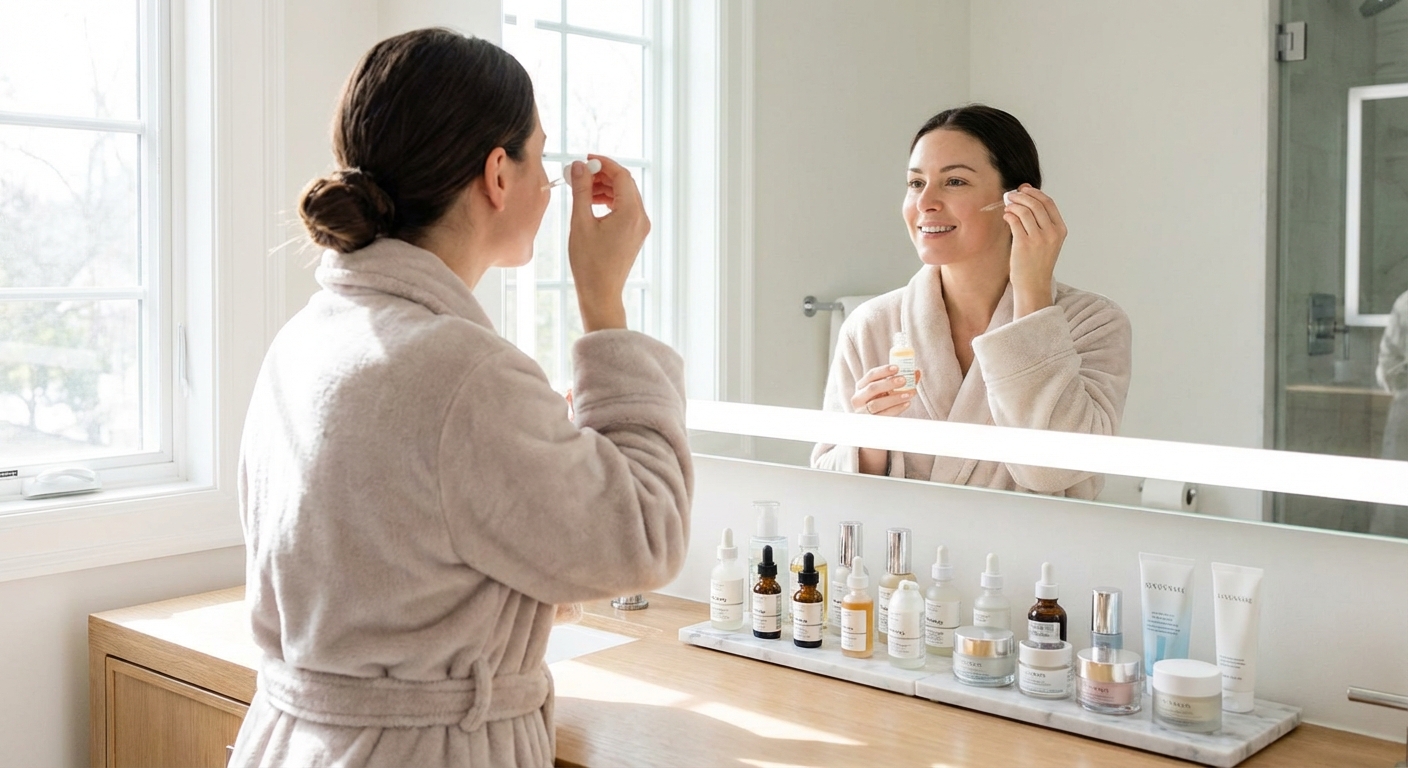
Retinoids (retinol, retinaldehyde, adapalene, tretinoin) are vitamin A derivatives and still the gold standard for anti‑aging. There’s decades of research showing they:
- Boost collagen production
- Speed up cell turnover
- Smooth fine lines and rough texture
- Help fade hyperpigmentation
A 2007 study in Archives of Dermatology showed that 0.1% tretinoin significantly improved fine wrinkles and mottled hyperpigmentation in 24 weeks. That’s not marketing; that’s biopsy‑level data.
What finally worked for me:- Started with an over‑the‑counter 0.3% retinol 2 nights a week
- Sandwiched it between moisturizer (“retinol sandwich” trick) to reduce irritation
- Gradually increased to nightly use over 3–4 months
- Real, measurable improvement in texture and fine lines
- Long‑term, not just “makeup trick” level change
- Initial redness, flaking, and sensitivity are very real
- Not ideal for pregnancy/breastfeeding (always ask your doctor)
- You must be serious about sunscreen; retinoids make you more sun‑sensitive
If your skin is super sensitive, look for granactive retinoid or bakuchiol. Bakuchiol isn’t a retinoid, but small studies suggest similar anti‑aging benefits with less irritation. On my skin, it didn’t replace tretinoin, but it worked nicely on off nights.
Vitamin C: The Brightening Sidekick
I always thought vitamin C serums were just “nice extras” until I ran out one month and noticed my skin looked duller and my dark spots lingered longer.
L‑ascorbic acid (the pure form of vitamin C):
- Fights free radicals from UV and pollution
- Helps stimulate collagen
- Fades dark spots and improves glow
When I tested a 15% L‑ascorbic acid + vitamin E + ferulic acid serum (the classic antioxidant combo), I noticed:
- Subtle brightening after about 3–4 weeks
- Less redness after a beach day (still wearing sunscreen, obviously)
- Pure vitamin C is unstable — it oxidizes fast (turns yellow/brown and less effective)
- Some people get stinging or breakouts from high concentrations (20%+ was too much for my skin)
If you’re reactive, look for magnesium ascorbyl phosphate or ascorbyl glucoside — gentler vitamin C derivatives. They’re slower but more forgiving.
Peptides, Niacinamide & Hyaluronic Acid: The Support Crew
Not every product has to be a heavy hitter like retinoids. Some are more like the friend who always shows up quietly and makes everything better.
Niacinamide (Vitamin B3)
This one became my ride‑or‑die when my barrier was trashed from over‑exfoliating.
In my experience, niacinamide:
- Reduced my redness and sensitivity
- Softened the look of pores around my nose
- Helped fade post‑acne marks a bit faster
Studies show niacinamide (around 4–5%) can improve fine lines, sallowness, and elasticity. Over 10% sometimes made my skin a little itchy, so I stick to 5%.
Peptides
Are peptides miracle collagen injectors in a bottle? No. But some do help support skin firmness and hydration.
I recently discovered that when I layered a peptide serum under my moisturizer for a few months, my skin looked a bit bouncier and less “deflated,” especially around my mouth. It wasn’t facelift‑level change, but it was noticeable enough that a friend asked what I was using.
Hyaluronic Acid
Hyaluronic acid doesn’t build collagen; it pulls water into the skin. When I apply it on slightly damp skin and seal with a moisturizer, my fine dehydration lines basically vanish until I wash my face again.
Tip from experience: in very dry climates, if you use hyaluronic acid without a good moisturizer on top, it can actually make you feel drier because it grabs water from deeper in the skin.
Lifestyle Tweaks That Show Up On Your Face
Some of the best “anti-aging” changes I’ve made never came in a pretty bottle.
Sleep (Yes, Actual Beauty Sleep)
When I dip below 6 hours, my under‑eyes blow up like balloons and my skin looks grey. There’s data showing that chronic sleep deprivation can impair skin barrier function and accelerate signs of aging.
I started being boring and going to bed earlier. My eye cream didn’t change. My under‑eyes did.
Diet & Hydration
No, you can’t “drink collagen” into your face directly, but:
- Diets rich in antioxidants (berries, leafy greens, nuts, olive oil) are linked to healthier skin
- High sugar intake is connected with glycation, which stiffens collagen fibers and can speed up sagging and wrinkles
When I cleaned up my diet a bit — fewer sugary drinks, more whole foods — my breakouts reduced, and my skin tone evened out. Not a miracle, but definitely noticeable.
Smoking & Alcohol
I don’t smoke, but every dermatologist I’ve interviewed basically says: if you’re serious about anti‑aging, smoking is a hard no. It constricts blood vessels and breaks down collagen faster.
Heavy alcohol use also dehydrates skin and can worsen redness. When I cut my wine down to weekends only, my skin stopped looking puffy in the mornings.
Professional Treatments: Where I Drew the Line (For Now)
I’ve personally tried chemical peels and microneedling, but held off on Botox and fillers (for now — never say never).
Chemical Peels
A medium‑strength glycolic peel once every few months helped with:
- Surface pigmentation
- Rough texture
But the recovery (peeling for 3–5 days) meant planning around events. Also, overdoing peels can thin or irritate the barrier, so I treated them like a seasonal reset, not a monthly must.
Microneedling
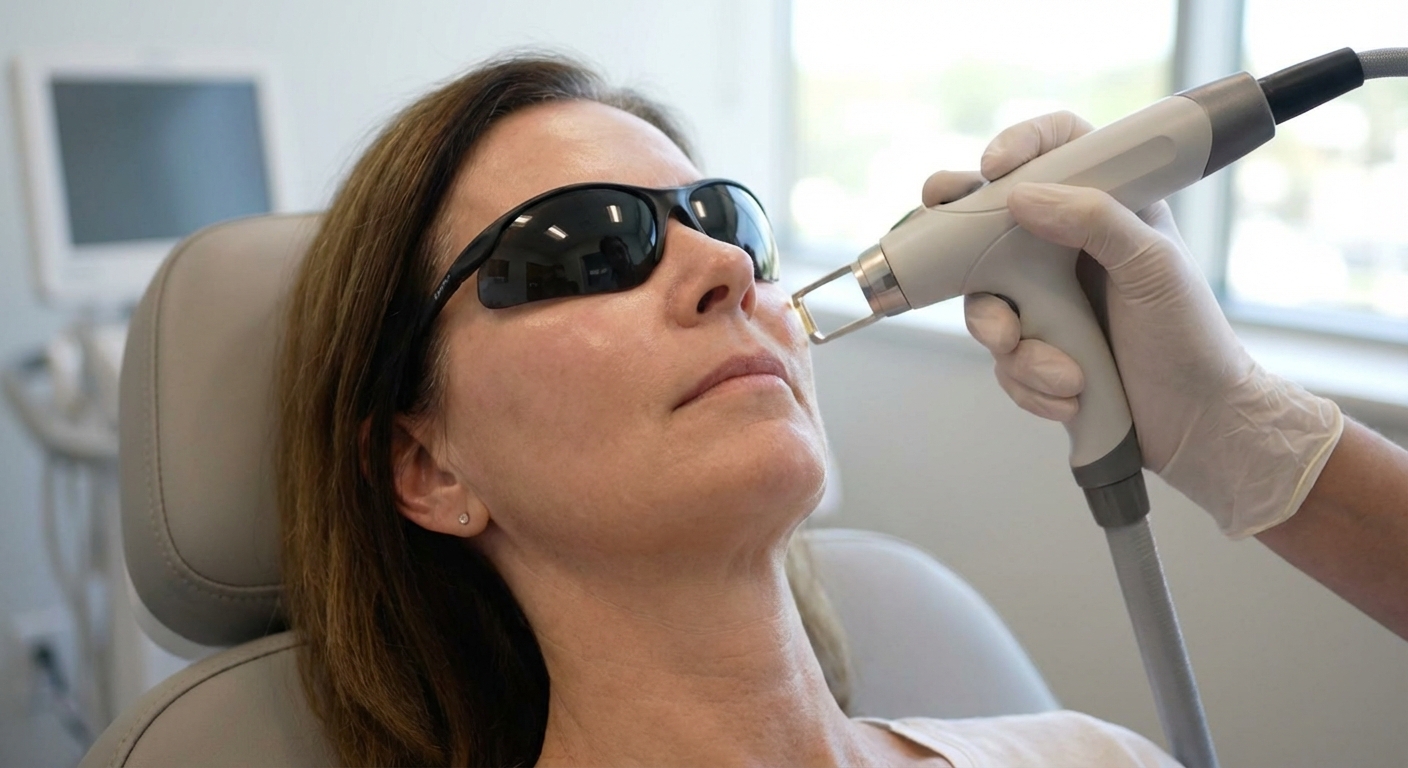
When I tested microneedling with a pro (not a home roller), I noticed tighter, smoother skin about a month later. There’s evidence that controlled micro‑injuries can stimulate collagen.
Cons:- Downtime: redness for 1–3 days
- Can be pricey
- Must be done by trained professionals to avoid scars or infection
Injectables (Botox, Fillers)
I haven’t done them yet, but I’ve spoken with dermatologists and friends who have.
Botox:
- Pros: Great for dynamic wrinkles (frown lines, crow’s feet)
- Cons: Temporary (3–4 months), risk of frozen expression if overdone
Fillers:
- Pros: Restore lost volume
- Cons: More risks (lumps, migration, rare but serious vascular complications), must be done by qualified injectors only
For anyone considering this route, my suggestion: research your injector like you’re hiring a surgeon, because you kinda are.
What Actually Matters Most (From Someone Who Tried Too Much)
After years of chasing shiny packaging and “miracle” ingredients, here’s the routine that genuinely made my skin look younger and healthier over time:
- Daily SPF 30+ (no skipping, even at home)
- Gentle cleanser (no harsh foaming, no stripping)
- Retinoid at night, introduced slowly and consistently
- Antioxidant serum (like vitamin C) in the morning
- Barrier‑friendly moisturizer with ceramides/niacinamide
- Decent sleep, lower sugar, less alcohol, and no smoking
All the fancy extras — masks, gadgets, trending actives — are just that: extras.
Youthful skin isn’t about erasing every line; it’s about keeping your skin functional: strong barrier, even tone, healthy collagen, and a glow that doesn’t rely on a ring light. And honestly, the most anti‑aging thing I ever did was stop expecting my skin to look 20 at 40, and instead focus on making it look like the best version of my age.
Sources
- American Academy of Dermatology – Premature aging and sun exposure - How UV light accelerates visible aging
- Harvard Health Publishing – The science of skin care - Evidence-based overview of effective ingredients
- NIH / NCBI – Topical tretinoin in photoaging - Study on tretinoin’s effect on wrinkles and pigmentation
- Cleveland Clinic – Retinol and retinoids for anti-aging - Derm guidance on how and why retinoids work
- Mayo Clinic – Skin care basics - Lifestyle and daily routine advice for healthier skin