Guide to Bohemian Rug Patterns and Design Meaning
She meant it as an insult.
Two weeks later, she texted me a photo of a vintage kilim in her cart.
That’s the thing about Bohemian rugs: they look chaotic at first, but once you understand the patterns and the stories woven into them, they stop being “a lot” and start feeling like poetry under your feet.
In this guide, I’ll walk you through what I’ve learned from sourcing, testing, cleaning, and yes, occasionally ruining Boho rugs over the years—what the patterns mean, how to read the designs, and how to use them in a real home where people actually spill coffee.
What Actually Makes a Rug “Bohemian”?
When I first started shopping, I thought “Bohemian” was just code for “color explosion.” That’s only half true.
Bohemian-style rugs usually have:
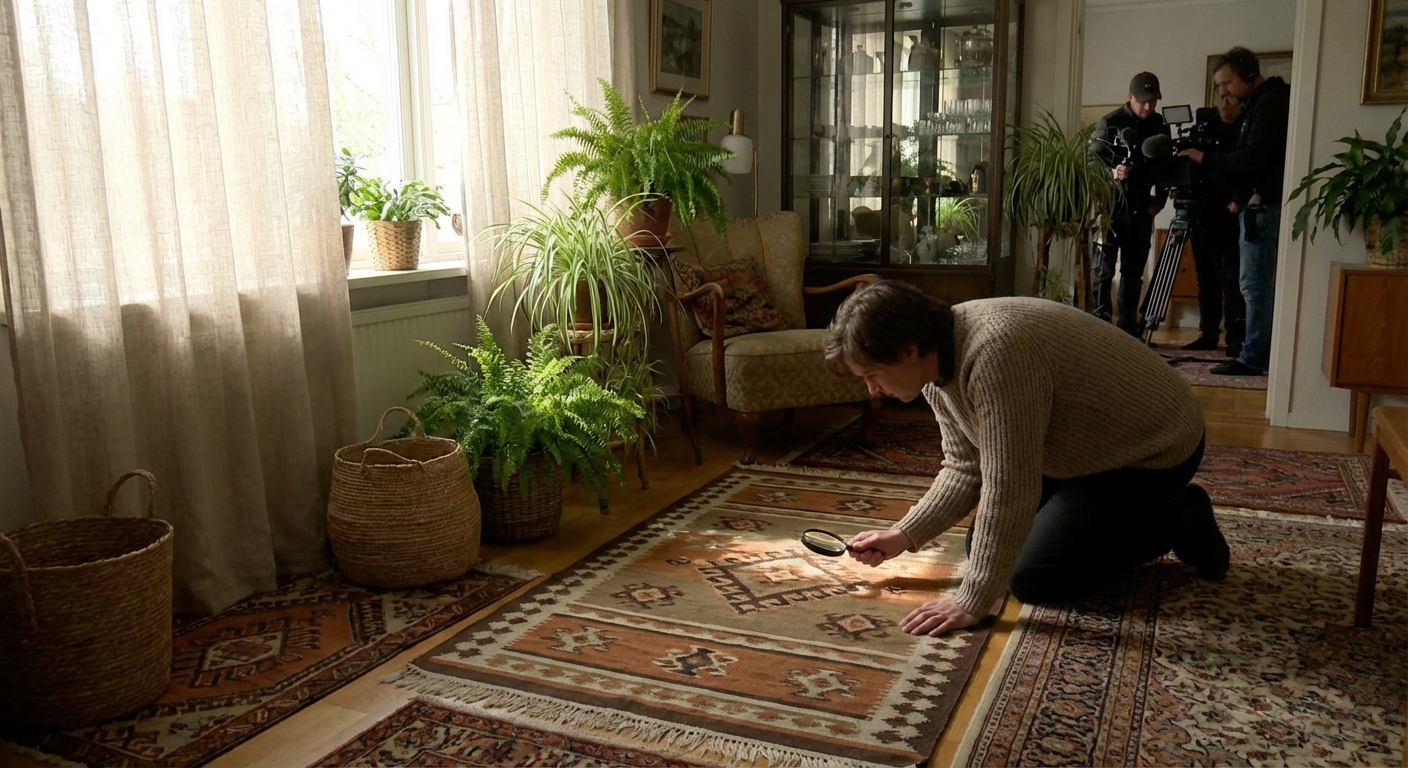
- Layered patterns from different cultures (Moroccan, Turkish, Persian, Berber, Indian)
- Slightly imperfect, hand-drawn looking motifs
- Colorful palettes (but sometimes surprisingly neutral)
- A relaxed, collected-over-time vibe instead of a perfect catalog match set
The style pulls heavily from traditional rug-making regions: Morocco, Turkey, Iran, India, and the Caucasus. Interior designers like Justina Blakeney (author of The New Bohemians) helped push this layered, global look into mainstream interiors around 2015–2017.
In my experience, the most convincing Bohemian rugs aren’t the ones screaming with color; they’re the ones that look like they could have a story behind them.
Common Bohemian Rug Types You’ll See Everywhere
When I tested rugs for clients’ homes (and my own), I kept running into the same core styles. Once you can identify these, online shopping stops being so overwhelming.
1. Moroccan Beni Ourain: The Minimalist Boho
I bought my first Beni Ourain after seeing it all over design blogs.
Look:- Cream or ivory wool
- Simple, often asymmetrical black or brown diamonds
- Plush, shaggy pile
Anthropologists and rug historians note that many Berber symbols come from Amazigh (Indigenous North African) storytelling:
- Diamonds: protection, fertility, womanhood
- X and cross shapes: warding off evil, blessings
- Lines and ladders: journeys, life paths
Of course, modern mass-produced versions often copy the pattern purely for aesthetics, but the layout is inspired by these tribal pieces.
Pros: Cozy underfoot, works with minimal or Scandinavian interiors. Cons: As I learned the hard way, white shag wool + red wine = lifelong regret. If you have pets or kids, get a low-pile, washable Beni-style instead of true shag.2. Kilim Rugs: Flatweave, Graphic, and Tough
When I tested rugs in a high-traffic hallway, every plush rug lost the battle. The only one that survived: a vintage Turkish kilim.
Look:- Flat, no pile
- Bold geometric patterns
- Often reversible
According to textile researchers and museums, traditional kilims are like woven diaries. Common motifs include:
- Elibelinde (hands-on-hips female figure): womanhood, fertility, strength
- Ram’s horn: power, masculinity, protection
- Evil eye shapes: protection from jealousy and misfortune
- Hook and comb motifs: marriage, domestic life, cleansing
I remember unrolling one kilim in a client’s dining room and explaining the ram’s horn motif on the border. Her husband instantly loved it once he heard “symbol of strength” instead of “just triangles.”
Pros: Durable, easy to layer, great for under dining tables. Cons: Less cushion; you may want a rug pad for comfort and to keep it from sliding.3. Persian & Persian-Inspired Boho Rugs
If you’ve ever fallen for a deep red, intricate rug on Instagram, there’s a good chance it’s Persian-inspired.
Look:- Central medallion or all-over pattern
- Floral or curvilinear motifs
- Rich reds, blues, and neutrals
Traditional Persian rugs often include:
- Medallion: unity, a focal “center of the universe” concept
- Garden patterns: paradise, peace (linked to Persian garden design)
- Palmettes and vines: life, growth, continuity
One of my favorite design tricks: pairing a heavily detailed Persian rug with very simple, clean-lined furniture. The contrast makes the rug feel intentional, not fussy.
Pros: Timeless, hides stains really well thanks to busy patterning. Cons: Authentic hand-knotted pieces can be expensive. There are good power-loomed versions, but they won’t age or patina the same way.4. Global-Inspired “Boho” Rugs (The Honest Truth)
Let’s be real: a huge chunk of what’s labeled “Bohemian rug” on big-box sites is machine-made, design-mashed, and not tied to a single tradition.
I used to side-eye these, but after testing them in rentals and kid-heavy spaces, I’ve softened.
Pros:- Affordable
- Often stain-resistant, washable
- Easy way to experiment with color and pattern
- Design meanings are usually surface-level or purely decorative
- Fiber quality and longevity vary wildly
If you care about authenticity and cultural heritage, look for brands that clearly label origin, weaving method (hand-knotted, hand-loomed, flatweave), and fiber content.
How to Read Bohemian Rug Patterns Like a Pro
When I stopped looking at rugs as just “pretty” and started reading them like stories, my buying decisions got way better.
Here’s how I decode them now.
1. Start with the Layout
- Central medallion: More formal, traditional; great for dining rooms and living rooms where you want a focal point.
- All-over pattern: Feels casual and relaxed; perfect for Boho layering and awkwardly shaped rooms.
- Border vs. no border: A strong border frames a space; no border feels more modern and free-flowing.
2. Notice the Geometry
- Straight lines and sharp angles: Common in kilims and tribal rugs—feel energetic, graphic.
- Curved vines and florals: Softer, more romantic—common in Persian and Oriental designs.
When I tested a bold geometric Moroccan rug in a tiny studio, it made the room buzz a little too much. Swapping to a softer, curvilinear pattern instantly calmed the space down.
3. Color = Mood
In my experience, color choices are where people make or break the Boho look:
- Neutrals (ivory, beige, warm gray): Great base for layered textiles and colorful art.
- Deep reds and blues: Cozy, traditional, grounding.
- Pinks, rusts, and terra-cottas: Trendy Boho, photograph beautifully in natural light.
- High-contrast black and white: Modern Boho, but can dominate a small room if you’re not careful.
A practical note from many coffee spills: mid-tone, slightly mottled colors hide dirt and wear best. High-contrast white-and-black rugs look incredible for about three weeks.
Using Bohemian Rugs in Real Homes (Not Just Pinterest)
Layering Without Chaos
I was anti-layering for years—until a stylist friend layered a faded kilim over my too-small jute rug. It instantly looked intentional instead of “oops, wrong size.”
For layering:
- Use a neutral, natural-fiber base (jute, sisal) one size larger
- Layer a patterned Boho rug on top at a slight angle
- Keep one common color running through both rugs (even if it’s just a warm undertone)
Room-by-Room Tips
- Living room: Go one size larger than you think; at least the front legs of your sofa on the rug. Boho patterns feel more cohesive at larger scale.
- Dining room: Flatweave or low pile so chairs slide easily.
- Bedroom: Plush or medium pile feels best under bare feet. Patterns help hide dust bunnies.
- Entryway: Darker, busier patterns in durable fibers; this is where shoes lie.
Fibers, Maintenance, and What I Wish I Knew Earlier
I once bought a gorgeous viscose “Moroccan-inspired” rug that looked like liquid silk… for exactly three weeks. Then traffic marks, water stains, and permanent dents showed up.
From that painful experiment, here’s what’s worked better:
- Wool: Gold standard for Boho rugs. Naturally stain-resistant, durable, ages well. Costs more upfront but usually outlasts synthetics.
- Cotton flatweaves: Affordable, easy to shake out, but can fade faster in strong sun.
- Polypropylene / polyester: Budget-friendly and often washable; great for rentals, pets, kids. But they don’t develop the same patina or depth.
For maintenance, I follow the basic guidance many rug experts give:
- Vacuum regularly (suction only for shag, no beater bar)
- Rotate rugs every 6–12 months to even out wear
- Spot clean spills immediately—blot, don’t rub
- Professional cleaning every few years for wool and high-quality pieces
No rug is “no-maintenance.” The trick is matching your tolerance level to the fiber and pattern. Busy Boho patterns are incredibly forgiving; they hide a multitude of real-life sins.
Cultural Respect vs. Aesthetic Shopping
One thing I’ve had to reckon with over time: loving Bohemian style also means acknowledging where these designs came from.
When I started asking sellers more questions—Who made this? Is it handwoven? Is the origin clear?—I noticed a big difference in transparency.
Some practical ways to be more mindful:
- Seek shops that name the region and style (e.g., “Beni Ourain, Middle Atlas, Morocco” rather than just “tribal rug”).
- Consider buying at least one authentic, fairly compensated piece if your budget allows, then mix with more affordable lookalikes.
- Avoid marketing that exoticizes or stereotypes the cultures behind the designs.
It’s totally fine to buy a machine-made Boho rug from a big-box store—just go in with open eyes about what you’re getting and why it costs what it does.
Final Thoughts: Let the Rug Tell Your Story Too
The longer I’ve lived with Bohemian rugs, the less I try to find the “perfect” one and the more I ask, Can I live with this story under my feet every day?
Some designs carry centuries of symbolism. Others are purely decorative. Either way, once you understand the language—diamonds, medallions, borders, colors—you’re not just buying something that looks cool on Instagram.
You’re choosing a backdrop for real life: coffee spills, movie nights, kids’ forts, the dog’s favorite nap spot.
And if your sister walks in and says, “That’s… a lot,” just wait two weeks.
She’ll probably send you a rug screenshot asking, “Do these patterns go together?”
Sources
- Metropolitan Museum of Art – Anatolian Kilims – Background on kilim symbolism and motifs
- Victoria and Albert Museum – Carpets and Rugs Collection – Overview of Persian and Oriental rug design traditions
- Smithsonian – Moroccan Berber Textiles – Context on Berber weaving and cultural meaning
- University of Washington – Guide to Oriental Rugs – Educational resource on rug patterns, regions, and construction
- U.S. Federal Trade Commission – Wool Products Labeling Act – Guidance on fiber labeling and what rug buyers should look for