Guide to Caring for Teacup Dogs Safely
They’re ridiculously cute, ridiculously tiny, and—if you’re not careful—ridiculously fragile.
Over the past few years I’ve fostered and worked around a handful of teacup Yorkies, Chihuahuas, and “micro” Pomeranians. I’ve seen what happens when they’re cared for properly… and when they’re treated like fashion accessories instead of living, breathing dogs.
This guide is everything I wish someone had handed me before I ever picked one up.
What “Teacup” Really Means (And Why Vets Hate the Word)
When I first started researching teacup dogs, I thought they were an actual breed category. They’re not.
“Teacup” is a marketing term, not a recognized size by the American Kennel Club (AKC). Breeds often sold as teacups include:- Chihuahua
- Yorkshire Terrier
- Pomeranian
- Maltese
- Poodle mixes (like teacup Maltipoo)
Breeders usually create them by breeding the smallest (often runts) of the litter together. That’s where the problems start. Dr. Judy Morgan, a holistic veterinarian, has talked openly about how this kind of selective breeding can increase the risk of congenital issues, bone fragility, and organ problems.
When I asked one local vet about “teacups,” she just sighed and said, “They’re basically dogs whose health has been compromised for aesthetics.” That sentence stuck with me.
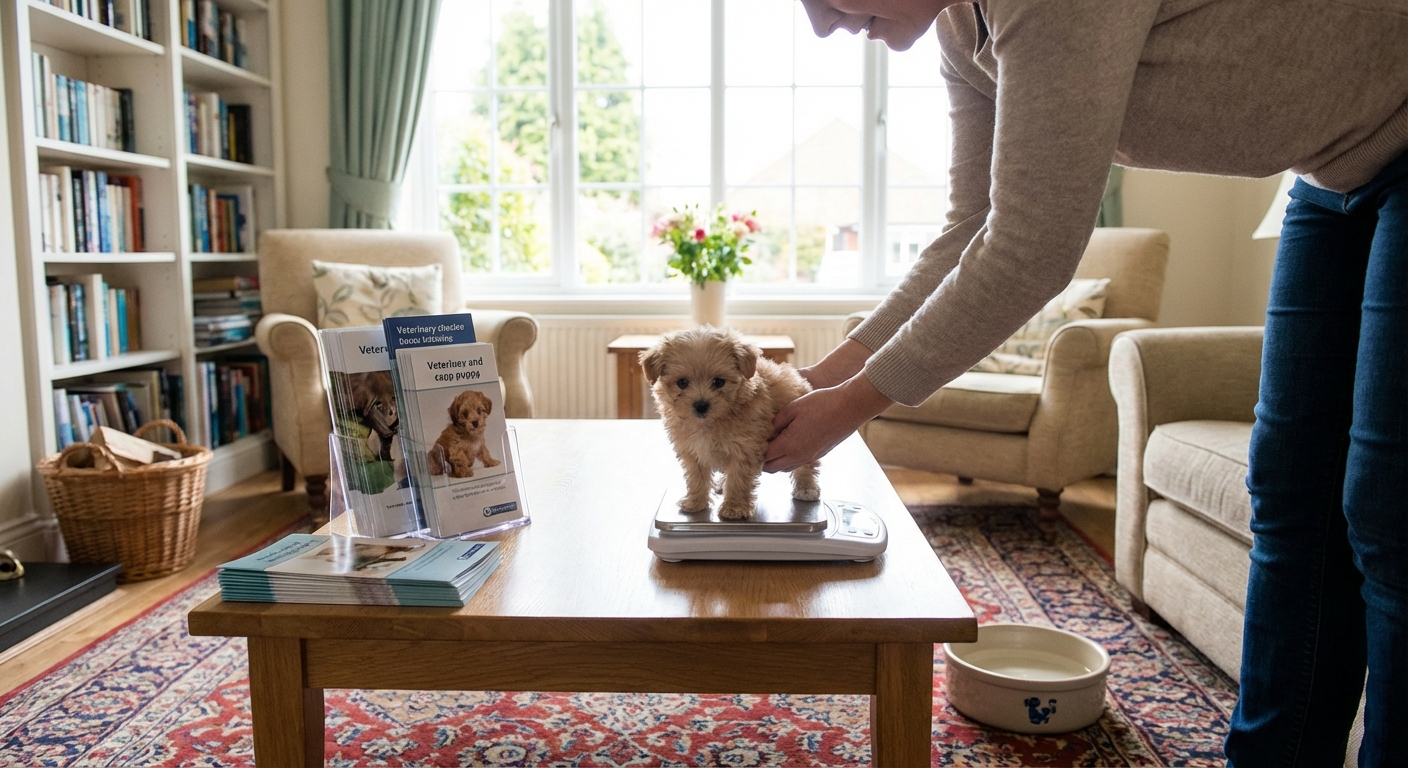
So yes, they can be loving, amazing companions. But going in with your eyes open is part of caring for them safely.
The Hidden Health Risks No One Puts in the Instagram Caption
In my experience, the biggest shock for new teacup owners is how many “little quirks” are actually serious medical risks.
Here are some of the most common issues I’ve seen (and freaked out over):
1. Hypoglycemia (Blood Sugar Crashes)
The first teacup Yorkie I fostered suddenly went limp in my hands one morning. I thought she was dying. The emergency vet calmly checked her glucose: super low.
Tiny dogs have tiny energy reserves. They can’t go long without food. Symptoms of hypoglycemia include:
- Wobbliness
- Lethargy
- Trembling
- Seeming “out of it” or glassy-eyed
The vet had me rub a dab of Karo syrup on her gums while we waited for treatment. I now keep a small tube of dog-safe glucose gel in my cabinet just for this.
2. Fragile Bones
According to the American Veterinary Medical Association, toy breeds are already prone to fractures; when you shrink them even more, it gets worse.
One Chihuahua I met at a clinic had broken a leg from jumping off a couch. Not a balcony. Not stairs. A couch.
Teacup bones are like chalk. You can’t treat them like regular dogs that can launch off furniture like parkour champions.
3. Organ and Dental Problems
Because of their size, teacup dogs are more likely to have:
- Heart murmurs and congenital heart defects
- Liver shunts (common in very small Yorkies)
- Dental crowding and retained baby teeth
A 2013 study in the Journal of Small Animal Practice highlighted how toy breeds are overrepresented for dental disease and congenital issues. Shrinking them further doesn’t help.
Setting Up a Safe Home (Think Baby-Proofing, But More Extreme)
When I tested my own apartment for “teacup safety,” I realized how many tiny death traps I had lying around.
Here’s what actually made a difference:
Floor-Level Living
I started by creating one main “safe zone”:
- A sturdy playpen or x-pen
- Soft, non-slip bedding
- A low, weighted water bowl
- A shallow food dish
This way, when I couldn’t actively supervise, they weren’t free-ranging across hard floors and furniture.
I also:
- Used non-slip rugs on tile and wood floors (tiny paws slide easily)
- Blocked off stairs with baby gates
- Banned couch jumping by either using ramps or just always lifting them up and down
One thing I learned the hard way: no dangling cables. A teacup can get tangled in a phone charger faster than you’d think.
Temperature Control
Small dogs lose body heat fast. I watched a foster shiver in an air-conditioned room that felt totally fine to me.
Now I:
- Keep their area between 68–75°F (20–24°C)
- Use a low-wattage heating pad under one side of the bed (so they can move away if too warm)
- Avoid leaving them outside for long, even “just 10 minutes” in winter
Heat is just as dangerous. Because of their size, overheating and heatstroke can sneak up quickly, especially in brachycephalic (short-nosed) mixes.
Feeding Teacup Dogs Safely (It’s Not Just About Tiny Kibble)
When I asked my vet how often to feed a 2-pound Pomeranian, she said, “Think snacks, not meals.” That mental shift helped.
Frequent, Small Meals
To prevent hypoglycemia, I usually aim for:
- 3–4 small meals per day for adults
- Even more frequent meals for puppies (sometimes every 3–4 hours, as per vet guidance)
I’ve had good experiences with high-quality small-breed formulas that are energy-dense and have appropriately sized kibble. Brands will sometimes label these for toy or small breeds specifically.
Watch the Treats
With a bigger dog, a couple of extra treats are no big deal. With a 3-pound dog, that can be like you downing three cheeseburgers in an afternoon.
I limit treats to no more than 10% of daily calories and lean toward:
- Tiny training treats
- Freeze-dried single-ingredient meats
Toxic Foods Are Extra Dangerous
Because of their size, even small amounts of toxic foods can be more serious. The ASPCA’s Animal Poison Control Center calls out:
- Chocolate
- Xylitol (found in sugar-free gum/candy)
- Grapes and raisins
- Onions and garlic
I treat my teacup dogs like vacuum cleaners with legs—and keep everything suspect well out of reach.
Vet Care: Non-Negotiable (And Often Not Cheap)
Teacup dogs aren’t low-maintenance; they’re high-maintenance in a small package.
In my experience, the most reliable routine looks like this:
- Wellness exams at least twice a year, not just annually
- Baseline bloodwork to screen for issues like liver shunts
- Early and consistent dental care (I’ve seen teacups lose half their teeth before age 5)
- Very cautious anesthesia protocols for any procedures (dental cleanings, spay/neuter)
The American College of Veterinary Anesthesia and Analgesia notes that toy dogs are more sensitive to anesthesia dosage errors. I always make sure the clinic uses:
- Pre-op bloodwork
- Precise weight-based dosing
- Continuous monitoring (including temperature) during procedures
If you’re budgeting, be realistic: in my own spreadsheet, my teacup fosters have consistently cost more per year in vet care than medium-size dogs.
Handling, Exercise & Socialization Without Breaking Them
The number of accidental injuries I’ve heard that start with “I just picked her up…” is honestly scary.
Safe Handling
Here’s what I now do automatically:
- Always support the chest and hindquarters with both hands
- Keep them close to my body when moving
- Never let kids carry them around unsupervised
I also teach a “floor rule” with visitors: if you’re standing, don’t hold the dog. Sit down first.
Exercise, But Gentle
Teacup dogs still need movement and mental stimulation, just not triathlon-level.
What’s worked well:
- Several short walks instead of one long one
- Indoor play with soft toys
- Simple scent games (treats hidden in a snuffle mat)
I avoid:
- Rough play with bigger dogs
- Dog parks where larger dogs are off-leash
- Jump-heavy games like Frisbee or intense fetch
Socialization
When I tested different social situations, I noticed these dogs got overwhelmed quickly in loud or crowded places.
So I:
- Introduce new people and animals gradually
- Use a secure harness in public, not a collar (tracheal collapse is a real risk in toy breeds)
- Create “safe retreats” at home where they can escape noise and chaos
The Ethical Question: Should You Get a Teacup Dog At All?
I’d feel dishonest if I didn’t talk about this.
There’s ongoing debate—both in veterinary circles and among responsible breeders—about whether teacup breeding is humane.
From what I’ve seen and read:
- Many teacup dogs live with chronic health problems.
- Some breeders prioritize size over health testing.
- Shelters and rescues are increasingly seeing surrendered teacup dogs because of unexpected medical costs.
If you’re drawn to tiny dogs, I’d strongly consider:
- Adopting from a rescue that specializes in small or toy breeds
- Choosing a reputable breeder who breeds within standard toy-size ranges, not “micro” or “teacup” extremes
And if you already have a teacup dog? You’re not the villain of the story. The most ethical thing you can do now is give them the safest, healthiest life you can.
Final Thoughts: Tiny Dog, Big Responsibility
When I think back to that first wobbly teacup Yorkie in my hands, I remember how scared I was of doing something wrong. Over time, I realized it’s less about being perfect and more about being intentional.
Teacup dogs aren’t toys. They’re delicate, complex little animals who need:
- Extra-safe environments
- Thoughtful feeding routines
- Frequent, proactive vet care
- Gentle handling and realistic expectations
If you’re willing to adjust your home, your schedule, and your budget, they can be incredibly affectionate companions. But the trade-off for all that cuteness is a lifetime commitment to managing their vulnerabilities.
And honestly? When a 3-pound dog curls up on your chest and sighs like you’re their whole universe—it’s hard not to think the effort’s worth it.
Sources
- American Kennel Club – Small Dog Health Issues - Overview of common health problems in toy breeds
- ASPCA – People Foods to Avoid Feeding Your Pets - List of toxic foods for dogs and cats
- AVMA – Small Dogs, Big Concerns - AVMA guidance on toy and small-breed health challenges
- Cornell University College of Veterinary Medicine – Anesthesia of Small Animals - Considerations for anesthesia in small dogs
- Journal of Small Animal Practice – Breed-related disorders in dogs (2013) - Research on breed and size-related health conditions