Understanding Dog Diets and Healthier Treat Choices
ously shrinking waistline… in the wrong direction.**
I went down the rabbit hole of dog nutrition, talked to vets, pored over research papers, tested different treats with my own dogs, and realized: most of us love our dogs so much we’re literally loving them into obesity.
This isn’t a guilt trip. It’s a "hey, let’s do better together" guide.
The Big Picture: What Your Dog’s Body Actually Needs
When I first started reading dog food labels, I felt like I was decoding a secret message: crude protein, metabolizable energy, guaranteed analysis… and I’m sitting there with my coffee like, “Say it in normal people language, please.”
Here’s the distilled version of what dogs generally need:
- Protein: For muscles, skin, coat, immune system. Dogs are omnivores but lean heavily carnivorous.
- Fats: Main energy source, and vital for skin, hormones, and brain function. Not the enemy—just dose-sensitive.
- Carbs & Fiber: Not strictly essential, but helpful for energy and gut health when used well.
- Vitamins & Minerals: Think calcium, phosphorus, zinc, B vitamins, etc. These must be balanced, not guessed.
- Water: Sounds obvious, but dehydration quietly wrecks everything.
Most complete commercial diets (kibble or wet food) are formulated to meet AAFCO (Association of American Feed Control Officials) nutrient profiles. That’s the baseline I always look for on a label now: “Formulated to meet the nutritional levels established by the AAFCO Dog Food Nutrient Profiles…”

When I tested different foods with my own dogs, the biggest difference I noticed wasn’t just in poop consistency (though yeah, that too), but in energy, coat quality, and weight stability after about 4–6 weeks.
The Problem With “It’s Just One Little Treat”
One of the wake-up calls for me came from my vet, who said:
> “One small cookie for a dog can be like a whole donut for you.”
That stuck with me.
The 2018 survey from the Association for Pet Obesity Prevention estimated that about 56% of dogs in the U.S. are overweight or obese. And a surprising chunk of that comes from treats, table scraps, and “small extras” we don’t count.
The calorie trap
I once tracked my dog’s daily calorie intake for a week. It was humbling:
- Regular food: perfect amount.
- Treats: accidentally added 25–35% more calories.
Most behaviorists and vets I’ve spoken to recommend that treats should be no more than 10% of your dog’s daily calories. Go beyond that day after day, and you’re on the slow-motion train to weight gain, joint issues, and pancreatitis.
Reading Dog Food & Treat Labels Without Losing Your Mind
The first time I flipped a treat bag over and read the ingredients, I said out loud: "Oof, that’s… a lot of mystery."
Here’s how I read labels now, in real-life terms.
1. Look at the first 3 ingredients
They give you the real story:
- Good sign: named proteins like chicken, turkey, salmon, beef liver.
- Meh sign: vague stuff like “meat by-product” or “animal digest” without specifying the animal.
By-products aren’t automatically evil; some are rich in nutrients. But vague labeling makes it hard to judge quality.
2. Check the guaranteed analysis
On treats, I look for:
- Protein
- Fat
- Fiber
- Moisture
If fat is sky-high and fiber is almost zero, I mentally put that into the “party food, not everyday” category.
3. Scan for sugar bombs and junk
I avoid treats where the early ingredients include:
- Sugar, sucrose, dextrose
- Corn syrup
- Artificial colors (e.g., Red 40, Yellow 5)
My dogs don’t care what color a biscuit is. That’s marketing for us, not nutrition for them.
Types of Dog Diets: What I’ve Tried (and What I’d Think Twice About)
I’ve experimented with a few different feeding approaches over the years, always with my vet on speed dial.
1. Commercial kibble and wet food
Pros (in my experience):- Convenient, consistent, usually balanced if AAFCO-compliant
- Easy to measure calories
- Great options for specific needs (renal support, weight loss, allergies)
- Quality ranges wildly between brands
- Some dogs find kibble boring or too hard on teeth if they already have dental issues
I’ve found higher-quality kibble (with identifiable animal protein and not stuffed with cheap fillers) made a visible difference in coat and stool.
2. Raw feeding (BARF, prey model, etc.)
I tried a structured raw diet for a few months.
What I noticed:- Gorgeous coat, small stools, and my dogs loved it like it was Christmas twice a day.
- Handling raw meat daily isn’t fun if you’re squeamish
- You must understand calcium:phosphorus ratios, organ percentages, and overall balance
- There’s a real bacterial risk (Salmonella, Listeria) for humans and dogs, especially for kids, elderly people, or immunocompromised family members
A 2019 CDC advisory and multiple studies have flagged raw diets as higher risk for bacterial contamination. There’s also research in The Veterinary Record (2018) finding antibiotic-resistant bacteria in some raw pet foods.
Would I do raw again? Maybe, but only with a board-certified veterinary nutritionist guiding the formula, or a reputable commercial raw company with strict testing.
3. Home-cooked diets
This one appeals to the control freak in me.
When I tried home-cooking (chicken, sweet potato, some veggies), my dog loved it—but my vet sent me a study from UC Davis (2013) showing the vast majority of home-cooked dog diets found online were nutritionally unbalanced.
Now, if I home-cook, I only do it with:
- A veterinary nutritionist–formulated recipe, and
- A proper supplement mix designed for home diets
4. Prescription and veterinary diets
I used a prescription weight-loss diet for one of my dogs. It wasn’t glamorous, but it worked.
They’re not marketing fluff; they’re usually backed by clinical trials. Downsides: price and sometimes palatability. One of my dogs would’ve happily traded his kidney support kibble for literally any dead leaf on the sidewalk.
Healthier Treat Choices That Actually Work in Real Life
I’ve tested a lot of treats over the years—store-bought, homemade, crunchy, chewy, freeze-dried, you name it.
Here’s what’s consistently worked well.
1. Single-ingredient treats
These are my personal MVPs.
Examples:
- Freeze-dried beef liver
- Dehydrated salmon
- Freeze-dried chicken breast
- High-value for training
- Usually high protein, low junk
- Fewer ingredients = fewer chances for allergies to flare
Downside: You need to watch portion size because they can be calorie-dense.
2. Whole “human” foods (used smartly)
Things I’ve used successfully as treats:
- Carrot coins – crunchy, low-cal, my lab thinks they’re treasure
- Green beans – great for “filler” treats on diet plans
- Apple slices (no seeds, no core) – sweet, hydrating
- Plain cooked chicken breast – training gold
I always introduce new foods in tiny amounts first to check for tummy upset.
Foods I absolutely skip for safety reasons:
- Grapes/raisins
- Onion, garlic
- Xylitol (often in sugar-free peanut butter, gums)
- Macadamia nuts
- Chocolate
3. Low-cal training treats
When I was doing heavy training sessions—like recall and leash reactivity work—I needed lots of repetitions. Using high-calorie biscuits was a disaster for weight.
What worked better:
- Very small, soft training treats (1–3 kcal each)
- Cutting larger treats into tiny pea-sized bits
- Mixing a few “jackpot” high-value treats into a bag of lower-cal ones
I now think of training treats as “behavior currency”—small denominations, used frequently.
4. Dental chews and long-lasting chews
Dental chews can genuinely help reduce tartar if used consistently, though they’re not a stand-in for dental cleanings.
My rules of thumb:
- I avoid super-hard chews (like real bones, antlers, hooves) because I’ve seen too many cracked teeth in friends’ dogs
- I supervise anything that can become swallowable chunks
My own dogs do well with vet-approved dental chews a few times a week. I count the calories into their daily allowance.
How I Balance Treats Without Being the “Boring” Dog Parent
Here’s the simple framework I use now:
- Figure out daily calories (your vet can help; many brands list guidelines).
- Reserve ~10% for treats.
- On high-training days, I slightly reduce meal portions to make room for the extra treat calories.
- Keep a mix of:
- High-value training treats (small, soft)
- Low-cal bulk treats (veggies, low-cal commercial bites)
- Occasional “event treats” (like a special chew)
And I try not to equate love with food. More play, more sniff walks, more enrichment toys. Less reflexive “Here, have a cookie.”
When You Should Talk to Your Vet Before Changing Anything
There are a few situations where I don’t DIY diet changes anymore:
- Chronic issues like kidney disease, pancreatitis, diabetes, or serious allergies
- Rapid weight gain or loss
- Persistent digestive problems (diarrhea, vomiting, gas, weird stools)
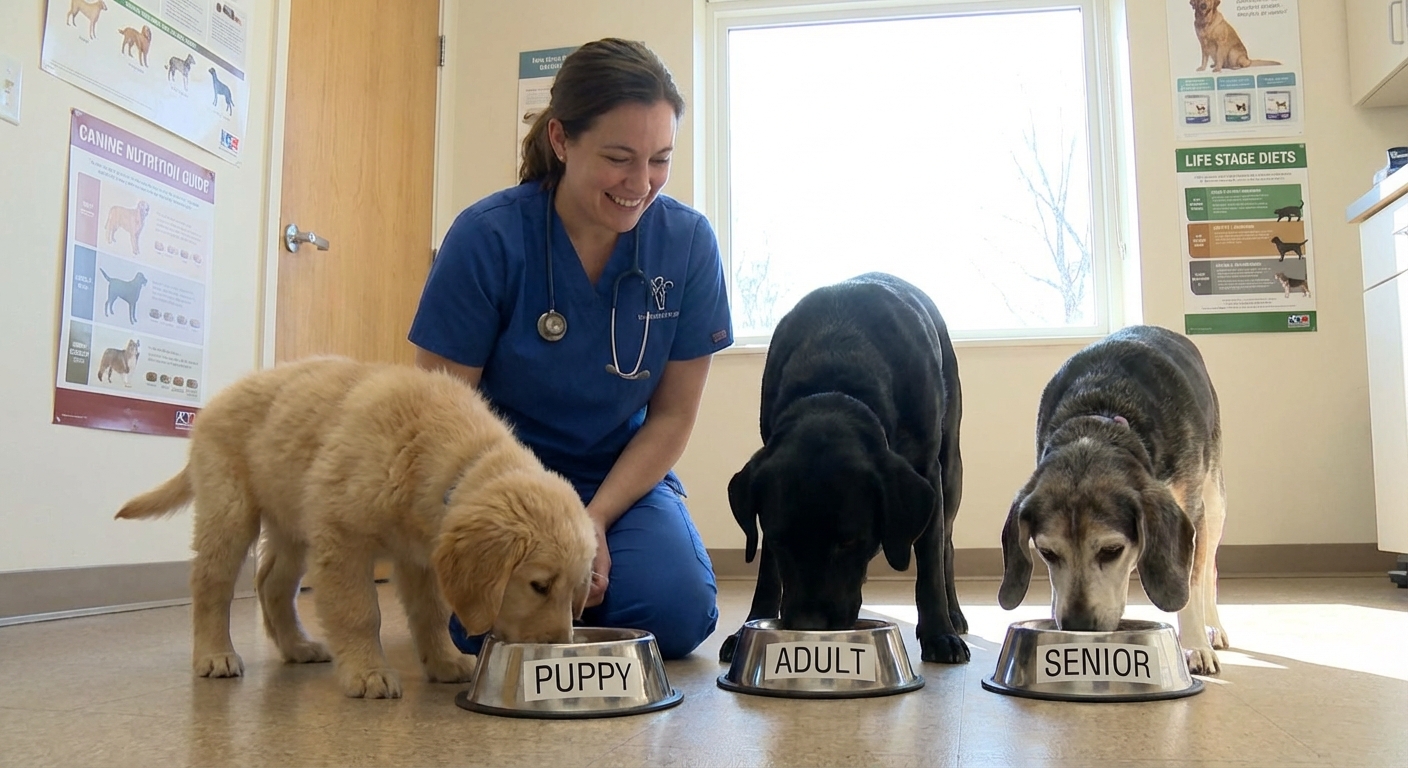
- Puppies, seniors, and pregnant/lactating dogs – their needs are very specific
In my experience, a 20-minute nutrition chat with a vet or a board-certified veterinary nutritionist beats months of guesswork.
The Takeaway I Wish I’d Learned Sooner
What I feed my dogs now is a lot less “Instagram cute” and a lot more “quietly functional.”
- A balanced, AAFCO-compliant main diet that fits their age and health
- Treats capped at about 10% of daily calories
- More single-ingredient and low-junk treats
- Occasional fun extras that don’t wreck the overall pattern
My dogs are leaner, their energy is steadier, and I don’t get that nagging guilt when I hand over a snack.
If you tweak just one thing this week, try this: measure how many treats your dog actually gets in a day. That one small awareness shift completely changed how I feed mine.
Sources
- Association for Pet Obesity Prevention – 2018 Pet Obesity Survey Results - Data on prevalence of obesity in dogs and cats
- U.S. Food & Drug Administration – Get the Facts About Raw Pet Food Diets - FDA guidance and safety concerns about raw diets
- UC Davis School of Veterinary Medicine – Many Home-Prepared Dog Diets Lack Essential Nutrients - Research on nutritional imbalances in home-cooked dog diets
- American Kennel Club – Dog Nutrition: What & How Much to Feed Dogs - Overview of dog nutrition and feeding guidelines
- CDC – Pet Food Safety (Including Raw Food) - Public health perspective on handling pet food and raw diets