Guide to Choosing Comfortable Leather Seats for Long Use
I’ve spent way too many hours testing leather car seats, office chairs, and home seating for reviews, and I’ve learned there’s a huge difference between “looks premium” and “actually comfortable after three hours”. Leather can be luxurious… or a slippery, sweaty nightmare.
Let me walk you through what I actually look for now when I know I’ll be sitting for long stretches.
Start with the Leather Type (This Matters More Than the Color)
When I first started reviewing seats, I honestly thought leather was leather. Then I sat on a cheap “leather” office chair for a full workday. By 3 p.m., it had already started creasing and the surface felt sticky. That’s when I went down the leather rabbit hole.
1. Full-Grain Leather
This is the good stuff. It keeps the natural grain of the hide.
Why it’s great for long use:- More breathable than cheaper processed leather
- Ages well and softens over time
- Durable enough to handle daily use for years
2. Top-Grain Leather
Slightly sanded or corrected to remove imperfections, but still real quality leather.
In my experience, top-grain is the sweet spot for comfort + price. It’s usually softer out of the box than full-grain and still holds up really well.
3. Split Leather / Bonded Leather
This is where things get tricky.
- Split leather is made from the lower layers of the hide. It’s cheaper and usually stiffer.
- Bonded leather is basically leather dust or scraps glued together with polyurethane.
When I tested bonded leather office chairs, they looked great for the first few months. Around month six, the top layer started peeling. Not only does that look terrible, it feels awful on bare skin and tends to trap heat.
If you want comfort over years, not weeks: avoid bonded leather for anything you’ll sit on daily.Comfort Starts Under the Leather: Foam, Support, and Shape
Leather is just the skin. The real comfort comes from what’s underneath.
Cushion Density and Thickness
On one long road trip, I swapped between two cars: one with soft, squishy seats and one with firmer, supportive ones. Guess which one killed my back? The super soft one.
What I look for now:- High-density foam (manufacturers sometimes call it "HR foam" or high-resilience foam)
- Enough thickness that you don’t feel the frame or base after an hour
Soft doesn’t automatically mean comfortable. The ideal seat has a supportive core with just enough plushness on top.
Ergonomic Shape
I once tested an expensive leather office chair that looked like a CEO’s throne… and my lower back hated me after two days. The problem wasn’t the leather; it was the shape.
For long-term comfort, I look for:
- Lumbar support that actually matches the curve of your lower back
- A slight waterfall front edge on chairs to reduce pressure behind the knees
- In car seats, good thigh support and side bolsters that don’t pinch
If you can, sit in the seat for at least 10–15 minutes. Your body will tell you more than the spec sheet.
Breathability: Will You Stick to It in Summer?
This is the part nobody mentions in glossy marketing photos.
On a hot day, I used to dread getting into my old leather car. The seats turned into a frying pan, and I’d do that awkward half-hover until the AC kicked in. After that, I started paying way more attention to ventilation and finish.
Perforated vs. Solid Leather
Perforated leather (those tiny holes you see in the seat) isn’t just for looks.
From my testing:
- Perforated leather feels noticeably cooler on long drives
- It works better with ventilated/“cooled” seats in cars
- It allows a bit more flex and softness
If you live somewhere warm or you’re a “run hot” person, perforated beats solid every time for long sessions.
Finish and Coatings
Most automotive and office leathers have a protective coating. It makes them easier to clean, but too much coating can:
- Reduce breathability
- Make the surface feel plasticky or sticky
I’ve found that high-quality top-grain with a light protective coating hits the best balance: durable, cleanable, but not like sitting on vinyl.
Adjustability: The Secret Weapon for Long Sessions
The best leather in the world can’t save a bad seating position.
When I tested office chairs for a week straight, the ones I kept reaching for were never just the plushest ones — they were the most adjustable.
For Office Chairs
I look for:
- Seat height and seat depth adjustment (crucial if you’re taller or shorter than average)
- Adjustable lumbar support
- Adjustable armrests (at least height; width and angle are a big plus)
Being able to change your posture during the day is huge for comfort.
For Car Seats
On longer trips, I notice a huge difference when the car has:
- Tilt adjustment for the seat base
- Lumbar adjustment (ideally power, so you can fine-tune it)
- Memory presets so you don’t lose that perfect setting
According to ergonomic research from Cornell University, small posture changes and micro-movements significantly reduce discomfort during prolonged sitting.¹ That matches exactly what I’ve felt while testing different setups.
Durability vs. Comfort: Finding the Balance
Leather that’s bulletproof and leather that’s cloud-soft rarely live in the same chair.
In my experience:
- Very thick, heavily coated leather is durable but can feel stiff and hot.
- Ultra-soft, thin aniline leather feels amazing but can scratch, fade, or wear faster.
If you have kids, pets, or high daily use, I’d lean toward:
- Top-grain, semi-aniline or protected leather
- Slightly firmer foam that will hold its shape
If it’s a home reading chair you’ll baby and condition, you can go more premium and delicate.
Try Before You Buy (And What to Check in 60 Seconds)
Whenever I can, I physically sit in the seat before I commit. Here’s my 1-minute checklist when I’m testing:
- Sit as you normally would for work/driving, not in the demo “perfect posture” way.
- Ask yourself in the first 10 seconds: Do I feel any pressure points? Pay attention to lower back, tailbone, and behind the knees.
- Lean back and forward. Does the lumbar support stay in the right place, or disappear?
- Shift a bit. Does the leather grab and squeak, or does it move with you smoothly?
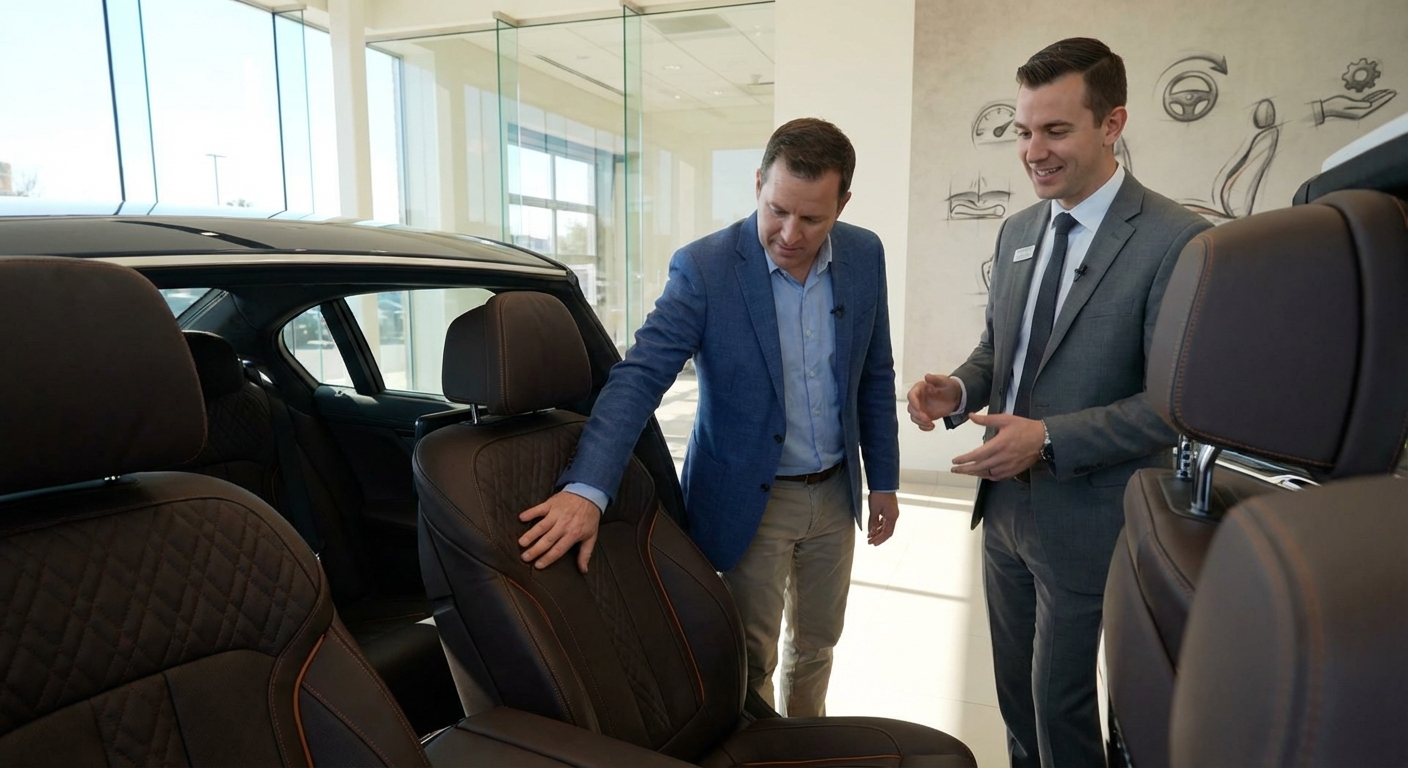
- If it’s in a warm showroom or car lot, notice: Are you already feeling warm spots where your skin touches the leather?
I’ve walked away from more than one “luxury” seat that failed this 60-second test.
Care and Maintenance: Comfort Isn’t One-and-Done
One thing I learned the hard way: even the best leather will turn stiff and uncomfortable if you never maintain it.
On a three-year-old leather chair I reviewed, the seat started feeling harder and less forgiving. When I checked, the leather was dry and slightly cracked. After a proper clean and conditioning, it softened up noticeably.
Most manufacturers and leather experts suggest:
- Gentle cleaning every few weeks with a damp cloth
- A proper leather cleaner every few months
- Conditioning 2–4 times a year, depending on climate and usage
Just be careful: over-conditioning or using the wrong products can make leather greasy and slippery, which isn’t exactly ideal when you’re trying not to slide out of your car at every turn.
Red Flags I Avoid Now
After too many disappointing “this looked good online” purchases, I’ve built a small list of deal-breakers:
- “Leather” in huge letters, but the fine print says bonded leather or PU leather only on contact surfaces
- Zero mention of foam density or cushioning in the specs
- Seats that feel great for 30 seconds but have aggressive bolsters or hard edges
- Very shiny, plasticky finish — usually hotter and less breathable
If a brand is weirdly vague about what kind of leather and foam they use, I get cautious.
When to Skip Leather Altogether
I love a good leather seat, but I’ll be honest: leather isn’t always the right choice.
From my experience, you might be happier with a high-quality fabric or mesh seat if:
- You sweat easily or live in a hot, humid climate
- You sit for 8–10 hours a day at a desk
- You want maximum breathability over a premium look
I’ve tested mesh office chairs that absolutely destroy leather chairs for all-day comfort, even if they don’t have that executive vibe.
Quick Recap: How I Choose Comfortable Leather Seats for Long Use
When I’m actually shopping for leather seats I’ll use for hours, here’s what I prioritize:
- Leather type: Top-grain or full-grain; avoid bonded for long-term use
- Cushioning: High-density foam, supportive but not rock-hard
- Shape: Real lumbar support and a seat that doesn’t dig into the back of my legs
- Breathability: Perforated leather if possible, light protective coating
- Adjustability: The more I can tweak, the longer I stay comfortable
- Honest materials: Clear specs, no vague “premium leather-like material” language
Once I started judging seats by how I felt after three hours — not by how they looked in the catalog — my back, legs, and sanity all thanked me.
Sources
- Cornell University Ergonomics Web – Sitting and Chair Design - Research-based guidance on seating comfort and posture
- U.S. General Services Administration – Ergonomic Chair Guidelines (GSA) - Federal recommendations for chair design and adjustments
- BMW Group – Leather in BMW Vehicles - Official overview of automotive leather types and treatments
- Forbes – What To Know Before You Buy A Leather Sofa - Practical breakdown of leather grades and durability
- University of Illinois Extension – Caring for Leather - Educational guide on leather maintenance and longevity