Guide to Choosing Lush Products for Skin
kin, however, was a different story—combo, reactive, and annoyingly picky. So I didn’t just grab the prettiest bath bomb and call it self‑care. I treated Lush like a skincare lab, and over time I learned what actually works and what’s just really good marketing… and glitter.
This is the guide I wish I’d had before I spent half my paycheck on adorable fresh cleansers that my skin absolutely hated.
Step 1: Know Your Skin Type (For Real)
When I first tried Lush, I thought I had dry skin because my cheeks felt tight. A Lush consultant gently asked, “But do you get shine on your nose by midday?” I did. She smiled and said, “You’re probably combo, not dry.” She was right.
Here’s how I now break it down before choosing anything from Lush:
- Oily / Acne‑prone: Larger pores, shine, frequent breakouts. Needs gentle exfoliation, light textures, non‑comedogenic oils.
- Dry / Dehydrated: Flaky patches, tightness, dullness. Needs occlusive and humectant ingredients (like glycerin, hyaluronic acid), richer creams.
- Combination: Oily T‑zone, normal or dry cheeks. Needs targeted products—sometimes one cleanser for daily use and a different mask for the T‑zone.
- Sensitive / Reactive: Flushes easily, stings with random products, sometimes linked to rosacea or eczema. Needs fragrance‑light or fragrance‑free options, super simple formulas.
When I tested Lush products without understanding this, I overloaded on scrubs and essential oils and my face protested for days. Once I matched products to my real skin type, my routine calmed down fast.
Step 2: Learn to Read Lush Ingredient Lists
One thing I genuinely respect about Lush: they list ingredients clearly, and you can see them online before you buy. But “natural” doesn’t automatically mean “gentle” or “right for you.” Poison ivy is natural. So is chili oil. You don’t want those on your cheeks.
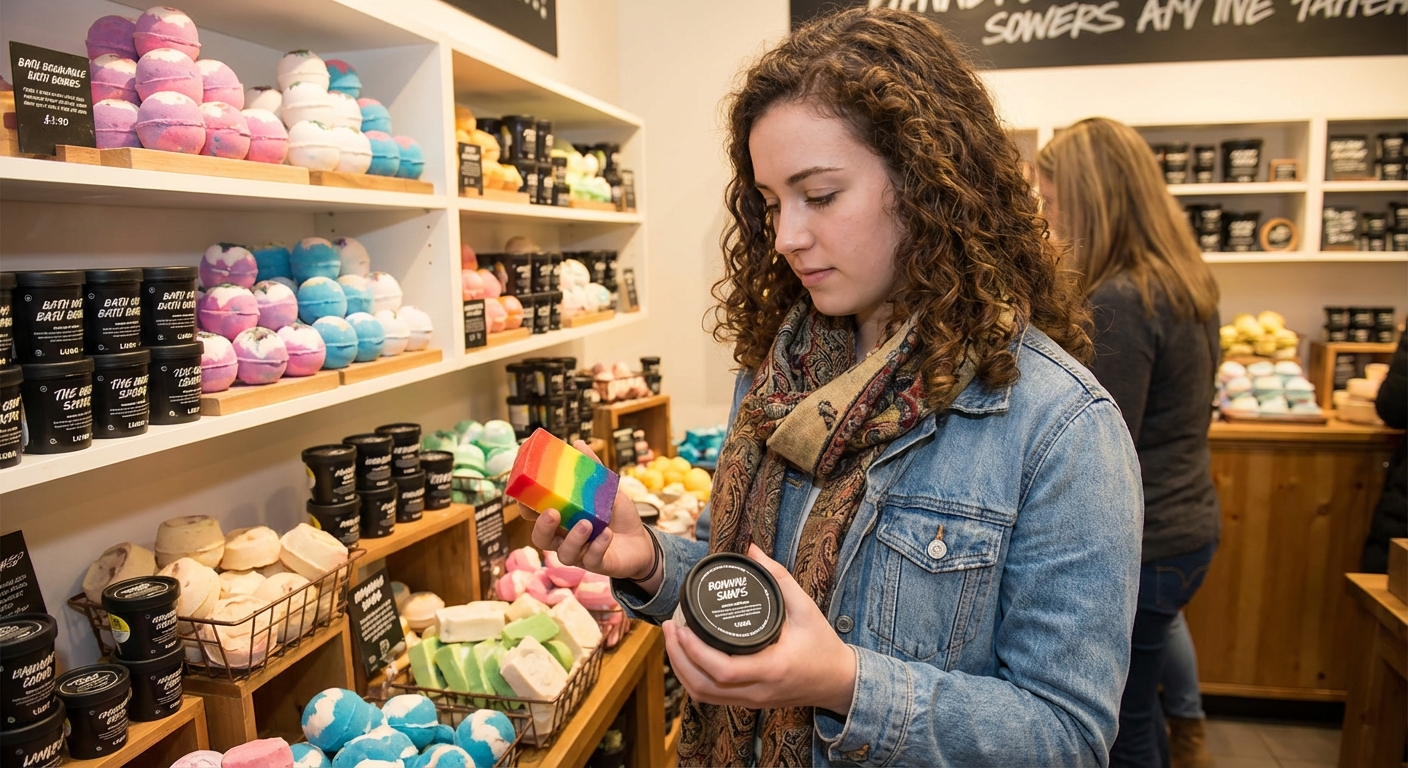
A few patterns I’ve noticed from experience and research:
Ingredients my skin usually loves
- Glycerin: Humectant that pulls water into the skin; almost every skin type benefits.
- Oat (Avena sativa): Often in Lush’s soothing products like Oatifix; great for calm and barrier support.
- Aloe vera: Cooling and hydrating, especially in gels and masks.
- Kaolin clay: In masks and cleansers, gently draws out oil without destroying the barrier (for me, anyway).
Ingredients I treat with caution (not always bad!)
- Essential oils (e.g., lemon, lavender, peppermint, eucalyptus): Gorgeous for scent, but they can trigger irritation or dermatitis in sensitive or compromised skin. A 2010 review in Contact Dermatitis flagged fragrance (including many essential oils) as a common allergen.
- Physical exfoliants (ground almonds, salt, sugar, ground rice): These show up a lot in Lush scrubs. Used gently, they’re fine, but when I used Ocean Salt daily, my skin barrier tapped out.
- Sodium lauryl sulfate (SLS): Common foaming agent. Lush has both SLS and SLS‑free options; my face hates SLS in cleansers, but my body is fine with it in soaps.
I started doing this simple thing: if a product had 3+ fragrant essential oils high up the ingredient list, I’d patch test instead of slathering it all over. That single habit probably saved my skin more than any “miracle” serum.
Step 3: Match Lush Products to Your Skin Goals
When I stopped shopping by smell and started shopping by outcome, Lush became way more useful and a lot less chaotic.
If you want gentle daily cleansing
- For oily/combo: I had good results with Herbalism—kaolin, ground almonds, and chlorophyll. It’s a bit green and earthy and not Instagram-pretty, but it left my T‑zone clean without that squeaky, over‑stripped feeling.
- For dry/sensitive: Angels on Bare Skin is a classic. It’s soft, almost doughy, with ground almonds and lavender. When I used it during a dry winter, my skin didn’t feel tight afterward, which is rare for a manual cleanser.
Insider‑style tip: Lush’s “fresh cleansers” come in solid pastes. I always mix a pea‑size amount with a bit of water in my palm first; using it too dry made my skin feel like I’d used sand.
If you want exfoliation (without wrecking your barrier)
Lush leans heavily on physical exfoliants. There’s less emphasis on chemical exfoliants like AHAs/BHAs compared to other brands.
- For my face, I now limit gritty scrubs to 1–2 times per week max.
- I favor products where the scrub particles are fine and cushioned in a creamy base.
The American Academy of Dermatology warns that over‑exfoliation (especially physical) can lead to irritation, breakouts, and barrier damage, and I can confirm that from my unfortunate Ocean Salt honeymoon phase.
If you want hydration and barrier support
My skin almost always likes:
- Oat‑based products: Oatifix (mask) is messy, smells like banana oatmeal, and works beautifully for my dry patches.
- Light oils + humectants: Many of Lush’s moisturizers blend plant oils (like jojoba) with ingredients like glycerin.
One thing to know: Lush moisturizers can be rich. When I tested Celestial on my combo skin in the summer, it was too heavy and I got tiny clogged bumps. In winter, though, it was a lifesaver on my cheeks. Timing and climate really matter.
Step 4: Pay Attention to Fragrance & Essential Oils
Lush is famous for intense scent, and honestly, that’s half the fun. But for face products, I treat heavy fragrance as a maybe, not an automatic yes.
Dermatologists and allergy specialists consistently rank fragrance as a leading cause of cosmetic contact dermatitis.
In my experience:
- My body tolerates almost all Lush scents.
- My face does better with products that keep essential oils lower on the list or only include gentler ones.
If you’re reactive, I’d:
- Start with products designed for sensitive skin (calming, oat, aloe, minimal citrus oils).
- Patch test behind the ear or on the jawline for 24–48 hours.
- Introduce one new product at a time, not a whole new routine at once.
It’s not as fun as walking out with a rainbow haul, but it’s so much better than nursing a week‑long flare‑up.
Step 5: Ask the Staff, Use Samples, Track Your Skin
One of my best Lush experiences involved a very honest sales associate who flat‑out told me, “Your cheeks look irritated; let’s skip the scrub today.” Instead, she sent me home with samples of a gentle cleanser and a soothing mask.
Things I now always do:
- Ask for samples. Lush is generally generous with these. I’ve tested cleansers, moisturizers, and masks this way before committing.
- Test in different conditions. A cream that felt perfect in an air‑conditioned store turned greasy in my non‑air‑conditioned apartment.
- Give products 2–4 weeks (unless there’s immediate irritation) before deciding if they’re helping or not.
I also take quick phone photos of my skin in the same lighting each week when trying something new. It sounds extra, but it helps me see if redness is actually decreasing or if I’m just hoping it is.
Pros and Cons of Choosing Lush for Skin
In my experience, Lush isn’t perfect, but it fills a very specific niche.
What I really like:- Clear, detailed ingredient listings online and in store.
- Fresh formulations with botanicals, clays, and butters that can feel amazing.
- Strong sustainability focus (naked packaging, recycling pots) which I appreciate.
- Helpful staff who, more often than not, encourage patch testing and honesty.
- Heavy use of essential oils and fragrance in many face products—great for scent, risky for sensitive or compromised skin.
- Limited use of the more evidence‑backed actives (like encapsulated retinoids, niacinamide, peptides) compared to more clinical brands.
- Some products skew very rich or very scrubby, which can be too much for acne‑prone or barrier‑damaged skin.
So I personally use Lush as part of my routine, not my entire routine. I lean on Lush for sensory, fresh, plant‑focused products—cleansers, some masks, some moisturizers—and pair them with more “derm‑style” products for actives like retinoids or vitamin C from other brands.
Final Thoughts: How I Actually Shop Lush for My Skin Now
Here’s my real‑life strategy these days when I walk into a Lush store:
- I go in knowing my skin status: “combo, a bit dehydrated, slightly sensitized right now.”
- I skip products labeled “scrub,” “polish,” or “brightening with citrus” for my face if my skin is already irritated.
- I prioritize simple, soothing formulas first—oat, kaolin, aloe, light oils.
- I patch test anything heavily scented on my jaw before it earns a place on my entire face.
- I keep 1–2 Lush staples in rotation (usually a cleanser + a mask) instead of building my whole routine from one brand.
When I do that, Lush becomes an actual skincare ally instead of a very expensive, very colorful experiment.
If you approach your next Lush trip like a skin detective instead of a kid in a candy store, your barrier—and your bank account—will be a lot happier.
Sources
- American Academy of Dermatology – How to safely exfoliate at home - Dermatologist guidelines on exfoliation and barrier health.
- American Academy of Dermatology – Fragrance in skin care products - Overview of fragrance as a common irritant.
- Lush Cosmetics – Ingredients - Official ingredient information and explanations from Lush.
- Cleveland Clinic – Sensitive Skin: Causes, Triggers and Treatment - Medical insight into sensitive and reactive skin.
- Harvard Health Publishing – How to build a skin care routine - Evidence-based guidance on structuring a skincare routine.