Guide to Choosing Ring Settings That Last
r. Not my ring, thankfully—but my friend’s. Same story I hear again and again: people obsess over carat size and forget the part that actually holds it all together.
The setting is the unsung hero. It’s the difference between a ring that still looks stunning on your 25th anniversary… and one that’s living at the jeweler every six months.
I’ve spent the last few years writing about jewelry, bothering bench jewelers with way too many questions, and testing different rings in real life—from $300 minimalist bands to big-name designer pieces. Here’s what I’ve learned about choosing ring settings that actually last.
Start With Lifestyle, Not Just Looks
When I first started trying on engagement rings “for research,” I fell hard for this ultra-delicate micro-pavé halo. It sparkled like crazy under the store lights. Then I imagined it surviving my actual life: typing all day, hitting the gym, accidentally smashing my hand into door frames (a talent).
In my experience, the people who end up happiest long-term are the ones who match their ring to their real life—not their Pinterest board.
Ask yourself (or the person you’re buying for):
- Do you work with your hands (healthcare, hair, fitness, lab work, childcare)?
- Are you rough on jewelry? Lose earrings? Scratch your phone constantly?
- Do you plan to wear the ring every single day, including travel and workouts?
If you answered yes to any of these, ultra-delicate, high-profile, snaggy settings are going to be drama.
A quick rule I use:
- Active lifestyle → lower profile, fewer tiny stones, sturdier prongs
- Gentle / desk-based lifestyle → you can get away with more delicate designs, halos, and higher settings
Metals That Actually Hold Up (and Which to Avoid)
The metal is your ring’s skeleton. I learned this the hard way when I tested a ring in 10k gold and saw visible wear in less than a year.
Gold: 14k vs 18k
When I asked a bench jeweler in NYC what they personally wear, they said: “14k for the win.” And now I get why.
- 14k gold (58.5% gold) – My go-to for durability. Harder, more scratch-resistant, and generally better for everyday wear. Especially good in white gold settings.
- 18k gold (75% gold) – Richer color, a bit more prestige, but softer. Looks beautiful, especially in yellow, but prongs and thin bands can wear down faster.
For settings that need to last decades:
- I choose 14k for most people who are hard on their hands.
- I only suggest 18k when someone really wants the deeper gold color and is a bit more careful.
Platinum: Amazing… but Not Magic
I recently tested a simple platinum solitaire for six months and here’s what happened:
- It got scratched faster than my 14k yellow gold band.
- But the metal didn’t wear away the same way gold does.
Platinum displaces rather than loses metal, which is why it’s often recommended for prongs. It’s great for:
- People who want maximum stone security
- Those with metal sensitivities (platinum is more hypoallergenic than most white gold alloys)
Downside? It’s heavier and usually more expensive. Also, it develops a satiny “patina” over time, which some love and some absolutely hate.
Metals I Avoid for Long-Term Settings
From what I’ve seen (and what jewelers consistently tell me):
- 10k gold – Cheap and hard, but can look duller and less luxe; not my pick for a forever ring.
- Sterling silver – Beautiful for fashion jewelry, not ideal for everyday engagement-level wear. Tarnishes, dents more easily.
- Plated metals (gold-plated, vermeil) – Great for trend pieces. Terrible idea for a “forever” ring. The plating will wear off.
Prongs, Bezels, and Settings That Don’t Quit
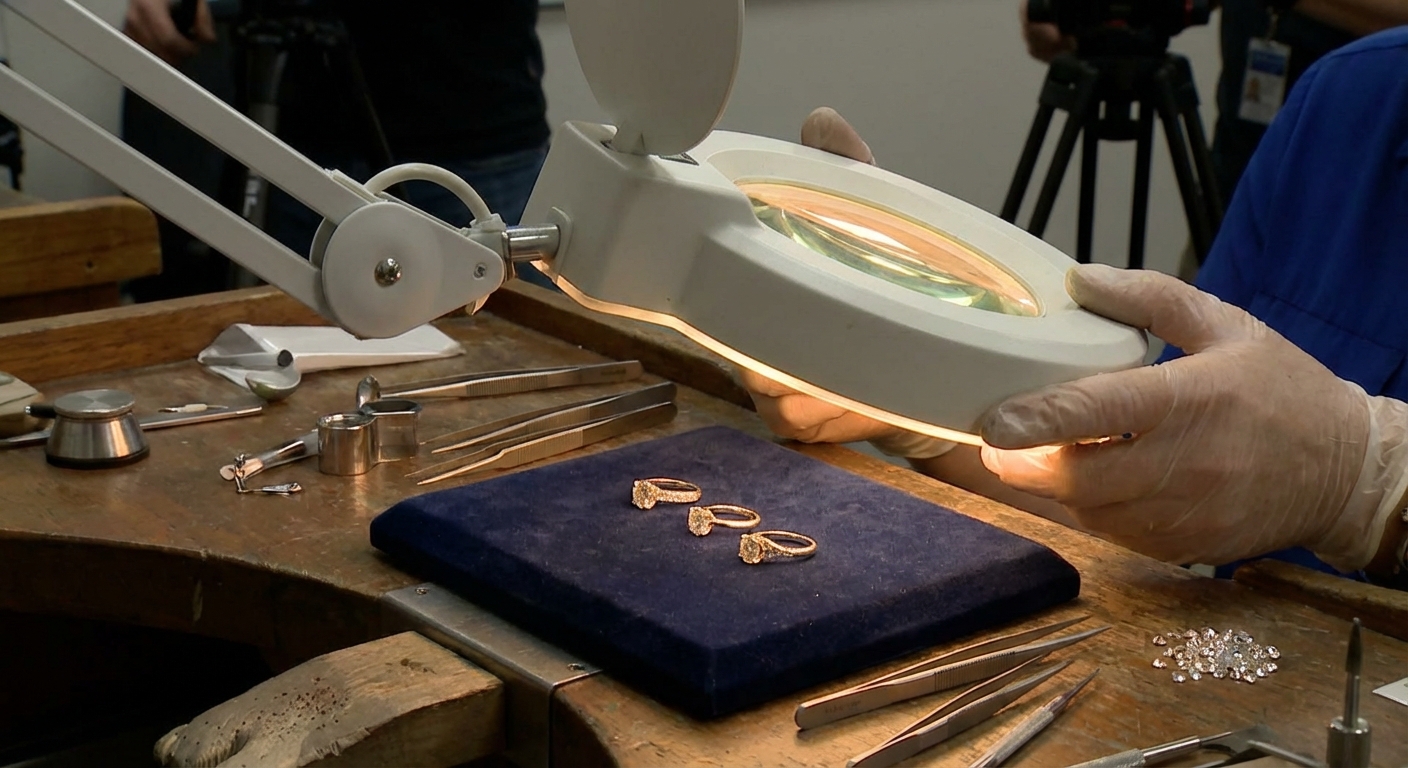
When I started inspecting rings under a loupe with a jeweler (yes, I’m that person now), I realized how much the setting style determines longevity.
Solitaire Settings: The Classic Workhorse
A well-made solitaire is one of the longest-lasting options.
I look for:
- Four or six sturdy prongs – No wobbly, needle-thin claw prongs that look like spider legs.
- Full coverage – Prongs should sit firmly over the stone’s edge, not barely touching.
- Low-to-mid profile – Super-high “cathedral” settings might look regal, but catch on everything.
Six prongs vs four? When I tested both, I caught the four-prong on my sweater twice in one week. Six prongs gave me more peace of mind. If the center stone is round and 1 carat+, I lean six-prong.
Bezel Settings: The Tank of Ring Settings
A bezel is where the metal fully wraps around the stone’s edge. When I tried on my first bezel-set diamond, I expected it to look dull. It didn’t.
Pros:
- Incredible protection for the stone
- No prongs to catch, bend, or break
- Great for softer stones like opal, morganite, or emerald
Cons:
- Can make the stone look slightly smaller from the top
- Not everyone loves the modern, sleek look
For people in healthcare or parents constantly washing hands, I’ve seen bezels outlast a lot of prong settings.
Halos and Pavé: High Sparkle, Higher Maintenance
Halos and pavé bands are gorgeous. I get it. I’ve worn pavé rings and I love them—until a tiny stone goes missing.
What I’ve noticed:
- Micro-pavé (TINY stones, very fine beads of metal) is especially prone to losing stones over time
- Halos can snag on sweaters and hair more than plain solitaires
If you want that look and longevity:
- Choose slightly larger melee stones with more metal around them
- Avoid super-thin bands that are fully pavé-set all the way around
- Ask the jeweler about their stone replacement policy upfront
Band Thickness: The Quiet Dealbreaker
When ultra-thin bands started taking over Instagram, I asked a jeweler if they’d recommend them. They just laughed.
In my experience:
- Anything under about 1.6–1.8 mm starts to be risky for a daily-wear engagement ring
- Very thin bands are more likely to warp, snap, or lose their round shape over years of wear
When I tested stacking a 1.3 mm band with a 2 mm band:
- The 2 mm band held shape and showed normal wear
- The 1.3 mm band visibly distorted near the bottom after a few months of constant wear
If you want delicate, ask for:
- Band around 1.8–2.2 mm – still looks feminine and refined, but doesn’t fold like tinfoil
Diamonds vs. “Pretty but Fragile” Stones
Not all stones are built for everyday war.
The Mohs hardness scale measures scratch resistance (10 is hardest). The GIA (Gemological Institute of America) recommends diamonds, sapphires, and rubies for the most durable daily wear.
Here’s how I break it down:
- Diamond (10) – King of durability. Can still chip, but best overall for daily wear.
- Sapphire & Ruby (9) – Amazing alternative; I’ve seen vintage sapphire rings from the 1920s that still look great.
- Moissanite (~9.25) – Very durable; I’ve tested moissanite in prong settings for two years with no major issues beyond normal wear.
- Emerald (~7.5–8) – Beautiful but brittle; absolutely needs protective settings (bezel or strong halo), and even then, you’ll want to be gentle.
- Opal, pearl, morganite (5–7) – These are “sometimes rings,” not daily warriors.
If you want a softer stone, I strongly prefer:
- Bezel or semi-bezel settings
- Lower profiles
- Avoiding ultra-thin prongs
What Good Craftsmanship Actually Looks Like
I used to think “handmade” automatically meant “better.” Not always.
When I visited a local workshop, a goldsmith showed me what to look for:
- Symmetry – Prongs evenly spaced, stone centered, halo not crooked
- No sharp edges – The underside should feel smooth on your finger
- Solid head – The part holding the stone shouldn’t feel flimsy or flexible when gently pressed (don’t test this too aggressively in a store!)
- Clean solder joints – No chunky blobs of metal where the band meets the setting
Also, pay attention to warranties and service:
- Does the brand offer free prong checks and tightening?
- Will they replace lost melee stones within a certain time frame?
I’ve seen big-name brands like Tiffany & Co. and Cartier back their craftsmanship with strong service policies, and that’s part of what you’re paying for.
Maintenance: The Part Nobody Wants to Hear
I wish I could say there’s a magic setting that’s zero maintenance. There isn’t.
What’s realistic, from what I’ve seen with my own rings and readers’ feedback:
- Get prongs checked every 6–12 months (many jewelers offer this free)
- Clean the ring regularly at home with warm water, mild soap, and a soft brush
- Take it off for heavy lifting, rock climbing, and working with tools or harsh chemicals
If you’re not willing to do any maintenance, go:
- Simple solitaire
- Sturdy band
- Hard stone (diamond, sapphire, ruby, moissanite)
- 14k gold or platinum
Not as dramatic as that micro-pavé double halo—but way more likely to survive 30+ years.
Quick Checklist Before You Buy
Here’s the mental checklist I use when I’m evaluating a ring setting:
- Is the metal 14k gold or platinum (not plated or ultra-low karat)?
- Is the band at least ~1.8 mm thick?
- Are the prongs substantial, even, and fully gripping the stone?
- Does the setting height fit my lifestyle (low-to-mid if I’m active)?
- Are there tons of tiny stones that could fall out, or is it relatively streamlined?
- Do I understand the store’s policy on repairs, resizing, and stone loss?
If a ring passes those, I feel a lot better recommending it as something that won’t just look good on proposal day—but still look good when you’re telling the story 20 years later.
Sources
- GIA – How to Choose an Engagement Ring Setting - Overview of common setting styles and their characteristics from the Gemological Institute of America
- GIA – Gemstone Hardness and Wearability - Explanation of hardness, toughness, and durability for different stones
- FTC – Jewelry Guides - U.S. government guidelines on jewelry marketing, metal quality markings, and disclosures
- Tiffany & Co. – Jewelry Care Guide - Official care recommendations and maintenance advice from a major luxury jeweler
- American Gem Society – Understanding Precious Metals - Educational info on 14k vs 18k gold, platinum, and metal durability