Guide to Designing Functional Modern Bungalows
d for modern life. What started as “let’s just open up the kitchen” turned into me obsessively sketching floor plans on napkins, binge-reading building codes, and yes… arguing about window placements at 11 p.m.
If you’re dreaming of a modern bungalow that’s both beautiful and brutally practical, this guide pulls together what I’ve learned the hard way—plus what architects, builders, and research actually back up.
Why Modern Bungalows Are Secretly Powerhouses
Bungalows look simple, but they’re deceptively flexible. One level, compact footprint, big potential.
In my experience, a functional modern bungalow shines in four situations:
- You want aging-in-place or multigenerational living (no stairs = game changer).
- You’re on a smaller lot but still want indoor-outdoor flow.
- You like clean, modern design but don’t want a massive two-story box.
- You actually use every room in your home and hate “museum” spaces.
When I tested different layouts in 3D modeling software with a builder friend, the biggest surprise was how much more livable a well-designed 1,400–1,800 sq ft bungalow felt compared to some 2,200+ sq ft two-story plans. It’s less about square footage and more about how your circulation, storage, and light are handled.
Start With Flow: The Floor Plan Is Everything
The single-level layout is the bungalow’s superpower… and also how it gets ruined when the plan is lazy.
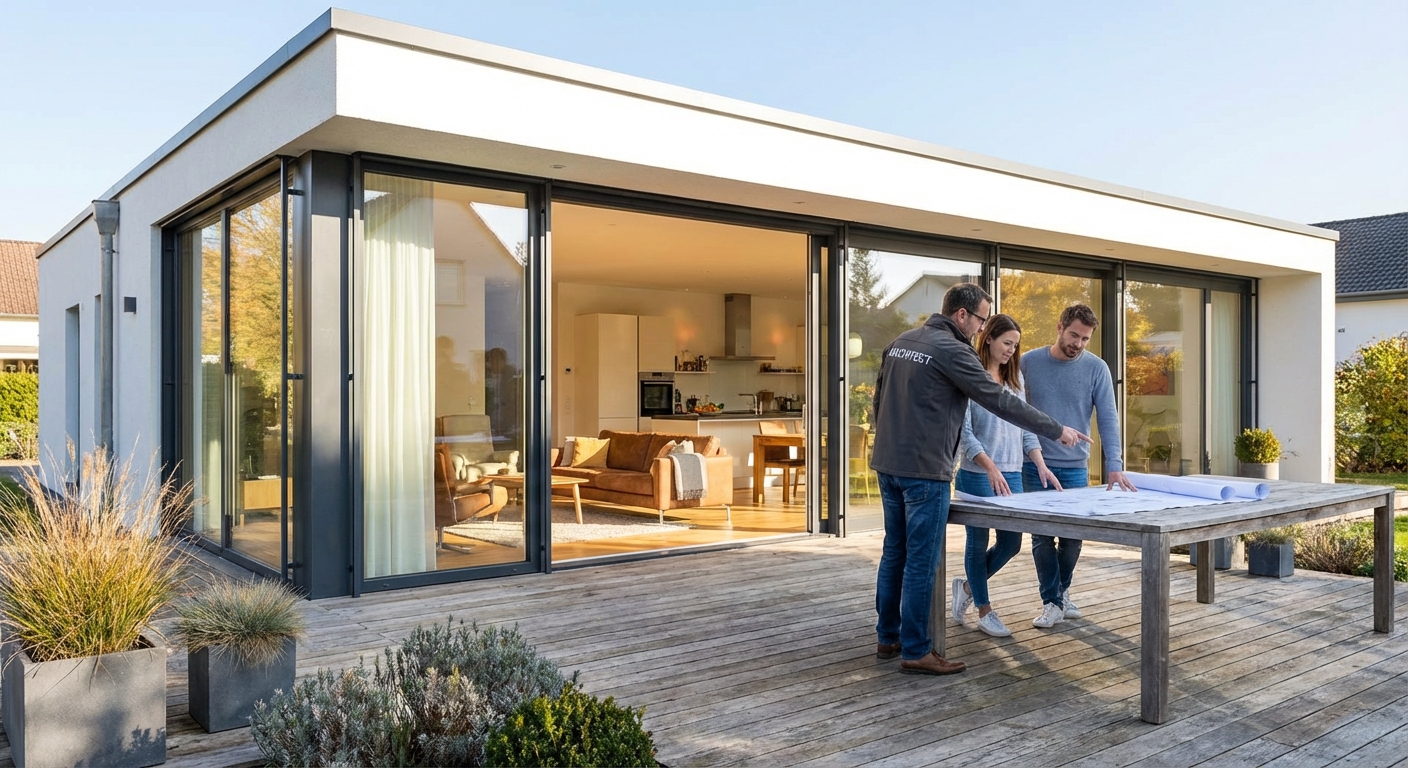
1. Zoning the House Like a Pro
I mentally divide modern bungalow plans into three zones:
- Public: entry, living, kitchen, dining
- Semi-private: home office, guest room, powder room
- Private: primary suite, kids’ rooms, bathrooms
When these zones are muddled, the house feels chaotic. I once toured a new “modern bungalow” where the guest bath opened directly into the dining area. It was… unforgettable, in the worst way.
A functional layout usually keeps bedrooms on one side or wing, with noise-heavy spaces (kitchen, media area, laundry) grouped together away from sleeping spaces.
2. The Circulation Test
Here’s a trick I use with clients: I make them narrate a day.
- Where do you walk in with groceries?
- Where do kids dump backpacks?
- Where do guests drop coats?
- How far is the laundry from the bedrooms?
On one project, we realized the original plan had the laundry room at the opposite end of the house from the bedrooms. That’s 20–30 extra steps per load, every day, for years. We flipped a linen closet and tucked a stacked washer/dryer closer to the bedroom corridor. Tiny change on paper, huge upgrade in daily life.
Research from the National Association of Home Builders (NAHB) consistently shows that homeowners prioritize logical circulation and storage over raw square footage; once I started paying attention to that in walk-throughs, it was obvious which plans would feel “off” after move-in.
Light, Height, and Volume: Making Compact Feel Big
A modern bungalow doesn’t have the vertical drama of a two-story foyer—but it can absolutely feel expansive.
1. Natural Light Strategy
When I tested different window configurations in a north-facing bungalow, the winner wasn’t more windows—it was better placed ones:
- Large, higher windows on the north side for soft, even daylight.
- Carefully shaded, slightly smaller glazing on the west to avoid brutal afternoon heat.
- A long horizontal window over the kitchen counter—suddenly dishwashing didn’t feel like a punishment.
Daylighting studies (like research from Lawrence Berkeley National Laboratory) show that well-distributed natural light improves comfort and can reduce energy use. But it’s not just about slapping on floor-to-ceiling glass everywhere—you’ll roast in summer and freeze in winter if orientation and shading aren’t considered.
2. Playing With Ceiling Heights
One of my favorite bungalow tricks: varying ceiling heights.
- 8'–9' in bedrooms and hallways for coziness
- 10' or vaulted in the main living/dining area for wow factor
In a small 1,300 sq ft build I worked on, we added a simple vaulted ceiling over the living room that followed the roofline. Same footprint, same furniture, totally different feel—everyone walking in swore we’d added 200 sq ft.
Storage: The Non-Sexy Feature That Changes Everything
If you get this wrong, your “modern minimalist bungalow” becomes “perpetual clutter museum.”
In my experience, people underestimate needed storage by at least 30%. Here’s what consistently works:
1. Built-Ins and Dead Space Hacks
- Under-window benches with lift-up lids in dining or entry.
- Deep drawers instead of only lower kitchen cabinets for pots and pans.
- Recessed niches in showers, hallways, and even beside the bed.
- Over-door shelving in closets and utility rooms.
On a recent renovation, we turned an awkward hallway bump-out into a shallow, floor-to-ceiling linen cabinet. It cost less than a fancy faucet but delivered daily value.
2. The Entry Drop Zone
Modern bungalows usually have smaller foyers, and this is where chaos starts.
I always push for:
- A minimum 4' wide circulation at the main entry
- A small bench with shoe storage
- Hooks or a shallow closet
When we skipped this once (budget pressure), the homeowners immediately ended up with a permanent pile of shoes and bags by the door. They later admitted they wished they’d cut square footage from the guest room instead.
Kitchens and Bathrooms: Where Function Makes or Breaks You
These spaces eat your budget but also drive most of your day-to-day satisfaction.
1. Kitchen Layout Reality Check
I used to be obsessed with giant islands. Then I cooked in a tightly planned U-shaped kitchen with a modest peninsula—and it was a revelation.
For modern bungalows, I lean on:
- A clear work triangle (sink–fridge–cooktop) without major obstacles
- At least 42" between counters for two people to pass
- One “landing zone” near the entry from the garage for groceries
The National Kitchen & Bath Association (NKBA) has detailed guidelines that I now use almost like a checklist. Anytime we break those rules, we pay for it in awkward movement or crowding.
2. Bathroom Placement and Noise
Bungalow mistake I see constantly: a bathroom directly off the main living area with zero sound buffer.
Better options:
- Place the door on a short hallway
- Use a pocket door only when absolutely necessary (they’re harder to soundproof and maintain)
- Consider wall-hung toilets and good exhaust fans to keep spaces feeling fresh and easy to clean
And if you’re dreaming of a giant soaking tub in a small primary bath—be honest. Research and usage data from multiple bath manufacturers show most people favor large, comfortable showers over tubs in primary suites. I’ve seen so many huge tubs turned into glorified laundry hampers.
Outdoor Connection: The Bungalow’s Secret Weapon
The best modern bungalows feel like they borrow square footage from the outdoors.
When I renovated my own small home, we added a 10' wide covered deck right off the main living space with a big slider. For six months of the year, that deck is basically our second living room.
To make this work well:
- Align living/dining/kitchen areas with backyard or best view
- Keep a near-level transition (accessibility + smooth flow)
- Add at least partial cover (pergola, roof extension, or deep overhang)
Studies on housing satisfaction often highlight access to private outdoor space as a major happiness factor. In a compact bungalow, your patio or deck isn’t optional fluff—it’s core square footage in practice.
Energy, Comfort, and Long-Term Costs
A modern bungalow can be incredibly efficient—or a drafty, expensive cube.
1. Envelope First, Gadgets Second
I used to obsess over smart thermostats and solar panels. Now I start with:
- Insulation levels appropriate for your climate (check local energy codes)
- High-performance windows with the right U-factor and SHGC
- Air sealing to cut uncontrolled drafts
The U.S. Department of Energy has hammered this home for years in their research: a tight, well-insulated envelope almost always gives you the best ROI before fancy mechanical systems.
2. One-Level = Accessibility Advantage
Thinking ahead isn’t glamorous, but it’s smart.
When I worked on a “forever home” bungalow, we quietly baked in:
- 36" doors in key areas
- A curb-less shower
- Minimal or no steps at entrances
The couple didn’t need those features yet, but they’ll be thrilled in 10–20 years—or if a family member has mobility issues sooner. Universal design rarely looks weird if you integrate it from the start.
Pros and Cons of Modern Bungalows (Honestly)
What I love:- Easy accessibility for all ages
- Strong indoor–outdoor connection
- Often better day-to-day functionality per square foot
- Construction and maintenance can be simpler (no second-story framing, fewer stairs, easier roof access)
- Larger roof and foundation area per square foot of living space compared to two-story
- Harder to build on very small lots if you want more than 2–3 bedrooms
- Acoustic privacy can be a challenge—sound travels more directly in single-level layouts
- Land costs in urban areas can make single-story builds less feasible
I’ve turned down more than one “dream” concept because the lot, budget, and one-level wish list just didn’t align without major compromises. Sometimes a 1.5-story or a partial second floor is the smarter move.
Final Thoughts: Designing For How You Actually Live
The most functional modern bungalows I’ve seen all share one thing: they’re brutally honest about how the occupants live.
When I sit down with people now, I don’t start with styles or Pinterest boards. I start with:
- How messy are you really?
- Do you host weekly dinners or twice-a-year events?
- Do you work from home? Need doors that close?
- Are you early risers or night owls?
Once you answer those honestly, the design decisions—open vs. semi-closed kitchen, size of the entry, number of bathrooms, office placement—almost design themselves.
A modern bungalow isn’t about copying a magazine spread. It’s about creating a single-level home where every square foot pulls its weight, every day, for years. When you get that right, even a modest bungalow feels quietly luxurious.
Sources
- U.S. Department of Energy – Energy Saver: Insulation - Practical guidance on insulation and building envelope performance.
- National Association of Home Builders (NAHB) – What Home Buyers Really Want - Survey data on homeowner preferences and layout priorities.
- Lawrence Berkeley National Laboratory – Windows and Daylighting - Research on window performance, daylighting, and comfort.
- National Kitchen & Bath Association (NKBA) – Kitchen Planning Guidelines - Industry standards for functional kitchen layout and dimensions.
- Harvard Joint Center for Housing Studies – Housing an Aging Population - Research on aging in place and home design implications.