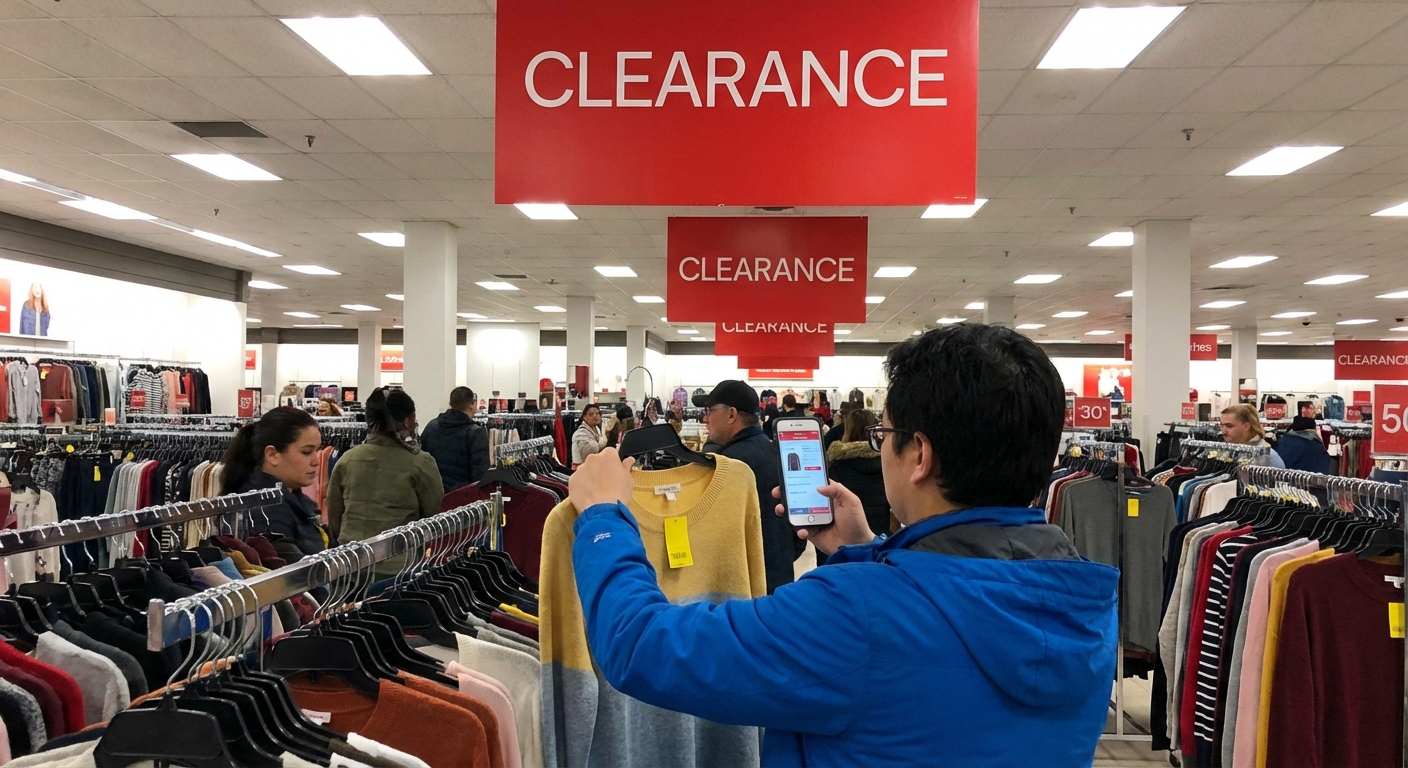
Guide to Finding the Best Home Depot Deals
just money vacuums in orange vests.
Then I started tracking prices, talking to store associates, and testing different savings tricks over a few months while renovating a small condo. When I tested these strategies back-to-back—online vs. in-store vs. app-only deals—the difference was honestly ridiculous. On one project alone (a tiny laundry closet makeover), I saved just over $280 compared to full price.
Here’s exactly how I hunt down the best Home Depot deals now—and what actually works vs. what’s mostly marketing fluff.
Start With the Price Match Policy (It’s More Powerful Than It Looks)
I recently discovered how underused Home Depot’s Low Price Guarantee really is. I’d always seen the sign but never bothered. Then one day I was buying a DeWalt drill set and noticed it was $20 cheaper at a local competitor.
I pulled up the competitor’s price on my phone, walked to customer service, and they not only matched it—they beat it by 10% for an in-store price match. That’s their official policy for many brick-and-mortar competitors.
Key things I’ve learned from using price match multiple times:- Online price matching usually doesn’t get the extra 10% off; they just match the price
- The item has to be identical (model number, color, size, everything)
- Clearance, open-box, and liquidation prices typically don’t qualify
- Amazon can be tricky—they’ll honor it only when the item is sold and shipped by Amazon, not random third-party sellers
If you’re doing a big project—appliances, flooring, or power tools—spending 15–20 minutes comparing prices against Lowe’s, local hardware stores, and even Costco can easily save you $50–$200.
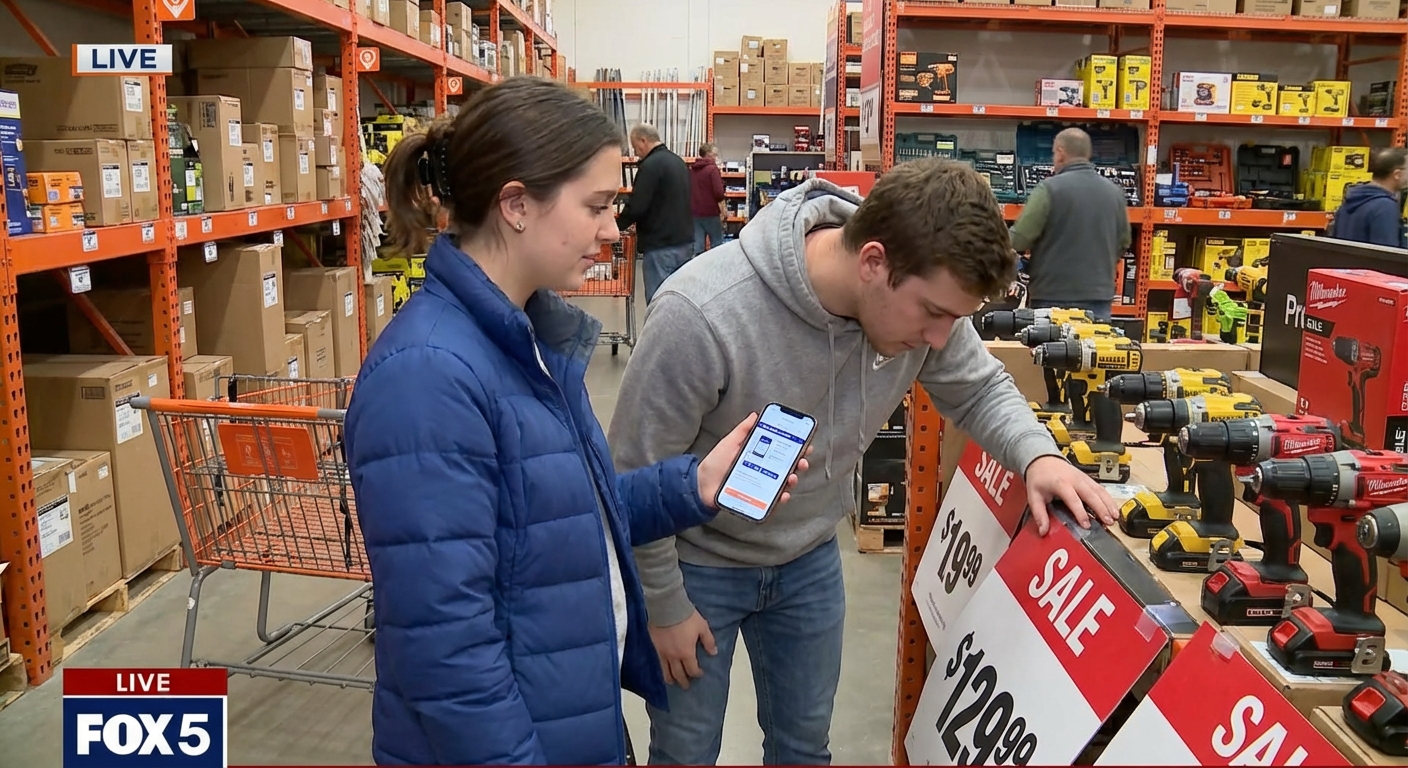
The App and Website “Price Gap” Trick
Here’s a sneaky one: when I was buying insulation panels, I scanned the barcode in the Home Depot app while standing in the aisle. The app showed a price about 8% lower than the shelf tag.
I asked an associate, and they adjusted it on the spot. They told me (a bit off the record) that online and in-store prices don’t always sync, especially during promo periods.
My routine now:- Scan big-ticket items in the app while in store
- Check if “Ship to Store” or “Deliver to Home” is cheaper than “In-Store Only”
- Screenshot any lower price you see online before heading to the register
This works especially well for:
- Lighting fixtures
- Power tools and combo kits
- Seasonal stuff (grills, patio furniture, snow blowers)
Sometimes it’s the opposite—the store has a clearance price that’s lower than online. I’ve had that happen with smart thermostats and LED bulbs. So I cross-check both.
Timing Is Everything: Know Home Depot’s Sale Cycles
In my experience, the biggest savings at Home Depot aren’t random—they follow patterns.
1. Major Holiday Sales
Based on about a year of obsessive tracking (yes, I’m that person), these are the big ones:
- Presidents’ Day (Feb) – Appliances and tools
- Memorial Day (May) – Grills, patio, lawn & garden equipment
- Fourth of July – Outdoor power equipment, paint promos
- Labor Day (Sep) – Appliances again, plus storage and organization
- Black Friday / Cyber Monday – Everything from tools to smart home gear
When I bought a washer/dryer set during Black Friday, the price was about 30% lower than when I’d checked it in August. Same model, same store.
2. Seasonal Changeovers
Home Depot aggressively rotates seasonal inventory, and this is where some of the wildest deals hide.
- Late summer to early fall – Deep cuts on patio furniture, grills, outdoor décor
- End of winter – Snow blowers, heaters, holiday lights drop hard
I once grabbed a $398 grill for $179 in late September just because the store needed the floor space back.
Learn to Read the Price Tags Like an Insider
A random associate once walked me through the meaning behind those little price tag details, and my bargain-hunting brain lit up.
Here’s what I watch for now:
- Yellow or red tags – Usually clearance or special buy
- Prices ending in .06 or .03 – Often indicate final markdown phases (varies by region, but I’ve seen this pattern several times)
- “Special Buy” vs “Clearance” – Special Buy is a promo, might come back; Clearance usually means it’s being phased out
When I tested this across several visits, the .03-ending prices tended to disappear within a week or two. If I’m on the fence and see that price format, I buy it or accept I’ll probably miss it.
Caveat: store managers have some flexibility, and patterns aren’t 100% consistent nationwide. So treat this as a strong clue, not gospel.
Leverage the Pro Xtra Program (Even If You’re Not a Contractor)
I signed up for Pro Xtra thinking it was only useful if you were a contractor. Totally wrong.
While it’s designed for pros, regular DIYers like me can still benefit:
- Purchase tracking (super helpful for returns and warranties)
- Targeted discounts based on what you actually buy
- Occasional “Buy More, Save More” tiered discounts on large purchases
When I was redoing flooring, I hit one of their spend thresholds and got a chunky discount I wasn’t expecting. It stacked with a promo that was already running on the product line.
You won’t get magical 50% off codes just for signing up, but over a big project, it can shave a meaningful amount off your total.
Email, Credit Card, and Rebates: Worth It or Overhyped?
Email & Text Sign-ups
When I tested this with a fresh email, I got a $5 off $50 coupon and then semi-regular promo alerts. Are they life-changing? No. But they’re helpful, especially when combined with other discounts.
Home Depot Credit Card
I’m not a fan of store cards for most people, but I’ll be honest: the new account discount can be useful for a single large project. Historically it’s been around $25–$100 off, depending on promotions and minimum spend.
Pros:
- Good for a one-time big purchase (appliances, cabinets)
- Sometimes offers longer 0% interest promo periods
Cons:
- High interest if you carry a balance
- Easy to overspend because “it’s on the store card”
If you’re disciplined and pay it off immediately, it can be a smart move. If not, the interest will absolutely erase any savings.
Rebates
For energy-related products (LED lighting, smart thermostats, efficient appliances), I always check Energy Star and local utility rebate portals. Between store promos and rebates, I’ve had smart thermostats effectively drop from $249 to under $100.
Don’t Sleep on the Clearance Aisle and “Oops” Items
One of my favorite Home Depot hacks came from pure luck. I was wandering near the back of the store where they stash damaged-box and return items. Hidden there:
- A perfectly good, unopened bathroom vanity with a scratched box: 50% off
- An open-box kitchen faucet missing a decorative cap (that I didn’t even need): 40% off
If you’re not picky about minor packaging damage, this can be gold.
Ask an associate where they keep:
- Open-box appliances
- Overordered or custom-returned blinds, doors, cabinets
- Mis-tinted paint (these can be insanely cheap if you’re flexible on color)
I’ve seen mis-tinted paint go for a fraction of normal price. The downside: you can’t replicate the color later, so it’s better for smaller or standalone projects.
Online-Only Bundles and Tool Deals
Tool promotions at Home Depot can get weirdly good if you time them right.
When I tested buy-one-get-one tool promos around Black Friday, I ended up with two premium batteries and an extra impact driver for less than the regular price of the combo kit.
Look for:
- Tool brand promo pages (DeWalt, Milwaukee, Ryobi often have dedicated deal hubs)
- Bundles that don’t exist in-store (online exclusives with bonus batteries or accessories)
One limitation: these hot promos sell out fast. If you see a great tool bundle with a countdown or limited stock note, it usually isn’t bluffing.
When You Actually Shouldn’t Buy at Home Depot
As much as I like optimizing Home Depot deals, it’s not always the cheapest option.
Based on my own comparisons:
Often cheaper elsewhere:- Basic fasteners (screws, nails) in bulk – local hardware or online can beat them
- Some lumber sizes – local yards sometimes have better prices and quality
- Generic household items like basic cleaning supplies (warehouse clubs win here)
- Big promotions on brand-name tools and appliances
- When you need returns convenience and in-person support
- Large orders where delivery, cutting, or project scheduling matters
I’ve also learned to factor in my time. If Home Depot is 10 minutes away and the competitor is 45 minutes, saving $5 on a box of screws just isn’t worth the drive.
Final Thoughts (and One Last Trick)
If you remember nothing else from this guide, here’s the combo that’s saved me the most on Home Depot runs:
- Check competitors and use price match for anything over about $50
- Scan items in the app while in-store to catch lower online or promo prices
- Time big purchases—appliances, tools, grills—around major holiday and seasonal sales
- Walk the clearance and open-box areas before you commit to full price
One last quirky trick: if you’re tackling a big project, talk to a department associate and be honest. I’ve had flooring and appliance staff tell me, “This goes on sale next week; if you can wait, do that,” more than once.
Sometimes the best deal isn’t on the shelf or the app—it’s in the head of the person in the orange apron who’s seen every promo come and go.
Sources
- Home Depot – Low Price Guarantee - Official explanation of Home Depot’s price match policy and terms
- Energy Star – Rebate Finder - Tool to locate rebates on efficient appliances and home products
- Consumer Reports – Best Time to Buy Things - Data-driven guide on seasonal sales, including appliances and tools
- Federal Trade Commission – Shopping for Bargains - Government advice on recognizing real vs. misleading deals
- Forbes – How Retailers Use Dynamic Pricing - Background on why online and in-store prices can differ