Guide to Finding the Best Target Deals
coffee.
The turning point was when I checked my receipt one day and saw I’d saved $47 on a single trip without using a single paper coupon. That’s when I went down the rabbit hole—apps, price cycles, hidden clearance codes, the whole thing. Since then, friends have started texting me pics of endcaps asking, “Is this actually a good deal?”
This is the guide I wish I had before I started.
Step 1: Master the Target Circle Ecosystem
I used to think Target Circle was just a random rewards program. It’s not. It’s basically the backbone of serious deal-hunting.
Target Circle Offers
When I tested how much I could save just using Target Circle offers for one month, I averaged about 12–18% off per trip—without changing what I normally buy.
Here’s what I do before I even leave the driveway:
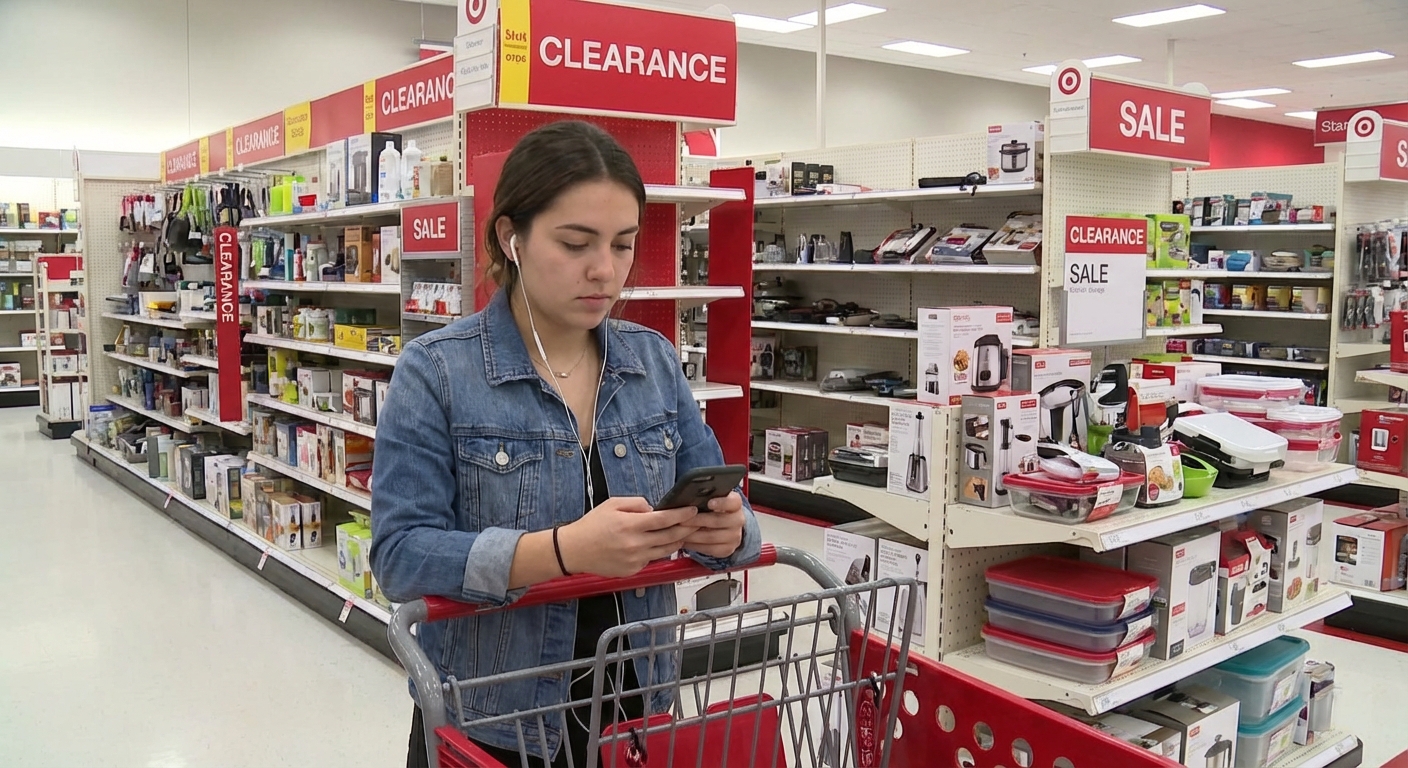
- I open the Target app and tap Target Circle.
- I filter offers by “For you” and “Popular”.
- I add every offer that might apply—household, snacks, cleaning, personal care. You don’t pay more for clipping everything, so I just go wild.
In my experience, the best recurring offers are:
- Household & cleaning – 10–15% off brands like Swiffer, Tide, Method.
- Beauty & personal care – gift card promos like “Spend $25, get $5 Target GiftCard.”
- Grocery bundles – buy 3, get a $5–$10 gift card on soda, snacks, breakfast.
Circle offers stack on top of sale prices, and sometimes on top of manufacturer coupons. That’s where it gets fun.
Target Circle Rewards & Birthday Perk
I kind of shrugged off the “1% back” part of Target Circle until I realized I’d quietly racked up $22 just from regular shopping.
You earn:
- 1% back on eligible purchases when not using a RedCard
- Extra bonuses from time to time (seasonal promos, targeted boosts)
Plus, Target gives you a 5% birthday reward that stacks with sales and many Circle offers. I intentionally plan a mid-size stock-up trip around my birthday to maximize that.
Step 2: Stack the RedCard Like a Pro (or Use It Strategically)
I was hesitant about the Target RedCard at first—I don’t love store credit cards. The good thing is Target offers two options:
- RedCard Credit Card (issued by TD Bank)
- RedCard Debit Card (links to your checking account)
Both give you:
- 5% off most purchases (some exclusions like gift cards)
- Free 2-day shipping on many items at Target.com
- Extended returns (extra 30 days on most items)
When I tested my savings over 3 months with the RedCard + Circle offers + sale prices, my effective discount hovered around 15–25% most trips.
Honest downside:- The credit version can tempt overspending if you’re not careful.
- Some categories are excluded from the 5% (pharmacy prescriptions, some services, etc.).
I personally prefer the debit RedCard so I get the perks without another credit line to monitor.
Step 3: Learn Target’s Markdown & Clearance Secrets
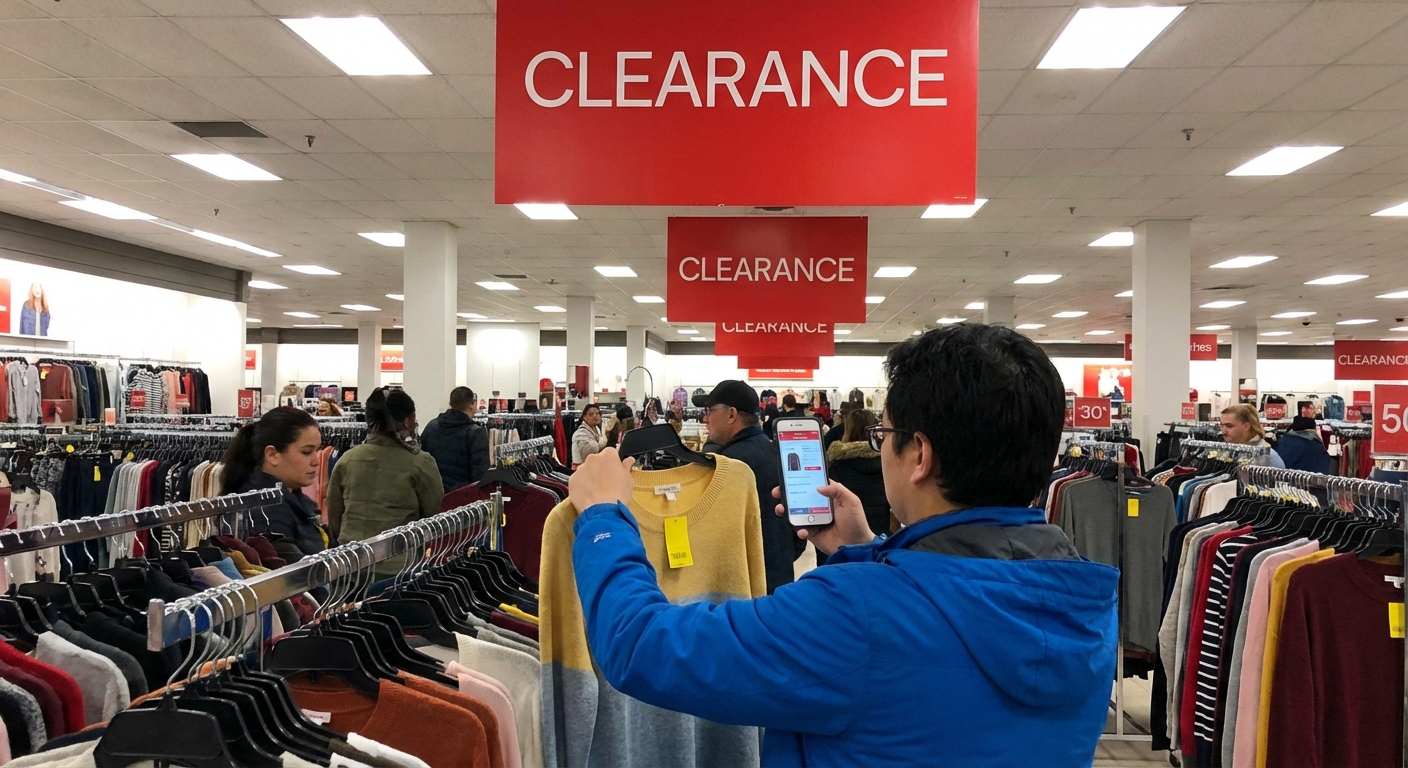
I used to think clearance at Target was just random red stickers. Nope. There’s a pattern.
The Clearance Sticker Codes
On the yellow or red clearance stickers, you’ll usually see a small percentage in the upper right corner, like 30, 50, or 70. That’s your discount.
In my experience, typical cycles look like this (varies by store):
- First markdown: 30% off
- Second markdown: 50% off
- Final markdown: 70% off (sometimes 90% for seasonal)
When I tested waiting for 70% vs buying at 30–50%, I realized: if it’s a popular item or limited size, it might be gone by the time it hits 70%. So I only wait for 70% on seasonal or non-essential “nice to have” stuff.
Where the Best Clearance Hides
In my experience, these are the goldmine zones:
- Endcaps on the back of aisles – especially home, toys, kitchen, and beauty.
- Seasonal section after holidays – up to 90% off after Christmas, Valentine’s, Easter, Halloween.
- Baby and kids clothing – frequent rotations, especially at season change.
I once walked into Target two days after Christmas and grabbed high-quality wrapping paper for 90% off—I paid under $3 for what would’ve been around $30 pre-holiday.
Step 4: Time Your Trips Around Weekly & Seasonal Cycles
Target’s weekly ad drops every Sunday, and prices usually refresh then. I’ve found the sweet spot for serious deal hunting is Sunday to Tuesday, before the best promo items sell out.
Some patterns I’ve noticed (and that generally match what deal forums track):
- Groceries & snacks – strong promos on weekends and early in the week.
- Home & bedding – frequent gift card promos, especially in January and August.
- Electronics – big promos around Black Friday, back-to-school, and random “Target Deal Days.”
Seasonally, the best deals tend to hit:
- January – storage, workout gear, bedding.
- July/August – back-to-school, dorm, office supplies.
- November – electronics, small appliances, toys.
I tested doing one large, strategically timed Target run per month instead of multiple small trips, and it did two things: lowered my impulse buys and made it easier to match purchases with weekly promos.
Step 5: Use the App for Price Matching & Hidden Online Deals
One of the most underrated ways to save at Target is price matching.
Target’s official policy lets you price match select competitors like Amazon, Walmart, Best Buy, and Target.com itself, as long as:
- It’s the exact same item (brand, size, model).
- It’s in stock at the competitor.
- You request the match at the time of purchase.
More than once I’ve scanned something in-store with the Target app and seen it cheaper online. When that happens, I just show the cashier the Target.com price, and they adjust it on the spot.
I’ve also saved $10–$30 on a single item by price matching to Amazon. Not every cashier is equally familiar with the policy, so I keep the official page bookmarked on my phone.
Step 6: Stack Smartly (Without Driving Yourself Nuts)
Here’s how I usually stack offers when it’s worth the effort:
- Start with a sale price (weekly ad or in-app).
- Add Target Circle offers (percentage or dollar off).
- Apply any manufacturer coupons (paper or digital, if available).
- Use a Target gift card promotion (like buy 3, get $10 gift card).
- Pay with RedCard for the extra 5%.
During a test “max stack” trip on personal care, I bought:
- 4 bottles of shampoo & conditioner
- 2 packs of razors
- 2 body washes
Using a gift card promo, Circle offers, a couple of manufacturer coupons, and the RedCard, my total dropped from around $52 to $27, plus I earned a $10 gift card for next time.
Is this level of stacking worth it every single trip? Not really. It’s overkill for a quick milk-and-bread run. I save this strategy for:
- Household stock-up trips
- Back-to-school
- Holiday shopping
Step 7: Know When Target Isn’t the Best Deal
As much as I love Target, it’s not automatically the cheapest place to buy everything.
Where I’ve found Target weaker:
- Fresh produce and meat – often cheaper at warehouse clubs or discount grocers.
- Generic pantry staples – Aldi or Walmart sometimes beat even Target sale prices.
- Big-ticket electronics – occasionally better at specialized retailers or during specific brand promos.
I use the Target app and a quick Amazon/Walmart check to sanity-check prices on anything over about $25. If I’m paying a small premium at Target, I decide whether the convenience and return policy are worth it. Sometimes they are.
Step 8: My Personal "No-Brainer" Target Strategies
If all of this feels like a lot, here’s what I do every single time—no spreadsheets, no drama:
- Always scan my Target Circle barcode.
- Check the app for one or two key offers on what I actually need (like “household” or “grocery”).
- Pay with RedCard for the 5% (or at least use Circle for 1% back).
- Scan big-ticket items in the app to check online vs in-store price.
- Walk the clearance endcaps in home, beauty, and toys if I have 5 extra minutes.
That simple system alone consistently saves me 10–20% per trip without turning shopping into a full-time job.
If you treat Target like a casual browse, it’ll happily take your money. If you treat it like a game—with rules, timing, and a little strategy—it turns into one of the most rewarding places to shop.
And yes, you can still grab the iced coffee. Just maybe use the savings to pay for it.
Sources
- Target Circle Program Details – Target.com - Official info on Target Circle rewards, offers, and terms
- Price Match Guarantee – Target.com - Target’s official price match policy and eligible competitors
- Consumer Reports: How to Save Money at Big-Box Stores - Expert tips on maximizing savings at retailers like Target
- Forbes: Best Store Credit Cards - Analysis of store cards, including pros/cons of cards like Target RedCard
- U.S. Bureau of Labor Statistics – Consumer Expenditures - Data on household spending patterns to contextualize retail savings