Guide to Full-Service Spa Treatments and Amenities
traveling for work, and wow—within an hour I realized I’d been seriously underestimating what a real spa experience can do for your body, your skin, and honestly, your sanity.
This guide is everything I wish I’d known before that first visit: what actually happens behind those frosted glass doors, which treatments are worth the money, and how to avoid walking out more stressed than when you walked in.
What Full-Service Spa Really Means
When a place calls itself a full-service spa, they’re usually offering three big categories:
- Body and massage treatments – for muscles, joints, circulation, nervous system.
- Skin and facial treatments – for face and sometimes full-body skin health.
- Amenities and rituals – saunas, steam, hydrotherapy, relaxation lounges, etc.
The difference between a quick massage place and a full-service spa? At a true spa, the treatments are usually integrated into a wellness journey. Think:
- Check-in and consultation
- Thermal or water circuit (sauna, steam, pools)
- Core treatment(s)
- Recovery and relaxation time
When I tested this at a destination spa, the therapist actually adjusted my body treatment based on how my skin reacted to the steam room—something I’d never seen at a basic massage chain.
Core Massage Treatments (And How They Actually Feel)
I’ve tried most types of spa massage at this point—partly for work, partly because my shoulders live somewhere up by my ears. Here’s how the main ones compare in real life.
Swedish Massage: The Starter Pack
If you’re new, Swedish massage is usually the safest bet. Think long, gliding strokes, light-to-medium pressure, and lots of oil or lotion.
Pros:- Great for relaxation and general tension
- Good if you’re touch-sensitive or anxious
- May feel too light if you’re used to intense workouts
- Won’t fix serious knots in one session
When I first tried Swedish, I walked out feeling mellow but slightly underwhelmed. Once I asked for medium-firm pressure instead of “whatever you think,” it became my go-to for recovery after travel days.
Deep Tissue & Sports Massage: For the "Desk Athletes"
Deep tissue and sports massage go after the deeper layers of muscle and fascia. This is where you hear terms like myofascial release and trigger point therapy. Pros:- Amazing for chronic neck/shoulder/back pain
- Helps with mobility and posture
- Can be uncomfortable or even mildly painful
- You might feel sore the next day
I once showed up with my left trap muscle basically locked. The therapist used slow, sustained pressure on what felt like a concrete knot. I nearly levitated off the table—but the next morning, my range of motion was the best it had been in months.
Hot Stone, Aromatherapy & Specialty Massages
Hot stone massage uses heated basalt stones to warm and relax muscles. Aromatherapy adds essential oils like lavender, eucalyptus, or peppermint.In my experience, these are less about fixing deep issues and more about full-body reset. When I combined hot stones with lavender aromatherapy after a long-haul flight, I slept better that night than I had the entire previous week.
Just be aware:
- If you have very sensitive skin, some oils can irritate.
- Hot stone is not ideal if you’re pregnant, have diabetic neuropathy, or impaired sensation—always check first.
Facials: Beyond "Just a Face Massage"
A good facial is part skincare treatment, part mini-education. The first time an esthetician put my face under a magnifying lamp and calmly narrated my T-zone congestion like a play-by-play, I felt both exposed and deeply grateful.
Classic European Facial
Usually includes:
- Cleansing
- Exfoliation
- Steam
- Extractions (blackheads, clogged pores)
- Mask
- Massage (face, neck, sometimes shoulders)
Did it transform my skin overnight? No. But over three monthly sessions, my congestion and random breakouts genuinely calmed down.
Pro tip: Ask them to explain what they’re using and why. I’ve learned more from estheticians about my skin type than from hours of scrolling skincare TikTok.Advanced Facials: Peels, LED, and Microdermabrasion
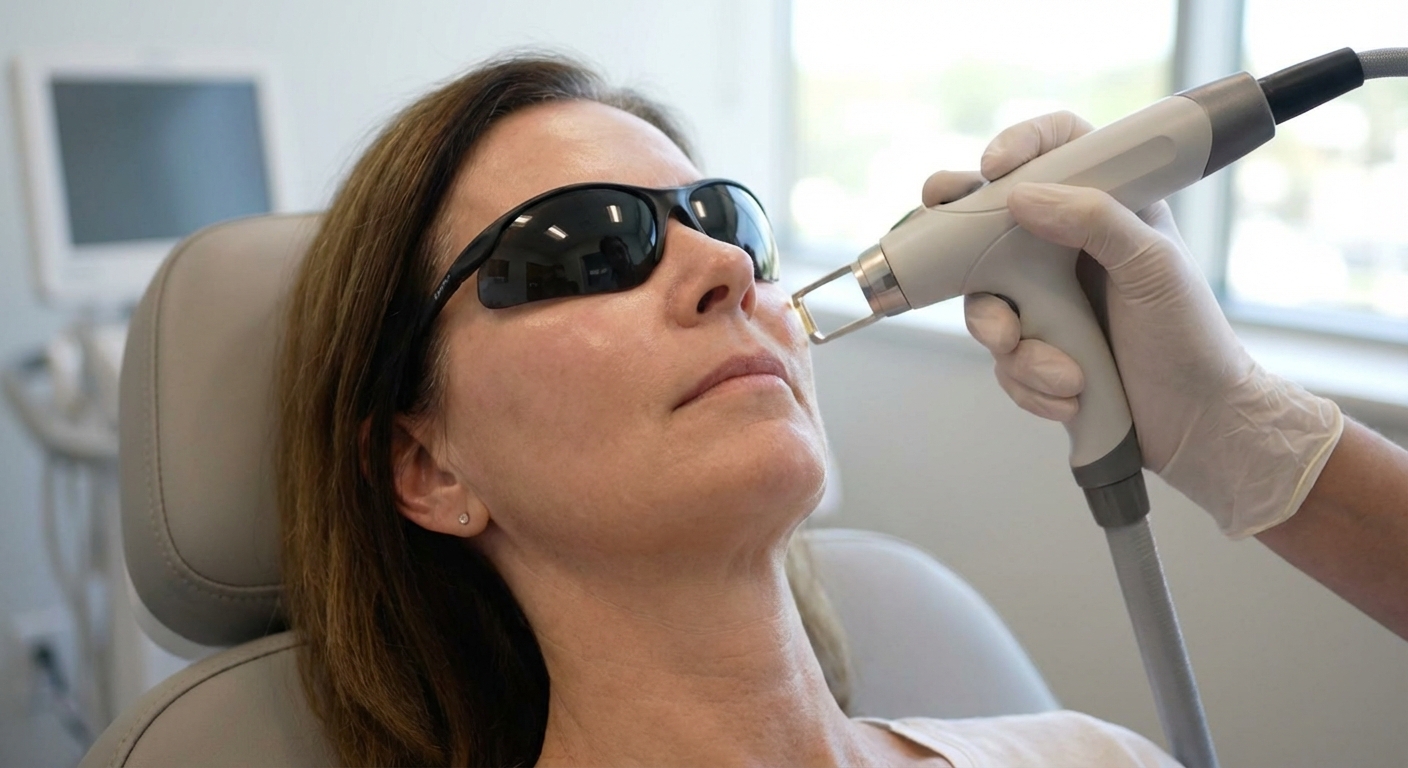
Many full-service spas now offer:
- Chemical peels (AHA/BHA) for texture, pigmentation, and glow
- Microdermabrasion for resurfacing and softening fine lines
- LED light therapy (red light for collagen, blue for acne)
When I tested a light glycolic peel and LED combo before a big event, my skin looked noticeably brighter within 48 hours—but it was also more sensitive to sun and products for about a week. These are powerful tools, not casual add-ons.
If you have rosacea, eczema, or very reactive skin, go slowly and be honest about your history. A trustworthy spa will be conservative rather than upselling.
Body Treatments: Scrubs, Wraps, and Detox Myths
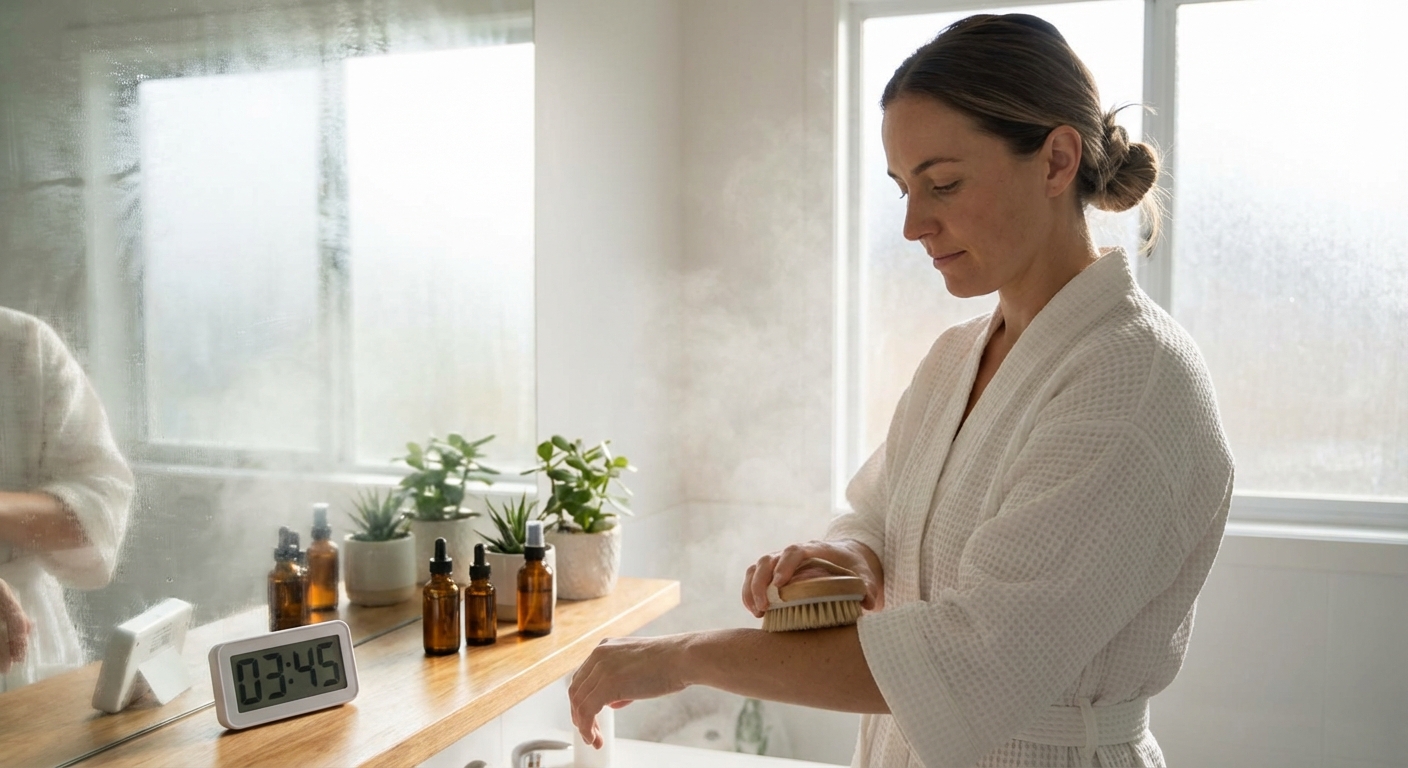
My most unexpectedly life-changing spa experience was a full-body exfoliating scrub + hydrating wrap. I walked in flaky from dry winter air and walked out feeling like I’d been upgraded to a new skin.
Common body treatments include:
- Body scrubs – Typically salt, sugar, or enzyme-based to remove dead skin cells.
- Body wraps – Using algae, mud, clay, seaweed, or creams. You’re wrapped in film or blankets to enhance absorption.
- Vichy showers – Water jets over the body while you lie on a table (feels like being inside a warm, gentle rainstorm).
Do Wraps Really "Detox" You?
Here’s the honest answer: your liver and kidneys do the real detoxing.
Many wraps can:
- Improve circulation
- Reduce water retention temporarily
- Make skin feel smoother and more hydrated
But expecting a seaweed wrap to permanently “remove toxins” or cause lasting weight loss is…optimistic. Short-term inch loss is usually water.
I still book wraps before big events when I want that super-smooth skin effect, but I treat it as a cosmetic bonus, not a medical procedure.
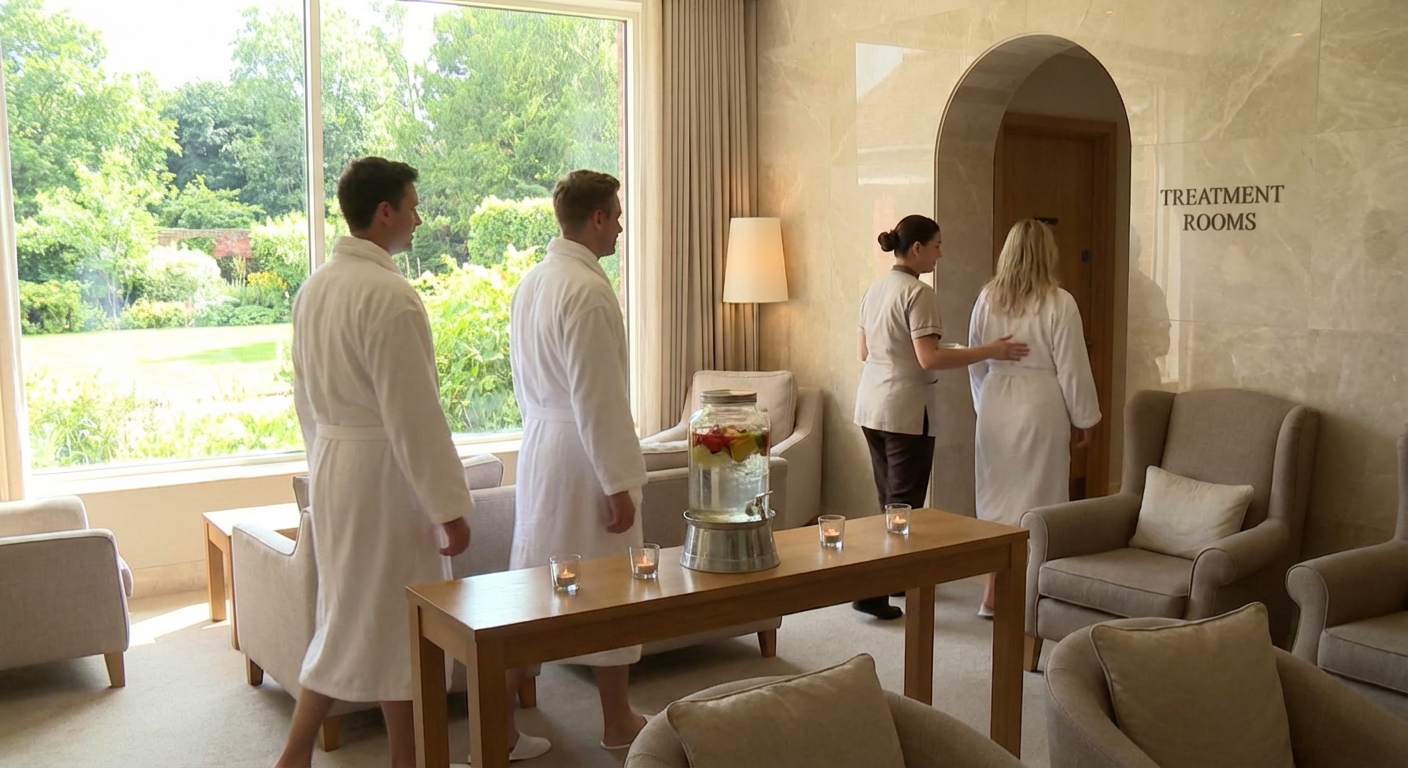
The Amenities: Where the Magic Quietly Happens
We tend to focus on the main service, but amenities are often where your nervous system really decompresses. When I finally took my time with the spa circuit instead of racing straight to my massage, my results improved dramatically.
Common full-service spa amenities:
- Sauna (dry heat): Can support cardiovascular health and relaxation. Some research from the University of Eastern Finland has linked frequent sauna use with lower risk of cardiovascular events.
- Steam room: More humid; great before exfoliating treatments and for muscle relaxation.
- Cold plunge or experience showers: Help with circulation and can reduce muscle soreness.
- Hydrotherapy pools or jacuzzis: Warm water plus jets for muscle relief.
- Relaxation lounges: Herbal tea, low lighting, no phones (ideally).
My favorite ritual: 10–15 minutes in the sauna, a quick cool shower, then a few minutes in the relaxation lounge before my treatment. By the time I get on the table, my muscles are already halfway unwound.
If you’re sensitive to heat, have low blood pressure, are pregnant, or have heart conditions, talk to a doctor first and keep heat exposure shorter.
How to Get the Most Out of a Full-Service Spa
Here’s what’s made the biggest difference for me over multiple visits:
- Arrive early. 30–60 minutes early lets you use amenities without rushing.
- Communicate clearly. During the consultation, be honest about pain levels, skin history, medications, and preferences.
- Adjust pressure and temperature. It’s your session. Speak up if anything’s too hot, cold, firm, or light.
- Skip heavy meals and a lot of alcohol beforehand. I made that mistake once with a big brunch before a deep tissue massage. 0/10 recommend.
- Hydrate after. Especially after heat, massage, or body treatments. It truly helps with post-massage soreness.
- Don’t chase miracles. Spa treatments complement, not replace, sleep, nutrition, and movement.
Pros and Cons of Full-Service Spa Days
What I Love
- Deep nervous system reset – My smartwatch data (yes, I checked) showed lower resting heart rate and better sleep quality after massage + sauna days.
- Skin education – Having professionals analyze my skin under proper lighting changed how I buy products.
- Holistic feel – When treatments and amenities are combined thoughtfully, the whole experience feels like a mini retreat.
The Trade-Offs
- Cost – High-quality full-service spas aren’t cheap. Packages can run into the hundreds.
- Overpromising – Some marketing leans hard on “detox” and unrealistic claims.
- Time commitment – To really enjoy the amenities, you need more than a quick hour.
If you’re on a budget, I’ve had great results doing one high-quality treatment (like a 60–90 minute massage) plus full use of amenities, instead of stacking multiple shorter services.
How to Choose a Trustworthy Full-Service Spa
When I vet a new spa, I look for:
- Licensing and credentials – Licensed massage therapists (LMT), estheticians, and nail techs.
- Cleanliness – Fresh linens, sanitized tools, no funky smells.
- Transparent menu and pricing – Clear descriptions, no surprise add-on fees.
- Intake forms – Good spas ask about medical history and allergies.
- Realistic claims – They don’t promise permanent weight loss from a 60-minute wrap.
And yes, I absolutely read online reviews—but I focus on patterns ("rushed treatments," "pushy upselling," or "incredible attention to detail") rather than one-off rants.
Final Takeaway
Full-service spa treatments and amenities, when they’re done well, are less about luxury for the sake of it and more about structured recovery for your body and brain. In my experience, the magic isn’t just the massage or the facial. It’s the sequence: heat, water, touch, and quiet.
If you approach your spa day like a mini wellness strategy—know what you want, respect your limits, and skip the miracle-myths—you walk out not just feeling pampered, but genuinely restored.
Sources
- Mayo Clinic – Massage: Get in touch with its many benefits - Overview of evidence-based benefits and risks of massage therapy
- Harvard Health Publishing – Sauna: Health benefits and risks - Discussion of sauna use and cardiovascular health
- Cleveland Clinic – Chemical Peels - Medical perspective on types, benefits, and risks of chemical peels
- American Academy of Dermatology – Microdermabrasion - Professional guidance on microdermabrasion and what it can and can’t do
- NIH / National Center for Complementary and Integrative Health – Relaxation Techniques for Health - Research-based overview of relaxation and its effects on health