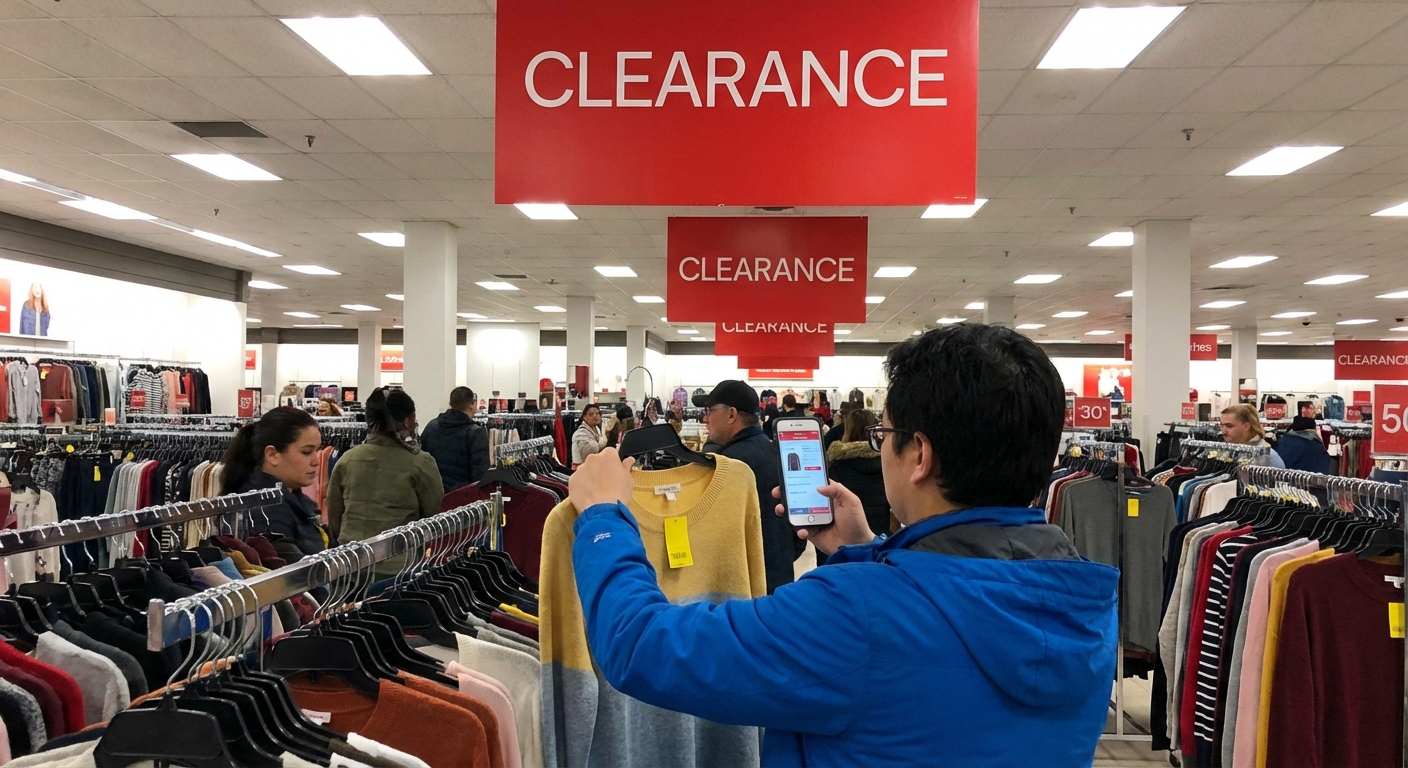
Guide to Health and Wellness Shopping at Walgreens
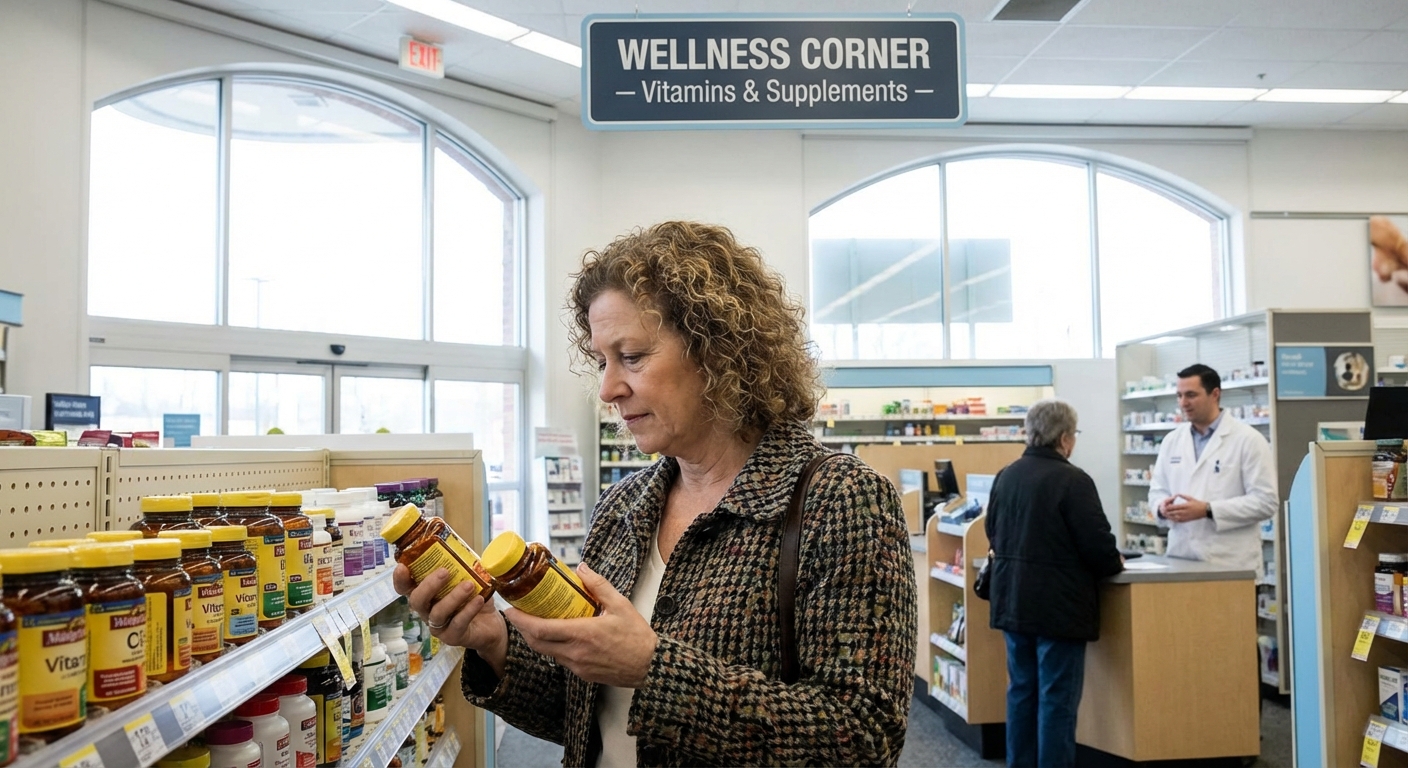
A few months ago, I was standing in the supplement aisle, holding three different vitamin D bottles, thinking, Why is this so complicated? Same store, same brand, totally different labels, strengths, and prices. That trip pushed me to actually learn how to shop Walgreens like someone who knows what they’re doing—especially for health and wellness.
This guide is everything I’ve figured out the hard way: what’s worth snagging, what to skip, and how to use Walgreens’ systems to your advantage without falling for every shiny label.
Start With the Pharmacy – They’re Your Secret Weapon
I used to treat the pharmacy as a prescription drop-off window. Now it’s the first place I go when I’m not sure what to buy.
When I tested this with a new magnesium supplement, I asked the pharmacist whether magnesium citrate or glycinate made more sense for me. She didn’t just point to a shelf—she asked about my meds, sleep, and digestion.
That’s when I realized: Walgreens pharmacists are licensed clinicians, not just people in white coats handing out pills.
Here’s how I use the pharmacy side now:- I ask before I buy supplements if I’m already on any prescription meds.
- I confirm dosing for OTC pain relievers like ibuprofen and acetaminophen—especially with cold meds, where people accidentally double-dose all the time.
- I use their immunization services instead of scrambling to find a clinic.
Walgreens follows CDC schedules for vaccines like flu, COVID-19, shingles, and pneumonia. In my experience, booking through the app takes under five minutes, and they usually run seasonal promos like “Get a coupon with your flu shot.” Yes, I’ve absolutely gotten a flu shot because I wanted the $5 Walgreens Cash.
Cracking the Supplement Aisle Without Losing Your Mind
The supplement wall at Walgreens works a bit like a casino: bright labels, lots of promises, no clocks.
When I actually started reading, I noticed three big patterns:
1. Branded vs. Walgreens Brand
I compared a national brand vitamin C with the Walgreens brand. Same dose, same form, both USP-verified. The Walgreens version was almost 40% cheaper.
In my experience, Walgreens-brand vitamins and basic supplements (vitamin D, C, B-complex, iron, magnesium, omega-3s) are usually:
- Similar quality when they carry USP or NSF certification
- Cheaper per serving
- Often on BOGO or buy-one-get-one-50%-off promos
Where I stick to name brands:
- Probiotics (because strain-specific research actually matters)
- Niche supplements like CoQ10 or specialized blends
Always check for third-party testing marks like USP (U.S. Pharmacopeia) or NSF. The NIH’s Office of Dietary Supplements points out that quality can vary a lot between supplements, and those seals are one way to filter out junk.
2. Avoid the “Kitchen Sink” Blends
When I tested one of those “Immune + Energy + Focus + Superfood” powders, my sleep tanked and my wallet cried. It was loaded with caffeine, herbal extracts, and underdosed vitamins.
Red flags I watch for now:
- Proprietary blends with no exact amounts listed
- Claims like “detox,” “fat burner,” or “cortisol destroyer”
- Tiny amounts of trendy ingredients (ashwagandha, turmeric, elderberry) just for label appeal
If there’s no clear dosage and no clear reason to take it, I leave it on the shelf.
OTC Essentials: What I Stock vs. What I Skip
Over-the-counter meds can quietly become a small fortune if you’re not careful. I’ve tested a lot of Walgreens generics vs. name brands over the years.
What consistently works well for me on the Walgreens-brand side:
- Pain relievers: ibuprofen, acetaminophen, naproxen – same active ingredients as Advil, Tylenol, Aleve
- Allergy meds: loratadine (Claritin), cetirizine (Zyrtec), fexofenadine (Allegra)
- Basic first-aid: antiseptic wash, bandages, hydrocortisone cream
Where I sometimes still pay for the brand name:
- Nasal sprays: Some generic fluticasone sprays have different spray mechanisms; I’ve had clogs and uneven dosing.
- Specialty eye drops: For contact lenses or very dry eyes, the way the formulation feels matters.
I always flip to the Drug Facts box. If the active ingredient, strength, and dosage match the name brand, I’m happy to save the money.
One limitation: Walgreens doesn’t always carry the full range of niche or specialized OTC products smaller pharmacies might have. For unusual skin conditions or rare allergies, you may still need a bigger medical supply store or online.
Wellness Beyond Pills: Food, Hydration, and Sleep Aisles
Walgreens quietly upgraded their “snack” game over the last few years. It’s not Whole Foods, but if I’m traveling or slammed between meetings, I can usually cobble together something that isn’t just sugar.
When I’m trying to keep things relatively healthy, I look for:
- Single-ingredient nuts (watch flavored ones for added sugar)
- Plain popcorn vs. heavy butter versions
- Protein bars with ~10–20g protein and under 10g added sugar
- Ready-to-drink protein shakes for an emergency meal
There’s also a decent hydration section. When I tested different electrolyte drinks during a nasty stomach bug, I realized:
- Pedialyte or Walgreens’ equivalent is closer to medical-grade rehydration
- Sport drinks are fine for light workouts, but they’re basically sugar water plus a sprinkle of electrolytes
On the sleep front, Walgreens carries melatonin, magnesium, herbal blends (valerian, chamomile), and a lot of antihistamine-based “PM” products.
My personal take after experimenting:
- Melatonin works best for me at low doses (0.5–3 mg). Higher doses left me groggy.
- Diphenhydramine or doxylamine (common in “PM” meds) can work short term, but regular use isn’t great. The Mayo Clinic and others flag long-term antihistamine sleep aid use as a concern, especially in older adults.
I now treat PM meds as a last resort and prefer magnesium glycinate or basic sleep hygiene.
Using the Walgreens App and Rewards Like a Pro
When I finally sat down and looked at my receipts, I realized I was leaving a lot of money on the table.
Here’s how I use Walgreens’ system strategically, not obsessively:
- myWalgreens rewards: I clip digital coupons before I shop, especially for vitamins and OTC meds. They routinely have 20–30% off or BOGO deals.
- Auto-refill & reminders: I let them remind me when my prescriptions are ready instead of guessing and making multiple trips.
- In-store vs. online pricing: I’ve had situations where the app showed a lower online price. The store matched it when I showed them at checkout.
Downside: The app can feel cluttered, and the coupon stacking rules are not always crystal clear. I’ve had coupons disappear after I thought they were clipped. I now screenshot the big ones in case something glitches.
When Walgreens Is Enough… and When It Isn’t
Walgreens is fantastic for:
- Everyday meds and minor illnesses
- Baseline supplements and vitamins
- Vaccines and quick clinical services
- Travel health basics (OTC meds, masks, sanitizers, compression socks)
But there are real limits:
- Staff can get slammed, so don’t expect a 20-minute supplement consult at 5 p.m. on a Monday.
- They’re not a doctor’s office. Anything chronic, complex, or scary deserves an actual medical visit.
- Stock varies a lot by location. Some stores feel like mini health hubs; others are still very “chips and candy forward.”
When I’m dealing with something beyond the usual—mental health meds, suspicious skin changes, unexplained pain—I use Walgreens as a support system, not the primary solution: get the basics there, but loop in my doctor.
How I Now Approach Health & Wellness Runs at Walgreens
My Walgreens trips look very different now than when I used to wander and impulse-buy gummy vitamins.
Here’s the rough process that’s actually worked for me:
- I make a short list and sanity-check it against anything my doctor or pharmacist has already recommended.
- I compare Walgreens-brand vs. name brand using the active ingredient, not the marketing.
- I ask the pharmacist one specific question each visit when I’m trying something new.
- I resist the urge to grab “everything wellness-y” just because it’s on a BOGO deal.
Walgreens can absolutely support a smarter health routine—if you use the experts in the building, not just the shelves.
If you treat the store like part pharmacy, part wellness toolkit, and part very convenient snack station, you’ll get value out of it without getting swallowed by the supplement rabbit hole like I did.
Sources
- NIH Office of Dietary Supplements – Dietary Supplements: What You Need to Know - Overview of supplement quality, safety, and regulation
- CDC – Recommended Adult Immunization Schedule - Official vaccine guidance that Walgreens and other pharmacies follow
- Mayo Clinic – Melatonin: What You Need to Know - Evidence-based look at melatonin dosing and limitations
- FDA – Understanding Over-the-Counter Medicines - How to compare active ingredients and read drug facts labels
- Walgreens Pharmacy Services - Official overview of Walgreens immunizations, clinical services, and pharmacy offerings