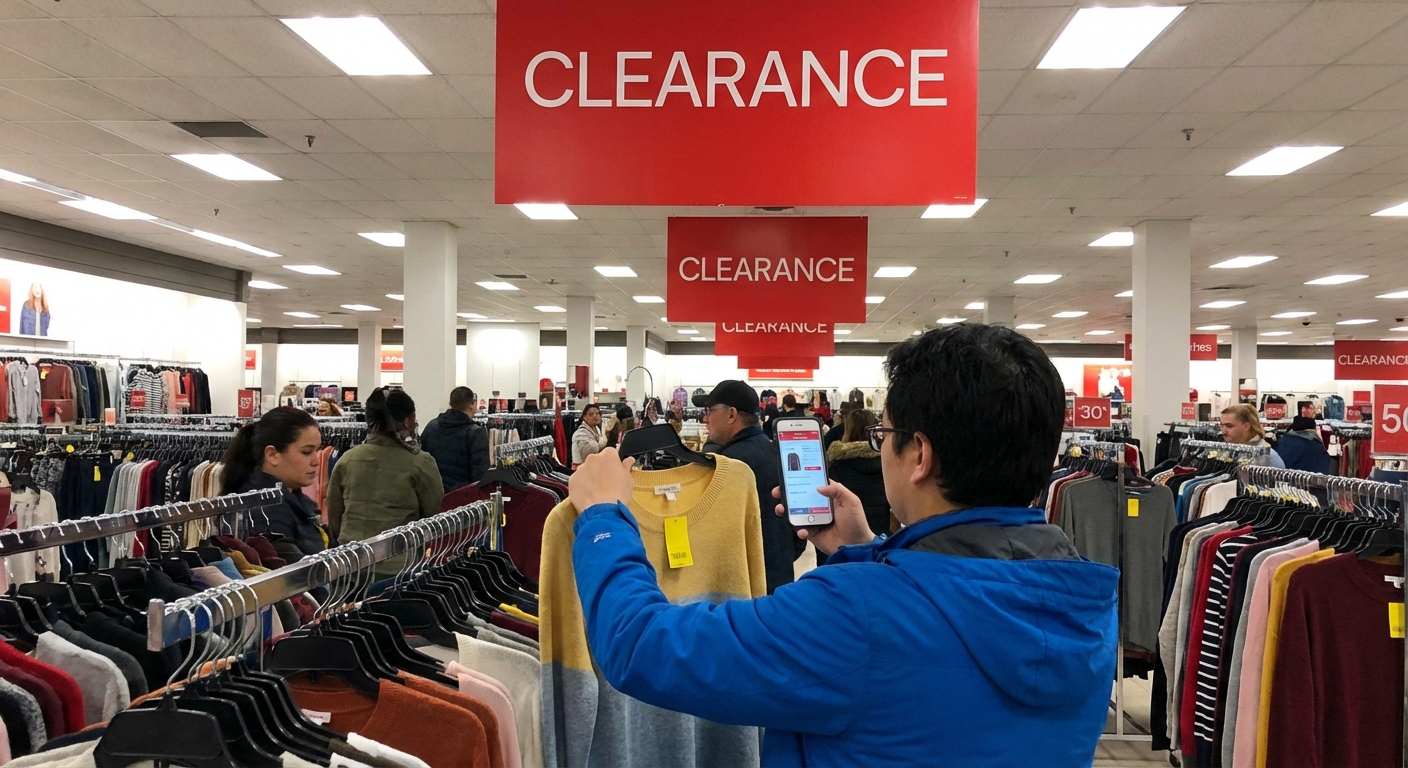
Guide to Home Depot Deals and Weekly Savings
Then I started actually tracking their deals and weekly savings—and it got a little addictive.
I’m talking 40% off major appliances, free tools with purchase, sneaky clearance aisles, and price matches that most shoppers never use. When I tested a few of these strategies on a full bathroom refresh, I knocked almost $600 off the total bill.
Here’s the playbook I wish I’d had earlier.
Understanding How Home Depot Discounts Really Work
In my experience, the people who save the most at Home Depot aren’t extreme couponers—they’re the ones who understand how the pricing system is structured.
Home Depot typically layers its discounts:
- Everyday price – the regular shelf price.
- Special Buy / Weekly Deals – limited-time promos (often Thursday–Wednesday or tied to events).
- Rollbacks / Price drops – system-wide markdowns, often ending in specific price codes.
- Clearance – the "we want this off the floor now" level.
When I started watching the tags more closely, I noticed patterns:

- Prices ending in .00, .49, .98 usually = regular price.
- Prices ending in .06 often mean "on markdown" and likely to drop again.
- Prices ending in .03 often mean "final markdown"—store wants it gone in ~3 weeks.
Not every store follows this perfectly, but I’ve seen this confirmed repeatedly in multiple locations.
Weekly Savings: Where the Real Deals Hide
1. The “Special Buy of the Day” (and Why I Check It with Coffee)
I recently discovered how much money I was leaving on the table by ignoring Home Depot’s Special Buy of the Day page. It updates daily and often focuses on one category: tools, lighting, storage, outdoor, etc.
On a random Tuesday, I scored a 5-tool Milwaukee combo kit for about 30% less than what it had been the week before. I checked multiple price trackers and it wasn’t just fake markdown math—it was a real dip.
You’ll find it here on their site under Deals → Special Buy of the Day. These are online-focused, but many items can be shipped to store or home.
Tip: If I’m planning a project (say, redoing a closet), I check this page every day for a week or two before buying anything big.2. Weekly Ad & Event-Based Promotions
Home Depot doesn’t always blast their weekly deals like a grocery store circular, but there is a cadence:
- Spring Black Friday (usually April): mulch, soil, outdoor tools, plants.
- Memorial Day / 4th of July / Labor Day: grills, patio, appliances.
- Black Friday & early November: power tools, holiday decor, smart home.
When I tested timing on an appliance upgrade (fridge + dishwasher), I waited for Memorial Day. The exact Samsung fridge I wanted dropped by $450 and I got free haul-away as part of the promo.
Home Depot usually posts digital flyers and event pages on their website you can skim in a couple of minutes.
Price Matching: The Most Underused Power Move
This is the one thing I wish more people knew: Home Depot has a price match policy, and it can stack really nicely with your planning.
According to Home Depot’s official policy, they’ll generally:
- Match local retail competitors’ prices for identical in-stock items.
- For some online competitors, they’ll match the price (but not always add extra discount).
I once got a DeWalt cordless drill kit price-matched to Lowe’s, saving about $35, just by pulling the competitor’s product page up on my phone and showing the cashier. It took 90 seconds.
Limitations (the fine print that matters):- They usually won’t match clearance, open-box, refurbished, or special financing offers.
- The item has to be the same model number and in stock.
- Some marketplaces (Amazon third-party sellers, etc.) are excluded.
Still, in my experience, if you’re polite, have the link ready, and the difference is clear, most employees are happy to apply it.
Clearance & Yellow Tags: Treasure Hunting the Smart Way
I have a small, slightly embarrassing hobby: walking the clearance aisles at Home Depot for fun.
Here’s what I’ve consistently seen:
- End caps (the ends of aisles) often hide the best deals—lighting, fasteners, random plumbing parts.
- Top shelves sometimes hold older versions of current models discounted quietly.
- Yellow or orange stickers with handwritten markdowns can be significantly cheaper than online pricing.
When I tested this "clearance sweep" method before a garage organization project, I found:
- Two heavy-duty shelving units at 40% off because the boxes were a little beat up.
- A $119 shop vac for $59 because the model was being replaced.
- It’s time-consuming—you won’t always find what you need that day.
- Clearance is hyper-local. What’s on sale at my store may not exist at yours.
But if you’re flexible on brand or style, clearance hunting can slash your budget.
Pro-Style Savings Without Being a Contractor
You don’t have to be a full-time contractor to tap into some of the "pro" strategies.
1. Volume & Bulk Pricing
When I redid a rental unit, I asked the Pro Desk about volume discounts. I wasn’t buying in insane quantities—just:
- 15 interior doors
- 20+ gallons of paint
- A big batch of trim and baseboard
The associate put together a quote and knocked about 12% off the combined ticket. It required everything to be on one quote and paid together, but for a big project, that’s real money.
If you’re spending a four-figure amount on materials, it’s worth asking the Pro Desk, “Is this enough for volume pricing?” Worst case, they say no.
2. Pro Xtra (Even for Serious DIYers)
Home Depot’s Pro Xtra program is technically aimed at pros, but ambitious DIYers use it too. When I tested it over six months, I noticed:
- Purchase tracking (super helpful at tax time if you own rentals or a small business).
- Occasional personalized offers and digital coupons.
- Paint rewards if you buy a lot of paint.
It’s not a magic coupon machine, but for anyone doing recurring projects, the perks accumulate.
Online vs In-Store: Where the Better Deals Actually Are
In my experience, Home Depot is a bit of a split personality between online and in-store.
Online advantages:- Flash sales and online-only Special Buys.
- Easy price comparison between brands and models.
- Ship-to-store can unlock items your local store doesn’t stock.
- Clearance and open-box appliance deals that never make it online.
- Manager’s specials on floor models.
- The ability to inspect lumber, tile, and finishes in person so you don’t buy the wrong thing and eat return costs.
When I replaced a range, I actually combined both: I checked prices online, then visited in person, found an open-box version of the same model with a small cosmetic ding on the side (hidden once installed) and saved another $200.
Coupons, Credit Cards, and Gift Card Hacks (With Caveats)
1. Email Sign-Up & Welcome Offers
Home Depot periodically offers welcome discounts for new email sign-ups. They’re not always live, and the fine print often excludes big-ticket brands, but I’ve personally used:
- A 10%-off email coupon on a cart full of fixtures and hardware.
It won’t apply to everything—but using it on smaller items that aren’t already on promo can still add up.
2. Home Depot Credit Card: When It Makes Sense (and When It Doesn’t)
The Consumer Credit Card often has promos like 6–12 months special financing on larger purchases or occasional discount offers.
In my opinion:
Great if:- You’re disciplined and will pay it off within the promo period.
- You’re doing a major project (kitchen, bath, deck) and need temporary float.
- You tend to carry balances. The APR isn’t friendly.
- You treat it like “free money” instead of a planning tool.
Most savings you get can be wiped out by interest if you’re not careful.
3. Discounted Gift Cards
I’ve occasionally bought Home Depot gift cards at 3–8% off through legitimate gift card marketplaces. Then I stack them with existing sales. It’s a bit of effort, and you must stick to reputable sites, but for a big project, those percentages matter.
When Not to Buy at Home Depot
To keep this honest: Home Depot isn’t always the best deal.
I’ve found better prices elsewhere on:
- Specialty fasteners, certain plumbing parts, or niche hardware (local supply houses can be cheaper).
- High-end lighting, where online retailers sometimes beat them handily.
- Custom cabinetry—big box stores can’t always compete with local shops during promos.
I usually cross-check at least one competitor (Lowe’s, local supply, or a reputable online retailer) before big purchases.
My Go-To Game Plan for Weekly Savings
Here’s how I personally stack the odds before any project:
- Scope the project and list everything I think I’ll need.
- Check Home Depot’s Special Buy of the Day and current event promos for a week or two.
- Compare prices with at least one competitor.
- Ask for price match if a major item is cheaper elsewhere.
- Walk the clearance aisles for substitutes (lighting, organization, accessories).
- If my cart is big enough, ask the Pro Desk about volume pricing.
When I followed this exact process on a full bedroom remodel—flooring, paint, closet system, lighting—I saved just over $430 compared to the first "lazy" cart I built online.
It wasn’t extreme coupon wizardry. It was just understanding how Home Depot’s deals and weekly savings actually work and being willing to spend an extra 20–30 minutes planning.
Sources
- The Home Depot – Price Match Policy – Official explanation of in-store and online price matching rules.
- The Home Depot – Special Buy of the Day – Rotating daily deals on tools, appliances, and more.
- Consumer Financial Protection Bureau – Store Credit Cards – Guidance on risks and benefits of retail credit cards.
- Forbes – Best Times To Buy Appliances – Data-backed look at seasonal appliance pricing trends.
- U.S. Department of Energy – Home Appliance Energy Use – Insight into energy-efficient appliances and long-term cost savings.